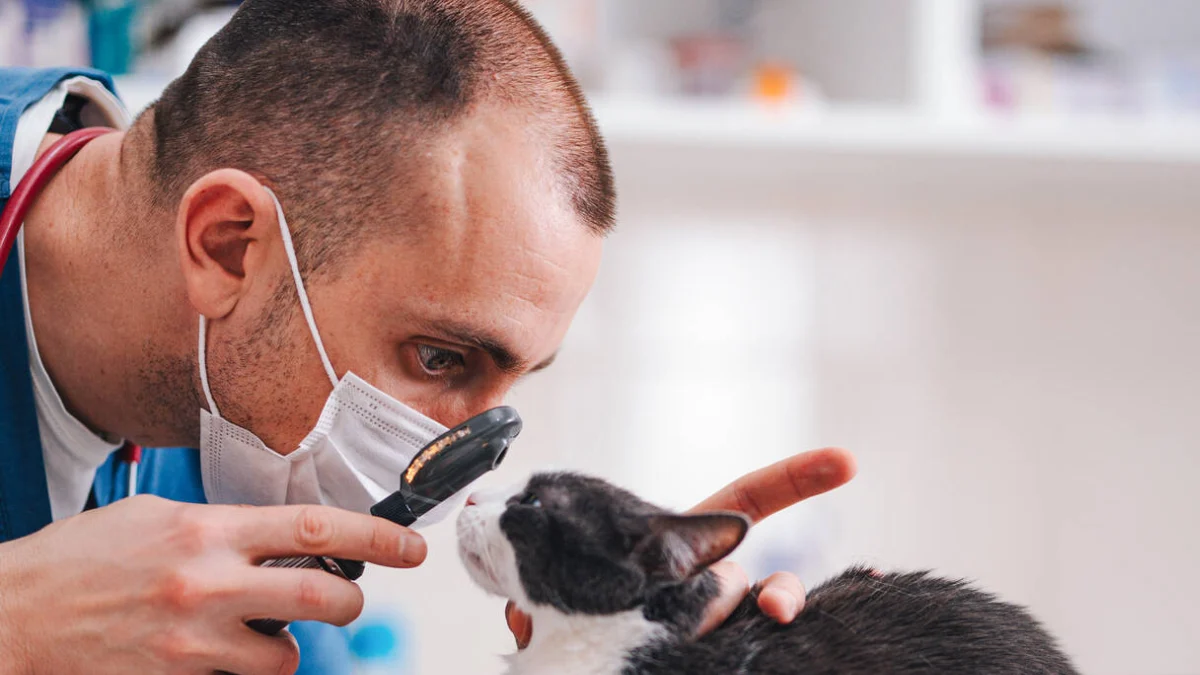
By Angie Rodríguez | Lifestyle & Trends Desk
Published: September 24, 2026
For generations, the standard script for pet ownership followed a predictable pattern: a puppy or kitten would enter the home, receive a flurry of initial vaccines, and then rarely see the inside of a veterinary clinic unless an obvious emergency arose. Dogs and cats were traditionally taken to the doctor only when they vomited, limped, or exhibited behaviors that made it undeniably clear that something was broken.
Today, however, a quiet paradigm shift is sweeping through modern households. An increasing number of dedicated pet parents are abandoning the reactive model of veterinary care in favor of proactive, routine wellness checks. This evolution has given rise to a robust and sophisticated specialty known as preventive veterinary medicine—a holistic approach designed to catch silent, creeping alterations in health long before they manifest as full-blown, life-threatening diseases.
Far from being an unnecessary luxury or an over-cautious expense, regular veterinary oversight is rapidly proving to be the single most effective strategy for extending both the lifespan and the healthspan of our canine and feline companions.
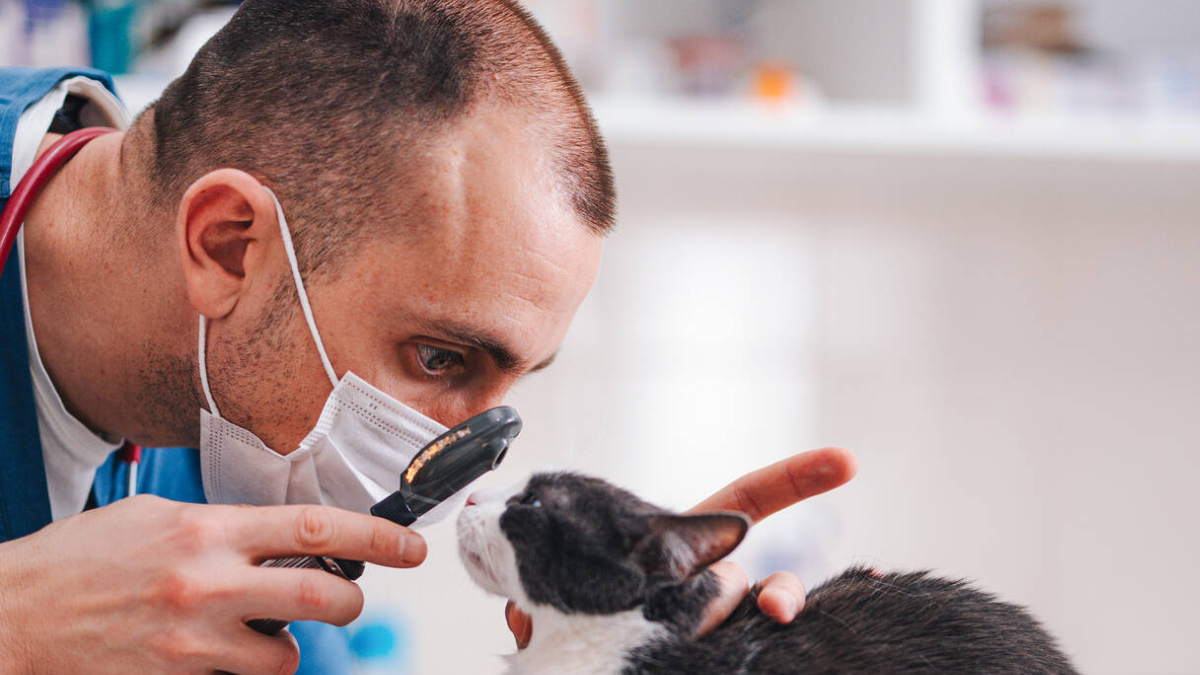
Main Facts: The Core Pillars of Preventive Veterinary Medicine
At its foundation, preventive veterinary medicine is built upon a triad of essential practices: optimal nutrition, rigorous parasite control, and up-to-date immunizations.
According to insights from the veterinary portal Vets & Clinics, maintaining a balanced and functional diet is the bedrock of lifelong animal health. "The valuation of the animal’s weight, adapting the type of food, and adjusting its quantities to the animal’s level of exercise makes functional ingredients the basis of optimal health," the platform explains. Coupled with regular deworming schedules and core vaccines, these elements form an impenetrable first line of defense against infectious and lifestyle-related diseases.
However, the scope of prevention reaches far beyond simple shots and kibble. Laura Uribe Henao, commercial manager of national expansion for Movet, emphasizes that a pet appearing outwardly energetic and healthy is not a guarantee of internal wellness.
"Dogs and cats are biological masters at hiding discomfort or presenting changes that are initially very subtle," Uribe notes. "Preventive check-ups allow veterinarians to evaluate their general state and detect alterations before they evolve into complex medical crises."

By shifting the mindset from disease treatment to health optimization, routine exams enable practitioners to intercept a wide array of looming conditions:
- Metabolic and Endocrine Disorders: Early identification of shifts in thyroid function, diabetes markers, or organ efficiency.
- Cardiovascular and Renal Strains: Monitoring blood pressure, heart murmurs, and early kidney decline.
- Gastrointestinal and Parasitic Vulnerabilities: Spotting subclinical gut inflammation or hidden parasite burdens.
- Dental and Periodontal Diseases: Stopping plaque buildup before it seeds bacteria into the bloodstream and damages major organs like the heart and liver.
- Weight Fluctuations: Catching subtle creeping weight gain that stresses joints and triggers systemic inflammation.
Chronology of Care: A Lifetime Roadmap for Dogs and Cats
Preventive veterinary care is not a static protocol; it is a dynamic, age-dependent roadmap that evolves alongside the animal. Veterinarians emphasize that care intervals must be customized depending on the pet’s life stage, breed, historical medical background, and individual lifestyle.
1. The First Year: The Foundation Phase
During a pet’s inaugural year of life, veterinary visits are naturally more frequent. This crucial window requires meticulous tracking of growth rates, behavioral development, nutritional needs, and a strict cascading schedule of primary and booster vaccinations alongside parasitic treatments. Establishing comfort with handling and clinic environments during this period sets the stage for a lifetime of stress-free medical interactions.
2. The Adult Years: Maintenance and Routine
Once a dog or cat reaches adulthood, the standard recommendation shifts to at least one comprehensive wellness check per year, even in the complete absence of alarming symptoms. These annual visits serve as a baseline to measure long-term health trends, allowing practitioners to spot micro-changes in weight, coat condition, or cardiac rhythms.

3. The Senior Years: High-Vigilance Tracking
As pets transition into their golden years—typically around age 7 for many dogs and cats, varying by breed size—preventive care takes on an urgent, high-vigilance dimension. Senior animals require more frequent evaluations (often every six months).
"In senior animals, prevention acquires even more importance because controls may be required more frequently," Uribe stresses. These visits allow for a fine-tuned, detailed tracking of declining mobility, hidden pain (such as early-stage osteoarthritis), oral degradation, organ function decline, and subtle cognitive shifts.
Supporting Data: Why Prevention is Cost-Effective and Life-Saving
While the upfront cost of annual check-ups and diagnostic testing can occasionally cause hesitation among pet guardians, global veterinary health economics consistently demonstrate that prevention is vastly more economical than treatment.
As Vets & Clinics points out, "Preventive medicine through multi-level actions attempts to maintain the health of animals so that they do not suffer diseases, which is a highly cost-effective strategy."

When a disease is caught in its earliest subclinical phase, therapeutic interventions are typically straightforward, less invasive, and significantly less expensive. Conversely, waiting until a pet displays overt symptoms often means the disease has progressed to an advanced stage, requiring expensive emergency interventions, prolonged hospital stays, specialized surgeries, or lifelong palliative care.
Furthermore, a comprehensive annual wellness examination goes far beyond a cursory physical poke and prod. A gold-standard preventive exam should thoroughly encompass:
- Physical Metrics: Exact body weight, body condition scoring (BCS), and muscle mass evaluation.
- Anatomical Inspection: Detailed checks of the skin, coat, eyes, ears, oral cavity, and teeth.
- Vital Sign Assessment: Measurement of baseline cardiac and respiratory frequencies.
- Behavioral and Lifestyle Audit: A detailed review of the animal’s sleep habits, stress levels, environmental enrichment, and dietary routines.
- Tailored Diagnostics: Depending on age and risk factors, veterinarians may deploy targeted diagnostic tests, including complete blood counts (CBC), chemistry panels, urinalysis, fecal analysis, and medical imaging (such as radiographs or ultrasounds).
Official Responses and Expert Perspectives
The push toward proactive veterinary care is backed uniformly by industry leaders and animal welfare advocates who recognize that the human-animal bond is stronger than ever, yet often clouded by misinterpretations of animal behavior.
Laura Uribe Henao insists that the fundamental hurdle to overcome is cultural. "The key is to understand these cares as part of a routine and not exclusively as actions that are carried out when an illness appears," she states.

Veterinary professionals frequently remind owners that pets lack the vocal capacity to express discomfort. Instead, they communicate distress through subtle behavioral nuances. Recognizing these micro-signals requires acute observation from pet parents, who act as the primary frontline observers in the home.
Red Flag Behaviors: What Owners Must Watch For
While routine veterinary visits anchor the preventive model, daily observation at home is indispensable. Uribe highlights several subtle red flags that should prompt an immediate call to the veterinarian:
- Weight Shifts: Unexplained, rapid weight loss or sudden weight gain.
- Appetite Disruptions: A waning interest in food or, conversely, an insatiable, frantic search for food.
- Behavioral Morphs: Uncharacteristic irritability, withdrawal, or an increased tendency to hide away from family members.
- Mobility Impairment: Hesitation to jump on the couch, stiffness upon rising, or reluctance to climb stairs.
- Sleep Alterations: Restlessness at night or excessive, uncharacteristic lethargy during daylight hours.
- Loss of Interest: Abandoning favorite games, toys, or routines that the animal previously adored.
"The guardians are the ones who best know the routine of their pets," Uribe concludes. "Therefore, identifying a change and consulting about it on time can make all the difference."
Implications: Redefining the Future of Pet Parenting
The widespread adoption of preventive veterinary medicine carries profound implications for society, veterinary infrastructure, and animal welfare.

For one, it transforms the veterinary profession itself, shifting clinics away from somber environments dominated by emergency surgeries and end-of-life care, and transforming them into vibrant centers of wellness, longevity education, and lifestyle management. Vets are increasingly empowered to act as wellness coaches rather than strictly emergency responders.
For pet parents, embracing a preventive mindset fosters a deeper, more empathetic relationship with their animals. It requires tuning into the subtle language of pets—appreciating that a cat choosing to sleep under the bed more often, or a dog slowing down slightly on a walk, may not just be "getting older," but rather quietly asking for help.
Ultimately, integrating preventive medicine into everyday life redefines what it means to care for a companion animal. It proves that the truest measure of pet love is not just how fiercely we fight to save them when they are broken, but how diligently we work to keep them whole, healthy, and thriving year after year.