
By Edwin Caicedo | Environmental and Health Correspondent
September 14, 2026
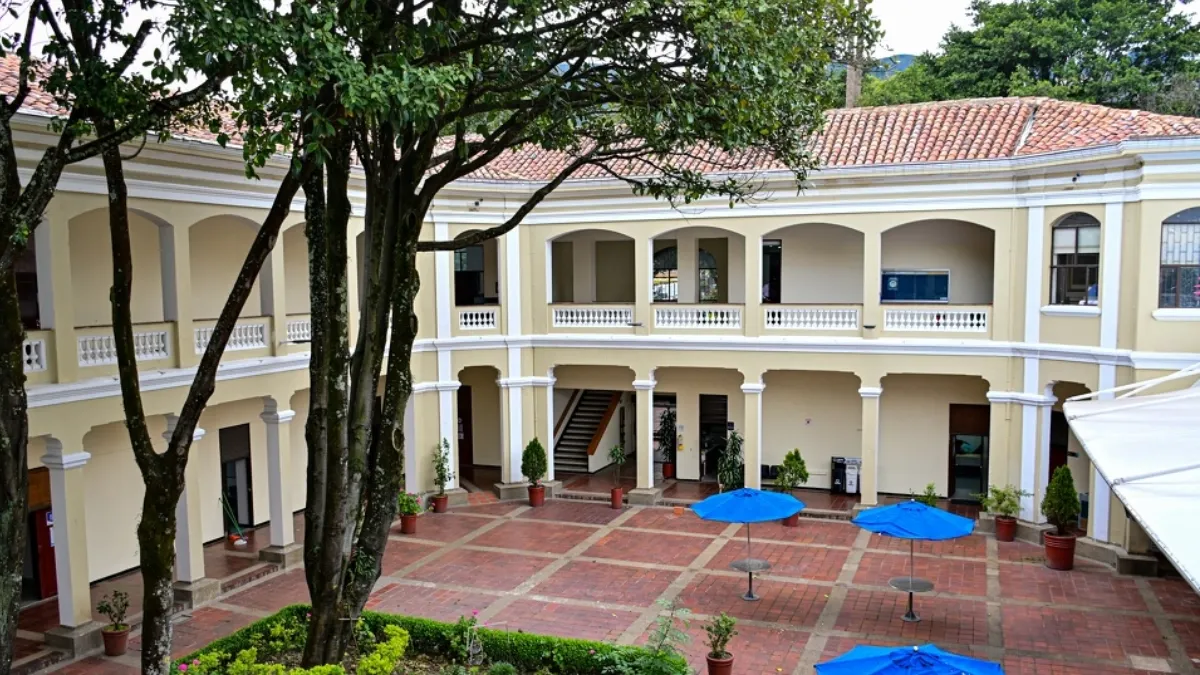
The delicate equilibrium between national security policy and the sanctity of academic freedom in Colombia has reached a critical breaking point. Following a controversial announcement by President Abelardo de la Espriella regarding the intervention of law enforcement within university campuses, the Academic Council of the National Pedagogical University (UPN) has issued a robust rebuttal, framing the policy as a potential return to the darkest chapters of the nation’s history.
The Core Conflict: Autonomy vs. Public Order
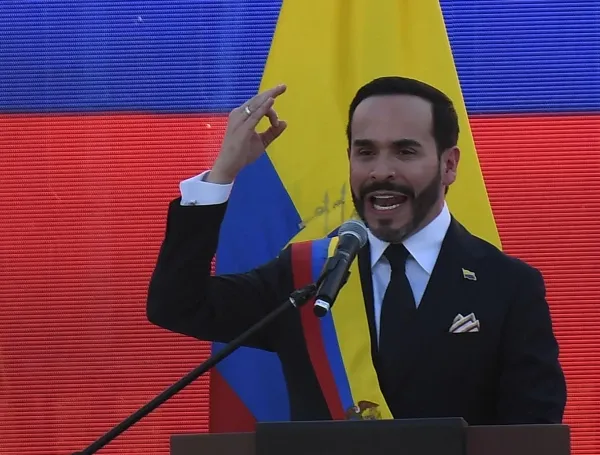
On Sunday, September 13, 2026, President Abelardo de la Espriella, in a direct address broadcast via social media channels, declared that the Colombian National Police would be authorized to enter university campuses whenever acts of violence, vandalism, or terrorism were identified. The President’s rhetoric was firm, asserting that "university autonomy is not above public order, nor does it transform campuses into territories exempt from the Constitution, the law, or the legitimate authority of the State."
The Presidential directive aims to establish a new national protocol intended to distinguish between peaceful student protests—which the administration claims it will continue to protect—and what the government labels as "urban terrorism," infrastructure destruction, and attacks against the security forces.

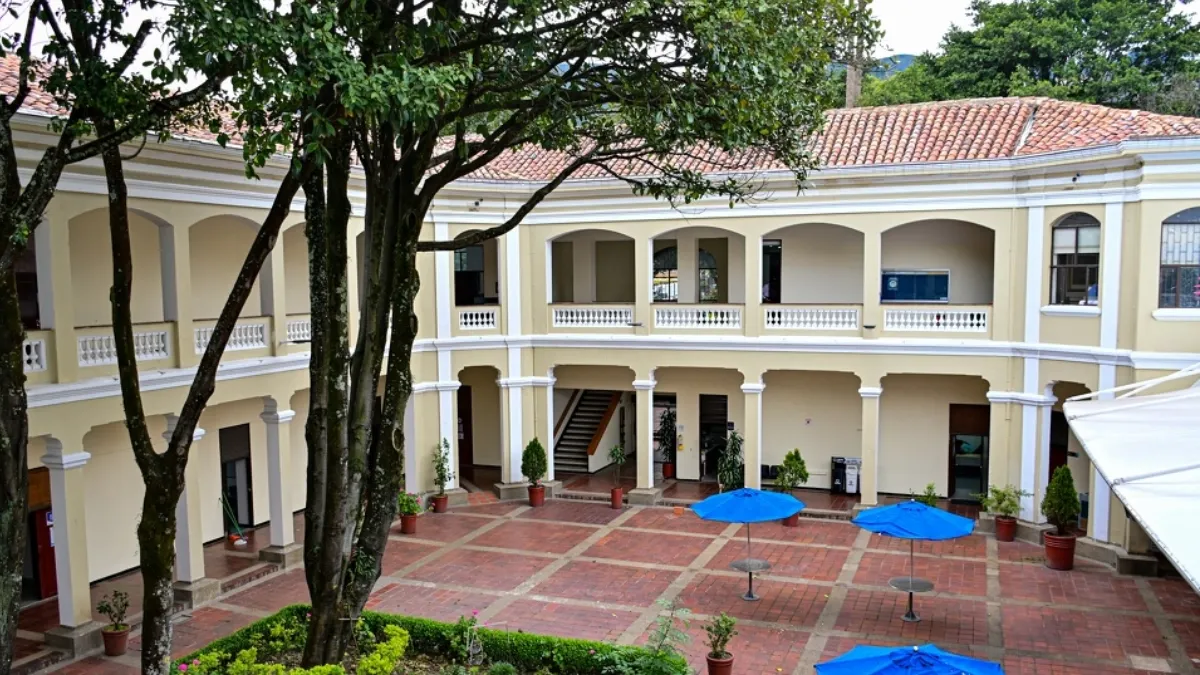
However, the response from the UPN Academic Council was swift and categorical. In a formal statement titled "The University Between Knowledge, Culture, and Its Autonomy," the institution’s highest governing body characterized the potential militarization of campus spaces as a grave risk to the democratic fabric of the country. For the UPN, the university is not merely a physical space, but a sanctuary for critical thinking, artistic creation, and social research—all of which require a degree of insulation from state force to flourish.
A Chronology of the Standoff
The current friction is the culmination of long-standing tensions regarding how the state manages social unrest within public institutions.
- Pre-September 2026: Persistent reports of localized disturbances and vandalism in various public universities had been mounting, leading to increased pressure from conservative political sectors for a more "muscular" state response.
- September 13, 2026: President De la Espriella announces the new policy. He justifies the move by stating that campuses have, in some instances, become "refuges for violence," where illicit materials are stored and attacks against the civilian population are planned.
- September 14, 2026: The UPN Academic Council releases its official response. The document explicitly links the President’s announcement to a regression in human rights and academic freedoms, citing historical precedents of state violence against the university community.
Historical Context: The Ghost of the Past
The UPN’s argument is deeply rooted in the findings of the Truth, Coexistence, and Non-Repetition Commission (CEV). In its report, specifically the chapter titled "Universities and Armed Conflict in Colombia," the commission documented 588 crimes against members of university communities between 1962 and 2011.
These crimes included forced disappearances, extrajudicial killings, torture, and systemic stigmatization. By invoking this history, the Academic Council is making a powerful point: the presence of armed state actors on university grounds has historically been a precursor to, rather than a solution for, violence. They contend that the "militarization" of these spaces does not quell discord but rather creates a climate of fear that stifles the very intellectual inquiry the university is mandated to foster.
Legal Foundations of the Dispute
The debate hinges on the interpretation of Article 69 of the Colombian Political Constitution and Law 30 of 1992. These legal pillars establish that universities possess the right to:
- Define their own administrative directives and statutes.
- Maintain freedom of research and teaching.
- Operate as autonomous entities within the broader framework of the state.
The UPN emphasizes that this autonomy is not a privilege, but a constitutional necessity for a healthy democracy. According to the Council, any intervention that ignores the principle of proportionality—a standard requirement for police action—threatens not just the physical safety of students and staff, but fundamental rights such as the freedom of expression and the right to peaceful assembly.
Implications for the Future of Public Education
The disagreement extends beyond police presence; it reflects a fundamental divide in how the government and academia view the role of the public university. While the Presidency views the campus as a space that must be "secured" to protect those who "want to study," the Academic Council argues that the government should focus on the "polycrisis" facing higher education.
The Need for Structural Investment
The UPN’s communication makes a sharp pivot from the security debate to a policy demand. They argue that if the government is truly concerned about the state of universities, it should focus on:

- Sustainable Financing: Moving toward a funding model that is "sufficient, progressive, and sustainable" to accommodate the growing demand for higher education.
- Infrastructure Modernization: Addressing the physical and technological deficits that prevent universities from tackling 21st-century challenges, such as climate change and digital transformation.
- Dignifying the Teaching Profession: Ensuring that faculty members are provided with fair labor conditions, which in turn fosters a more stable and productive academic environment.
The Government’s Rationale: The "Order" Argument
President De la Espriella’s administration argues that their policy is, in fact, a measure of protection for the majority of students. By curbing the influence of radicalized groups that may use university facilities to plan violent acts, the government claims it is "liberating" the university for those who use it for its intended purpose: education.
The administration’s promise to implement a new "national protocol" suggests that they anticipate the backlash and are attempting to create a legal framework to govern these police interventions. Whether such a protocol can truly protect the autonomy of the university while simultaneously allowing for police entry remains the central question that will define the coming months of this administration.

A Nation at a Crossroads
The standoff between the UPN and the President of the Republic is more than a policy disagreement; it is a fundamental debate about the identity of the Colombian state. Is the university a fortress of the state, subject to the same policing as any public square, or is it a space of exception, protected by its unique contribution to the nation’s intellectual and social health?
As the Academic Council concludes in its statement, the promotion of science, arts, and humanities is the bedrock upon which a democratic society builds its future. By prioritizing a security-first approach, the Council warns that the government risks damaging the "ethos" of the university, ultimately harming the democratic values it claims to be protecting.

For now, the situation remains in flux. Students and faculty across the country are watching closely to see if the proposed protocols for police entry will lead to a new era of state oversight or if, as the Academic Council fears, it will lead to the silencing of dissent and the erosion of the university as a space for open, sometimes conflictive, but always necessary, democratic debate.
Stay Informed:
Follow all updates on education and public policy via our weekly newsletter. For real-time breaking news, join our channel on WhatsApp or follow us on X (formerly Twitter) and Facebook.

© 2026 El Tiempo. All rights reserved. Reproduction in whole or in part without permission is prohibited.