In the remote, river-laced expanse of the Amazonian island of Marajó, the piranha was long regarded as little more than a nuisance—a sharp-toothed interloper that tangled nets and offered no culinary or economic value to the local fishermen of Vila de Jenipapo. However, in the 1970s, a visionary Italian priest named Giovanni Gallo saw potential where others saw waste. By mobilizing a community and turning a "useless" predator into a sought-after export, Gallo orchestrated a socioeconomic transformation that reshaped the island’s infrastructure and cultural heritage.
The Genesis of an Unlikely Initiative
The state of Pará, Brazil, is a region defined by its geography. Marajó, the world’s largest fluvial-maritime island, is a labyrinth of rivers, mangroves, and vast floodplains. In the 1970s, the parish of Santa Cruz do Arari faced the perennial struggles of an isolated community: crumbling infrastructure, limited access to essential services, and a pervasive lack of capital to fund basic public works.
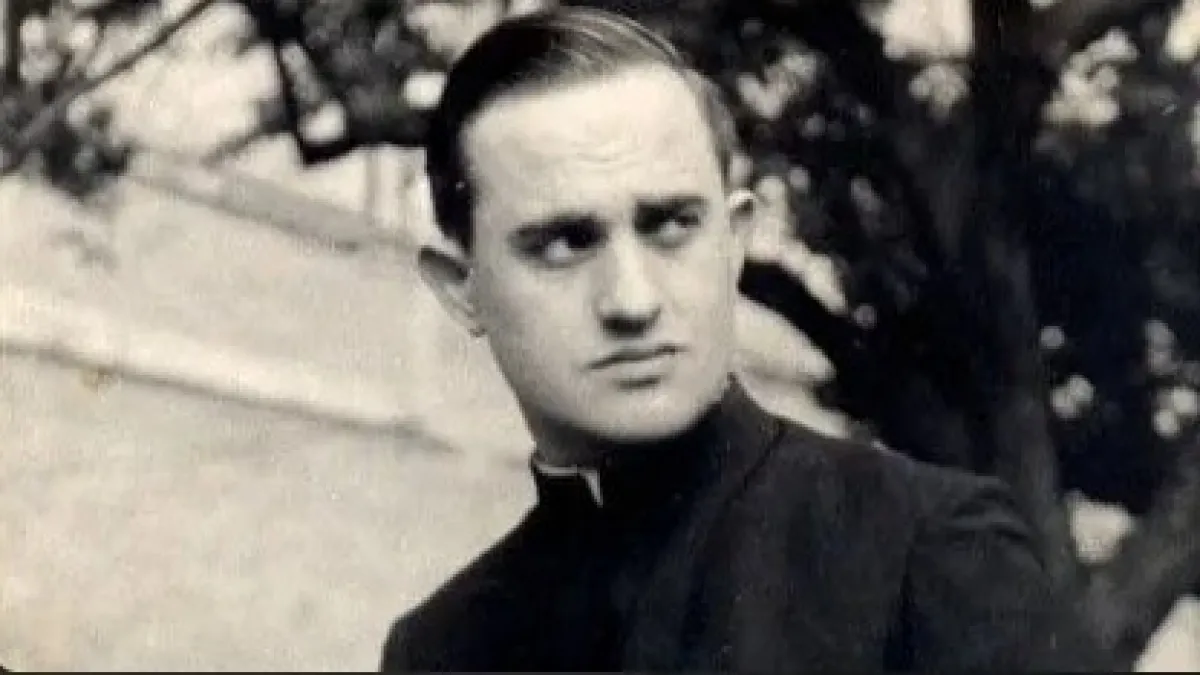
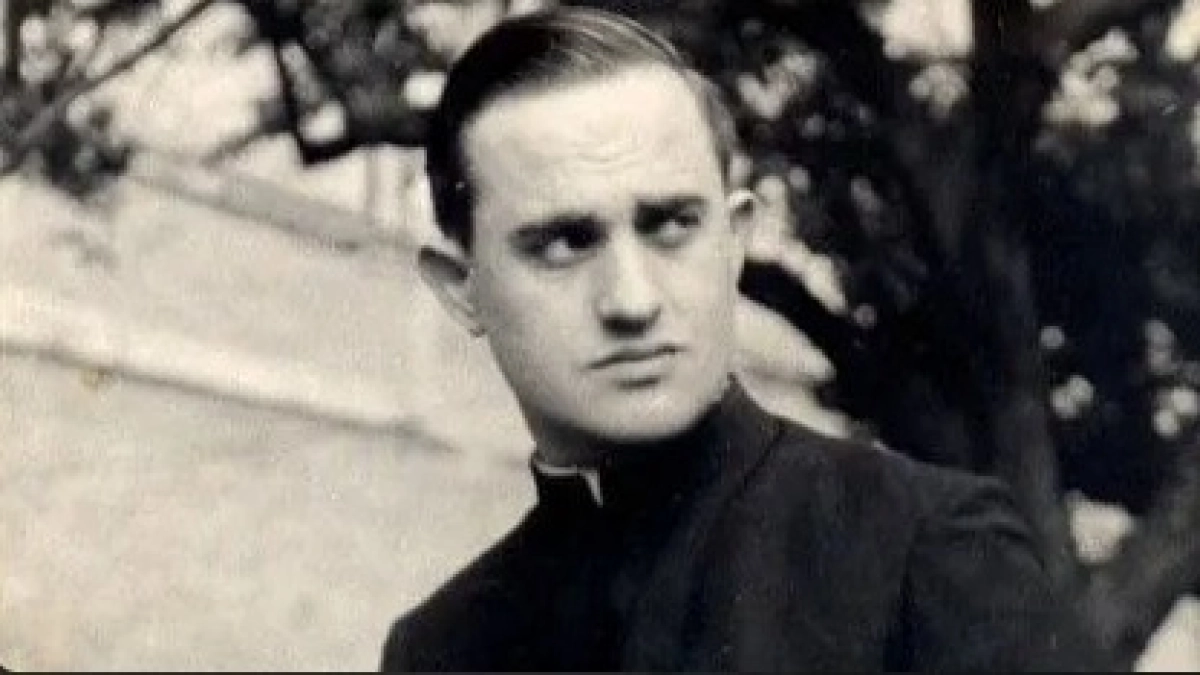
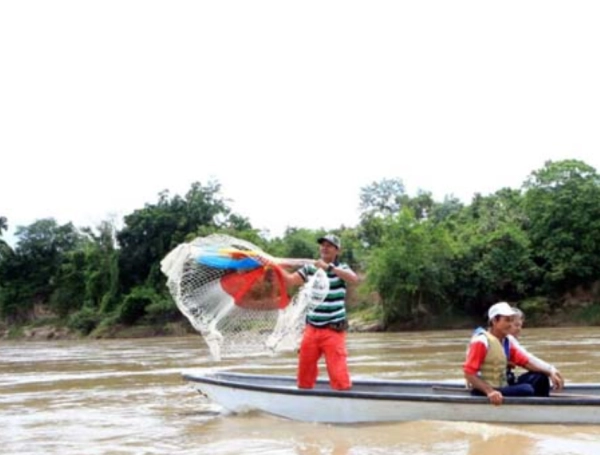
Giovanni Gallo, a man of profound faith and equally profound pragmatism, arrived in this environment tasked not only with spiritual guidance but with the material improvement of his parishioners’ lives. He observed that the local fishermen were constantly discarding thousands of piranhas that inevitably ended up in their nets. In the eyes of the locals, these fish were a scourge. In the eyes of Father Gallo, they were a latent resource waiting for a supply chain.
Chronology of a Transformation
The endeavor began with a small-scale experiment that would eventually scale into a surprising international export model.
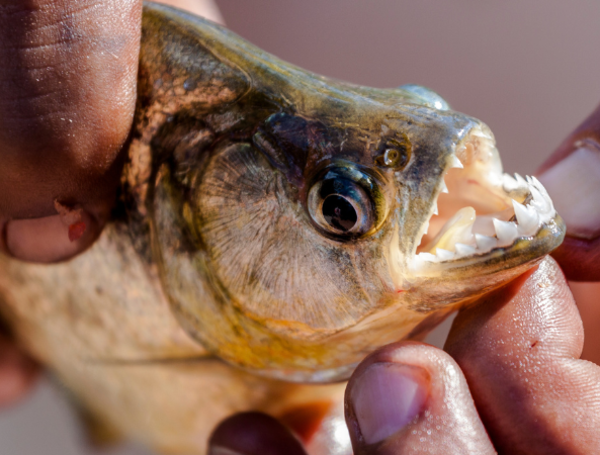
- 1970–1972: Father Gallo establishes a small laboratory in Vila de Jenipapo. He begins training local women in the meticulous art of preparing, cleaning, and embalsaming piranhas.
- 1973–1975: The operation hits its stride. As the fishermen brought in their bycatch, the women’s cooperative processed the fish into high-quality decorative specimens.
- 1976–1979: The "Piranha Export" reaches its peak. Thousands of units are shipped to European markets, where they are sold as exotic curiosities and artisanal decor.
- 1980–1983: The capital generated from these exports is funneled into the construction of bridges, a cemetery, and a landing strip, effectively breaking the isolation of the community.
- 1984: The mission shifts from nature to history. With the funds and organizational structure established, the Museo do Marajó (Museum of Marajó) officially opens in Cachoeira do Arari, cementing the preservation of local indigenous and colonial artifacts.
- 2003: Father Giovanni Gallo passes away, leaving behind a legacy that bridges the gap between economic survival and cultural stewardship.
The Economics of the Piranha: Supporting Data
The scale of this initiative was far from insignificant. Over the course of the project, the community processed and exported approximately 12,000 piranhas. While the individual unit price might have seemed modest, the cumulative effect was transformative for a village with virtually no other revenue streams.
The allocation of these funds provides a clear picture of the project’s priorities. The community utilized the revenue to finance:
- 350 meters of elevated wooden bridges: Essential for traversing the flood-prone terrain during the rainy season.
- An improved river embarcadero: Strengthening the connection between the island’s interior and the mainland markets.
- A community cemetery: Addressing a vital public health and dignity concern.
- An 800-meter airstrip: This was perhaps the most significant logistical achievement, providing an emergency lifeline and a link to the outside world that had previously been non-existent.
Bridging History: The Birth of the Museum
While the piranha trade provided the financial backbone for the community’s development, Father Gallo’s true passion lay in the preservation of the island’s deep, often overlooked, history. As he walked the lands of Marajó, he began to notice that the soil was rich with the fragments of ancient civilizations—pottery shards, stone tools, and artifacts that spoke of the indigenous Marajoara culture.
Encouraged by Gallo, local residents began to bring these findings to him. What started as a small personal collection ballooned into a professional effort to catalog and protect the archaeological wealth of the Amazon. By 1984, the collection had outgrown its original parish location and was moved to a purpose-built facility in Cachoeira do Arari.

Today, the Museo do Marajó stands as a testament to the idea that a community can lift itself out of poverty while simultaneously honoring its ancestors. The transition from the "piranha economy" to a "cultural economy" was seamless, as the infrastructure built by the fish trade allowed for the easier transport of tourists and researchers to the museum.
Official Perspectives and Community Impact
While there are no contemporary "official" government responses from the 1970s—as the project was largely a grassroots, church-led initiative—modern-day sociologists and regional historians in Pará consistently cite the "Gallo Model" as a prime example of sustainable local development.

The project was unique because it did not rely on large-scale extraction of natural resources. Instead, it utilized a byproduct (the piranha) that was already being harvested, adding value through skilled labor (the embalsaming process) and tapping into a niche international market. It was an early exercise in what we might today call the "Circular Economy."
"Father Gallo did not just bring religion to the island," notes a local historian familiar with the museum’s archives. "He brought a methodology for survival. He taught the community that they were not poor because they lacked resources, but because they lacked a bridge—both literal and figurative—to the outside world."

Implications: The Legacy of the Piranha
The story of the Marajó piranhas is a poignant reminder of the power of lateral thinking in community development. In an era where global supply chains are often criticized for their environmental impact, the story of the 1970s Marajó initiative offers a counter-narrative: one of hyper-local resource utilization, the empowerment of local women through artisanal training, and the long-term reinvestment of profits into public infrastructure.
The implications for modern NGOs and local governments are clear: sustainable development often requires identifying the "waste" in a system and finding the expertise to transform it into value.

Furthermore, the museum serves as a critical node in the preservation of the Amazon’s history. By connecting the dots between the daily struggle for food (the piranha) and the intellectual necessity of history (the museum), Father Gallo ensured that the community of Marajó would not just survive the seasonal floods, but would maintain a sense of identity that survives to this day.
In the final analysis, the 12,000 piranhas were never just fish. They were the building blocks of a bridge, the stones of a cemetery, the gravel of an airstrip, and the foundation of a museum. They represent a rare moment in history where a simple, predatory fish became the unlikely hero of a community’s development, proving that even in the most isolated corners of the world, ingenuity can turn the tide.