By Edwin Caicedo, Environmental and Health Correspondent
September 26, 2026
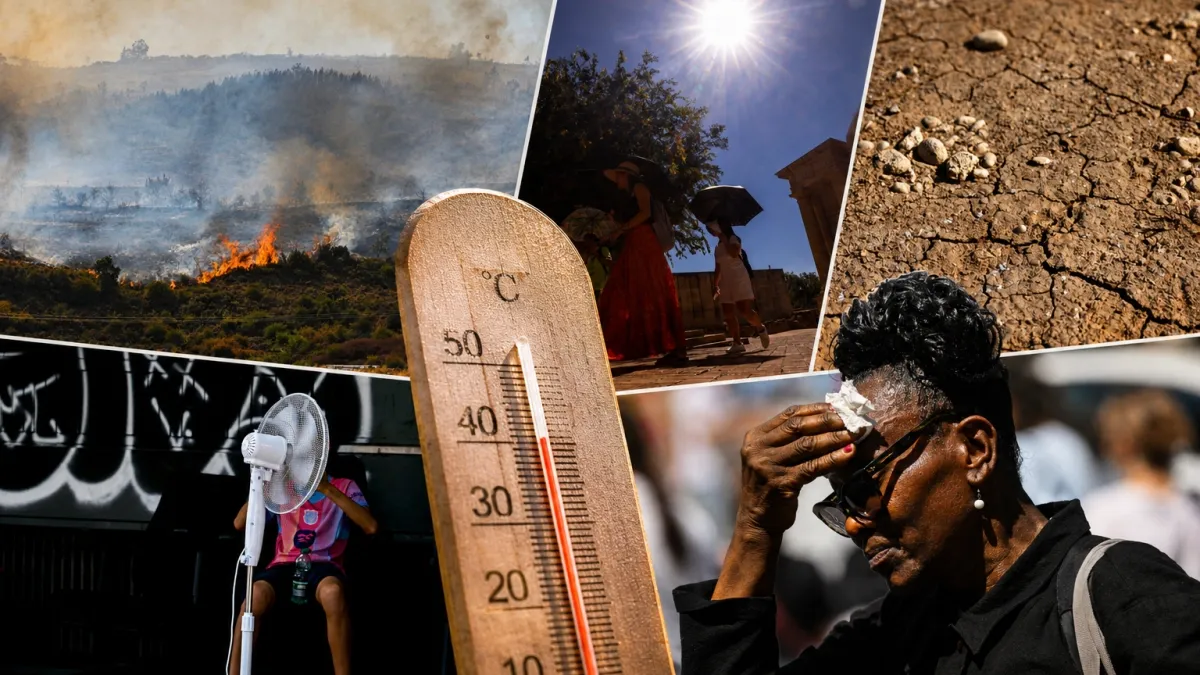
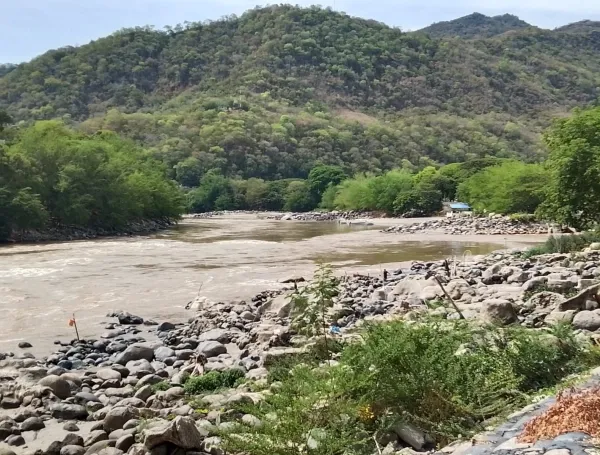
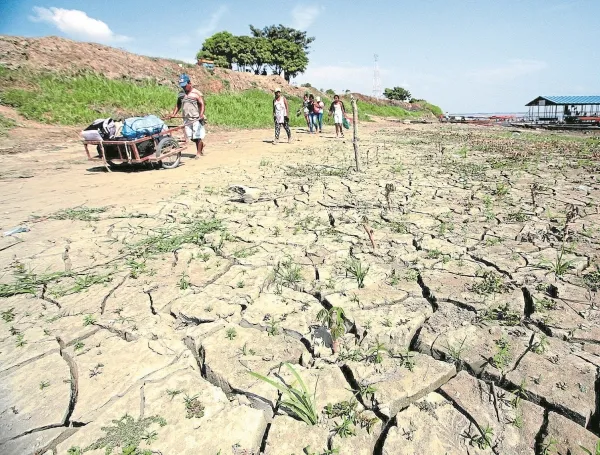
Colombia is currently navigating one of its most challenging environmental periods in recent memory. As the country grapples with an exceptionally intense El Niño weather phenomenon, the early warning signs of a systemic water crisis are no longer confined to isolated rural areas. Major metropolitan hubs, including Cali, Medellín, and Santa Marta, have already triggered emergency rationing protocols, signaling a potential shift toward a nationwide state of alert. Experts warn that the most difficult days lie ahead, with the peak of the oceanic warming trend expected to reach its zenith toward the end of this year, with effects likely to persist well into the first half of 2027.
The Science of the Crisis: A Record-Breaking El Niño
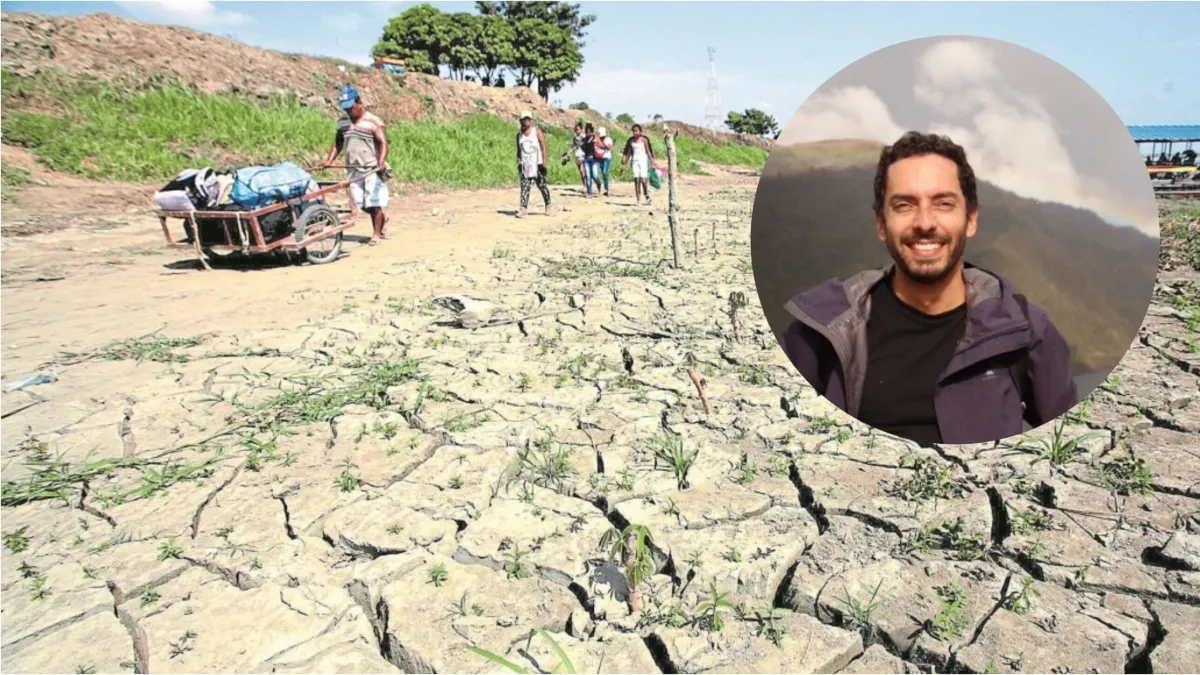
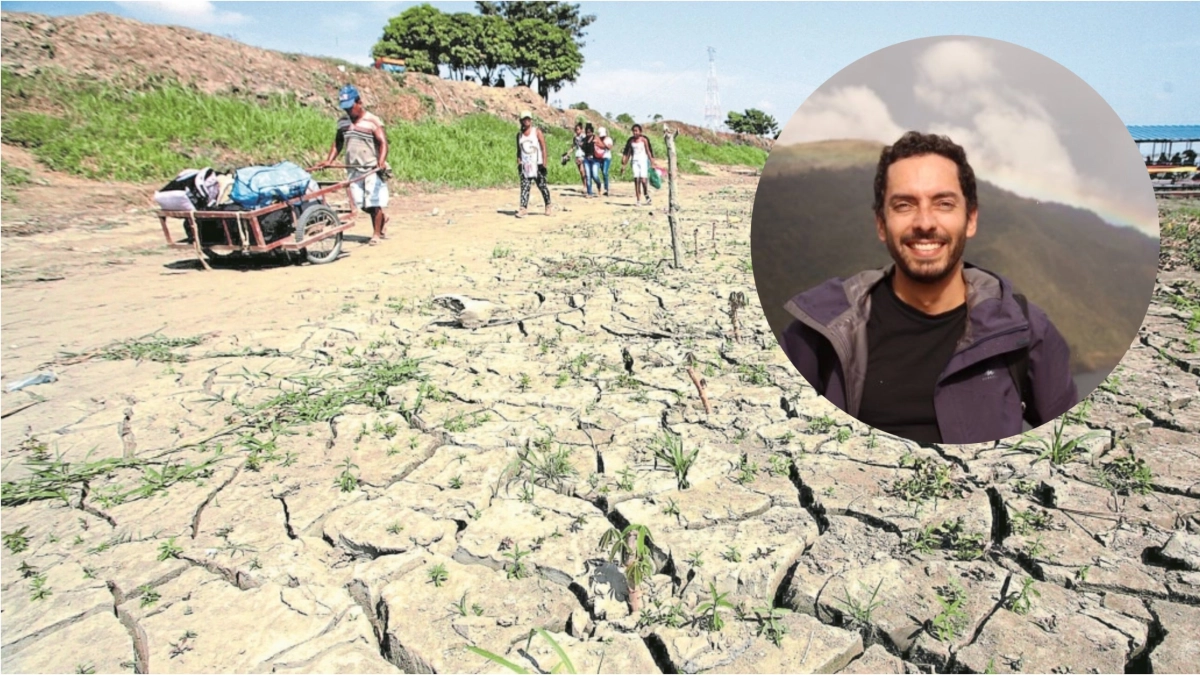
Diego Restrepo Zambrano, a leading expert in water sciences, flood management, and sustainable urban development, paints a sobering picture of the current meteorological landscape. According to Restrepo, the current iteration of the El Niño phenomenon is of an intensity rarely seen in modern history.
"This is not a typical cycle," Restrepo explains. "We are witnessing an exceptionally strong El Niño that will reach a peak of warming in the Pacific Ocean between November and December."

The primary concern among climatologists is not merely the immediate heat, but the "carry-over" effect. The lack of precipitation is expected to continue through the early months of 2027. In many parts of the Andean region, the traditional rainy seasons are projected to be insufficient, meaning that reservoirs will fail to reach the capacity levels required to sustain the population during the subsequent dry season.
"The climate reality is already worrying because we are already beginning to feel the acute lack of rainfall," says Restrepo. "The critical danger is that our water supply systems will enter the months of January and February—historically the driest time of year—with dangerously depleted reserves."

Chronology of Restrictions: From Localized Issues to Metropolitan Strain
The impact of the drought has moved rapidly from rural fringes to the hearts of Colombia’s largest cities. The following timeline outlines the progressive deterioration of water security:
- September 22, 2026: Emcali, the municipal utility of Cali, implements a strict rotation system in the hillside sectors of Comuna 18 and 20. The decision follows a collapse in the flow of the Cali and Meléndez rivers. By September 24, the Cali River’s flow had dropped to 1.52 cubic meters per second, dangerously close to the operational minimum of 1.25. The situation for the Meléndez River is even more dire, recording only 0.18 m³/s against a required minimum of 0.90 m³/s.
- Late September 2026: In Medellín, EPM (Empresas Públicas de Medellín) is forced to reactivate nocturnal water cuts in the northeast and center-east sectors. The measure was triggered by a failure to meet mandatory household savings targets. Authorities have mandated a reduction of 92 liters per day for homes served by the Piedras Blancas reservoir and 70 liters for those dependent on the Riogrande and La Fe systems.
- Ongoing (September 2026): Santa Marta faces a structural emergency. ESSMAR has implemented the temporary closure of the Manzanares River supply line between Tuesdays and Fridays, a desperate attempt to manage the city’s severely diminished water intake.
- Regional Scope: The crisis is systemic. In Santander, 13 municipalities rely entirely on water deliveries via tanker trucks (carrotanques). In Bolívar, 40 out of 46 municipalities have reported widespread shortages, with 15 listed under "Red Alert" and five having formally declared a state of public calamity.
Infrastructure and Resilience: The Case of Bogotá
Bogotá remains a focal point for national stability. The capital depends on two primary systems: the Northern Aggregated System (Magdalena basin) and the Chingaza system (Orinoco basin).
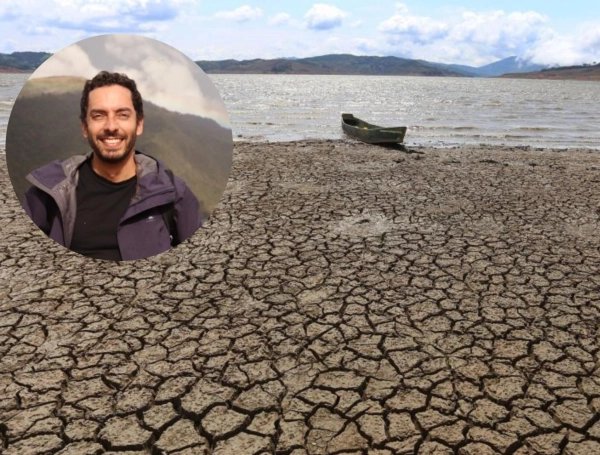
While Bogotá is arguably better prepared than in previous drought cycles due to improved redundancy and an enhanced capacity to treat water from the Bogotá River, it is not "blinded" against disaster. Restrepo notes that while the Chingaza system has benefited from recent rainfall, it cannot sustain the entire city alone.
"Bogotá has been preparing for this scenario and is in a better position than during the previous supply crisis," notes Restrepo. "However, the city is not completely immune to a drought of this magnitude. If the dry season lasts as long as current models predict, we could see the reservoirs reach critically low levels by the end of the next rainy season."
Socio-Economic Implications: Agriculture and Energy
The implications of this drought extend far beyond household faucets. The crisis threatens the very bedrock of the Colombian economy:
1. The Agricultural and Livestock Sector
Agriculture is perhaps the most vulnerable sector. Irrigation needs are spiking while water availability is plummeting. "The agricultural sector is undoubtedly going to be hit very hard," warns Restrepo. "Livestock and the food industry, particularly companies relying on groundwater for beverage production, will face massive disruptions."
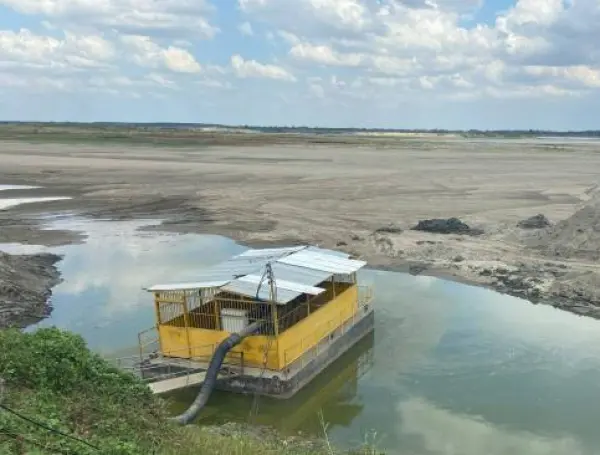
As shortages intensify, the government will be forced to prioritize human consumption over industrial and agricultural use, which will likely lead to a contraction in food supply and a subsequent rise in consumer prices.
2. The Energy Matrix
Colombia’s energy reliance on hydroelectric power—which accounts for approximately 70% of the nation’s electricity generation—is a major source of anxiety. As reservoir levels drop, the pressure on thermal power plants to bridge the gap increases. This transition to thermal energy is not only more expensive but also increases the carbon footprint of the nation’s energy sector. If the water levels in reservoirs continue to fall throughout the first quarter of 2027, the risk of energy rationing or significant price spikes on the wholesale energy market becomes a distinct possibility.
Official Responses and the Call to Action
The current consensus among experts and environmental authorities is that the window for preventive action is rapidly closing.
"I believe it is already late," says Restrepo, "but we must urgently re-launch massive public awareness campaigns regarding water conservation. We need to build a culture of savings that can be sustained throughout the entire duration of this phenomenon."
Restrepo further advocates for a shift in urban planning: "Cities must strengthen their rainwater harvesting systems. We can no longer rely solely on centralized reservoirs that are sensitive to climate volatility. We need decentralized, resilient infrastructure."
Looking Ahead to 2027
The government and utility companies are currently evaluating the capacity of every regional system to withstand the coming months. The goal is to avoid the "local" problems becoming a national emergency. However, as the El Niño phenomenon intensifies, the authorities face a stark reality: if the drought continues to follow the current projections, existing emergency protocols may prove insufficient.

The path forward requires a three-pronged approach: immediate demand-side management (drastic water conservation), supply-side protection (protecting watersheds and preventing forest fires in protected areas), and economic planning to mitigate the impact on food prices and energy costs.
As the country enters the final quarter of 2026, the message from experts is clear: the water crisis is not a temporary inconvenience but a significant test of national resilience. Whether the systems hold or fail will depend on both the severity of the climate, and the collective ability of the Colombian public to adapt their consumption habits to a new, drier reality.
For ongoing updates regarding environmental impacts and local water restrictions, please visit our digital platforms or subscribe to our weekly newsletter for real-time alerts.