
By: Editorial Staff
Updated: September 15, 2026
For centuries, cats have occupied a unique space in human history—worshipped as deities in ancient Egypt, feared as omens in the Middle Ages, and today, reigning as the undisputed monarchs of the internet. Now, this complex relationship has been distilled into a singular, groundbreaking cultural destination: The Museo del Gato (Museum of the Cat) in Mexico City.
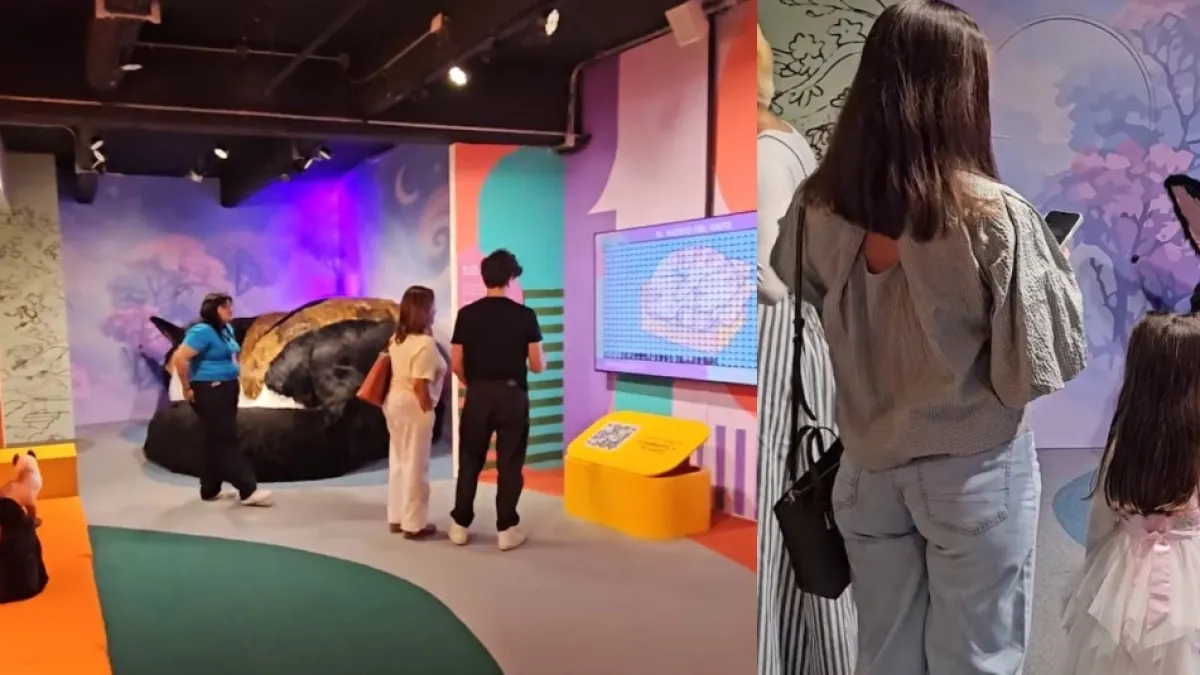
Located in the heart of the capital, this new institution is far more than a simple exhibition of feline curiosities. According to the Cultural Information System of the Mexican Ministry of Culture, it stands as the world’s first truly immersive and sensory-based experience dedicated entirely to the feline universe. By blending cutting-edge technology with deep biological insight, the museum offers a transformative perspective on the creature that shares our homes and, often, our hearts.
A Journey Through Three Dimensions of Feline Life
The Museo del Gato is structured around a meticulously designed three-room circuit, each offering a distinct lens through which to view the feline species. The experience is designed to be sequential, guiding visitors from the dawn of feline evolution to the intimate, daily connections between pets and their owners.

1. Génesis Felina: The Evolutionary Tapestry
The journey begins in Génesis Felina (Feline Genesis). This introductory space serves as an academic and historical anchor, documenting the millions of years of evolutionary refinement that transformed wild predatory cats into the domestic companions we recognize today. The curators have employed sophisticated dioramas and immersive videomapping—a technique that projects light and imagery onto complex surfaces—to illustrate the migration and adaptation of felids across the globe. It is here that visitors begin to understand that the cat sleeping on their sofa is the result of a highly specialized evolutionary process that has remained remarkably efficient for millennia.
2. Instinto Puro: The Sensory Perception
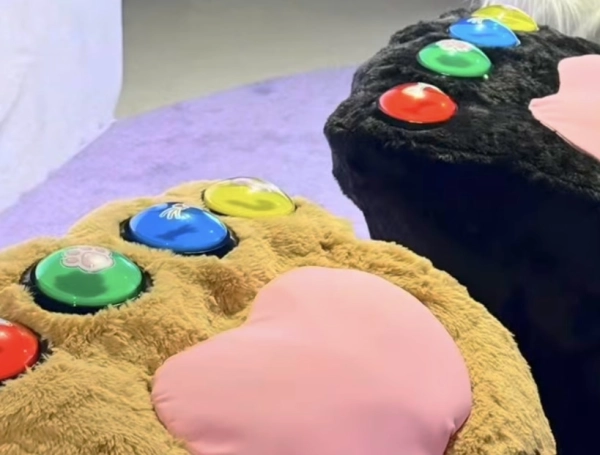
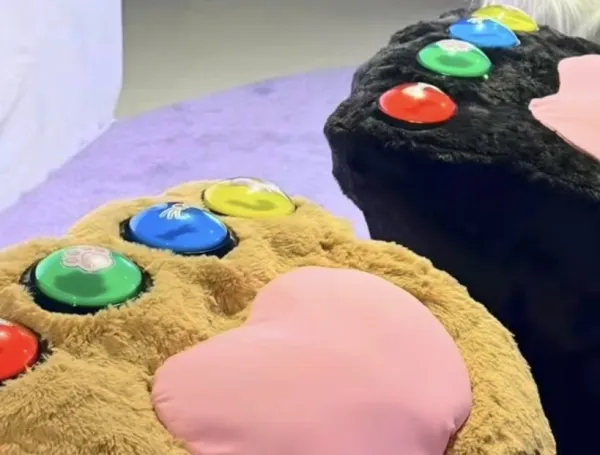
The tone shifts dramatically upon entering Instinto Puro (Pure Instinct). This second chamber is designed to bridge the gap between human perception and feline reality. The goal is to make the visitor "think like a cat." Through interactive arcade-style gaming, visitors learn about the complex world of feline pheromones—the invisible language through which cats map their territories and communicate with one another.
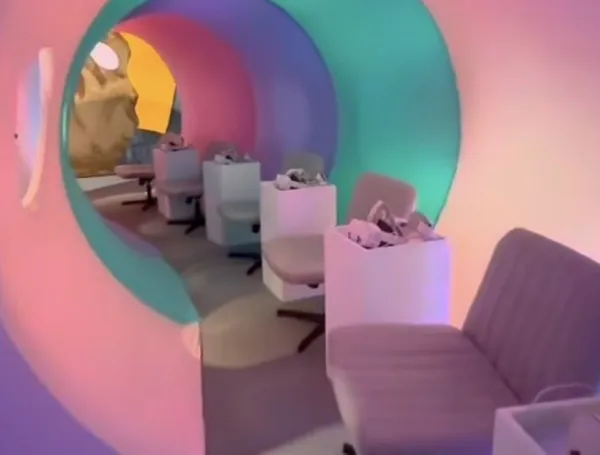
One of the most anticipated attractions in this room is the Domo del Ronroneo (Purr Dome), an acoustic installation that explores the therapeutic and biological mysteries of feline vocalization. Furthermore, the space utilizes high-fidelity virtual reality (VR) to place guests directly into the perspective of a cat. This experience is not merely for entertainment; it is designed to foster empathy, as it simulates the sensory overload of a cat navigating an urban environment, while also highlighting the inherent risks and challenges that domestic animals face when left to roam outdoors.
3. Conexión: The Human-Feline Bond
The final leg of the tour, Conexión (Connection), is an emotional culmination. It features large-scale immersive scenarios and interactive murals where visitors can engage with the exhibit directly. A central feature is a massive, artistic sculpture of "Sissi," the feline muse and guide of the museum. This room serves as a digital community space, allowing visitors to leave a virtual "paw print" of their own pets, creating a growing, collaborative mural that celebrates the millions of cats that anchor human households worldwide.
A Legacy Fifteen Years in the Making
The existence of the Museo del Gato is not a sudden development, but the culmination of a decade and a half of dedicated advocacy and research. The project was spearheaded by journalists Esther Garcilita and Marco Sotomayor, who have been pioneers in feline-centric culture in Mexico since the early 2010s.
Their journey began with La Gatería, an initiative launched in 2012 that started as a specialized retail space. By 2015, they had successfully pivoted to create the first "cat café" in Latin America, a move that helped normalize the presence of cats in public, social spaces and laid the groundwork for a broader cultural movement.

"This museum is really just a small taste of what we ultimately wanted to build," Garcilita remarked during the opening week. "We had so many ideas, so many dreams for this space, and we hope the public enjoys what we have been able to achieve." The original vision for the museum was significantly more expansive, initially conceptualized as a nine-room facility. However, due to the spatial constraints of the urban location, the creators opted to focus on these three high-impact rooms, ensuring that every square meter of the museum provides a rich, information-dense experience.
Beyond Entertainment: Science and Social Responsibility
While the Museo del Gato is an undeniable tourist attraction, its founders are adamant that it serves a higher purpose: public education and animal welfare. The museum’s curriculum includes comprehensive information on responsible pet ownership, debunking long-standing myths that continue to negatively impact the health and treatment of cats.
Perhaps the most significant aspect of the museum’s mandate is its commitment to social impact. In a partnership with El Templo de los Deseos (The Temple of Wishes), the museum directs a portion of its proceeds and all collected donations toward a concrete goal: the acquisition and operation of a mobile sterilization unit. This unit is intended to travel to vulnerable communities throughout Mexico City, providing free or low-cost spay and neuter services for cats and dogs. By turning curiosity into action, the museum is actively working to reduce the population of stray animals in the city.
Implications for Animal Advocacy
The opening of the Museo del Gato comes at a time when the legal and ethical status of companion animals is under intense scrutiny. By providing a platform where people can learn about the biological needs of cats, the museum is contributing to a growing societal trend of viewing pets as sentient family members rather than property.
The museum’s emphasis on the "risks of the outdoors" (highlighted in the VR experience) is a subtle but important pedagogical tool. It advocates for indoor-lifestyle safety, a topic often debated by pet owners. By presenting data-backed risks in an interactive format, the museum manages to influence behavior change without resorting to the confrontational tone often found in activist campaigns.
Practical Information for Visitors
For those planning to visit, the museum is located at Paseo de la Reforma 87, 4th floor, Colonia Tabacalera, Alcaldía Cuauhtémoc, Mexico City. Its location, situated directly opposite the Glorieta de las Mujeres que Luchan, places it in one of the most culturally vibrant areas of the capital.

Visiting Guidelines:
- Capacity Control: To maintain the integrity of the immersive experience, groups are strictly limited to 15 people.
- Scheduling: Access is granted every 15 minutes, and booking in advance is highly recommended.
- Duration: The total tour lasts approximately 45 minutes, a concise window designed to keep the experience engaging and prevent sensory fatigue.
Pricing:
- Monday to Thursday: 350 Mexican pesos.
- Friday to Sunday: 385 Mexican pesos.
- Accessibility: Children under the age of four are granted free entry.
Operating Hours:
- Monday – Friday: 11:00 a.m. to 9:00 p.m.
- Saturday: 10:00 a.m. to 9:00 p.m.
- Sunday: 11:00 a.m. to 8:00 p.m.
Conclusion
The Museo del Gato represents a milestone in the human-feline relationship. It manages to balance the whimsy and affection we feel for these animals with the hard science of their biology and the urgent need for their protection. Whether you are a lifelong "cat person" or simply a curious traveler looking for a unique cultural experience in Mexico City, this museum offers an essential glimpse into the mysterious, graceful, and often misunderstood world of the domestic cat. As the museum continues to evolve, it stands as a testament to the fact that when we take the time to understand our animal companions, we inevitably learn a great deal more about ourselves.