By Global Affairs Desk
Published: November 5, 2026
Updated: November 5, 2026
Main Facts
Spain, consistently ranked among the world’s most sought-after tourism powerhouses, is fundamentally pivoting its national travel strategy. Rather than prioritizing an ever-increasing volume of arrivals, the Spanish government has officially unveiled its comprehensive roadmap, España Turismo 2030. Presented on Thursday, November 5, 2026, in Medellín, Colombia, the new strategic vision aims to decouple the sector’s future growth from sheer visitor numbers. Instead, the focus is squarely shifted toward maximizing economic yield, fostering environmental and social sustainability, distributing wealth to non-traditional regions, and deeply integrating local communities into the tourist experience.
The core tenets of the strategy were detailed by Jesús Adrián Delgado, Tourism Counselor for Turespaña in Colombia and Venezuela. According to Delgado, the country’s future success will not be measured by breaking historical records of inbound crowds, but by the quality of experiences delivered and the tangible economic benefits retained by local populations.
At the heart of this pivot is a human-centric approach. Spain’s tourism sector directly employs approximately three million people, representing three million families whose livelihoods depend on the health and direction of the industry. By redefining tourism through the lenses of triple sustainability—social, economic, and environmental—Madrid hopes to preserve its global competitiveness while ensuring that residents are active beneficiaries rather than passive observers of mass tourism.

Chronology
The rollout of the España Turismo 2030 framework represents the culmination of years of internal debate regarding overtourism, local displacement, and the environmental strains placed on historic urban centers and coastal hotspots.
- Pre-2024 (The Overtourism Pressure Cooker): Following the post-pandemic travel rebound, major Spanish cities like Barcelona, Madrid, Seville, and coastal regions like the Balearic Islands experienced unprecedented surges in visitor numbers. Public pushback grew steadily, with residents protesting the soaring cost of living, housing shortages fueled by short-term rentals, and the transformation of authentic neighborhoods into tourist-centric zones.
- Late 2024 – 2025 (Strategic Realignment): Turespaña and the Ministry of Industry and Tourism began drafting targeted policies aimed at curbing passive, low-yield tourism. Discussions intensified around promoting lesser-known autonomous communities and prioritizing luxury, cultural, and gastronomic segments that command higher spending with lower physical footprints.
- November 4, 2026 (Precursor Indicators): Data released regarding international travel patterns highlighted a significant shift in traveler behavior, particularly from Latin American markets, where average stays grew longer and interest in experiential travel surged.
- November 5, 2026 (Official Presentation in Medellín): Turespaña formally launched the España Turismo 2030 strategy internationally. By choosing Medellín, Colombia, as the launchpad, the Spanish government underscored the strategic importance of the Latin American luxury and experiential market, explicitly targeting high-value visitors from countries like Colombia and Mexico.
Supporting Data
The necessity for a structural shift is underscored by stark demographic and geographic disparities within Spain’s tourism landscape. Key data points highlighted during the presentation include:

- Employment Impact: Approximately 3 million people work directly within Spain’s tourism sector, making it a foundational pillar of national employment and family stability.
- Geographic Imbalance: 32 percent of the Spanish population resides in autonomous communities outside of the country’s traditional, highly saturated tourist destinations. However, these same emerging regions capture a meager 13 percent of international visitors. The 2030 strategy aims to bridge this massive gap.
- Latin American Luxury Market: In 2025, Latin America accounted for 50 percent of Spain’s total luxury tourism market, with Mexico and Colombia emerging as prime feeder markets for high-end, personalized travel experiences.
- Gastronomic Engagement: Cultural appetite remains exceptionally high among regional travelers. Data reveals that nearly 50 percent of Colombian tourists who visited Spain in the preceding year participated in structured gastronomic excursions, farm-to-table tours, or culinary-focused activities.
- Global Promotional Infrastructure: Turespaña continues to anchor its international marketing efforts through a robust global network comprising 33 specialized tourism consulates worldwide.
Official Responses
The unveiling of the 2030 roadmap has drawn significant attention from diplomatic, economic, and tourism officials, who emphasize that the transition is not merely a marketing adjustment, but a profound structural necessity.
Jesús Adrián Delgado emphasized that the old metrics of success are obsolete. "More than increasing the number of tourists exponentially, let’s bet on quality, let’s bet on tourism spending," Delgado stated during his keynote address in Medellín. He noted that the industry must be acutely aware of its footprint on urban neighborhoods: "The tourism sector has to be conscious of its externalities in neighborhoods, and we have to be conscious of how citizens view and feel tourism. We cannot allow it to be posed solely as a negative externality."
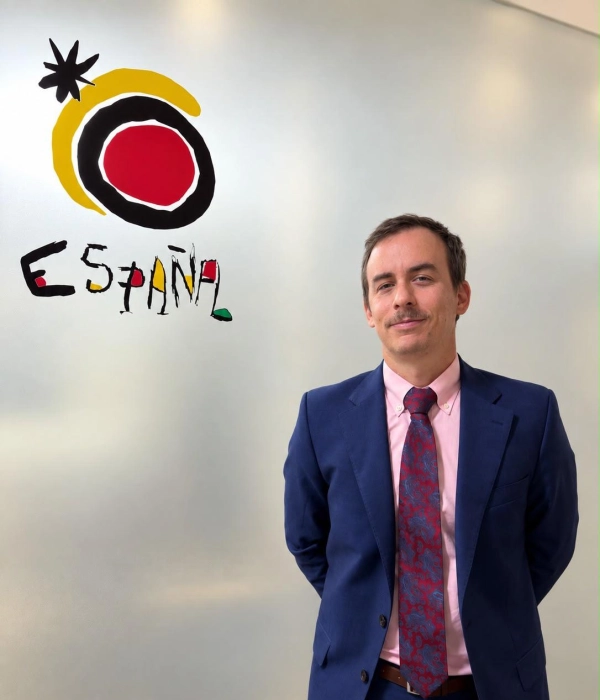
Addressing the economic distribution of tourism revenue, Delgado stressed the importance of grassroots participation. "The best way for people to understand that tourism is good for everyone is for people to obtain an economic benefit from it," he remarked.
On the subject of sustainability as a whole, Delgado offered a definitive guiding philosophy for the next four years: "Sustainability is not a slogan; it is concretized with governance, investment, and coexistence."

Implications
The transition toward the España Turismo 2030 model carries profound domestic and international implications for travelers, investors, local communities, and trade partners.
1. Diversification of Domestic Travel
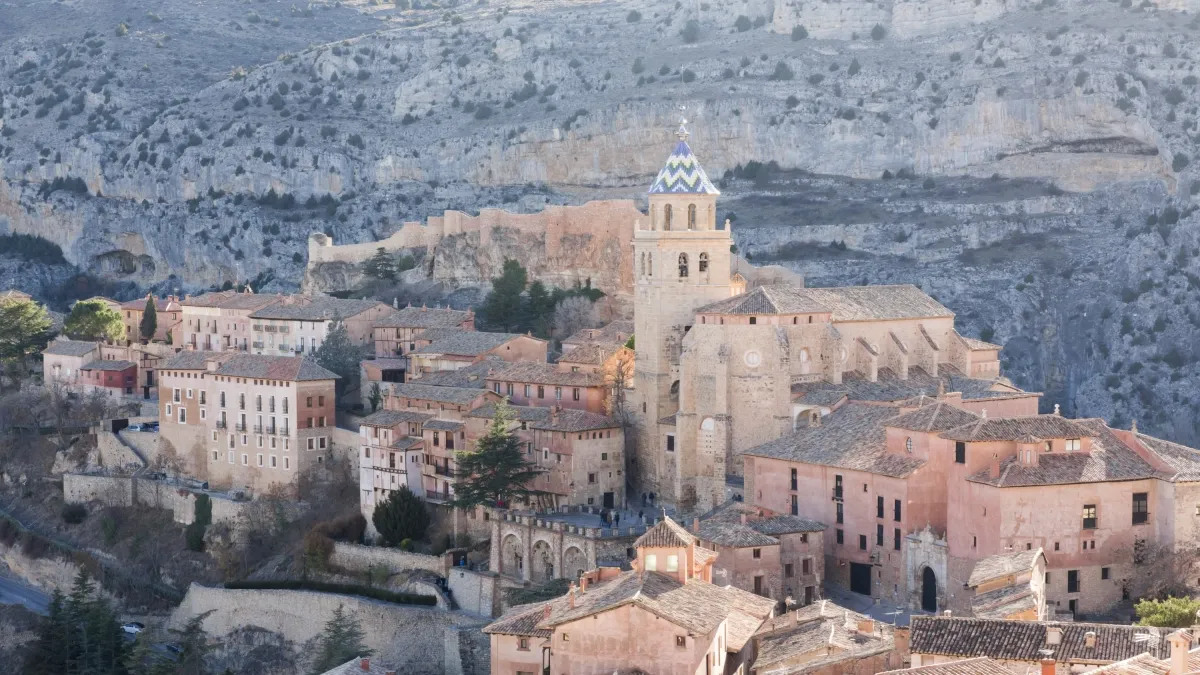
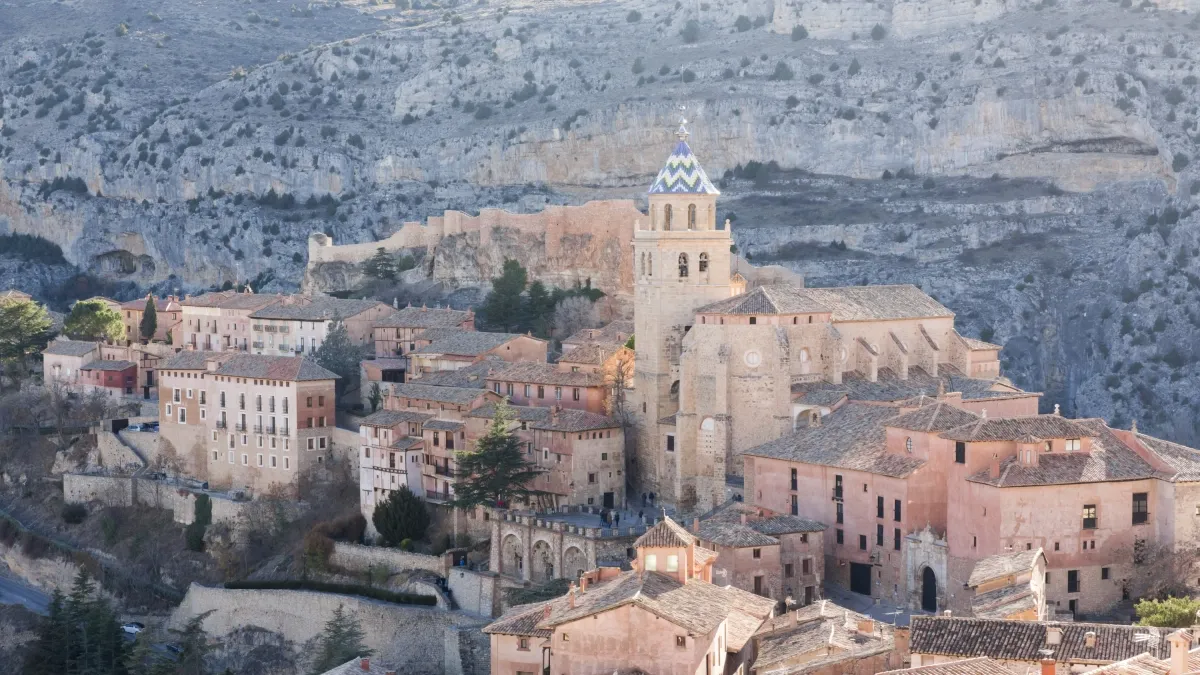
By deliberately channeling international attention away from overcrowded coastal strips and historical urban centers, Spain hopes to revitalize rural economies. Regions that currently capture only 13 percent of international arrivals stand to gain substantial infrastructure investments, creating new hubs for sustainable rural tourism, eco-lodges, and heritage preservation.

2. Elevating Traditional Craftsmanship and Authentic Luxury
The strategic integration of local artisans into high-end tourism itineraries represents a major evolution in how "luxury" is packaged. Rather than associating luxury exclusively with five-star hotels and designer retail outlets, Spain is marketing authenticity. By visiting local workshops, engaging directly with master craftspeople, and purchasing handmade goods whose origins are traceable, high-end travelers contribute directly to the survival of endangered cultural trades. This provides generational artisans with a stable economic lifeline.
3. Strengthening Ties with Latin America
The choice to launch the strategy in Colombia highlights a concerted diplomatic and commercial outreach to Latin America. With half of Spain’s luxury market originating from the region, tailored campaigns focusing on shared linguistic, cultural, and culinary ties are expected to intensify. The rising popularity of gastronomic tourism among Colombian and Mexican travelers proves that visitors from the region are looking for immersive, narrative-driven vacations rather than generic sightseeing.

4. Mitigating Overtourism and Social Friction
Perhaps the most critical implication is domestic social relief. By implementing better governance and managing community feedback, the Spanish government aims to cool the intense anti-tourism sentiment that has bubbled over in cities like Barcelona. Ensuring that residents see tangible economic rewards—while simultaneously capping or better managing sheer visitor density—will be vital to preserving social cohesion in tourist-heavy municipalities.
Ultimately, España Turismo 2030 is more than a tourism plan; it is a blueprint for the future coexistence of global travelers and local residents, proving that the future of world-class travel lies not in how many people arrive, but in the lasting, positive footprint they leave behind.