By Investigative Desk, EL TIEMPO
In a major coordinated operation aimed at dismantling the logistical chains of illicit armed groups, the Colombian Armed Forces have successfully intercepted a significant shipment of narcotics in the remote waters of the Orinoco River. The operation, which involved multiple branches of the military and law enforcement, resulted in the seizure of over 700 kilograms of marijuana and the arrest of two individuals, marking a strategic victory in the ongoing campaign to secure the nation’s riverine corridors.
The Operation: A Multi-Agency Strike in the Vichada Department
The operation took place in the vicinity of the Zama settlement, located within the municipality of Cumaribo, Vichada. This region, characterized by its dense river networks and proximity to the Venezuelan border, has long been a strategic transit point for criminal organizations looking to move illicit cargo undetected.
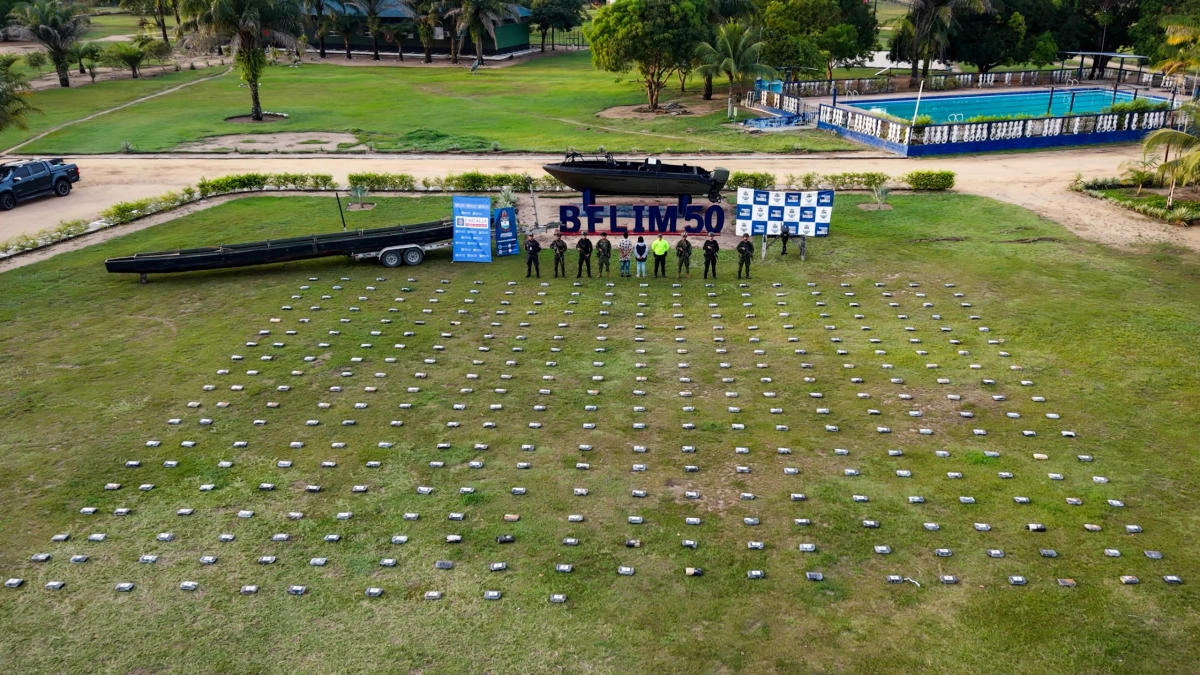
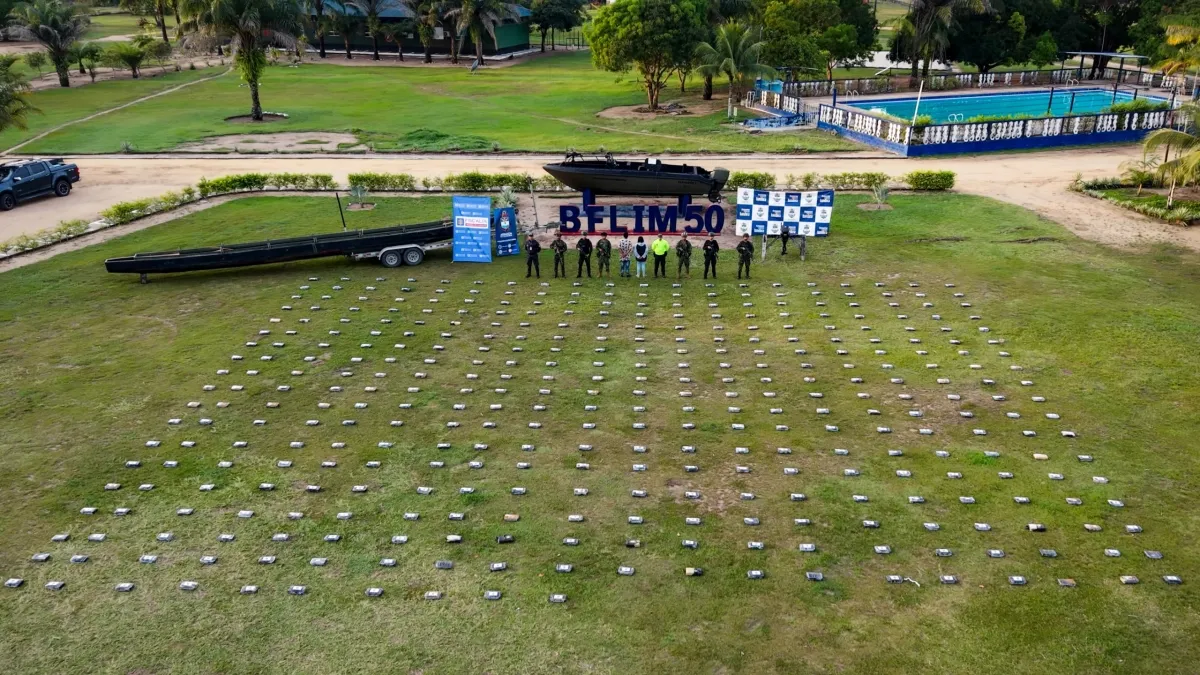
According to official reports from the Colombian Navy, the interdiction was the result of high-level intelligence sharing and a complex tactical maneuver. Units from the Navy’s 5th Marine Infantry Brigade and the 50th Fluvial Infantry Battalion spearheaded the intercept. However, the success of the mission relied heavily on the support of the Colombian Air Force’s Eastern Air Group and the 43rd Motorized Infantry Battalion of the National Army. The coordinated effort, supported by the National Police, allowed authorities to surround the vessel before it could maneuver into safer, more clandestine waters.
Chronology of the Interception
The operation unfolded over several tense hours in the challenging geography of the Orinoco River basin.
- Initial Detection: Following weeks of intelligence gathering regarding a suspicious vessel navigating the Orinoco, military sensors and patrol units established a blockade.
- Tactical Interception: As the vessel approached the Zama sector, marine units signaled the craft to stop. The suspects attempted to evade the blockade, leading to a pursuit on the river.
- Boarding and Search: Once the vessel was secured, specialized teams conducted a physical inspection. While the exterior of the boat appeared to be carrying legitimate supplies, the crew’s behavior prompted a deeper search.
- Discovery of the Double Hull: Utilizing specialized tools, personnel identified an anomaly in the structure of the boat. Upon dismantling sections of the floorboards, they discovered a sophisticated, concealed double-bottom compartment containing hundreds of tightly wrapped packages.
- Transport and Verification: The vessel, the detained individuals, and the seized cargo were transported to the El Coco sector in Inírida, Guainía. There, the Technical Investigation Corps (CTI) of the Attorney General’s Office conducted a Field Identification Test (PIPH), which officially confirmed the substance to be high-grade marijuana.
Supporting Data: The Scale of the Seizure
The logistical complexity of the operation highlights the scale of the illicit enterprise being targeted. The final tally of the seizure was 728.2 kilograms of marijuana.

Beyond the raw weight, the economic impact on the criminal structure is substantial. Military estimates suggest that the street value of this cargo, had it reached its final destination, would have funneled approximately $7.6 million USD into the coffers of the criminal organization. Furthermore, the seizure prevents the potential circulation of more than 120,000 individual doses of the narcotic, a figure that underscores the public health and social security implications of the military’s success.
The two individuals arrested during the operation—a Colombian man and a Venezuelan woman—remain in custody, facing charges of drug trafficking and illegal possession of controlled substances. Their identities are being withheld as the investigation into their specific roles within the network continues.
Official Responses and Strategic Implications
The high command of the Colombian Armed Forces has pointed to this operation as evidence of the "Edison Umaña" structure of the "Segunda Marquetalia" attempting to reassert its influence in the eastern plains.
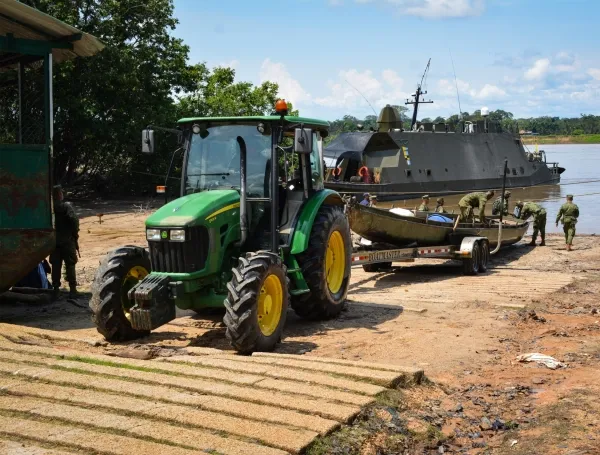
"This operation is a direct blow to the financial backbone of the Segunda Marquetalia," stated a spokesperson for the Navy. "By severing their logistical routes in the Vichada, we are not just seizing drugs; we are disrupting the ability of these armed groups to purchase weapons and sustain their insurgency."
The "Segunda Marquetalia," a dissident group formed by former members of the FARC who abandoned the 2016 peace process, relies heavily on the trafficking of narcotics to fund its operations. Intelligence suggests that this particular shipment was destined for Venezuela. Once in Venezuelan territory, the drugs were expected to be transferred to larger criminal networks that control clandestine airstrips, facilitating the movement of the product toward the lucrative markets of Central America and the United States.
The Nexus of Crime and Geography
The Orinoco River, serving as a natural border, presents a unique challenge for law enforcement. The porous nature of the border allows for "fluid" criminal activity, where vessels can cross between jurisdictions in a matter of minutes.
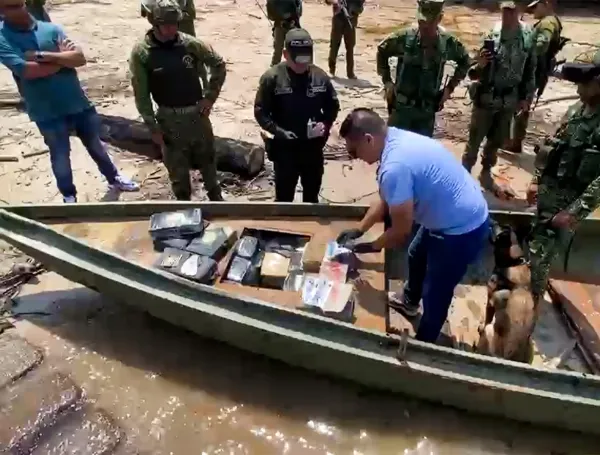
The reliance on double-bottomed boats is a common tactic among traffickers in this region. These modifications allow smugglers to hide contraband while maintaining the appearance of local river traffic. However, the military’s increased use of aerial surveillance, provided by the Colombian Air Force, has made these "hidden" compartments increasingly visible to thermal and high-resolution imaging technology.
Impact on Regional Security
The broader implications of this seizure reach beyond the immediate loss of revenue for the "Segunda Marquetalia." It represents a strategic hardening of the Orinoco corridor, a route that has become increasingly critical as other traditional drug-trafficking routes in the Andes are subjected to intense scrutiny and eradication efforts.
Security analysts suggest that as Colombia continues to pressure criminal groups in the interior, these organizations are shifting their logistical hubs toward the border regions. The cooperation between the Army, Navy, Air Force, and Police in this instance serves as a blueprint for future operations. By integrating assets from different branches, the state can overcome the limitations imposed by the harsh, remote environment of the Vichada and Guainía departments.

A Persistent Threat
Despite this significant seizure, the threat posed by the "Segunda Marquetalia" and other criminal organizations remains high. The group’s ability to recruit across borders, as evidenced by the nationality of the detainees, highlights the transnational nature of the drug trade.
The Colombian government has reiterated its commitment to dismantling these groups through a "zero-tolerance" policy regarding the use of national waters for illicit transit. As the investigation progresses, authorities hope that the information extracted from the two detainees will lead to the capture of high-ranking members of the "Edison Umaña" structure.
The success of the operation in Zama serves as a reminder of the vital role played by the men and women of the Colombian Armed Forces in maintaining order in the most isolated corners of the country. While the fight against narcotics trafficking is a Sisyphean task, each shipment intercepted, such as this one, represents a concrete step toward diminishing the power of those who seek to destabilize the nation through violence and illicit enrichment.

As of the date of this report, the two detainees have been presented before a judge of control of guarantees, where the prosecution will seek to formalize their detention in a high-security facility. The investigation into the origin of the marijuana, the labs responsible for its processing, and the destination network remains ongoing, with authorities working in close coordination with international counterparts to trace the links of this criminal web.