Panama has long been a favored destination for travelers across Latin America, particularly from Colombia. Historically, the nation’s appeal was largely synonymous with its bustling, cosmopolitan capital—Ciudad de Panamá—famed for its engineering marvel, the Panama Canal, its modern skyline, and vibrant shopping districts. However, a significant shift in traveler behavior is currently reshaping the country’s tourism landscape. Today, international visitors are increasingly eager to venture beyond the urban core, seeking out niche experiences, untouched biodiversity, and immersive regional cultures.
At the forefront of this geographical and experiential expansion is Boquete, a breathtaking mountain town nestled in the northern highlands of the Chiriquí province. Long cherished by local agriculturalists and expatriates, Boquete is rapidly evolving into a premier global hub for sustainable luxury tourism, wellness retreats, and world-class specialty coffee culture.
This evolution is not happening in a vacuum. It is supported by a synchronized national strategy aimed at decentralizing tourism, bolstering regional infrastructure, and expanding international air connectivity. Notably, the recent announcement by regional carrier Satena regarding its first-ever international route connecting Montería, Colombia, to Panama, alongside Copa Airlines’ robust hub operations at Tocumen International Airport and its popular Panama Stopover program, has made reaching these hidden provincial gems easier than ever before.
By marrying high-end hospitality with environmental stewardship, Boquete is setting a new benchmark for sustainable development in Central America, proving that luxury and ecological preservation can coexist harmoniously.
Chronology: The Evolution of Boquete as a Smart and Sustainable Destination
To understand how Boquete reached its current status as a beacon of sustainable luxury, it is essential to trace the strategic milestones that have shaped its development over recent years:
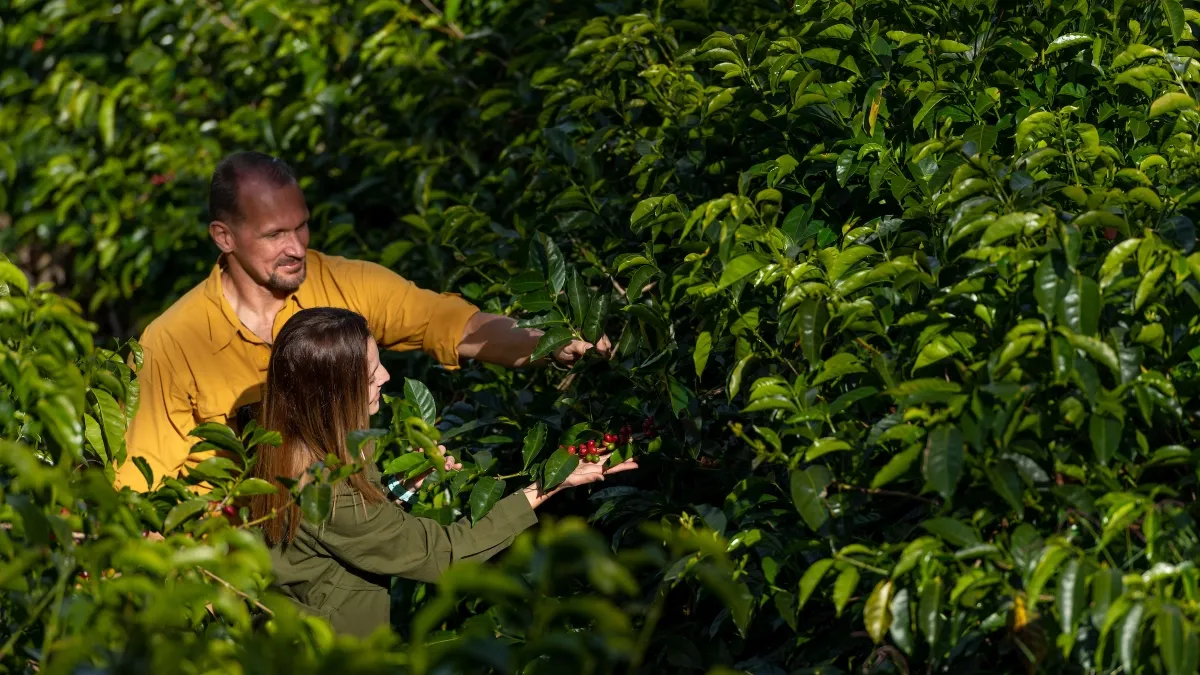
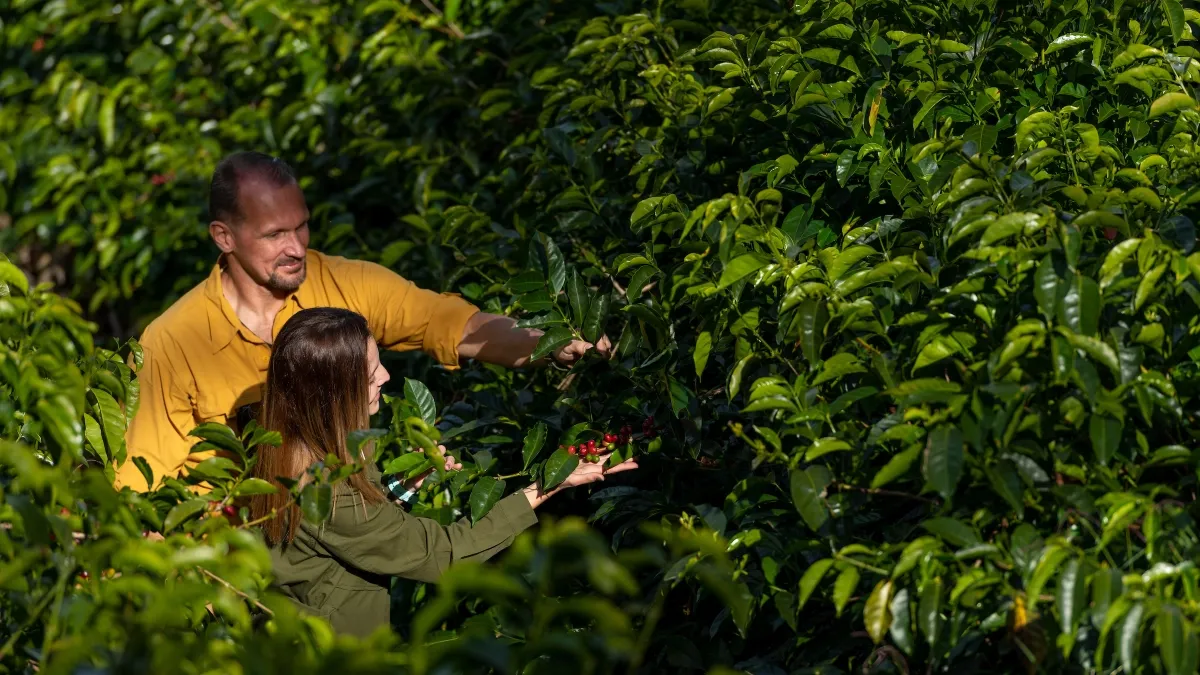
The Agricultural Foundation (Pre-2010s): For decades, Boquete’s economy and global reputation rested almost entirely on its rich volcanic soil. Famed for producing some of the world’s most sought-after and expensive coffees—such as Geisha variety beans—the region was primarily a destination for agricultural tourists, agronomists, and hardcore birdwatchers.
The Rise of Expatriate Communities and Boutique Real Estate (2010–2020): Driven by its perpetual spring-like climate, safety, and dramatic mountain landscapes, Boquete gradually attracted an influx of international retirees and remote workers. This demographic shift catalyzed the development of high-end residential and recreational projects, most notably master-planned communities like Lucero Golf & Country Club, which introduced high-altitude athletics and wellness into the local lifestyle framework.
Post-Pandemic Tourism Revitalization and Connectivity (2021–2024): As global travel resumed, the Panamanian government intensified its push for regional diversification. Strategic tourism campaigns targeted neighboring South American markets, leveraging enhanced airline routes. During this period, regional authorities recognized the urgent need to transition Boquete from a traditional mountain retreat into a technologically advanced destination.
The Launch of Digital Transformation and Boquete Experience (2025–2026): In a major leap toward modernization, private initiatives spearheaded the creation of Boquete Experience. This unified digital platform established a single point of entry for tourists, effectively transforming Boquete into one of Central America’s pioneering "smart destinations." Concurrently, global coffee initiatives like La Cosecha and international events such as World of Coffee cemented the region’s branding as the unofficial "World Coffee Capital."
The Luxury Expansion Era (Present Day): Today, Boquete is entering its most ambitious phase. The region is actively integrating international luxury hotel brands, specialized health and wellness resorts, and advanced digital booking ecosystems, catering to a sophisticated class of travelers who demand ecological responsibility without sacrificing modern comforts.
Supporting Data: Metrics, Connectivity, and Market Trends
The transformation of Boquete and the broader decentralization of Panama’s tourism sector are underpinned by robust data and strategic logistical frameworks:
Air Connectivity Growth: Copa Airlines continues to anchor regional travel through the Tocumen International hub, which connects dozens of Latin American and North American cities. The addition of Satena’s inaugural international route linking Montería (Colombia) to Panama signifies an ongoing effort to tap into secondary source markets in the Andean region.
The Panama Stopover Impact: According to the Panama Tourism Authority, promotional programs like the Panama Stopover—which allows travelers to visit Panama for up to seven days at no additional airfare on their way to another destination—have successfully funneled hundreds of thousands of international transit passengers into the local economy, driving interest past the capital.
Economic Decentralization Targets: National tourism strategies emphasize that regional destinations like Chiriquí retain a higher percentage of direct tourism revenue within local communities, empowering small-scale farmers, local tour operators, indigenous artisans, and boutique hospitality providers.
Coffee Valuation Metrics: Chiriquí’s specialty coffees, particularly Geisha lots, routinely break global auction records, fetching thousands of dollars per pound. This agricultural prestige acts as a powerful economic magnet, drawing specialty roasters, culinary tourists, and affluent investors from Asia, North America, and Europe.
Digital Integration (Boquete Experience): The centralized digital portal currently integrates over 80% of formal local service providers—spanning boutique eco-lodges, guided coffee estates, adventure circuits, and wellness centers—drastically reducing friction for international travelers planning bespoke itineraries.
Official Responses: Perspectives from Government and Industry Leaders
The vision for Boquete’s future is shared enthusiastically by both public sector leaders and private enterprise visionaries who recognize the region’s immense potential.
In an exclusive interview with EL TIEMPO, Gloria de León, Minister of Tourism of Panama, emphasized the government’s commitment to showcasing the country’s diverse provincial identity:
"Panama is a country ready to welcome visitors across its entire territory, not just in the capital. Our strategy is designed to ensure the economic benefits of tourism flow directly into the regions, highlighting the identity, culture, and natural wealth of every province," stated De León.
Commenting specifically on the integration of Boquete, the minister outlined the foundational pillars of the region’s success:
"In the case of Boquete and the Chiriquí province, we are heavily banking on consolidating local value through specialty coffee—our flagship product. Platforms like La Cosecha are positioning this region as the World Coffee Capital. Furthermore, through private initiatives like Boquete Experience, we have created a single digital entry point that connects travelers directly with formal businesses in lodging, coffee circuits, and wellness centers, placing Boquete at the forefront of smart destinations in Central America."
Private sector leaders are equally bullish on this transformation. Sandeep Lal, CEO and developer of Lucero Homes, highlighted how projects in the region are catering to a more discerning, environmentally conscious traveler:
"Boquete offers a quieter, more refined option for those seeking nature without isolation, world-class golf, and some of the finest dining outside of Panama City, completely free of urban noise and crowds," Lal explained.
He elaborated on the upcoming expansions designed to elevate the region’s profile:
"Our purpose is to help more people discover this destination and live an experience that blends nature, wellness, and hospitality. Projects like Lucero are expanding organic orchards and coffee plantations while preparing for the arrival of internationally branded luxury hotels and specialized health and wellness resorts."
Implications: What This Means for Travelers, Investors, and the Environment
The rapid ascent of Boquete as a hub for sustainable luxury and smart tourism carries profound implications for multiple stakeholders:
1. For the International Traveler
Travelers are increasingly fatigued by over-tourism in traditional global hotspots. Boquete offers a compelling antidote: an immersive, crowd-free sanctuary where high-altitude adventure meets refined hospitality. Whether engaging in birdwatching expeditions to spot the elusive Resplendent Quetzal, participating in private coffee-cupping masterclasses, or unwinding at wellness retreats, visitors gain access to authentic, high-value experiences that prioritize mental and physical well-being.
2. For Regional Investors and Real Estate
The pivot toward sustainable luxury has unlocked unprecedented investment opportunities in Chiriquí. Master-planned developments that incorporate renewable energy, organic agriculture, and low-density architectural footprints are proving exceptionally attractive to foreign investors looking for secondary residences or retirement havens. As international hotel chains establish footholds in the highlands, property values and economic stability within the province are expected to see sustained, healthy growth.
3. For the Environment and Local Communities
Perhaps the most critical implication of Boquete’s model is its emphasis on sustainability. By utilizing digital platforms like Boquete Experience to promote formal, eco-certified operators, the region ensures that tourism growth does not come at the expense of its delicate cloud forests and watershed ecosystems. Furthermore, by centering the tourism experience around agricultural heritage—specifically specialty coffee—the local economy remains deeply tied to land preservation, ensuring that traditional farmers and indigenous communities reap the rewards of global exposure without losing their cultural integrity.
Ultimately, Boquete’s journey serves as a masterclass in modern destination management. By thoughtfully balancing technological innovation, ecological conservation, and upscale hospitality, Panama is successfully demonstrating that the future of travel lies far beyond the boundaries of the capital city.
In the modern era, the "digital disconnect" that once defined air travel—the period between takeoff and landing when passengers were severed from the digital world—is rapidly becoming a relic of the past. As airlines worldwide…
By Edwin Caicedo Environment and Health Journalist Updated: September 8, 2026 Main Facts When travelers envision the global capitals of winemaking, their imaginations naturally drift across continents and climates. Some picture the historic châteaux of…
By Angie Rodríguez | Travel & Trends Department Updated: September 10, 2026 Costa Rica’s lush Pacific coastline is set to welcome a new pinnacle of ultra-luxury hospitality. Global hospitality giant Hilton has officially announced the…