By Economic Reporting Desk
September 15, 2026
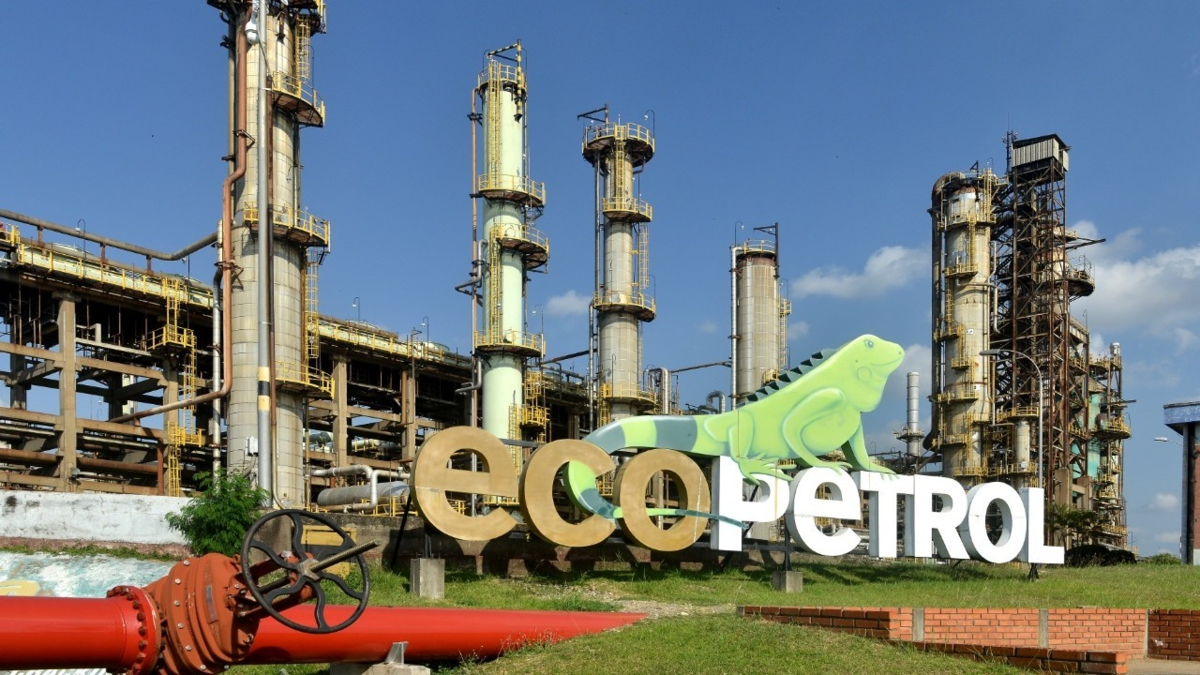
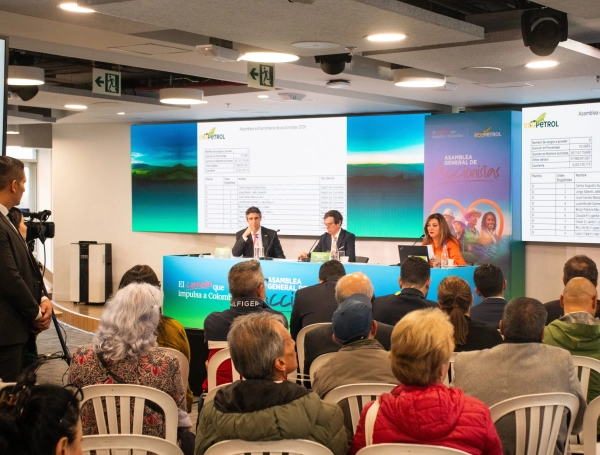
In a move that marks a decisive turning point for Colombia’s energy landscape, the Extraordinary Shareholders’ Assembly of Ecopetrol—the nation’s largest integrated oil and gas company—convened this Tuesday in Bogotá to formalize a sweeping transition in its corporate governance. The assembly, attended by 72 key shareholders, resulted in the appointment of six new members to the company’s Board of Directors, a strategic overhaul proposed by the administration of President Abelardo de La Espriella.
This restructuring represents more than a mere change in personnel; it signals a fundamental shift in the company’s administrative trajectory as it navigates a volatile global energy market, local operational challenges, and a pressing need to restore investor confidence following a series of high-profile corruption allegations that have plagued the firm in recent months.
A New Guard: The Six Appointees
The assembly confirmed the entry of a new group of directors whose professional backgrounds suggest a move toward technical consolidation and political alignment with the current administration. The incoming members are Carlos Augusto Suárez, José Camilo Manzur, Jorge Alberto Jaller, Ludmila del Carmen Vergara, Betzy Patricia Martínez, and Claudia Margarita Lafaurie.

These appointments are expected to shape the future of the company’s exploration, production, and transition strategies. Market analysts suggest that the composition of this new board reflects a deliberate effort to bridge the gap between the government’s ambitious energy agenda and the practical, fiscal realities of maintaining a state-owned oil giant in an era of transition.
The Continuity Anchor: Retaining Institutional Memory
Amidst the sweeping changes, the assembly opted to preserve a degree of continuity by ratifying three key members of the existing board. This decision is viewed by industry experts as a tactical effort to provide stability during the transition.

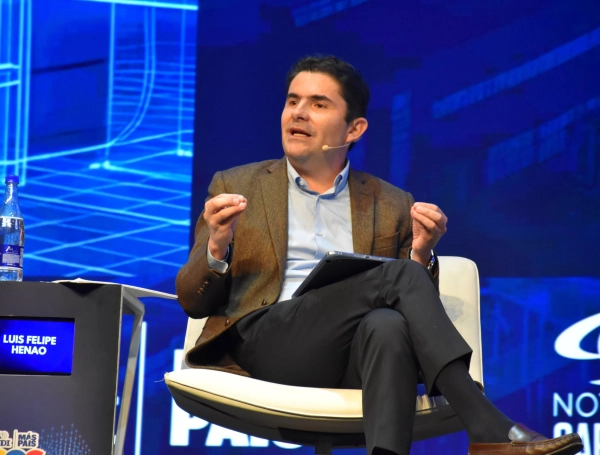
- Luis Felipe Henao: Confirmed as President of the Board of Directors. Henao remains the primary voice for minority shareholders, serving as a critical bridge between public interest and private investment.
- Ricardo Rodríguez Yee: Ratified as the representative for the oil-producing departments. His presence is vital to maintaining the social license to operate in regions where Ecopetrol’s infrastructure is most concentrated.
- César Loza: Retained as the representative for the company’s workforce. His ratification received significant support from labor organizations, most notably the Unión Sindical Obrera (USO).
Chronology of a High-Stakes Transition
The road to this extraordinary assembly was paved by weeks of tension and intense political maneuvering.
- August 2026: Preliminary discussions began regarding the need for a leadership refresh at the board level. Rising concerns over the company’s operational efficiency and the impact of the El Niño climate phenomenon on energy prices heightened the urgency.
- Early September 2026: Public discourse reached a fever pitch following news of extortion attempts against Ecopetrol’s critical gas infrastructure in the Sirius project. The government signaled that a board restructure was necessary to better manage both internal governance and external threats.
- September 15, 2026: The Extraordinary Assembly officially convened at Ecopetrol’s headquarters in Bogotá. Unlike the ordinary assembly in March, which drew over 2,000 attendees, this smaller, more focused gathering prioritized swift decision-making to address the board’s composition.
- Post-Assembly: The newly constituted board is now tasked with convening its first official session to set the agenda for the final quarter of 2026, with a focus on long-term reserve replacement and capital expenditure (CAPEX) management.
Labor Union Perspectives: Stability and Growth
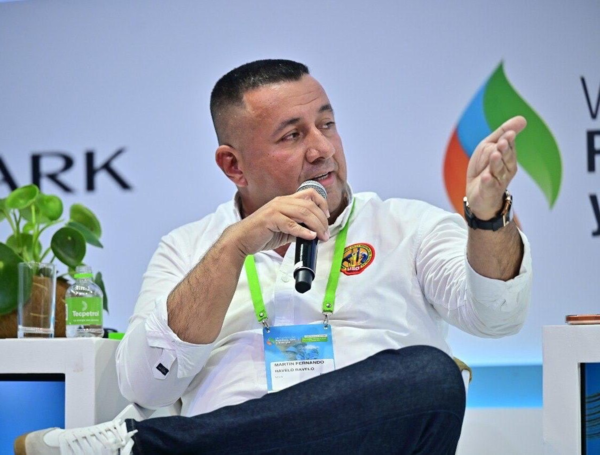
Martín Ravelo, president of the Unión Sindical Obrera (USO), was a prominent voice during the assembly. His endorsement of César Loza’s continuity underscored the workers’ desire for stability.
"We are respectful of the composition of the new board, and we are holding high expectations regarding its operational effectiveness," Ravelo noted. The labor leader emphasized that the workers’ primary focus remains the strengthening of the core business. He underscored the need to increase oil and gas reserves, pointing out that in the current Colombian reality, fossil fuels still account for over 80% of the national energy matrix.
Ravelo’s comments also touched on the broader challenge of reputation management. He expressed confidence that this new board would have the authority and mandate to steer the company away from the shadows of corruption scandals, focusing instead on the strategic imperative of energy security.

Supporting Data: The Fiscal Reality
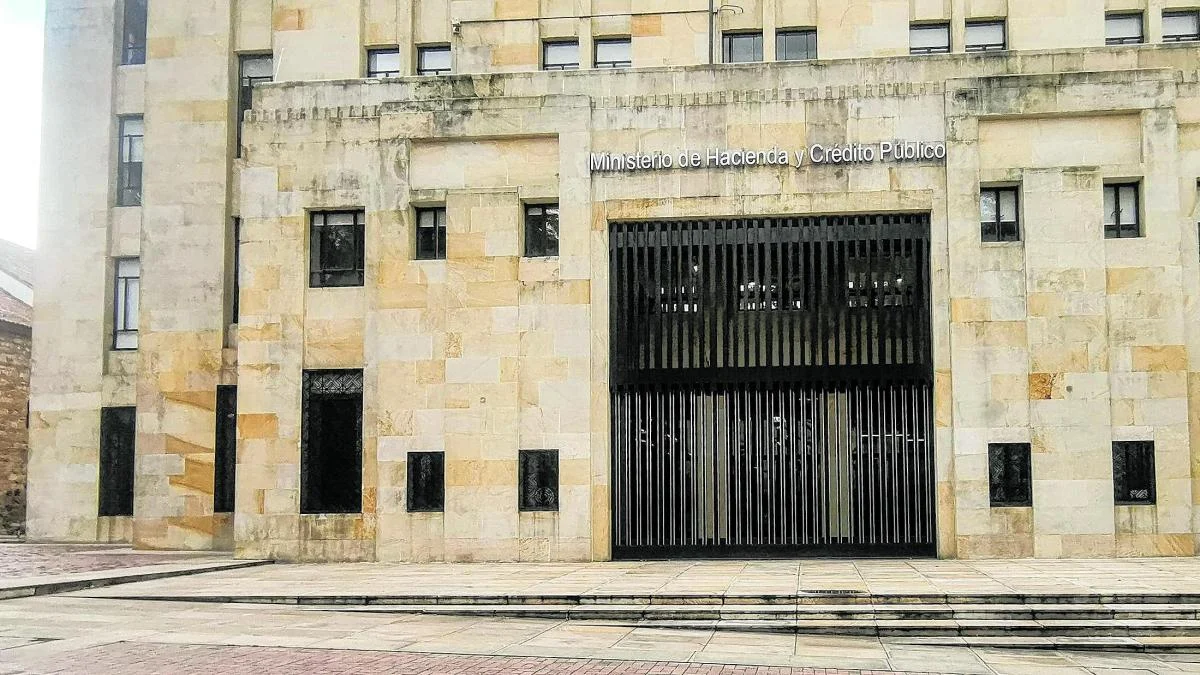
The context for this reshuffle is a challenging economic environment. Carlos Alberto Castellanos, Secretary General of the Ministry of Finance, attended the assembly as the representative of the Nation—the majority shareholder. His presence highlighted the government’s acute awareness of Ecopetrol’s role in the national budget.
Current data from the Ministry of Finance indicates that national investment has been revised downward from $89.4 trillion to $86.9 trillion, with GDP participation dropping from 4.4% to 4.1%. This fiscal tightening places immense pressure on Ecopetrol to maintain its profitability while simultaneously investing in the energy transition.
Furthermore, the volatility of energy tariffs for the general public has created an environment where any operational hiccup at Ecopetrol—whether caused by climate, labor strikes, or management errors—is felt directly by consumers. The new board faces the difficult task of balancing high dividend payouts to the state with the high capital requirements needed to explore new gas fields and modernize refining processes.
Strategic Implications and Future Challenges
The implications of this board reshuffle are far-reaching:

1. The Energy Transition Dilemma
The board must navigate the tension between the government’s stated goals of decarbonization and the reality that Ecopetrol’s cash flow remains inextricably linked to traditional hydrocarbons. With the nation heavily dependent on oil exports and gas, the board will likely lean toward a "pragmatic transition" model rather than a radical divestment strategy.
2. Operational Security
Recent incidents, including threats to gas pipelines and the pressure from regional communities, indicate that the company’s physical infrastructure is under threat. The new board will need to develop more sophisticated community engagement strategies to protect assets and ensure the continuity of supply.
3. Restoring Corporate Governance
The "scandals of corruption" mentioned by labor leaders have eroded trust among institutional investors. The board’s first test will be to implement rigorous compliance audits and transparent governance protocols that signal to the international markets that Ecopetrol is an institution governed by merit and law, not political whims.
4. Financial Sustainability
With debt levels remaining a focal point of government concern, the new directors will likely face pressure to optimize operational costs. This could lead to a leaner administrative structure and a more selective approach to project funding.

Conclusion: A Turning Point
The appointment of the six new directors is a definitive statement by the De La Espriella administration that it intends to take a hands-on approach to the country’s most valuable asset. While the ratification of Luis Felipe Henao and others provides a buffer against total institutional instability, the arrival of new faces suggests a push for a specific vision.
As the energy sector in Colombia faces an unprecedented mix of climate-induced uncertainty and economic volatility, the performance of this new board will be under intense scrutiny. Investors, workers, and the Colombian public alike are waiting to see if this leadership team can transform the potential of the country’s energy sector into tangible growth and stability.
For Ecopetrol, the goal is clear: to move beyond the headlines of political drama and back to the business of powering a nation. Whether the new board has the political capital and the technical foresight to achieve this remains the defining question for the remainder of the decade.