
By José Carlos García R.
Multimedia Editor
Updated: October 2026
Main Facts: The Anatomy of a Global Crisis
A decade after the Cambridge Analytica scandal fundamentally shook Western democracy—revealing how Facebook could be weaponized as a digital manipulation machine through unauthorized data harvesting—the ghosts of the past have returned to haunt Meta. Today, the technological empire overseen by Mark Zuckerberg faces a multi-front war involving astronomical judicial penalties, fierce regulatory investigations, and allegations of actively meddling in democratic processes across multiple continents.
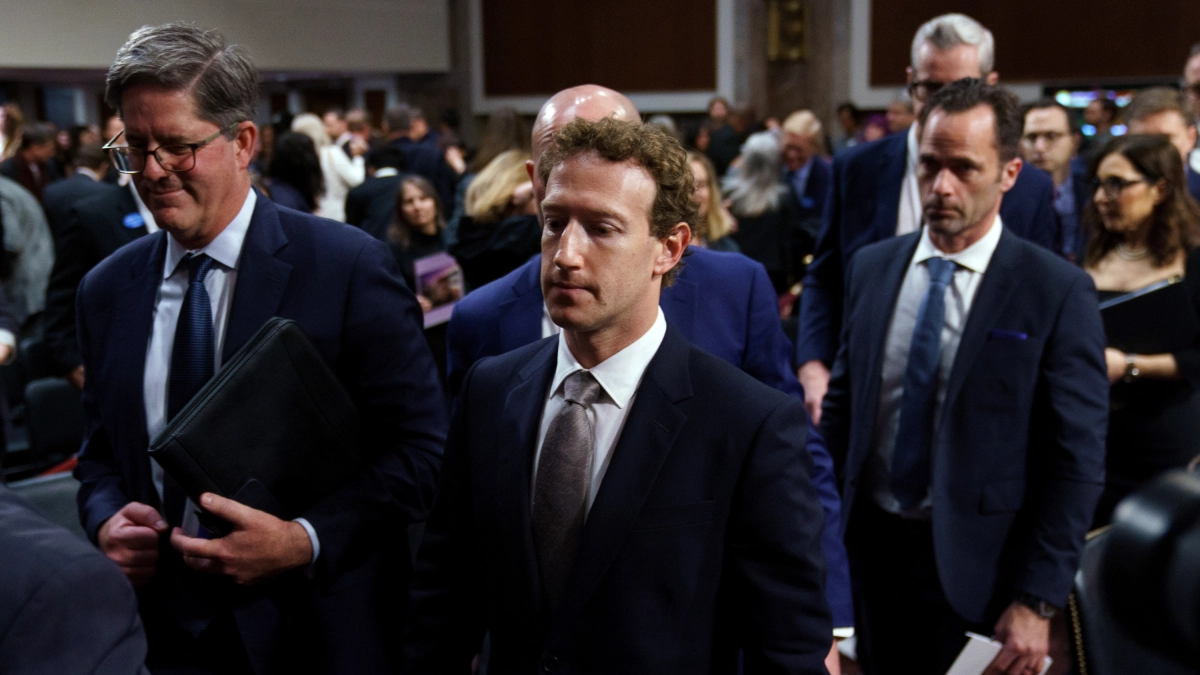
As the tech giant navigates a turbulent electoral landscape, its ecosystem—comprising Facebook, Instagram, WhatsApp, and Threads—confronts unprecedented scrutiny. In the United States, federal and state courts have levied staggering multi-billion-dollar penalties against the company for violations of consumer protection laws and manipulative data collection. Simultaneously, in the Global South, leaders like Brazilian President Luiz Inácio Lula da Silva have formally accused Meta of algorithmic interference designed to alter electoral outcomes.
What began as localized grievances over data privacy have crystallized into a systemic international crisis. Governments, investigators, and civil society groups are pushing back against a business model built on the invisible accumulation of human behavior, arguing that unchecked microtargeting and addictive design pose an existential threat to democratic institutions and public health.

Chronology: A Decade of Scandals and Regulatory Collisions
To understand how Meta arrived at its current precarious position, it is necessary to examine the timeline of escalating confrontations between the tech monopoly and global regulators:
- 2018 (The Cambridge Analytica Watershed): Investigative reports expose how data from up to 87 million Facebook users was harvested without consent by political consulting firm Cambridge Analytica. The data was subsequently used to micro-target voters during pivotal political events, including the UK’s Brexit referendum and Donald Trump’s 2016 U.S. presidential campaign.
- 2023–2024 (The Youth Mental Health Front): State attorneys general, led by New Mexico, file sweeping lawsuits against Meta. They allege that the company intentionally engineered its applications—specifically Instagram—with addictive features designed to hook minors, triggering a youth mental health crisis while misleading the public about these risks.
- Late 2025 (The Intensification of Microtargeting Scrutiny): Independent researchers and international watchdogs document an unprecedented surge in AI-driven political profiling. Meta’s algorithms face intense questioning over their opacity and role in shaping the political discourse of younger demographics.
- October 2026 (The 25-Billion-Dollar Blow): U.S. courts deal Meta a historic defeat, handing down a monumental $25 billion penalty for violating consumer protection laws through opaque and non-consensual data collection practices.
- October 2026 (The Brazilian Electoral Showdown): Ahead of critical national votes, the Superior Electoral Court of Brazil challenges the neutrality of Instagram and Facebook algorithms. The dispute escalates to the international stage, with the Workers’ Party (PT) elevating formal grievances to the United Nations.
Supporting Data: The Scale of Surveillance and Financial Penalties
The magnitude of Meta’s operations is matched only by the scale of its legal liabilities and the microscopic depth of its user profiling. Financial and statistical markers highlight the severity of the ongoing conflicts:

- $25 Billion: The unprecedented penalty handed down by the U.S. justice system against Meta for systematic violations of consumer protection and privacy laws—eclipsing regulatory fines seen in almost any other industrial sector.
- 43 Million: The staggering number of discrete privacy and consumer infractions documented by the state of New Mexico in its landmark lawsuit against Meta’s deceptive design and data practices.
- The Invisible Data Vault: According to cybersecurity and digital rights experts, an active Meta user surrenders an uninterrupted stream of personal data without regulatory oversight. This includes real-time mobile locations, commercial purchasing habits, political leanings, religious beliefs, sexual orientations, racial identifiers, personal and business circles, communication cadences, and even the emotional tone of text messaging.
- The Persistence of Digital Footprints: Even when users take the drastic step of deleting their profiles, forensic digital audits reveal that historical data can remain active on Meta’s internal servers for months, frustrating efforts to truly exercise the "right to be forgotten."
Official Responses and Institutional Friction
The battle lines between sovereign states and Silicon Valley have never been sharper. The institutional friction is defined by starkly contrasting narratives from government officials and Meta’s corporate defense teams.
The Institutional and Governmental Perspective
Governments and political coalitions are increasingly losing patience with what they view as corporate digital sovereignty superseding national laws. In Brazil, the friction reached a boiling point regarding algorithmic neutrality. Éden Valadares, communication secretary for the Workers’ Party (PT) and a coordinator for Lula da Silva’s campaign, did not mince words in an interview with the Spanish daily El País:

"It’s no longer a question of figuring out what Meta’s intentions are; it’s about recognizing that there is active interference on their part."
This sentiment has catalyzed institutional mobilization, pushing governments to take matters beyond domestic courts and appeal directly to multinational bodies like the United Nations. Regulators argue that the core obstacle to democratic safety is the "black box" nature of social media infrastructure. Governments and independent researchers have consistently been stonewalled in their attempts to access the internal source code, algorithmic "recipes," and raw behavioral databases held by Zuckerberg’s conglomerate, preventing any meaningful public accountability.

Meta’s Defense and the "Free Speech" Shield
Faced with existential legal threats and multi-billion-dollar judgments, Meta has mounted a vigorous defense. Regarding the landmark rulings in New Mexico and the broader global wave of litigation, company representatives have announced aggressive legal appeals.
Meta’s official stance maintains that these sweeping regulatory actions, judicial penalties, and government investigations are fundamentally designed to restrict the exercise of free expression on the internet. By framing commercial and algorithmic regulations as censorship, Meta effectively utilizes societies as a "human shield," wrapping its lucrative advertising business model in the noble language of fundamental rights and constitutional liberties.

Implications: The Unchecked Power of Psychosocial Profiling
As we look deeper into the digital age, the implications of Meta’s data empire extend far beyond isolated legal battles or temporary election controversies. They strike at the heart of individual autonomy.
When commercial entities possess the capability to triangulate thousands of discrete data points into a hyper-precise psychosocial profile, the balance of power shifts permanently away from the citizen. You are no longer merely a consumer browsing a feed; you are a mapped behavioral asset whose political shifts, commercial urges, and emotional vulnerabilities can be algorithmically anticipated and monetized.

In Colombia and across Latin America and the broader developing world, millions of users engage with Facebook, Instagram, WhatsApp, and Threads daily without any local or transnational oversight body capable of auditing how their intimate information is gathered and weaponized. The tools of artificial intelligence have supercharged this capability, allowing political actors and commercial advertisers to micro-target the most impressionable segments of the population with surgical precision.
Ultimately, the ongoing legal reckoning against Mark Zuckerberg’s monopoly exposes a harsh reality: current global legal frameworks are struggling to keep pace with algorithmic capitalism. Whether through a $25 billion fine in the United States or formal complaints before the United Nations by Brazil, the international community is slowly waking up to the realization that without radical transparency, strict algorithmic auditing, and absolute data sovereignty for citizens, modern digital platforms will continue to act as shadow architects of global politics and human behavior.