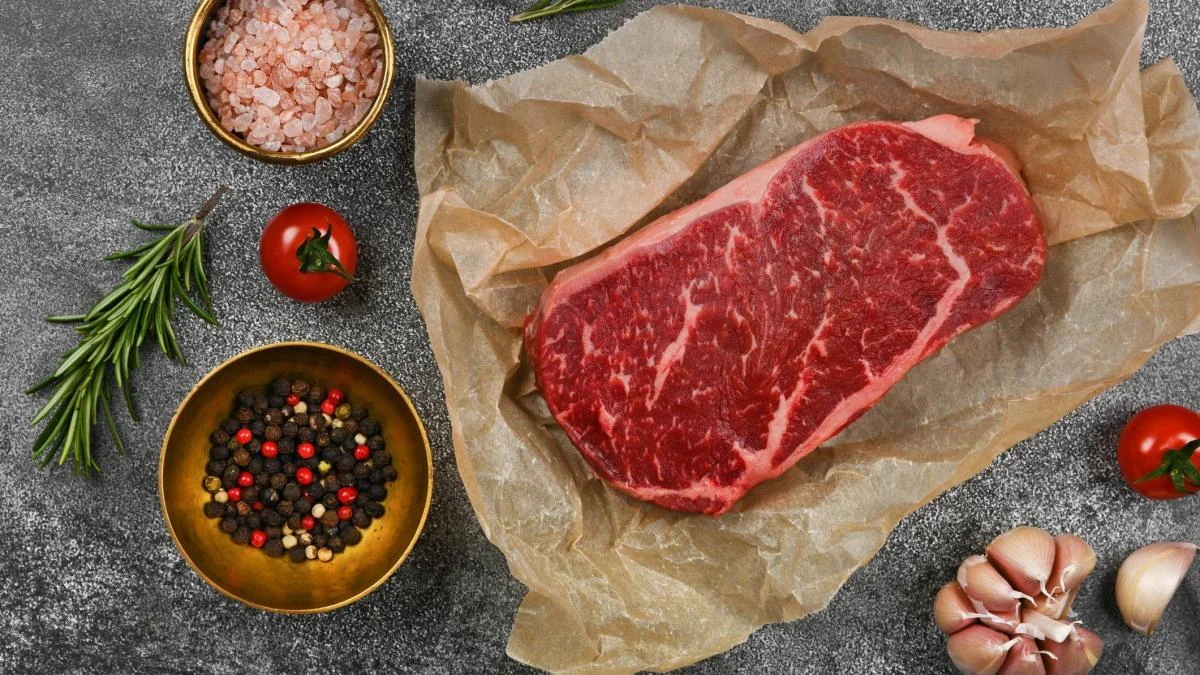
Cooking is often described as a blend of art and chemistry. While millions of people prepare meals daily, the nuances of culinary technique—especially when handling high-quality proteins—can be far more complex than they appear at first glance. Among the myriad questions that plague both amateur home cooks and seasoned professional chefs, one remains at the forefront of every kitchen conversation: When is the exact, scientifically optimal moment to salt your meat?
This simple act, defined by the Royal Academy as the process of applying salt to food, is the most fundamental step in seasoning. Yet, it serves as a point of contention that divides the culinary world into two distinct camps: those who insist on salting well in advance and those who argue that seasoning should occur only seconds before the meat hits the heat.
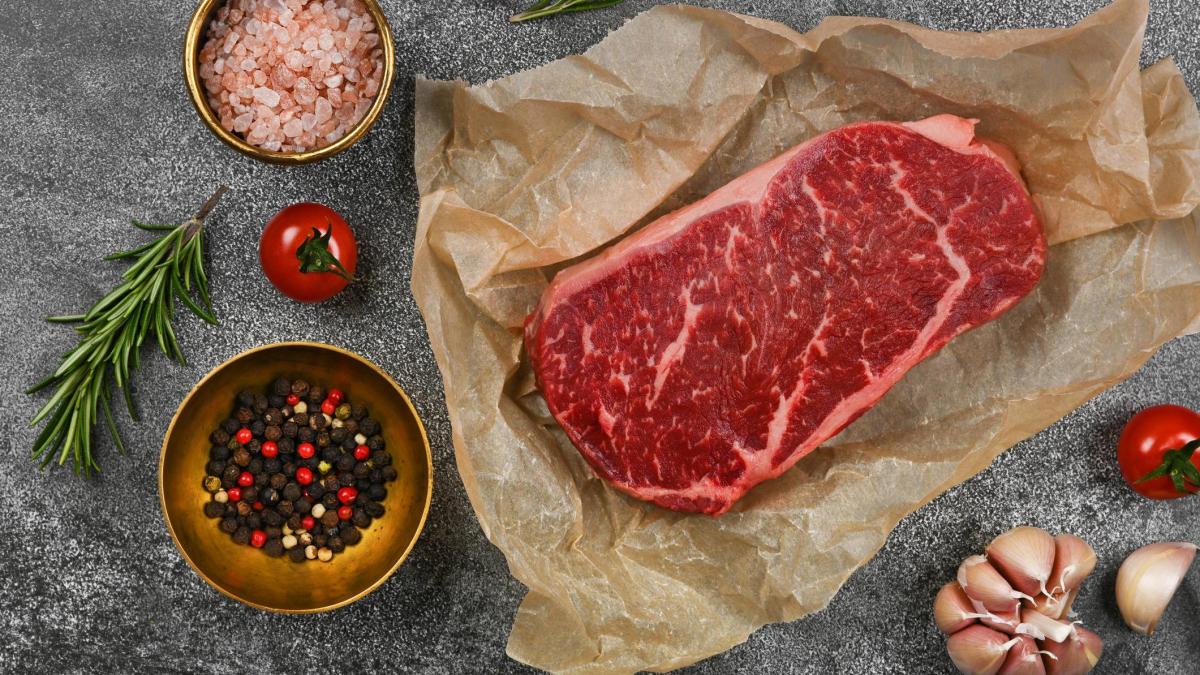
To resolve this debate, we must look beyond kitchen folklore and delve into the principles of food science, osmosis, and the Maillard reaction.
The Core Conflict: A Question of Moisture and Flavor
For years, the conventional wisdom passed down through generations of home cooks has been a warning: "Don’t salt your meat early, or it will draw out all the moisture and leave you with a dry, leathery piece of protein."

However, modern culinary science and the testimony of expert butchers—such as the professionals at the renowned restaurant El Abeto—have begun to challenge this dogma. The debate centers on the physical reaction of salt, which possesses a natural, potent ability to absorb moisture.
The two primary schools of thought are as follows:

- The "Pre-Salting" Proponents: These chefs argue that salting early allows the salt to penetrate the muscle fibers, seasoning the meat throughout rather than just coating the surface.
- The "Last-Minute" Purists: These individuals fear that the osmotic pressure created by salt will pull the natural juices of the meat to the surface, resulting in a loss of succulence and a failure to achieve a proper sear.
According to the experts, both sides are operating under a misunderstanding of how the process actually works. The answer is not a binary choice between "before" or "during," but rather an understanding of the timeline of osmotic equilibrium.
Chronology of Osmosis: What Happens to the Meat?
To understand the science, we must track the behavior of salt from the moment it touches the raw protein.
Phase 1: The Initial Contact (0–5 Minutes)
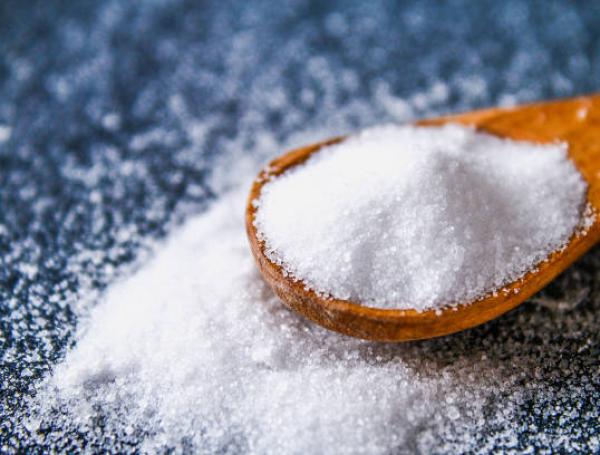
When you first apply salt to a fresh cut of meat, the concentration of salt on the surface is significantly higher than inside the muscle tissue. Through the process of osmosis, the salt draws moisture out of the meat to the surface, creating a localized brine. If you were to cook the meat at this specific moment, the moisture on the surface would indeed hinder the searing process, as the energy from the pan would be spent evaporating this water rather than browning the protein.
Phase 2: The Reabsorption Period (15–40 Minutes)
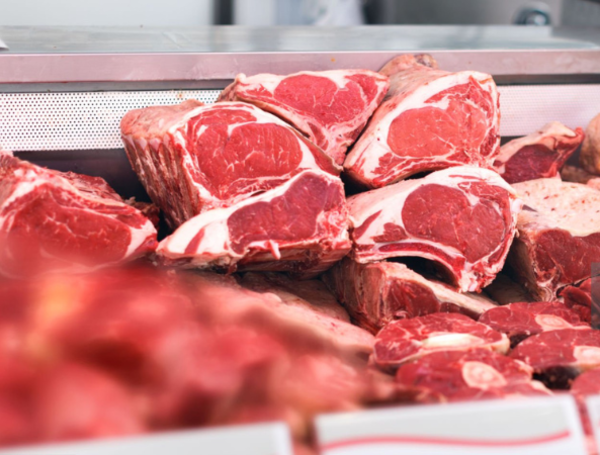
This is where many home cooks fail. If you salt the meat and let it sit, the brine created by the initial osmosis does not simply stay on the surface. Because of the salt’s chemical nature, the brine is eventually reabsorbed into the meat. This process effectively seasons the protein to its core, rather than just flavoring the exterior.
Phase 3: The Equilibrium (40+ Minutes)
Once the meat has reabsorbed the brine, the salt is distributed evenly throughout the muscle. At this stage, the surface is once again dry—a condition that is, ironically, perfect for achieving a deep, flavorful, and crispy crust (the Maillard reaction).
Supporting Data: Why "Dry" is Actually Good
The fear of "drying out" the meat is often based on a confusion between surface moisture and internal hydration.
Professional chefs emphasize that the "juice" lost during the initial salting phase is negligible compared to the benefits gained. When salt is allowed to penetrate, it alters the structure of the proteins, specifically the muscle filaments. This denaturation of proteins helps the meat retain moisture during the cooking process.
Furthermore, consider the Maillard reaction—the chemical reaction between amino acids and reducing sugars that gives browned food its distinctive flavor. This reaction requires high heat and, crucially, a dry surface. If the surface of your steak is damp, the pan temperature drops, and the meat steams instead of searing. By salting early, you allow the surface to dry out naturally, facilitating a superior sear.
The "During the Cook" Strategy: A Valid Alternative
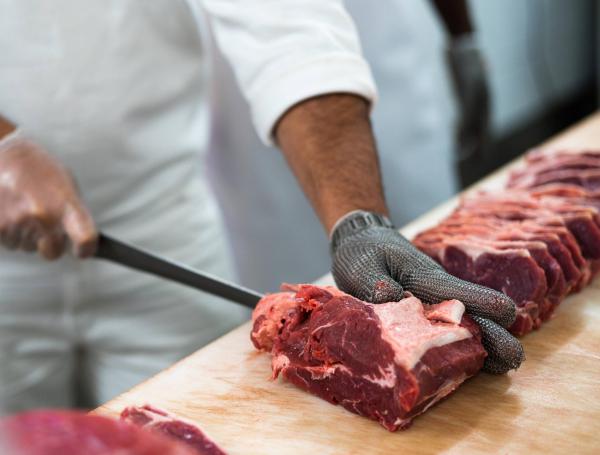
If you do not have the time to let the meat rest for 40 minutes, all is not lost. The professional perspective from El Abeto confirms that salting during the cooking process is perfectly acceptable, provided you follow the "Golden Rule of Surface Integrity."
The Golden Rule: Never salt while the meat is cold and raw in the pan. Wait until a crust has already begun to form.
By waiting until the surface has reached a state of initial browning, you create a physical barrier that prevents the salt from pulling out the internal juices. If you salt too early while the meat is still raw and the pan is heating up, you risk drawing out the juices before the sear can lock them in. In this scenario, the salt essentially acts as a "dehydrator" rather than a "seasoner."
Implications for the Home Cook
The debate is no longer about which method is "correct," but rather about matching your technique to your schedule.
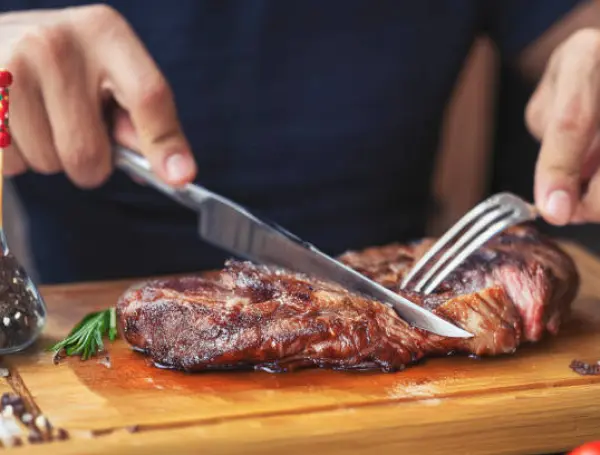
When to Salt Early (The Dry-Brine Method)
This is the gold standard for thick cuts like ribeyes, pork chops, or thick steaks. Applying salt 45 minutes to an hour before cooking allows the salt to do its work. If you have the luxury of time, you can even leave the meat in the refrigerator uncovered for several hours—a process known as "dry-brining"—which will result in an exceptionally crispy crust and a tender, well-seasoned interior.
When to Salt Last-Minute
This approach is best reserved for thinner cuts of meat that cook very quickly, such as skirt steak, thinly sliced chicken breast, or delicate fish fillets. Because these cuts are so thin, they do not have the volume to benefit significantly from deep penetration, and the risk of drying them out during a long resting period is higher.

Expert Consensus and Practical Advice
Ultimately, the consensus among modern culinary experts is that the "falseness" of the myth that salt ruins meat stems from a lack of patience. Salt is a tool of transformation. It doesn’t just add flavor; it changes the texture of the protein.
Key Takeaways for Your Next Meal:

- Patience is a seasoning: If you can, salt at least 45 minutes before cooking to allow for osmosis and reabsorption.
- The Surface is Key: If you are cooking a high-heat sear, ensure the surface is dry before it touches the pan.
- The "During" Method: If you are short on time, wait for the crust to form before adding salt. This protects the internal juices and provides a focused seasoning on the exterior.
- Don’t Fear the Salt: Many home cooks under-salt their food. Professional cooking relies on proper seasoning at every stage of the process, but specifically, the initial salting determines the foundation of the dish’s flavor.
In conclusion, there is no "bando ganador" (winning side) in this dispute. Whether you are a fan of the slow, methodical dry-brine or the quick-action sear, the science is clear: as long as you respect the physics of moisture and heat, you are on the right path. As the experts note, "It isn’t about before or after; it’s about doing it correctly."
By understanding these principles, you move from simply following a recipe to mastering the chemistry of your ingredients—the hallmark of a true chef in any home kitchen.