By Edwin Caicedo Environment and Health Journalist Published: April 26, 2026
Main Facts
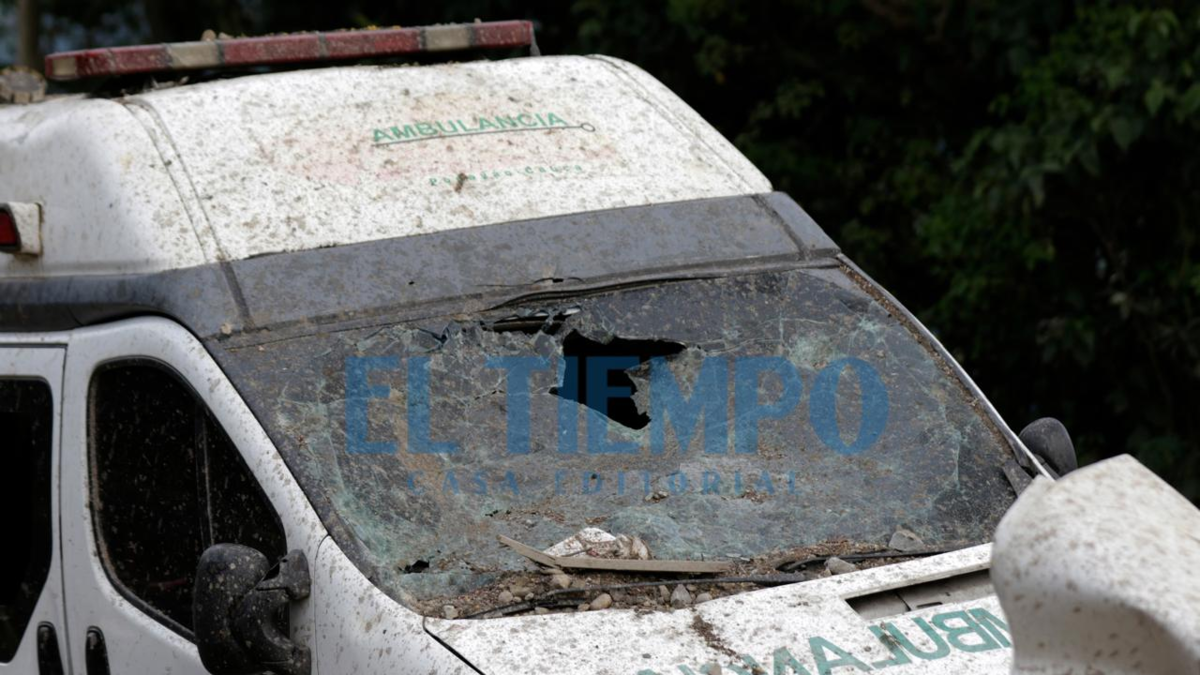
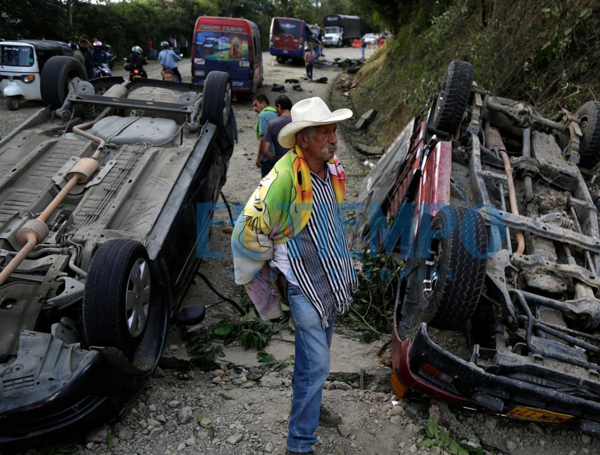
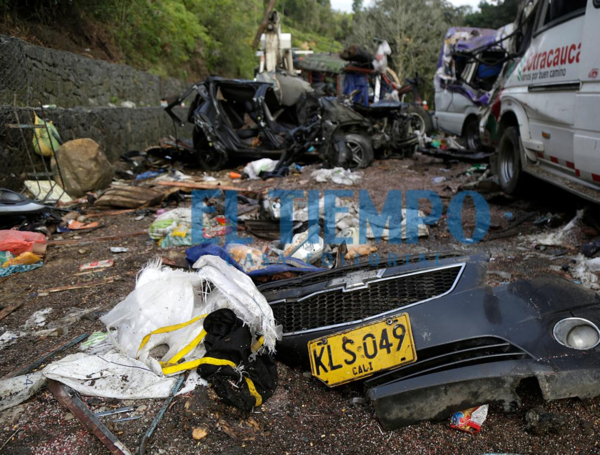
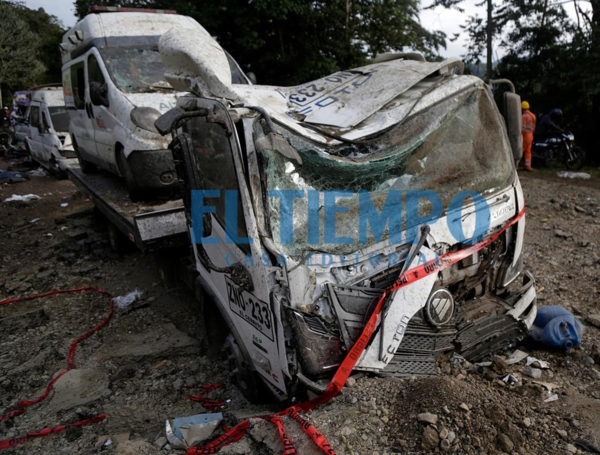
The environmental governance and protection sector in Colombia has been plunged into a state of deep mourning and acute alarm following a devastating terrorist attack executed on Saturday, April 25, 2026. The violent assault, which took place in the strategic and volatile sector of the Túnel de Cajibío in the southwestern department of Cauca, claimed the lives of at least 14 people overall. Among the tragic fatalities were two dedicated officials belonging to the Autonomous Regional Corporation of Cauca (CRC): Patricia Mosquera, an esteemed staff member of the Patía Territorial Directorate and a prominent social leader within the Afro-Patian Women’s Movement, and Jarol Jair Bojorge, an integral professional from the CRC’s internal control division.
The incident is part of a broader, deeply concerning escalation of regional violence that has systematically battered departments like Cauca and Valle del Cauca. In response to the targeted and collateral destruction of life and institutional infrastructure, the Association of Regional Autonomous Corporations and Sustainable Development (Asocars)—the umbrella organization representing the nation’s environmental authorities—issued an unequivocal condemnation of the attack.
Beyond expressing grief, the nation’s environmental leadership has sounded a resounding alarm regarding the profound lack of physical security guarantees for workers tasked with safeguarding ecosystems, managing natural resources, and enforcing environmental law in high-risk zones across Colombia. With more than 70 percent of regional autonomous corporation personnel engaged in demanding operational and field-based enforcement duties, the tragedy has forced a national reckoning over the viability of environmental governance in territories dominated by armed actors.
Chronology of Events
Saturday, April 25, 2026
The Escalation and Attack: A violent explosive attack occurs in the Túnel de Cajibío sector within the department of Cauca. The region, already suffering from an intense wave of insecurity, experiences an assault that ultimately leaves 14 people dead.
Loss of Institutional Life: Among the initial casualties identified are Patricia Mosquera, a territorial directorate official and recognized Afro-descendant community leader, and Jarol Jair Bojorge, a member of the CRC’s internal control team.
Immediate Aftermath: Local authorities scramble to secure the area, treat the wounded—including several indigenous citizens injured in related explosive disruptions along the vital Pan-American highway—and assess the extensive damage to regional transit and infrastructure.
Sunday, April 26, 2026
Asocars Official Response: Asocars, led by Executive Director Yesid González Duque and Board President Ángelo Bacci Hernández, publishes a fierce public denunciation of the Cajibío bombing, classifying it as a heinous terrorist act that directly strikes at the heart of state institutions.
Public Mobilization and Warnings: Environmental leaders articulate the immediate suspension of standard operations in high-risk rural corridors, highlighting that field agents can no longer safely execute their constitutionally mandated duties.
Media and Institutional Broadening: Major national editorials and investigative desks begin questioning the erosion of state control in the southwestern departments, placing intense pressure on the National Government to formulate robust protective frameworks for civil servants.
Supporting Data and Context
The crisis in Cauca and Valle del Cauca is not an isolated occurrence but rather the violent culmination of deteriorating public order dynamics throughout Colombia’s rural peripheries. Data and operational realities highlighted by Asocars underscore the immense vulnerability of the country’s environmental sector:
Operational Exposure: Statistical breakdowns provided by Asocars indicate that more than 70 percent of all personnel working within Colombia’s Regional Autonomous Corporations (CARs) perform core operational, inspection, surveillance, and enforcement tasks. Unlike administrative staff tethered to urban headquarters, these workers must regularly venture into remote, forested, and resource-rich territories—areas frequently contested by illegal armed groups, drug trafficking cartels, and unauthorized mining syndicates.
The Toll on Human Capital: The deaths of Patricia Mosquera and Jarol Jair Bojorge highlight the intersection of environmental defense and community leadership. Mosquera’s dual role as a territorial institutional worker and a prominent voice in the Afro-Patian Women’s Movement illustrates how regional state workers often double as vital pillars of social cohesion in marginalized communities.
Geographic Concentration of Violence: The departments of Cauca and Valle del Cauca have experienced a disproportionate share of the nation’s recent explosive attacks. These strategic corridors—vital for both regional commerce and ecological connectivity—have witnessed a breakdown in territorial security that leaves civilian populations, indigenous communities, and state agents alike exposed to asymmetric warfare tactics.
Official Responses and Statements
The severity of the Cajibío attack has triggered a unified chorus of condemnation and demand for systemic reform from the country’s environmental and institutional leadership.
Yesid González Duque, the executive director of Asocars, did not mince words when addressing the media regarding the realities on the ground:
"We categorically reject this attack and the terrorist escalation plaguing our country, especially in Cauca and Valle del Cauca, regions that have been the target of cruel assaults affecting both the civilian population and institutional integrity."
Highlighting the impossibility of maintaining business-as-usual operations under current conditions, González Duque added:
"It is clear that there are no conditions for us to exercise our mission of administering and conserving natural resources. With more than 70 percent of CAR personnel performing operational and environmental authority functions, our workers are constantly exposed in high-risk territories."
Adding his voice to the urgent appeal, Ángelo Bacci Hernández, president of the Asocars board of directors and director of the Regional Autonomous Corporation of the Dique Canal (Cardique), directed a direct plea to the highest levels of national power. Bacci Hernández called upon the National Government, state apparatus institutions, control entities, and civil society at large to rally around regional entities and the vulnerable populations trapped in zones dominated by violence.
Furthermore, Asocars extended deep, solemn condolences to the families and colleagues of the fallen workers, particularly directing messages of solidarity to Amarildo Correa Obando, the director of the CRC, as well as the broader collective of professionals operating within the corporation.
Implications for Environmental Governance and National Security
The deaths of Patricia Mosquera and Jarol Jair Bojorge, alongside the broader carnage of the Cajibío attack, carry profound implications that extend far beyond the immediate tragic loss of human life.
1. Paralysis of Environmental Oversight
When institutional agents cannot safely travel to rural zones, environmental oversight effectively grinds to a halt. Illegal deforestation, unauthorized wildlife trafficking, clandestine mining operations, and industrial pollution go unchecked when the state’s environmental arm is forced to retreat behind fortified urban barriers. The inability to exercise authority in the field threatens to turn ecologically critical regions into absolute lawless zones where criminal networks operate with total impunity.
2. The Crisis of State Presence
The attacks in Cauca reinforce growing domestic criticisms that the Colombian state is losing territorial control in key strategic areas. When civil servants—whose purpose is the peaceful administration of natural assets and community development—are targeted by terrorist tactics, it signals a deliberate effort by armed actors to dismantle public administration and replace it with local, illicit governance models.
3. Urgent Need for Institutional Protection Frameworks
The crisis demands an immediate, paradigm-shifting response from the National Government. Asocars’ warnings make it clear that traditional security protocols are utterly insufficient for environmental workers. Moving forward, the state must design and implement specialized protection corridors, risk-assessment protocols, and rapid-response mechanisms tailored specifically to civilian administrative and environmental personnel operating in conflict zones. Without such guarantees, the protection of Colombia’s invaluable biodiversity will remain inextricably bound to the high cost of human lives.
Cooking is often described as a blend of art and chemistry. While millions of people prepare meals daily, the nuances of culinary technique—especially when handling high-quality proteins—can be far more complex than they appear at…
BOGOTÁ, COLOMBIA — In a bold strategic move designed to bridge the gap between heritage and modern consumption trends, Grupo Nutresa has officially unveiled one of its most disruptive product collaborations to date. The Colombian…
In the neon-drenched, hyper-competitive culinary landscape of Tokyo, where Michelin stars are often treated as the ultimate currency of success, there exists a clandestine establishment that operates entirely in the shadows. Its name is Sugalabo,…