By Edwin Caicedo
Environment and Health Journalist
Updated: September 18, 2026
To human eyes, the domestic cat often appears to be the ultimate embodiment of leisure. Curled in a sunbeam or sprawled across a living room sofa, a healthy adult cat will spend an astonishing 12 to 16 hours a day asleep. Over the course of a lifetime, this means an average feline spends nearly half to two-thirds of its existence in the realm of dreams.
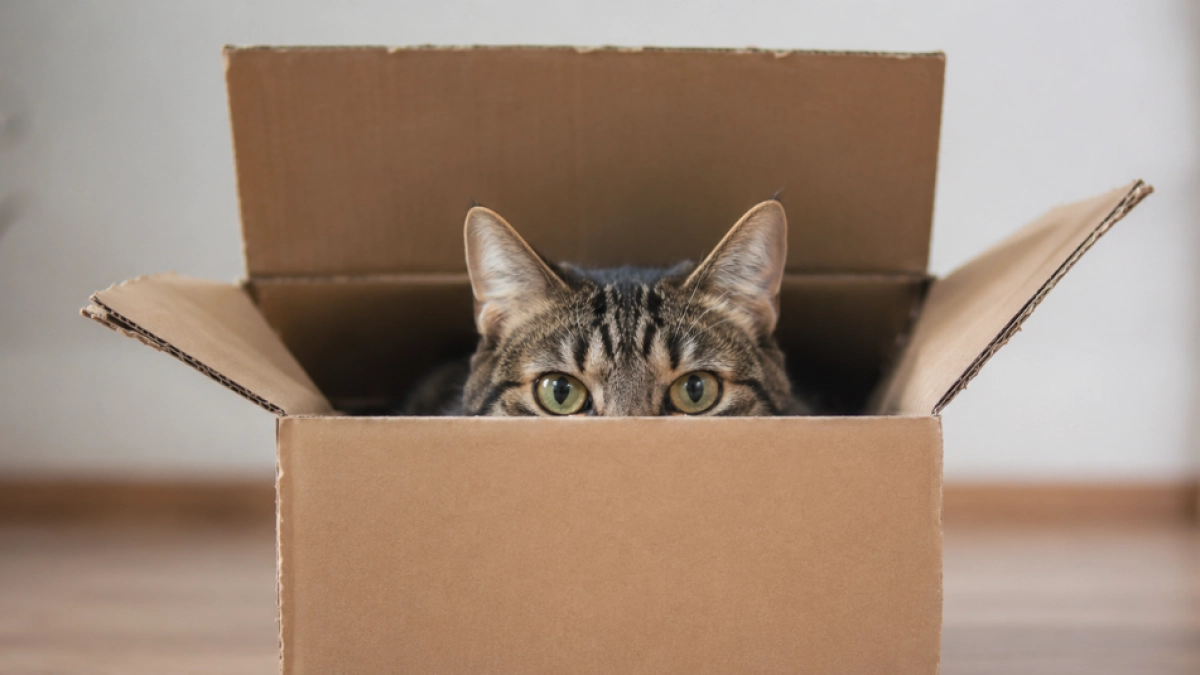
For decades, casual observers have written off this monumental slumber as sheer laziness. However, a growing consensus among veterinarians, animal behaviorists, and evolutionary biologists reveals a far more complex reality. Far from being a sign of indolence, the cat’s sleeping pattern is a meticulously preserved biological adaptation—a deep-seated evolutionary blueprint inherited from wild ancestors designed for one primary purpose: survival as elite apex predators.
Main Facts: The Anatomy of Feline Rest
The numbers surrounding feline sleep are as fascinating as they are extreme. While human adults typically require seven to nine hours of sleep per night to maintain cognitive function and physical health, healthy adult cats routinely double that requirement.

According to leading veterinary institutions, including the VCA Animal Hospitals and the British veterinary organization PDSA, this extensive rest schedule is rooted directly in the physiology of predation. Even though domestic cats no longer need to hunt for their next meal—having their bowls regularly filled with commercial kibble by human companions—their internal genetic programming remains untouched by domestication.
Veterinary experts point out several core components that define the feline sleep schedule:
- The Duration: Between 12 and 16 hours daily is considered normal for a healthy adult cat. Kittens, who require vast amounts of energy for rapid growth and neurological development, and senior cats, whose bodies require more time to recover, often exceed this range, sleeping up to 20 hours a day.
- The Sleep Architecture: A typical feline sleep cycle lasts approximately 100 minutes. During this cycle, the cat spends only about 30 minutes fully awake. The remaining time is meticulously divided between periods of light sleep and brief, highly concentrated episodes of deep sleep—lasting just six to seven minutes—during which rapid eye movement (REM) occurs, indicating that the cat is likely dreaming.
- The Crepuscular Nature: Contrary to popular belief, cats are not strictly nocturnal. Instead, they are crepuscular animals, meaning their peak periods of natural alertness and activity occur during the dim twilight hours of dawn and dusk.
Chronology and Evolution: From Wild Savannas to Living Rooms
To truly understand why a modern housecat sleeps away the afternoon, science must look backward through millennia of evolutionary history.
The Ancient Hunter
Millennia ago, the ancestors of the modern domestic cat (Felis catus)—such as the African wildcat (Felis lybica)—faced a daily struggle for survival. As obligate carnivores, they could not rely on plant matter for sustenance; every calorie had to be earned through active, high-stakes hunting.
The process of hunting is exceptionally demanding. It requires intense bursts of physical exertion, precise calculation, stealth, explosive speed, and immense psychological focus. Whether stalking a desert rodent or ambushing a small bird, a wild felid exhausts vast amounts of physiological energy in minutes.
The Conservation of Energy
Because successful hunts were never guaranteed, wild cats could not afford to waste calories on unnecessary wandering. Nature solved this problem through energy conservation. By remaining completely inactive and sleeping for the vast majority of the day, wild felines preserved their metabolic reserves, ensuring they had peak explosive power precisely when an opportunity to hunt arose.

The Domestication Shift
When cats first began associating with human agricultural settlements roughly 10,000 years ago—attracted by the rodents that infested early grain stores—their relationship with humans was symbiotic rather than submissive. Unlike dogs, which underwent intense human-guided selective breeding for obedience and labor, cats essentially domesticated themselves.
Consequently, their genetic code retained the ancient neural pathways of their wild forebears. Even though today’s pet cat receives its meals in a ceramic bowl at 8:00 AM sharp, its brain and endocrine system still dictate the same biological rhythms that governed the pumas, lions, and African wildcats of antiquity: hunt, exhaust energy, sleep, repeat.
Supporting Data: What the Experts and Institutions Say
A wide array of global veterinary authorities and animal health organizations have analyzed the mechanics and motives behind feline rest, painting a cohesive scientific picture.
The VCA Animal Hospitals Perspective
Veterinarians at VCA emphasize that while indoor cats often experience sudden, frenetic bursts of activity late at night—colloquially known as the "zoomies"—this behavior does not classify them as nocturnal creatures. Rather, these nocturnal dashes are often triggered by pent-up energy, environmental boredom, or residual hunting instincts that lack a physical outlet during the day.

Insights from the PDSA (People’s Dispensary for Sick Animals)
The UK-based veterinary charity PDSA highlights the sensory adaptations that lock cats into their crepuscular schedules. A cat’s eyes feature a specialized reflective layer behind the retina called the tapetum lucidum, which amplifies incoming light by up to six times. This gives them a distinct evolutionary advantage in low-light environments like dawn and dusk—the exact windows when their primary prey species are most active and vulnerable.
Physiological Explanations from Purina and PetMD
Experts from Purina’s pet care behavior team note that sleep is fundamentally restorative. Even without the physical necessity of tracking down prey, the daily expenditure of playing with feather wands, chasing laser pointers, or patrolling territory still burns significant energy.
Dr. Sandra C. Mitchell, writing for PetMD, reinforces this logical loop: "Curing, playing, and exploring the environment consume a tremendous amount of energy, which is why cats need more sleep to compensate. As high-level predators, they require more recovery time than humans to keep their reflexes sharp and minds focused for action."
Furthermore, specialized platforms like Vet Help Direct emphasize the intense nature of feline metabolic recovery. The heavy energy toll of stalking and pouncing—even if directed at a plush toy—requires deep, restorative slumber to repair muscular micro-tears and clear metabolic waste from the central nervous system.

Official Responses and Veterinary Warnings
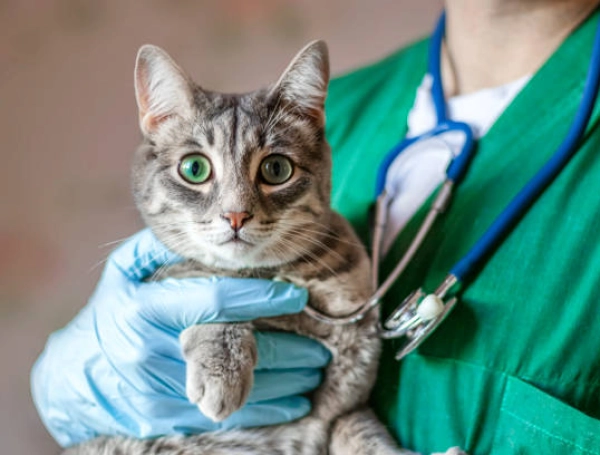
While sleeping up to 16 hours a day is completely normal, veterinary networks issue a crucial caveat regarding changes in feline sleeping habits. Because cats are evolutionarily wired to mask vulnerability—a survival trait designed to hide weakness from predators and rivals in the wild—they are legendary experts at concealing pain and illness.
The pet care platform Hepper, whose content undergoes rigorous veterinary review, issues a strong reminder to pet owners: An abrupt, noticeable shift in a cat’s sleep patterns can be a silent red flag.

- Excessive Lethargy: If a cat that normally maintains a predictable routine suddenly begins sleeping 20 to 22 hours a day, refuses to engage in play, or struggles to jump onto familiar surfaces, it may be suffering from underlying medical conditions such as feline arthritis, kidney disease, systemic infections, hyperthyroidism, or dental pain.
- Restlessness and Insomnia: Conversely, if a cat suddenly stops sleeping, paces frantically, or vocalizes constantly through the night, it could be experiencing cognitive dysfunction syndrome (feline senility), high blood pressure, or hyperthyroidism.
Veterinary associations universally advise that any sudden, drastic deviation from a cat’s baseline sleep schedule warrants an immediate consultation with a licensed veterinarian.
Implications: What This Means for Modern Pet Owners
Understanding the deep biological roots of feline sleep transforms how human companions interact with and care for their pets. Recognizing that a cat’s slumber is an ancient physiological necessity rather than laziness fosters greater empathy and better husbandry practices.

1. Enriching the Environment
Because cats are crepuscular predators designed for bursts of high-intensity activity, owners can significantly improve their pets’ psychological well-being by engaging them in structured play sessions. Simulating the natural hunting cycle—Hunt, Catch, Kill, Eat, Groom, Sleep—by using interactive toys followed by a meal helps satisfy their innate instincts and promotes deeper, more restorative rest.
2. Respecting Feline Rhythms
Knowing that cats are biologically programmed to be most alert at dawn and dusk helps owners anticipate behavioral peaks. Providing safe, vertical spaces (such as cat trees and window perches) allows felines to survey their territory and observe the outside world during their natural windows of alertness.

3. Vigilance Over Laziness
Ultimately, the next time a pet cat curls up for a 14-hour snooze, owners can rest assured that their feline friend is not merely being lazy. Instead, the cat is honoring millions of years of evolutionary history—recharging a finely tuned predator engine, one nap at a time.