
EST. READING TIME: 6-8 MINUTES
Published in Lifestyle & Parenting News
Main Facts
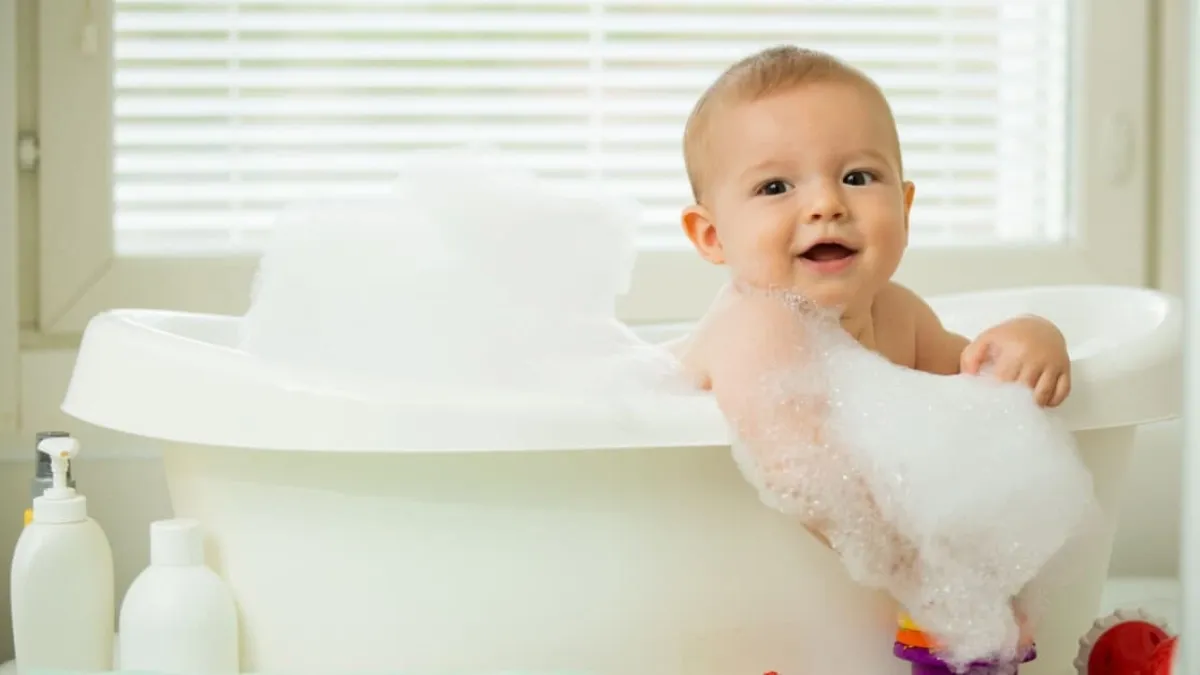
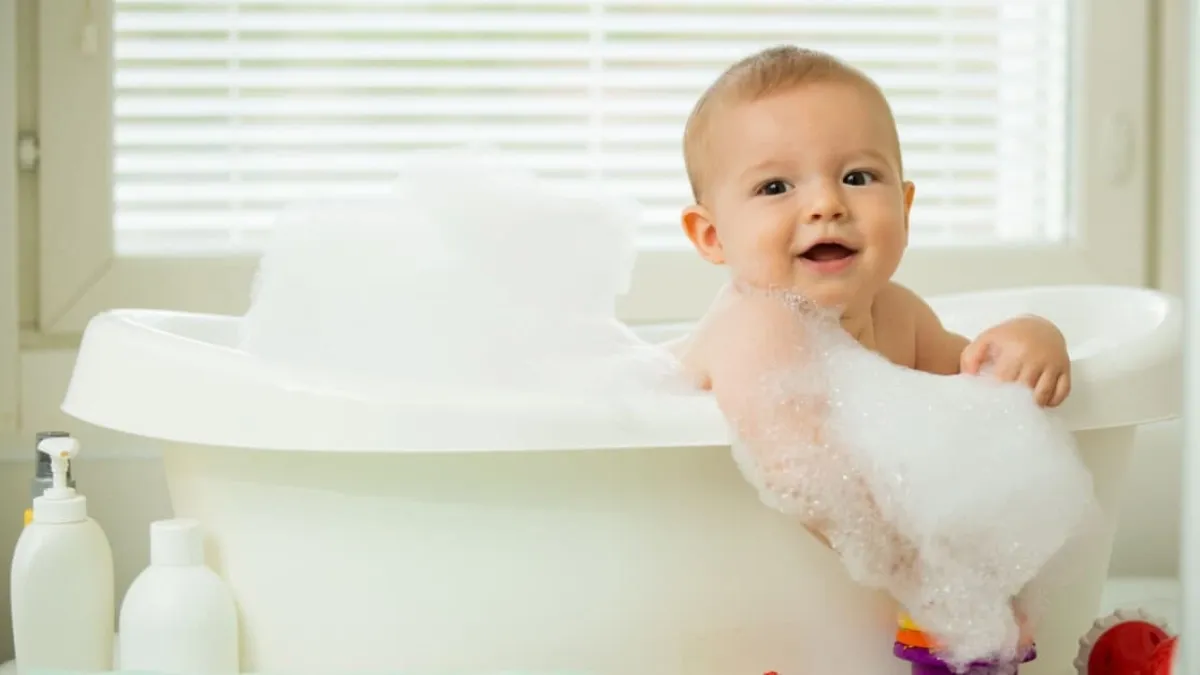
The traditional bath time for infants and children in Colombian households has transcended its original, purely functional purpose of physical cleanliness. What was once considered a mandatory, routine chore has evolved into a multi-sensory space dedicated to interaction, play, and profound emotional development. This shift reflects a broader, contemporary transformation in family dynamics, where modern parents and caregivers actively leverage daily routines as intentional opportunities to slow down, communicate, and strengthen the foundational affective bonds between adults and children.
As family priorities shift toward holistic wellness and mindfulness, the personal care and infant hygiene industry has had to pivot rapidly. Brands are no longer evaluating success solely on a product’s ability to wash away dirt. Instead, market demand dictates that products must deliver emotional and sensory well-being while rigorously maintaining the safety, gentleness, and dermatological protection required for delicate infant skin.
A prime example of this industry-wide adaptation is the strategy undertaken by the Colombian childcare brand Arrurrú. By integrating specialized formulations—such as Syndet bases, glycerin, and moisturizing complexes like Hidrosense—into new product lines like "Suavidad & Humectación," brands are attempting to solve a modern parenting dilemma: how to maximize the bonding experience of frequent bathing without compromising the skin barrier or causing dryness. Clinical and consumer efficacy tests indicate high marks in safety and tolerance, demonstrating that the market is successfully merging emotional lifestyle trends with hard dermatological science.
Chronology: The Evolution of the Infant Bath Routine
To understand how the modern baby bath became a developmental ritual, it is helpful to look at how family routines and product manufacturing have transformed over recent decades:
- The Functional Era (Mid-to-Late 20th Century): For generations, bath time was treated as a clinical necessity. The primary objective was straightforward: sanitize the child after a day of play or feeding. Efficiency was prioritized, and products were formulated primarily to strip away bacteria, oils, and dirt quickly, often with little regard for the long-term integrity of the infant skin barrier.
- The Dermatological Awakening (Late 1990s–2010s): Pediatric dermatology advanced significantly, revealing that infant skin is structurally thinner, more permeable, and more prone to moisture loss than adult skin. The market shifted toward hypoallergenic, pH-balanced formulas. However, the experience remained largely task-oriented—a checkbox on the daily parenting to-do list.
- The Rise of Conscious Parenting (2020s–Present): Contemporary family dynamics have been reshaped by fast-paced lifestyles, digital saturation, and a heightened focus on mental health and mindfulness. Parents increasingly look for "micro-moments" of genuine connection. Bath time has been reclaimed as a tech-free, distraction-free sanctuary where caregivers and children can engage through eye contact, touch, water play, and soothing verbal communication.
- The Product Innovation Phase (Current Landscape): Recognizing this psychological and behavioral shift, brands have begun designing product lines specifically tailored to enhance the sensory experience. Formulas now prioritize gentle Syndet (synthetic detergent) technologies that clean without stripping natural lipids, supported by clinical efficacy studies that evaluate not just skin safety, but the overall sensory and emotional satisfaction of the family unit.
Supporting Data and Dermatological Insights
The modern shift toward wellness-oriented hygiene is heavily backed by consumer behavior studies and dermatological testing. Infant skin is notoriously delicate, requiring precise chemical formulations to prevent conditions like atopic dermatitis, irritation, and chronic dryness exacerbated by frequent washing.

To address these concerns, companies are investing in advanced testing methodologies. For instance, a recent 28-day efficacy and perception trial was conducted on a sample of 31 babies and young children under normal home-use conditions to evaluate Arrurrú’s "Suavidad & Humectación" line (which includes a specialized shampoo and liquid bath). The results provide a clear window into what modern consumers expect and experience:
- Scalp and Hair Health: 100% of the families participating in the trial reported that the shampoo did not dry out the infants’ scalps and caused zero ocular irritation. Furthermore, 90% of participants explicitly noticed a marked improvement in hair hydration and manageability.
- Skin Tolerance and Softness: 100% of the test group confirmed that the liquid bath produced no adverse skin or eye irritation—a critical metric for parents worried about harsh chemical surfactants. Additionally, over 80% reported a sustained, tangible sensation of skin softness long after the bath concluded.
- The Rise of Syndet Formulations: Traditional soaps often have a high pH level that disrupts the skin’s natural acid mantle. The integration of Syndet technology—which cleans via gentle synthetic surfactants rather than harsh alkaline salts—allows brands to effectively lift impurities while preserving essential cutaneous lipids and moisture, combating the drying effects of hard water and daily cleansing.
Official Responses and Industry Perspectives
Industry leaders are keenly aware that they are selling more than just soap and shampoo; they are marketing peace of mind and structured quality time.
Carolina Castaño, Brand Manager for Arrurrú, highlights how consumer expectations have fundamentally shifted over the last decade. According to Castaño, modern parents view hygiene products as tools for holistic child development rather than simple cleaning agents.
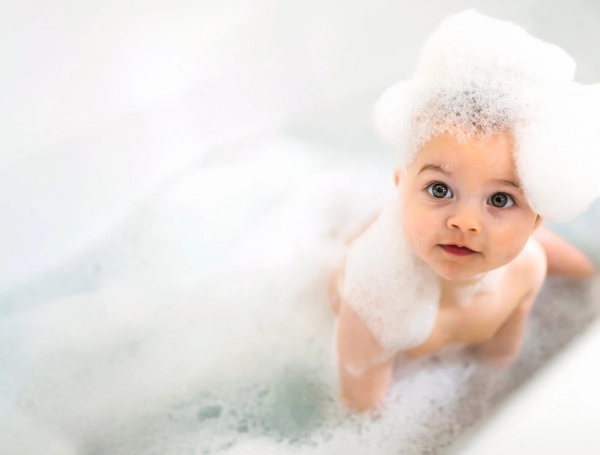
"Today we see a clear evolution in the way families understand infant care," states Carolina Castaño, Brand Manager for Arrurrú. "Parents no longer look solely for products that fulfill a basic hygiene function. Instead, they demand solutions that allow them to transform daily routines into experiences of well-being, connection, and enjoyment, without ever renouncing the backing and security they expect for their children’s skin."
Castaño emphasizes that the modern consumer is remarkably well-informed. Parents cross-reference ingredient labels, look for dermatological testing guarantees, and demand transparency. Consequently, brands must bridge the gap between emotional storytelling—such as promoting family bonding through bath-time songs, games, and aquatic dynamics—and undeniable scientific proof, such as pediatric ophthalmology tests and hypoallergenic certifications.
Furthermore, industry analysts note that supply chain and product development teams are responding to the geographical and lifestyle demands of modern families. Formulations are increasingly paired with versatile, travel-friendly packaging designed to maintain these calming rituals whether the family is at home or on the move.

Implications for Modern Parenting and the Childcare Market
The transformation of bath time from a functional chore into a developmental sanctuary carries several profound implications for families, child psychologists, and the broader consumer goods market.
1. Strengthening the Parent-Child Bond
Child development experts have long advocated for the power of "serve and return" interactions—responsive, back-and-forth exchanges between children and caregivers that build neural connections in the developing brain. Bath time provides an ideal physical environment for these interactions. Stripped of clothing and distractions, parents and babies engage in skin-to-skin touch, eye contact, and vocal play. These moments lower cortisol levels (stress hormones) in both the child and the adult, fostering secure emotional attachment and feelings of safety.
2. The De-stressing of the Domestic Routine
For working parents juggling intense professional schedules, the evening routine is often the primary window for uninterrupted quality time. By reframing the bath as a spa-like wellness ritual rather than a frantic race against bedtime, families can decompress. The incorporation of calming sensory elements—such as mild, comforting fragrances, gentle lather, and warm water play—acts as a psychological transition from the stress of the outside world into the safety of the home.

3. Market Evolution and Future Innovations
As this trend solidifies, consumer goods companies will face continuous pressure to innovate responsibly. Future developments in the infant care sector are projected to focus heavily on:
- Sustainability: Eco-friendly, biodegradable formulas and recyclable packaging that appeal to environmentally conscious millennial and Gen Z parents.
- Multisensory Design: Textures, viscosities, and natural aromas specifically engineered to stimulate positive neurological responses and relaxation in infants.
- Clinical Transparency: Greater reliance on third-party dermatological and pediatric validations to build long-term trust in an increasingly crowded marketplace.
Ultimately, the humble baby bath has proven that even the most mundane daily chores can be reimagined. By marrying rigorous dermatological science with an intentional focus on emotional well-being, families are turning a simple splash in the tub into a cornerstone of healthy child development and lifelong family connection.