

As the summer travel season reaches its peak, health authorities in the United States have issued a mid-level advisory regarding an ongoing outbreak of cyclosporiasis. Often referred to colloquially as "explosive diarrhea," this intestinal illness has prompted increased scrutiny of food safety protocols and hygiene standards across several states. For international travelers and residents alike, understanding the risks, symptoms, and preventative measures associated with this parasitic infection is essential to maintaining health during the coming weeks.
The Nature of the Threat: Understanding Cyclosporiasis
Cyclosporiasis is a gastrointestinal illness caused by Cyclospora cayetanensis, a microscopic, single-celled parasite. Unlike many other foodborne pathogens that manifest symptoms within hours of ingestion, Cyclospora requires a specific incubation period, typically ranging from two days to two weeks.

The primary mode of transmission for this parasite is the fecal-oral route. This occurs when an individual consumes food or water that has been contaminated with the feces of an infected person. Because the parasite is robust enough to survive in the external environment—often persisting in water or on surfaces for one to two weeks—it presents a significant challenge for public health containment.
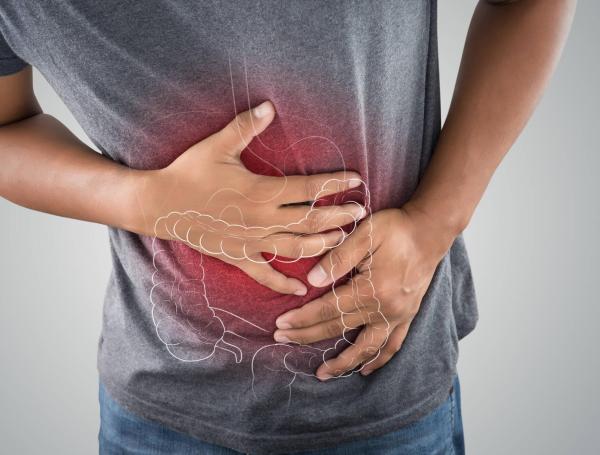
Once ingested, the parasite invades the lining of the small intestine. The hallmark of the infection is the rapid onset of watery, "explosive" diarrhea. However, the clinical presentation can be complex. Patients frequently report a suite of debilitating symptoms, including:

- Severe abdominal cramping and bloating.
- Nausea and loss of appetite.
- Persistent fatigue and malaise.
- Increased flatulence.
- Occasional vomiting and low-grade fever.
In some instances, the infection can be asymptomatic, meaning an individual may carry and shed the parasite without realizing they are ill, inadvertently facilitating further spread. Furthermore, because immunity is not guaranteed, individuals can contract the infection multiple times, making repeated exposure a genuine concern in affected regions.
Chronology of the Current Outbreak
The current public health alert follows a series of concerning reports linking the outbreak to specific food supply chains. Over the past several days, major fast-food chains—most notably Taco Bell—have taken the proactive measure of withdrawing specific produce items, such as lettuce, from their restaurant inventories across various U.S. states.

This move follows preliminary investigations by health departments identifying contaminated ingredients as the likely vehicle for the parasite. While the investigation remains fluid, the pattern of cases suggests a widespread distribution issue rather than a localized one. Health officials are currently tracing the supply chain to identify the specific farm or processing facility where the contamination occurred. This process is complex, as produce is often aggregated from multiple sources before reaching the end consumer, complicating the traceback efforts.
Supporting Data and Epidemiological Context
The decision to issue a "Yellow" or medium-level travel advisory is based on the multi-state nature of the infections. Epidemiological data indicates that cases are appearing across diverse geographic areas, suggesting that the contaminated food source has been distributed through national or regional retail and restaurant networks.

Historical data on Cyclospora reveals that outbreaks in the United States have historically been linked to imported fresh produce, such as cilantro, basil, snow peas, and lettuce. The resilience of the oocysts (the eggs of the parasite) makes them resistant to standard chemical disinfectants, such as chlorine, which are typically used to wash produce. This makes prevention at the agricultural level, rather than the consumer level, the most effective line of defense.
Official Responses and Public Health Directives
Government health agencies, including the Centers for Disease Control and Prevention (CDC) and local departments of health, are working in tandem to monitor the situation. Their response strategy involves three pillars:

- Surveillance: Tracking clinical reports of cyclosporiasis to identify clusters of infection.
- Investigation: Performing molecular testing on patient samples to determine if the cases are genetically linked, which helps confirm they stem from the same source.
- Communication: Informing the public and the hospitality industry about necessary adjustments to food handling and hygiene practices.
The advisory serves as a reminder to the hospitality sector to reinforce rigorous food safety training, emphasizing that washing produce is necessary but not sufficient to eliminate the threat of Cyclospora.
Practical Precautions for Travelers
For those with travel plans to the United States, the current situation does not necessarily warrant the cancellation of trips, but it does necessitate a higher degree of vigilance. Health experts recommend adopting the following precautions to mitigate the risk of infection.
Before You Travel
- Hygiene Essentials: Ensure your travel kit includes high-quality, alcohol-based hand sanitizers (minimum 70% alcohol concentration).
- Stay Informed: Regularly check the websites of the health departments in the specific states or cities you intend to visit. Outbreak notifications are often updated in real-time.
During Your Stay
- Hydration Safety: Stick to bottled, treated, or boiled water. Avoid tap water, ice cubes of unknown origin, and fountain drinks that may be serviced by local water lines.
- Hand Hygiene: Wash hands thoroughly with soap and water after using the restroom and before handling any food. When water is unavailable, use hand sanitizer, but remember that sanitizers are less effective against some parasites than soap and water.
- Culinary Choices: Opt for cooked, hot foods whenever possible. The high temperatures involved in cooking are the most effective way to kill Cyclospora. Be cautious with raw salads, fresh herbs, and uncooked produce, as these are the most common vehicles for the parasite.
- Establishment Selection: Prioritize well-established restaurants that adhere to strict health codes. Limit the consumption of street food, where temperature control and water quality may be less regulated.
- Medical Preparedness: Research the location of local urgent care clinics near your accommodation. Knowing where to seek help in advance can save valuable time if symptoms manifest.
Post-Return Monitoring
- The Two-Week Rule: Since the incubation period can extend up to 14 days, continue to monitor your health for two weeks after returning home.
- Seek Professional Advice: Do not attempt to self-medicate if you develop persistent diarrhea. Over-the-counter anti-diarrheal medications may mask symptoms without treating the underlying parasitic infection.
- Communicate History: If you seek medical attention, explicitly inform your physician of your recent travel to the United States. This will help the doctor prioritize testing for Cyclospora, which is not always included in standard stool panels.
- Protect Others: If you are experiencing symptoms, avoid preparing food for others to prevent the potential spread of the parasite within your household.
Implications for the Future of Food Safety
This outbreak serves as a stark reminder of the vulnerabilities in the modern, globalized food supply chain. The ability of a microscopic parasite to cause a multi-state health crisis highlights the need for more robust, technology-driven traceability in agriculture.
Moving forward, it is likely that the industry will see an increase in the use of blockchain or advanced barcode tracking for produce, allowing retailers to identify the exact origin of a contaminated product within minutes rather than days. Furthermore, the incident reinforces the importance of "preventative culture" in the culinary world, where the focus shifts from reactive cleaning to proactive, science-based safety protocols.

As the situation evolves, travelers are encouraged to remain calm but cautious. By adhering to safe food handling practices and staying informed through official channels, the risk of falling victim to this current outbreak can be significantly reduced, ensuring that your travel experiences remain memorable for the right reasons.