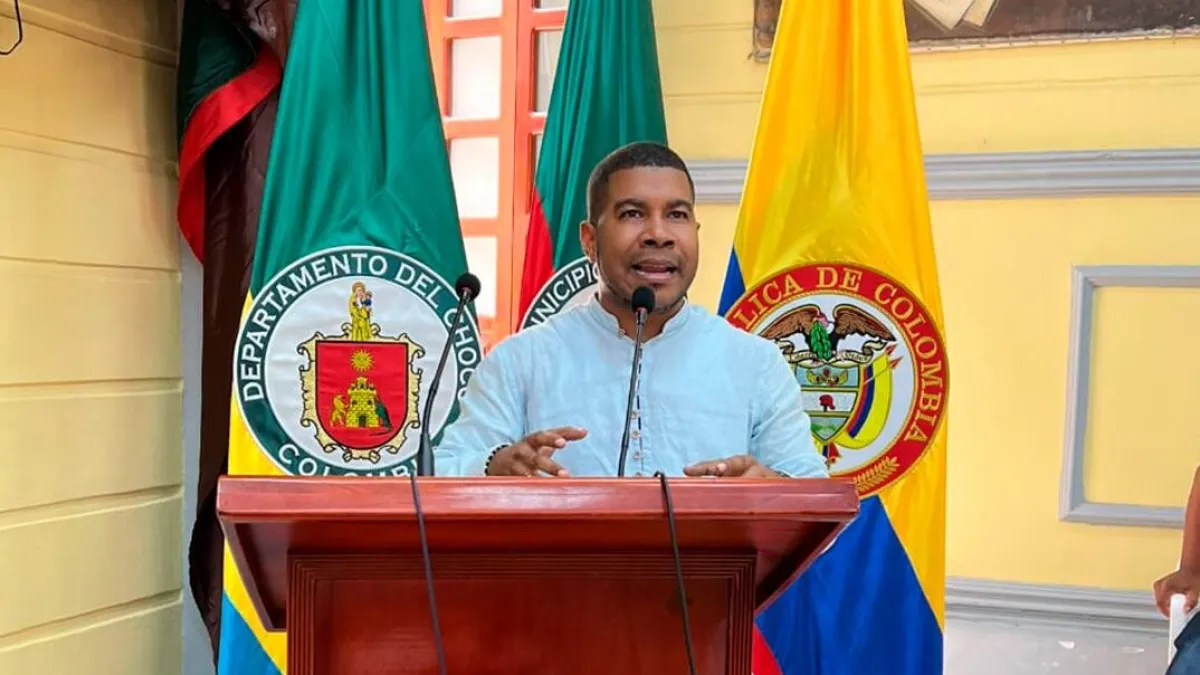
BOGOTÁ — In a nation where academic rigor and grassroots resilience often battle formidable odds against structural adversity, the pursuit of truth and community survival remains the beating heart of societal progress. The historic Museo Nacional in Bogotá served as a majestic backdrop on Wednesday, September 30, 2026, for the official ceremony of the Alejandro Ángel Escobar National Prizes in Science and Solidarity (FAAE).
Recognized widely as Colombia’s highest intellectual and humanitarian distinction, the 2026 edition honored the country’s most brilliant minds and tireless social architects. Chosen from a competitive pool of 227 rigorous submissions, the final gala unveiled five primary winners and seven honorable mentions. These laureates illuminate hidden realities—ranging from submerged mountain ranges deep within the Caribbean to the intimate, arduous struggles of communities forging peace and mental well-being in conflict-scarred borderlands.
Adriana Correa Velásquez, Executive Director of the FAAE, captured the ethos of the evening during her keynote address, noting that this year’s honorees share a singular, unifying trait: "They all decided to look where it was easiest to walk on by, and to do so for as long as it took."
Main Facts: Rewarding Excellence Across Disciplines
Established in 1955, the Alejandro Ángel Escobar Prizes have consistently spotlighted pioneering contributions that reshape national identity, safeguard biodiversity, conquer scientific frontiers, and uplift marginalized populations. The 2026 awards were distributed across four core categories: Exact, Physical, and Natural Sciences; Social and Human Sciences; Environment and Sustainable Development; and two distinct awards dedicated to Solidarity.
This year’s winning projects underscore a profound commitment to empirical validation and deep societal engagement. In the realm of science, researchers mapped the microscopic shifts of vector-borne viruses and peered thousands of meters beneath the ocean’s surface to unearth critical marine ecosystems. In the humanities, historians dismantled centuries-old colonial myths using meticulous archival frameworks. Meanwhile, the solidarity laureates demonstrated how grassroots organizing can heal communities torn apart by violence, displacement, and mental health crises.
Chronology: A Legacy of Seven Decades
To understand the weight of the 2026 ceremony, one must trace the historical arc of the foundation itself:

- 1955: The Alejandro Ángel Escobar Foundation is established, institutionalizing a vision to financially and socially back pioneering Colombian scholarship and civic dedication.
- Decades of Evolution: Over the next 70 years, the awards evolve from a localized acknowledgment of elite academia into a national beacon for interdisciplinary research, embracing indigenous knowledge systems, environmental conservation, and social innovation.
- January – March 2022: A multidisciplinary team of 15 researchers from Invemar and Parques Nacionales Naturales embark on a grueling 55-day, 4,200-mile expedition to explore the Beata Submarine Cordillera.
- 2024–2025: Research milestones, such as the tracking of the yellow fever virus in Aedes aegypti and Haemagogus janthinomys prior to the 2024 outbreaks, and the scaling up of community-based mental health networks by the Resilient Attitude Foundation in Norte de Santander, reach critical mass.
- September 30, 2026: The awards ceremony takes place at the Museo Nacional in Bogotá, culminating in the unveiling of five primary winners, seven honorable mentions, and the experimental AI-driven audiovisual piece ATLAS.
Supporting Data: The Breakthroughs in Detail
1. Exact, Physical, and Natural Sciences
The prize in this category was awarded to a team of eight researchers from Universidad El Bosque, led by Jaime Castellanos Parra, honoring over two decades of exhaustive research into mosquitoes, biting midges, and the pathogens they vector.
By capturing insects across diverse urban, rural, and forested topographies, the team tracks whether viral agents breach insect barriers to reach salivary glands—the prerequisite for human transmission. Key findings include:
- High-Altitude Vectors: Sampling across 904 homes in Piamonte, Patía, Piendamó, and Popayán, researchers collected 2,030 specimens of Aedes aegypti and Aedes albopictus, discovering them at altitudes up to 2,100 meters above sea level. Dengue and chikungunya were isolated from female Aedes albopictus salivary glands, signaling heightened vector potential.
- Yellow Fever Precursors: In 275 dwellings and forest fragments in La Macarena (Meta), investigators detected yellow fever virus RNA in both urban Aedes aegypti and the sylvatic vector Haemagogus janthinomys prior to the 2024 outbreak cycle.
- Oropouche Virus Surveillance: In Puerto Carreño (Vichada), capturing 1,636 midges revealed Oropouche virus ARN alongside human, equine, and porcine blood meals, mapping complex zoonotic cycles.
2. Environment and Sustainable Development ("Camila Botero Restrepo" Prize)
Fifteen researchers from Invemar and Colombia’s National Natural Parks captured this honor for their deep-sea exploration of the Beata Submarine Cordillera, located approximately 300 kilometers off the coast of La Guajira.

The expedition utilized advanced hydroacoustics, environmental DNA (eDNA), and a Remotely Operated Vehicle (ROV) that plunged 2,925 meters below the surface across 25 distinct dives, accumulating 35 hours of high-definition deep-sea footage.
- Biodiversity Metrics: The team cataloged 188 species or operational taxonomic units.
- Conservation Impact: Crucially, the data proved that the submarine range serves as a critical migratory superhighway for sea turtles and whale sharks, directly supporting the 2022 government declaration of a 3.3-million-hectare marine reserve—an area slightly larger than Belgium.
3. Social and Human Sciences
Historian Santiago Muñoz-Arbeláez, affiliated with the University of Texas, won for his groundbreaking monograph, The New Kingdom of Granada: The Making and Unmaking of Spain’s Atlantic Empire.
Drawing from over 700 archival documents, colonial maps, and material artifacts, Muñoz-Arbeláez argues that upon the arrival of Spanish conquistadors in the 1530s, a unified territory known as the "New Kingdom of Granada" did not magically exist. Rather, its consolidation as a colonial realm was a messy, highly contested, century-long geopolitical negotiation. The book highlights active indigenous agency—such as the Pijao resistance coalition and Don Diego de Torre, the cacique of Turmequé, who traveled directly to King Philip II’s court in 1584 carrying two detailed maps and governance policy recommendations.

4. Solidarity: Women and Youth on the Frontlines of Healing
The solidarity category spotlighted two distinct organizations transforming the social fabric of Colombia’s most vulnerable territories:
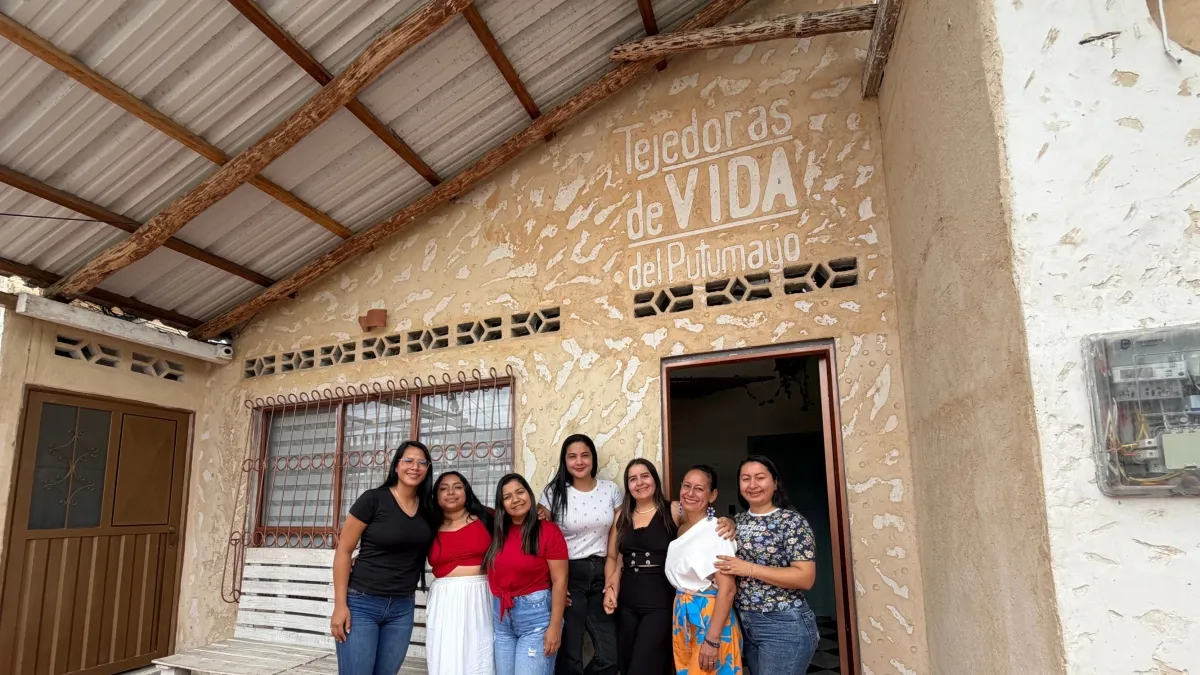
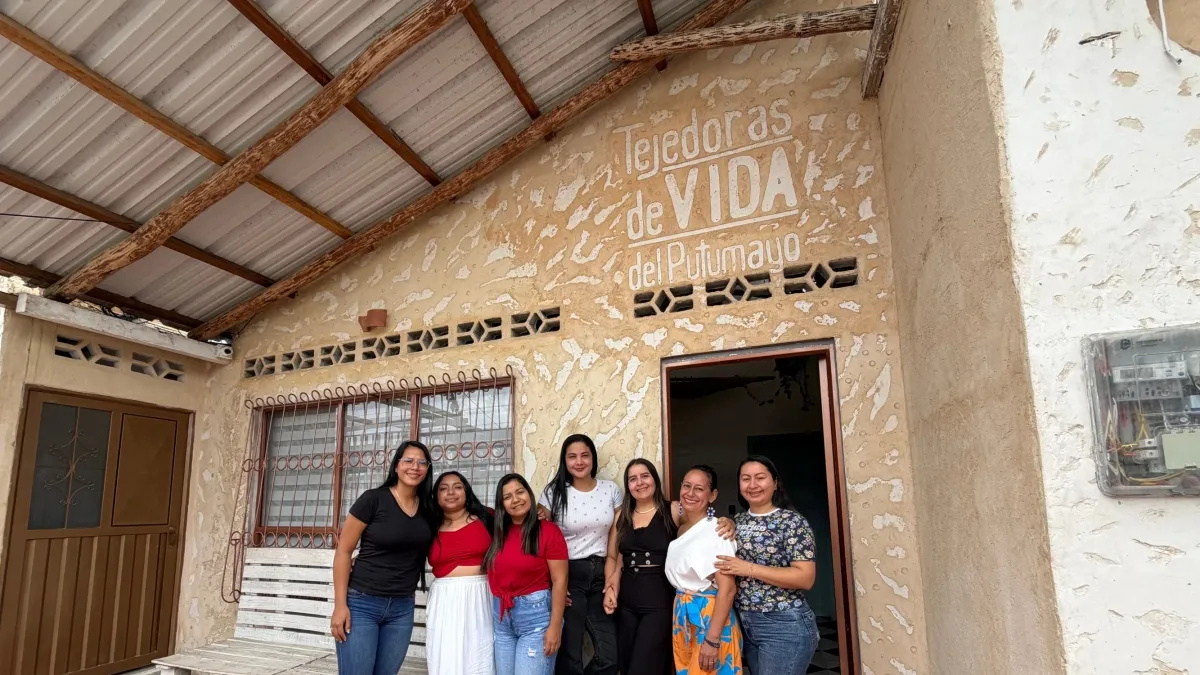
- Asociación Alianza Departamental de Organizaciones de Mujeres Tejedoras de Vida del Putumayo: Founded in 2005 by teachers, campesinas, indigenous women, and victims of the armed conflict, this coalition now binds 65 grassroots organizations representing roughly 2,000 women across Putumayo’s 13 municipalities. Over 1,000 members helped draft municipal and departmental public policies on gender equity. The alliance has assisted over 600 victims of gender-based violence, trained 1,400 women in rights and leadership, and deployed 150 "Water Guardians" to protect local river basins. Director Fátima Muriel de Flórez reflected: "It was born with tears, with the pain and desperation of uniting, helping, and protecting one another."
- Fundación Actitud Resiliente: Directed by Luis Alejandro Gutiérrez Soler in Villa del Rosario (Norte de Santander), this NGO operates along the volatile Venezuelan border, linking schools, families, and specialized clinicians to address soaring rates of youth mental health challenges and substance abuse. In 2025 alone, the foundation reached 3,000 students in school coexistence programs, supported 1,400 family units, referred 103 youths to clinical psychology, successfully reintegrated 143 students into formal education, trained 800 teachers in psychological first aid, and cultivated 191 youth leaders.
Official Responses and Perspectives
The prestige of the Alejandro Ángel Escobar Prizes lies not merely in the financial endorsement they provide, but in their capacity to validate long-term, unheralded intellectual labor.
Reflecting on the evaluation process, the jury members noted a recurring theme in the solidarity category: the realization that an organization does not need to scale to monumental proportions to become an indispensable pillar of its community. The rigorous peer-review panels for the scientific categories similarly emphasized the necessity of bridging basic field research with actionable public health and environmental policies.

Adding a modern, conceptual layer to the proceedings, the gala featured ATLAS for the second consecutive year. Directed by Andrés García La Rota, this experimental audiovisual piece integrated big data, cartographic archives, and artificial intelligence with the awarded research papers, transforming dense academic data into an immersive public experience designed to "make the invisible visible."
Implications for Colombia’s Future
The 2026 awards arrive at a critical crossroads for Colombia. As the nation grapples with shifting climate vulnerabilities—manifested in melting Andean glaciers, expanding vector-borne disease zones, and deep-sea oceanic frontiers—the empirical findings from institutions like Universidad El Bosque and Invemar offer indispensable roadmaps for national adaptation and biodiversity defense.
Simultaneously, the historical revisions championed by scholars like Muñoz-Arbeláez compel the country to confront the foundational complexities of its colonial past, dismantling homogenous narratives in favor of a nuanced understanding of indigenous resistance and negotiation.

In the social sphere, the recognition of Tejedoras de Vida and Actitud Resiliente underscores a profound sociological truth: true peace-building in Colombia is anchored in the localized, everyday courage of citizens who refuse to let systemic violence extinguish community empathy. By shining a national spotlight on these five primary laureates and seven honorable mentions—which included studies on early Latin American sound recordings, Chinese porcelains in the colonial era, dark matter signatures in distant galaxies, and Amazonian deforestation corridors—the Alejandro Ángel Escobar Foundation has once again reaffirmed that the intellectual and moral compass of Colombia remains vibrantly alive.