By [Journalist Name/Economic Desk]
July 23, 2026
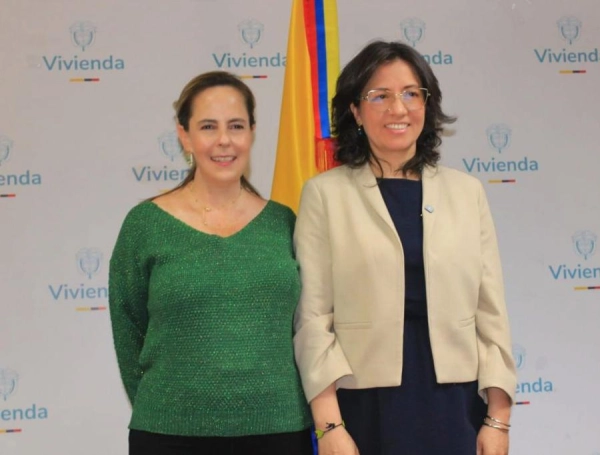
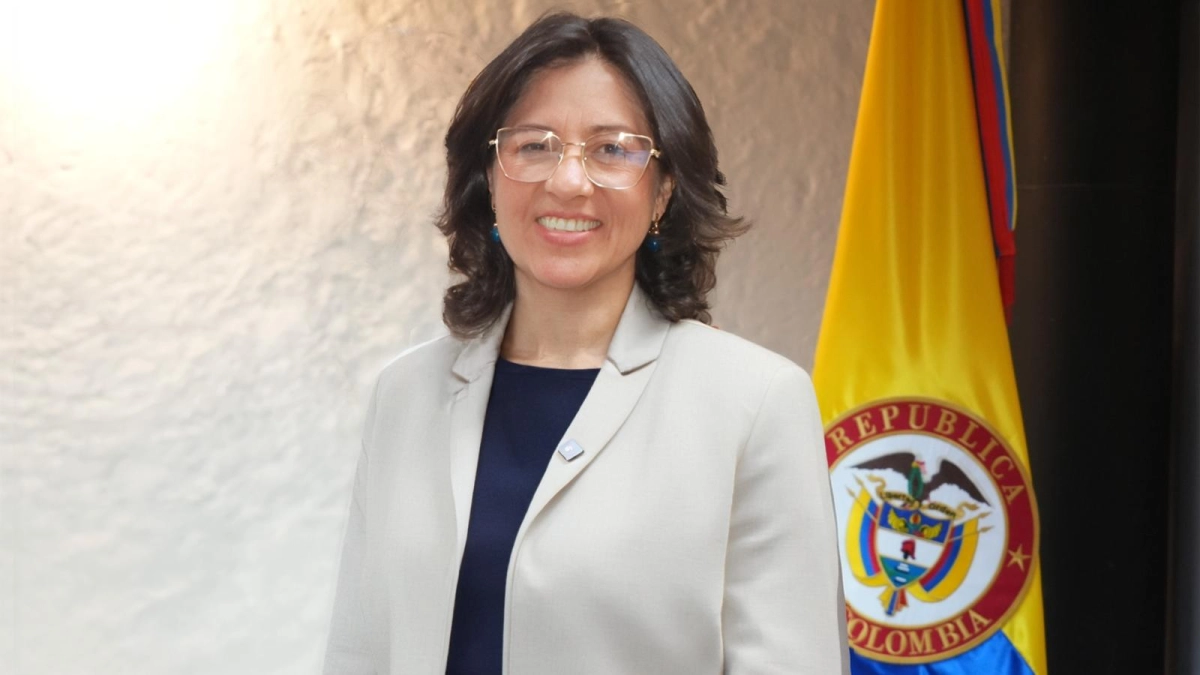
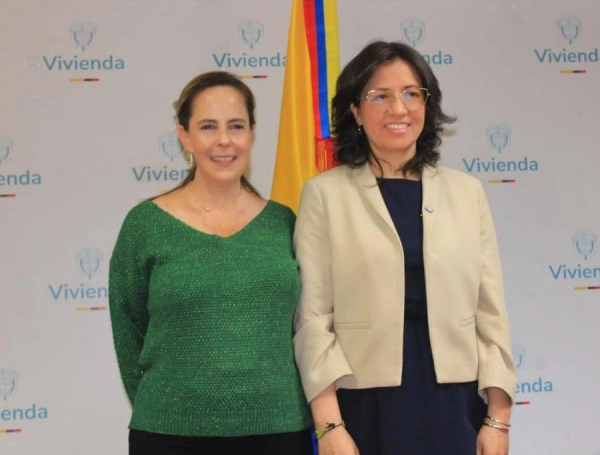
In a move that underscores the urgency of the current administrative transition, the Colombian government has finalized a significant cabinet adjustment. With only 15 days remaining in the current presidential term, President Gustavo Petro has officially appointed Ruth Maritza Quevedo as the Minister of Housing, City, and Territory (in an acting capacity). Quevedo, who previously served as the Vice Minister of Water and Basic Sanitation, steps into the role to replace Helga María Rivas, who had been at the helm of the ministry since July 2024.
This leadership change is not merely a routine administrative swap; it arrives at a pivotal juncture for the nation. Colombia is currently navigating a period of heightened vulnerability, defined by the government’s recent declaration of a national disaster in response to the severe threats posed by the El Niño climate phenomenon. As the administration prepares to hand over power, the Ministry of Housing faces the dual challenge of ensuring operational continuity while managing critical water security protocols across the country.
The Core Mandate: Continuity Amidst Turbulence
The appointment of Ruth Maritza Quevedo is widely viewed by political analysts as a strategic move to ensure stability in the water and sanitation sector. Given her background as Vice Minister, Quevedo possesses an intimate understanding of the technical and logistical hurdles involved in maintaining national water infrastructure during periods of extreme drought and climate instability.

Upon assuming her duties, the new minister signaled that her priority during this final fortnight would be the strengthening of institutional resilience. Her mandate is clear: to ensure that the government’s response to both current water shortages and potential future climate-related emergencies remains robust and coordinated.
"This is a critical moment for the nation," Quevedo stated shortly after her designation. "Following the President’s declaration of a national disaster due to the threat of El Niño, our primary objective is to intensify articulation with national and territorial entities. We are implementing a strict monitoring framework to ensure that vital decisions regarding water supply across the country are executed without delay or disruption."

A Chronology of the Leadership Transition
The Ministry of Housing has seen distinct shifts in leadership over the past two years, reflecting the broader challenges the Petro administration has faced in balancing urban development with the realities of climate change.
- July 2024: Helga María Rivas assumes leadership of the Ministry of Housing, City, and Territory, tasked with accelerating social housing programs and water infrastructure projects.
- November 2025: Ruth Maritza Quevedo is appointed as the Vice Minister of Water and Basic Sanitation, a role in which she oversaw the technical response to rising water stress in several Colombian regions.
- June 2026: The intensity of the El Niño phenomenon begins to impact national energy and water reserves, prompting internal cabinet evaluations regarding the efficacy of existing emergency protocols.
- July 23, 2026: President Gustavo Petro officially announces the departure of Helga María Rivas and the designation of Ruth Maritza Quevedo as the acting Minister of Housing, effective immediately.
This transition occurs during a "lame duck" period of the administration, where the focus shifts from initiating new policy to ensuring the sustainability of ongoing projects and the smooth handover of information to the incoming government.
Supporting Data: The Climate Context
The gravity of the current situation cannot be overstated. According to recent reports from the national environmental agencies, the combination of a prolonged El Niño cycle and the failure to reach optimal reservoir levels has placed the country in a state of high alert.
The Water-Energy Nexus
The crisis extends beyond urban housing and into the energy sector. Because a significant portion of Colombia’s electricity is generated through hydroelectric power, the depletion of water levels in reservoirs directly correlates to the risk of energy rationing. As of late July 2026, the country has spent 15 consecutive days struggling to reach the critical reservoir thresholds required to move away from the risk of widespread blackouts.

Regional Vulnerabilities
Data indicates that the most affected areas are in the Andean and Caribbean regions, where water stress is not only affecting households but also the agricultural sector. The Ministry of Housing’s role is crucial here, as it coordinates with regional water companies (Empresas de Servicios Públicos) to implement contingency plans, such as water rotation schedules and the deployment of mobile water treatment plants in areas where surface water sources have dried up.
Official Responses and Strategic Implications
The designation of Quevedo has been met with a mix of cautious optimism and intense scrutiny. Industry leaders in the construction and public utilities sectors have emphasized that while the transition is short, the institutional knowledge Quevedo brings to the table is vital.
The Ministry’s Stance
Internal sources within the Ministry of Housing indicate that the transition has been "harmonious and focused." Helga María Rivas, in her final days, expressed confidence in the team she built, noting that the groundwork for emergency water response was firmly established prior to her departure.
Industry and Stakeholder Perspectives
"What we need right now is not a reinvention of the wheel, but the steady hand of someone who knows the technical constraints," said a representative from a leading urban development think tank. "Quevedo has been in the engine room of the Ministry for over a year. She doesn’t need a learning curve; she can start implementing the emergency protocols on day one."

However, the political opposition has raised questions regarding the timing of the change. Some legislators have pointed to the 15-day window as an insufficient period to address structural issues, arguing that the focus should be on preparing a comprehensive report for the incoming administration to prevent a vacuum of power during the transition.
Addressing the Looming Crisis: What Lies Ahead
As Minister Quevedo steps into her new role, her agenda is dominated by three primary pillars:

- Strict Monitoring of Water Distribution: Working alongside the Superintendency of Public Services to oversee the operational efficiency of local water providers.
- Infrastructure Resilience: Expediting the completion of small-scale, high-impact projects designed to stabilize water supply in municipalities most susceptible to drought.
- The Transition Dossier: Ensuring that all data regarding the national disaster declaration, emergency funding allocations, and ongoing infrastructure projects are meticulously documented for the incoming Minister of Housing.
The Challenge of Coordination
The "articulation" mentioned by Minister Quevedo is perhaps the most difficult aspect of her role. In Colombia’s decentralized model, the central government must coordinate with departmental governors and municipal mayors to enforce water usage restrictions and emergency relief measures. This requires a high degree of political leverage—a commodity that is often limited during the final days of an administration.
Final Thoughts: A Legacy in the Balance
The appointment of Ruth Maritza Quevedo serves as a testament to the administration’s desire to end its term with a focus on technical competence and crisis management. While the political future of the country will soon be in new hands, the decisions made by the Ministry of Housing in these final 15 days will have tangible consequences for millions of citizens currently facing the threat of water scarcity.

As the country watches the reservoirs and the weather forecasts with equal intensity, the burden of leadership falls on Quevedo. Her ability to navigate the bureaucracy, manage the political pressures of a transition, and provide effective, immediate relief to the affected regions will define the final chapter of the current Ministry of Housing.
Whether this move will be sufficient to mitigate the worst of the potential El Niño impacts remains to be seen. However, by elevating a career expert in water and sanitation to the ministerial level, the government has signaled that, for these final two weeks, survival and stability take precedence over all other agendas.

For more information on the evolving economic situation and updates on the government’s response to the energy and water crisis, follow our ongoing coverage at [El Tiempo].