Date: Friday, September 25, 2026
Location: Washington, D.C. / Bogotá / Medellín / São Paulo
Executive Summary
The global news landscape for late September 2026 is defined by high-stakes diplomacy, remarkable cultural investments, historic milestones in female empowerment, and shifting corporate portfolios. From the diplomatic gardens of the White House, where U.S. and Chinese leadership have engaged in critical talks regarding Middle Eastern stability and global trade, to the vibrant neighborhoods of Bogotá and Medellín, communities are experiencing the convergence of international art and grassroots empowerment. Simultaneously, corporate arenas are witnessing breakthrough recognitions for Latin American fintech innovation, strategic divestments in South American manufacturing, and anticipatory retail booms tied to next-generation technology.
This comprehensive report synthesizes these multifaceted developments, examining their core facts, chronological progression, supporting data, official responses, and long-term implications for global commerce, geopolitics, and society.
1. Main Facts
The primary developments shaping the international and regional agenda include:
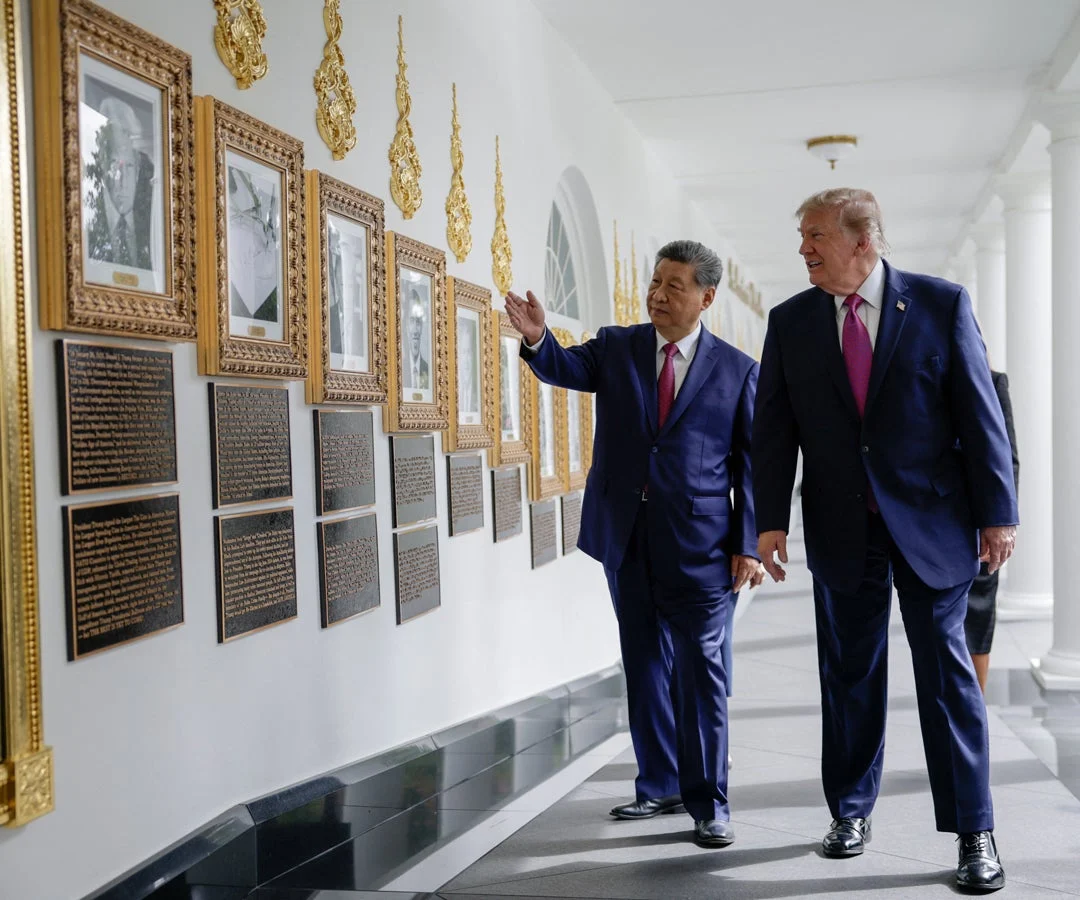
- U.S.-China Diplomatic Summit: Former and current U.S. figures met alongside global leadership. Specifically, Donald Trump (born 1946) and Chinese President Xi Jinping (born 1953) were photographed along the "Presidential Walk of Fame" in the White House colonnade before moving into the Oval Office. Their discussions centered on critical international hot spots, including Iran, Taiwan, and bilateral foreign trade. Notably, President Xi expressed Beijing’s official backing for Washington and Tehran to resume the provisional understanding established in June, which aims to de-escalate hostilities and secure the reopening of the strategic Strait of Hormuz.
- International Public Art in Bogotá: Renowned Spanish designer Ágatha Ruiz de la Prada (born 1960) designed and donated a large-scale mural in the Fontibón locality of Bogotá, Colombia. Part of the "FontiWalls" initiative—designed to stimulate urban art and foster cultural tourism—the intervention features her signature vibrant color palette and geometric motifs. The project was housed on a wall provided by the Fundación Tejido Fashion Mart, with all paints donated.
- Historic Female Leadership Engagement in Medellín: The Estímulos a los Talentos y Liderazgos de las Mujeres 2026 initiative, spearheaded by the Mayor’s Office of Medellín and the Fundación Grupo EPM, reached its high-stakes pitch stage. A record 100 women will present their initiatives and professional trajectories to a panel of judges, following an unprecedented 743 applications—the highest turnout in the program’s history. Participants are competing across 12 distinct categories and eight special mentions spanning fields such as scientific research and technology.
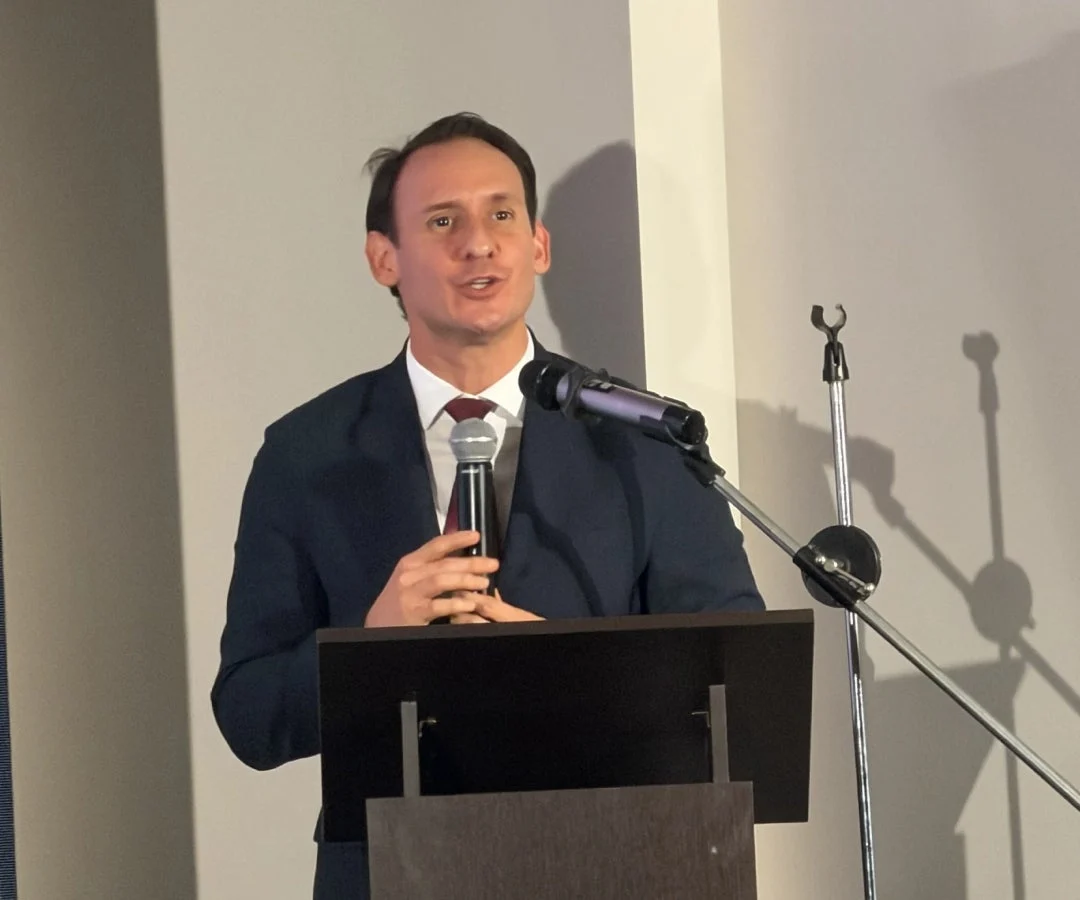
- Global Recognition for Fintech (Addi): Colombian-founded startup Addi was named to Fortune magazine’s prestigious "Change the World 2026" list within the Economic Empowerment category. This index honors 50 global companies utilizing their core business models to create measurable social impact, placing Addi alongside heavyweights such as Alibaba, Anthropic, Nu, Alphabet, and Walmart. CEO Santiago Suárez (born 1985) emphasized that the honor validates the integration of credit access and sustainable growth.
- Corporate Divestment in Brazil: Grupo Imsa announced plans to divest 100% of its equity stake in its Brazilian subsidiary, Anderpol do Brasil Participações Ltda. The transaction will simultaneously divest the group’s indirect holdings in Novapol Plásticos Ltda., a wholly owned subsidiary of Anderpol.
- Retail and Consumer Sector Highlights: Industry trackers noted several burgeoning trends, including upcoming evaluations of the world’s top cafes, legislative relief frameworks allowing debtors to pay reduced administrative penalties, and projections by iShop anticipating a 50% surge in sales driven by the anticipated rollout of the iPhone 18.
2. Chronology of Events
To understand how these disparate events unfolded, a chronological tracking of the key milestones offers critical context:
- June 2026: The United States and Iran reach a fragile provisional understanding aimed at curbing active military engagement and restoring transit security through the vital Strait of Hormuz.
- Mid-September 2026:
- Medellín’s Estímulos a los Talentos y Liderazgos de las Mujeres closes its application window, registering an all-time high of 743 submissions.
- Fortune finalizes its evaluations for the "Change the World 2026" rankings, vetting hundreds of candidates for measurable social impact.
- September 24, 2026:
- Chinese President Xi Jinping arrives in Washington, D.C., for bilateral talks.
- Spanish designer Ágatha Ruiz de la Prada finalizes her large-scale urban mural installation in Fontibón, Bogotá, collaborating with local foundations to revitalize public space.
- September 25, 2026:
- President Xi Jinping and Donald Trump meet at the White House, walking the colonnade before entering the Oval Office to discuss Iran, Taiwan, and trade policies. Xi voices Beijing’s support for the renewed U.S.-Iran diplomatic track regarding the Strait of Hormuz.
- Grupo Imsa formally discloses its Brazilian divestment strategy.
- Addi’s inclusion in the Fortune "Change the World" list is publicly announced and celebrated by its executive leadership.
3. Supporting Data and Metrics
The scale and significance of these events are underscored by quantitative metrics across politics, art, and finance:
- Geopolitical Scale: The U.S.-China dialogue impacts global trade routes accounting for trillions of dollars, while the Strait of Hormuz remains a critical artery through which approximately 20% of the world’s petroleum passes daily.
- Urban Cultural Investment: The Fontibón mural covers hundreds of square feet of urban infrastructure, utilizing 100% donated materials from private sector entities like the Fundación Tejido Fashion Mart to eliminate public expenditure while maximizing aesthetic return.
- Empowerment Metrics: The 2026 Medellín talent initiative recorded 743 applications, representing a massive surge in engagement. One hundred finalists were selected to pitch across 12 categories and 8 special mentions, highlighting a robust pipeline of female leadership in scientific and civic innovation.
- Corporate Impact Rankings: Addi joins an elite cohort of only 50 companies worldwide recognized by Fortune, validating its model of expanding formal credit infrastructure across underserved Latin American populations.
- Retail Projections: Consumer tech distributors like iShop are forecasting a 50% increase in hardware sales contingent upon the regional arrival and adoption cycles of the forthcoming iPhone 18.
4. Official Responses and Statements
Key stakeholders and executives have issued statements reflecting the gravity and optimism surrounding these developments:
- On International Trade and Regional Stability: While formal readouts from the White House meeting continue to be processed by diplomatic corps, foreign policy analysts noted that Beijing’s endorsement of the U.S.-Iran provisional understanding signals a pragmatic approach by China toward keeping maritime trade routes open and avoiding inflationary energy shocks.
- On Urban Art and Community Development: Local cultural coordinators in Bogotá praised the intervention by Ágatha Ruiz de la Prada, noting that FontiWalls transforms neglected industrial zones into open-air galleries that attract cultural tourism, reduce local vandalism, and foster civic pride.
- On Female Leadership in Latin America: Representatives from the Mayor’s Office of Medellín emphasized that the unprecedented number of applicants reflects the city’s growing maturity as an innovation hub where women lead scientific research, social entrepreneurship, and economic development.
- On Fintech and Social Impact: Santiago Suárez, CEO and co-founder of Addi, remarked on the company’s recognition by Fortune:
"This recognition confirms that access to credit and sustainable corporate growth must be part of the exact same strategy. Financial inclusion is not merely a philanthropic endeavor; it is the bedrock upon which modern, equitable digital economies must be built."
5. Implications and Outlook
The events of late September 2026 carry profound implications for multiple sectors globally:
Geopolitical and Macroeconomic Outlook
The high-level diplomatic choreography in Washington highlights the delicate balance between geopolitical rivalry and economic interdependence. Should Beijing’s diplomatic backing help solidify the U.S.-Iran understanding regarding the Strait of Hormuz, global energy markets could experience sustained stability, mitigating inflationary pressures heading into the final quarter of the year. Simultaneously, trade talks between Washington and Beijing will continue to serve as the weather vane for global supply chain restructuring.
Urban Regeneration and Cultural Tourism
Public-private partnerships like those seen in Fontibón demonstrate a scalable model for urban renewal across Latin American metropolises. By leveraging international artistic talent alongside local philanthropic infrastructure, cities can revitalize marginalized zones without draining municipal coffers, simultaneously boosting local foot traffic and cultural tourism.
Financial Inclusion and Corporate Responsibility
Addi’s inclusion in the Fortune rankings signals a broader structural shift in how global institutions view emerging market fintech. As investors increasingly prioritize Environmental, Social, and Governance (ESG) metrics with verifiable impact, companies that embed social mobility directly into their core credit models will likely capture disproportionate capital inflows.
Regional Manufacturing and Consumer Retail
Grupo Imsa’s strategic retreat from its Brazilian plastics subsidiaries indicates a corporate trend toward portfolio rationalization, as firms refocus capital on core domestic markets or high-margin verticals. Conversely, consumer-facing technology sectors remain remarkably buoyant, with retailers anticipating aggressive consumer demand cycles driven by next-generation hardware launches like the iPhone 18.
As September 2026 draws to a close, these diverse threads—ranging from presidential diplomacy to grassroots female leadership and digital financial integration—illustrate an interconnected global economy actively adapting to shifting political and technological frontiers.