By Judicial Reporting Desk
Updated: October 31, 2026
In a high-stakes international operation, Colombian authorities have successfully apprehended José Ramiro Tobón Osorio, a high-profile criminal operative known in the underworld as "El Viejo." His capture in the city of Pereira marks a significant blow to a sophisticated, transcontinental drug trafficking syndicate that had successfully utilized the guise of legal coffee exports to infiltrate European markets with illicit shipments of cocaine.
The operation, which was finalized following an intensive investigation by the Cuerpo Técnico de Investigación (CTI) of the Colombian Prosecutor’s Office, brings to light the complex logistical networks currently employed by cartels to bypass modern security protocols. Tobón Osorio was identified as the primary mastermind behind a strategy to move illicit substances through South America into Europe, a path that ultimately led him into the crosshairs of Peruvian justice and international law enforcement.
The Capture: A Coordinated International Effort
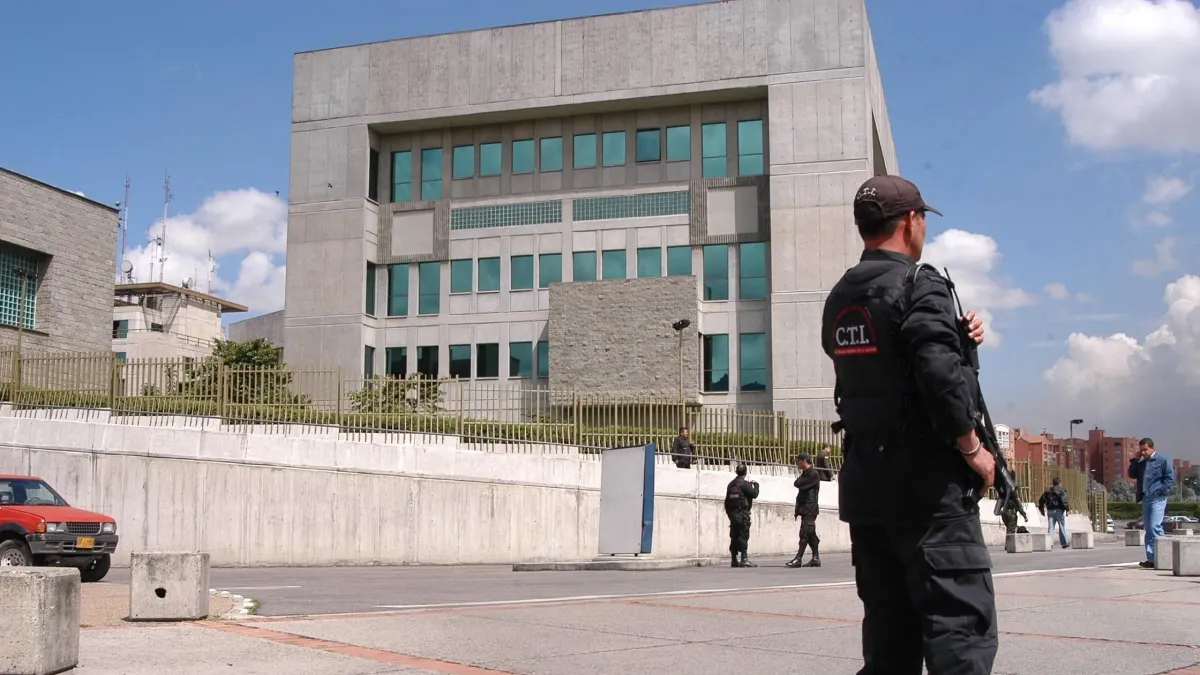
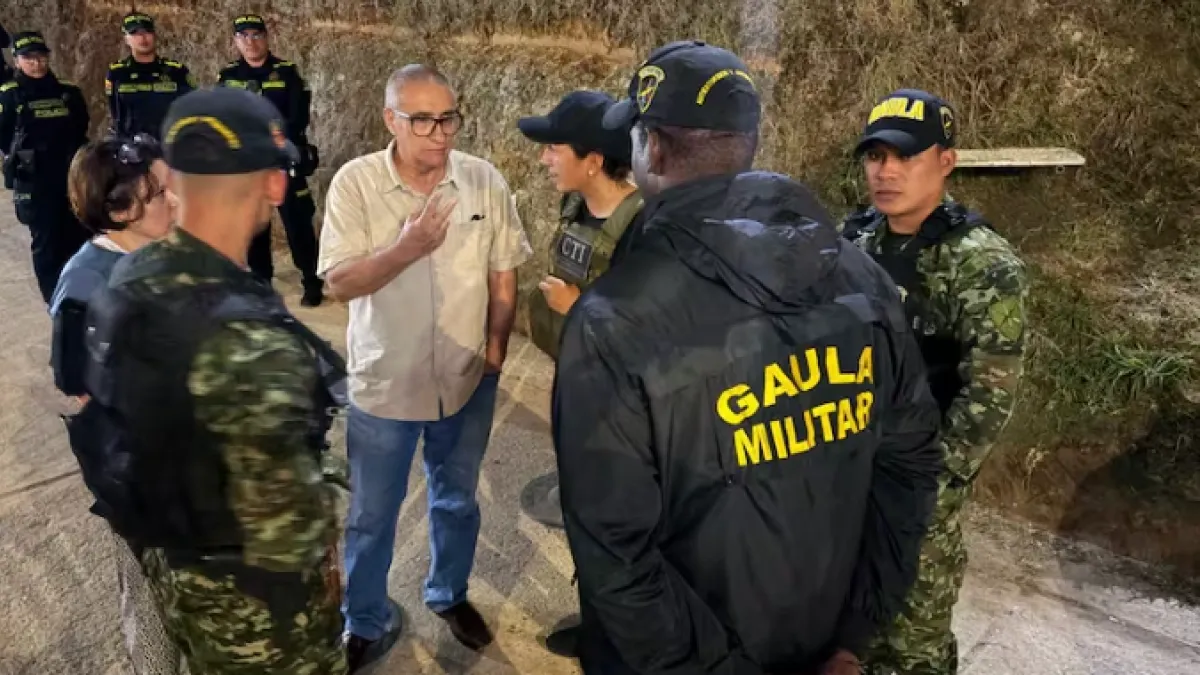
The neutralization of "El Viejo" was not the result of a singular act, but rather a multi-agency operation that spanned several months of meticulous surveillance. The operation was executed by the CTI’s specialized Unit for Fugitive Investigations (FIU), in direct collaboration with the Colombian National Army and the United States Marshals Service.

The arrest was triggered by a "Red Notice" issued by Interpol, acting on behalf of the Peruvian judiciary. Peruvian authorities, specifically the Second Special Transitory Superior Penal Chamber for Organized Crime, have been building a case against Tobón Osorio for aggravated illicit drug trafficking. When the fugitive was located in the Risaralda region, the joint task force moved with precision to ensure his detention without incident, effectively ending his ability to coordinate further shipments.
The Modus Operandi: Coffee as a Shield
According to confidential investigative reports, Tobón Osorio’s organization operated with a level of sophistication that prioritized the "legitimization" of illegal cargo. By camouflaging high-purity cocaine within legitimate shipments of Colombian coffee, the organization sought to exploit the high volume of agricultural exports to mask their activities from customs and anti-narcotics scanners.

The logistical chain described by investigators suggests that the cocaine was consolidated in Colombia before being routed through Peru and other South American nodes. Once the shipments arrived in these secondary countries, they were allegedly "re-packaged" or integrated into larger commercial export flows destined for the Netherlands and other European ports. This multi-country transit strategy was specifically designed to obfuscate the origin of the product, making it difficult for European authorities to trace the shipments back to their source in the Andean region.
Chronology of the Investigation
The downfall of "El Viejo" is the culmination of a long-term intelligence initiative. While the final capture occurred on October 31, 2026, the investigation into this specific network began years earlier:
- 2023-2024: Preliminary intelligence reports suggest the organization began intensifying its cross-border operations between Colombia and Peru. The use of agricultural fronts was identified during this period as a primary tactic.
- Early 2025: Interpol began coordinating with South American law enforcement agencies after significant seizures of cocaine in European ports were traced back to containers originating from a shared, although disguised, supply chain.
- Mid-2026: The Peruvian judiciary formally requested the capture of José Ramiro Tobón Osorio, identifying him as the ringleader.
- October 2026: The FIU and U.S. Marshals confirmed the presence of the suspect in Pereira, Risaralda.
- October 31, 2026: Execution of the arrest warrant and successful detention of "El Viejo."
Official Responses and Judicial Implications
Following the capture, Tobón Osorio was placed under the custody of the Colombian Prosecutor’s Office. The legal process for his extradition to Peru is now the primary focus of the judicial branch. The Prosecutor’s Office is currently preparing the necessary diplomatic and administrative documentation to formalize the handover.
"This capture represents a fundamental success in the fight against transnational organized crime," stated a spokesperson for the judicial authorities. "By dismantling the leadership of this network, we are disrupting not only the flow of drugs but the intricate web of logistics that allows such organizations to operate across borders."
The legal proceedings are expected to be complex, given the international nature of the charges. Tobón Osorio’s defense team is likely to contest the extradition, which will require the Colombian government to demonstrate that the evidentiary standards set by the Peruvian court meet the bilateral agreements currently in force.
The Broader Context: Drug Trafficking in 2026
The arrest of "El Viejo" highlights a persistent trend in the 2020s: the evolution of drug trafficking from traditional cartels into decentralized, service-based criminal syndicates. These organizations often act as "logistics providers" for various factions, using legitimate trade routes—such as the coffee, banana, and flower export sectors—to hide their illicit cargo.

The involvement of the United States Marshals Service in this case underscores the global dimension of the threat. With European consumption rates reaching new highs, the ports of Rotterdam and Antwerp have become the primary focus of these criminal groups. Colombia, while remaining the largest producer of cocaine globally, has seen its traffickers pivot toward more subtle and diversified methods of transport.
The use of Peru as a transit point is a critical detail. By utilizing Peruvian infrastructure, traffickers attempt to benefit from less rigorous scrutiny on goods coming from "secondary" ports compared to those coming directly from Colombian hubs. This case confirms that intelligence sharing between South American nations is more vital than ever to counter these adaptive tactics.

Implications for the Coffee Industry
For the Colombian coffee sector, which is a pillar of the national economy and a point of pride, the exploitation of their product by criminal networks is a constant concern. Organizations like the National Coffee Growers Federation have repeatedly implemented stricter security protocols to prevent the contamination of shipments. However, as the case of "El Viejo" demonstrates, criminal elements often rely on inside information or high-level bribery to gain access to containers that have already cleared internal security checks.
The arrest serves as a reminder of the need for advanced AI-driven screening and public-private partnerships. Law enforcement agencies are now looking toward blockchain technology and real-time tracking to ensure that the integrity of agricultural exports remains untarnished by the shadow of the narcotics trade.

Conclusion: What Lies Ahead
As the legal wheels turn, the case against José Ramiro Tobón Osorio will likely set a precedent for how Colombia handles extradition requests from neighboring nations for organized crime offenses. The success of the operation stands as a testament to the efficacy of international cooperation, particularly the synergy between local prosecutors and international entities like Interpol and the U.S. Marshals.
For now, "El Viejo" remains in custody, awaiting the formalization of his transfer. While his removal from the streets of Pereira is a victory for law enforcement, it also serves as a stark reminder that the fight against global drug trafficking is an ongoing battle, requiring constant vigilance and the adaptation of new, more sophisticated strategies to counter the ever-evolving methods of those who seek to profit from the misery of the international narcotics trade.

The public, the judicial system, and the international community will be watching closely as the extradition process unfolds, marking a critical chapter in the broader campaign to restore order and legality to the region’s vital trade routes.