By Digital Scope Editorial Desk
Published: October 20, 2026
Main Facts: The Intersection of Convenience, Nutrition, and Culinary Nostalgia
In the fast-paced landscape of modern daily life, mornings have increasingly become a battleground against the clock. For millions of working professionals, students, and parents, assembling a nutritious breakfast before rushing out the door is a daily logistical challenge. Enter the phenomenon of "overnight oats"—a no-cook, meal-prepped culinary trend that has taken social media by storm.
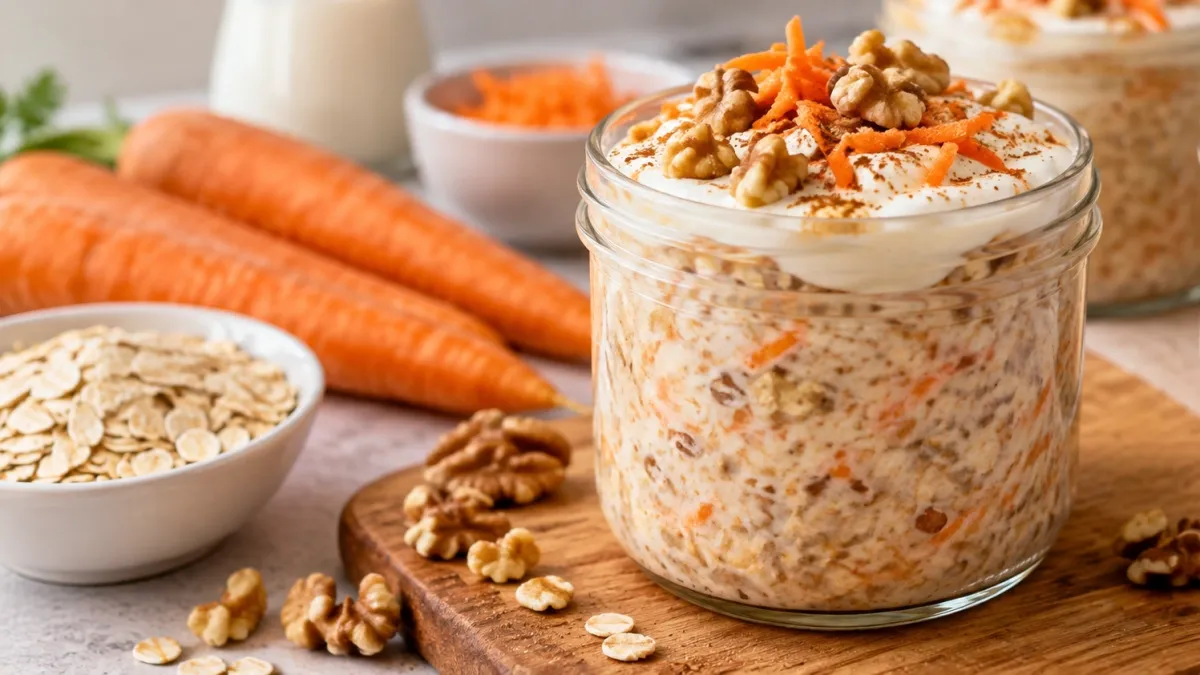
Among the countless iterations circulating digital platforms, a particular recipe popularized by lifestyle content creator Jess Carter has captured the public imagination: the Carrot Cake Overnight Oats.
This innovative breakfast solution bridges the gap between indulgent dessert flavors and clean eating. By marrying traditional ingredients like rolled oats, Greek yogurt, and almond milk with grated carrots, walnuts, chia seeds, and warm spices, the dish successfully mimics the complex, comforting flavor profile of a classic bakery carrot cake. Yielding approximately three balanced portions per batch, the recipe eliminates morning cooking entirely, relying instead on hours of chemical and physical transformation inside a refrigerated jar to achieve a rich, velvety texture.

The viral appeal of the dish lies not just in its flavor, but in its nutritional density. Combining the complex carbohydrates of whole oats with the plant-based omega-3 fatty acids of chia seeds, the protein boost of Greek yogurt, and the micronutrients found in root vegetables and nuts, this breakfast transforms a quick weekday bite into a powerhouse of wellness.
Chronology: The Evolution of the No-Cook Breakfast Movement
To understand how a dessert-inspired breakfast bowl became a morning staple, it is necessary to examine the timeline of meal-prepping culture and the evolution of overnight oats.

- Early 2010s — The Birth of Overnight Oats: Originally popularized by health bloggers and early fitness influencers, the concept of soaking raw rolled oats in milk or yogurt overnight gained traction as a time-saving hack for athletes needing sustained morning energy without stove-top preparation.
- The Social Media Boom (2020–2024): As platforms like TikTok, Instagram Reels, and YouTube Shorts expanded, food creators began experimenting beyond basic milk-and-oat mixtures. The addition of protein powders, seeds, fruit purees, and gourmet flavor profiles turned overnight oats into a visual art form.
- October 2026 — The Carrot Cake Innovation: Lifestyle creator Jess Carter published a comprehensive guide on her YouTube channel detailing a multi-portion, carrot-cake-inspired recipe. By introducing specific ratios of grated vegetables, spices like nutmeg and cinnamon, and a dedicated frosting layer, Carter elevated simple soaked oats into a gourmet, multi-layered culinary experience. Within days, the recipe migrated across digital publications, cementing itself as a prominent weekend meal-prep trend for the fall season.
Supporting Data and Nutritional Composition
The science behind overnight oats is rooted in absorption and cellular structure. When raw rolled oats and chia seeds are submerged in liquids—such as almond milk and Greek yogurt—over a prolonged period (ideally between four to eight hours), they undergo a passive hydration process.
Core Ingredients Breakdown (Yields 3 Portions)
- The Liquid & Creamy Base: 250 grams of Greek yogurt combined with 250 milliliters of almond milk (substitutable with dairy or other plant-based alternatives). This provides a dual-layer texture where fats and proteins suspend the dry ingredients, creating a custard-like mouthfeel.
- The Sweeteners & Enhancers: 2 tablespoons of honey or maple syrup, paired with 1 teaspoon of vanilla extract and a pinch of salt.
- The Star Vegetable: Finely grated fresh carrots (washed, peeled, and minced to avoid large, intrusive textures).
- The Structural Elements: Rolled oats (preferably soft varieties for optimal post-refrigeration absorption), chopped walnuts, a quarter-teaspoon of nutmeg, and optional ground cinnamon.
- The Superfoods: 30 grams of chia seeds, which act as a binding agent while introducing vital dietary fiber and plant-based omega-3 fatty acids.
The Yogurt Frosting Layer
To fully capture the essence of a carrot cake, the recipe incorporates a secondary topping element mixed separately and applied upon serving:
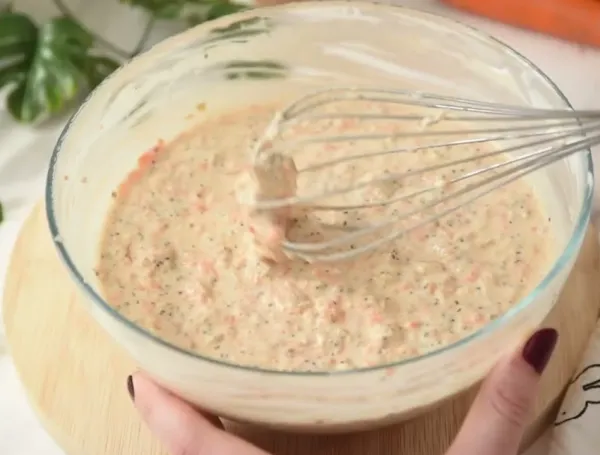
- Greek yogurt base
- A touch of maple syrup or honey
- A dash of vanilla extract
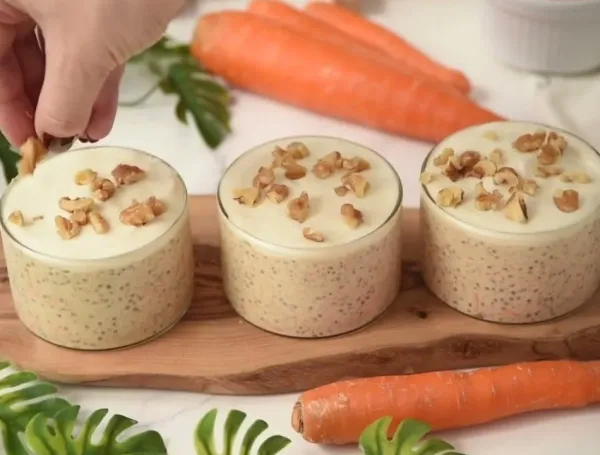
When layered over the primary oat mixture and garnished with extra chopped walnuts and a dusting of grated carrot, the dish mimics the visual and textural presentation of a high-end café pastry while remaining entirely wholesome.
Step-by-Step Preparation Protocol
For those looking to replicate the viral recipe at home, culinary experts recommend adhering to a precise staging protocol to ensure optimal flavor distribution and texture:

- Vegetable Preparation: Thoroughly wash, peel, and finely grate the carrots. Fine grating is crucial; large fragments will disrupt the smooth, cohesive mouthfeel of the final dish.
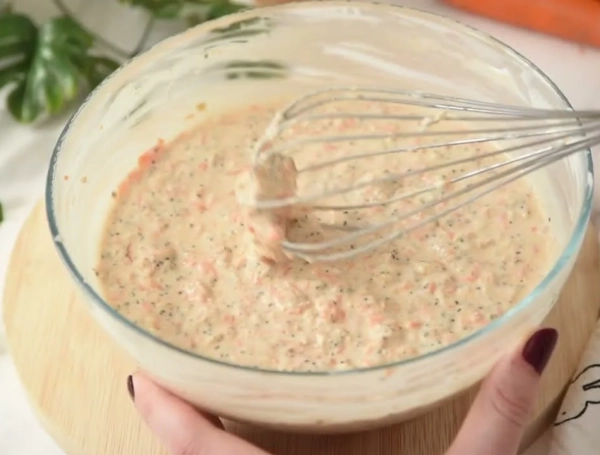
- Base Emulsification: In a large mixing bowl, whisk together the Greek yogurt and almond milk until smooth. Incorporate the honey (or maple syrup) and vanilla extract, stirring continuously until fully integrated.
- Vegetable Incorporation: Fold the finely grated carrots into the wet mixture, ensuring they are evenly suspended throughout the liquid.
- Dry Goods and Spices: Add the rolled oats, chopped walnuts, nutmeg, and cinnamon. Introduce the salt and chia seeds last, stirring vigorously to prevent the chia seeds from clumping together in pockets.
- The Rest Phase: Transfer the mixture into an airtight container or individual glass jars. Seal tightly and refrigerate for a minimum of four hours—though an overnight rest (8 to 12 hours) is strongly advised to allow maximum liquid absorption.
- Assembly and Garnish: Upon serving, divide the chilled mixture into three individual bowls. Top each portion with a generous spoonful of the vanilla-yogurt frosting, followed by a final sprinkle of crushed walnuts and fresh carrot shreds.
Implications: The Shift Toward Mindful Convenience
The viral success of recipes like the carrot cake overnight oats points to broader shifts in consumer psychology, nutritional habits, and lifestyle design in the mid-2020s.
1. The Redefinition of Fast Food
For decades, "fast food" was synonymous with processed items, drive-thrus, and high sodium content. Today, digital creators are redefining fast food as "prepared-ahead whole foods." By shifting labor to the weekend or the evening prior, consumers reclaim their mornings without sacrificing nutritional integrity.
2. Emotional Eating and Health Convergence
Diet culture has historically relied on restriction and deprivation, often pitting health against flavor. Recipes that emulate indulgent desserts—such as carrot cake, tiramisu, or berry cheesecakes—using wholesome, nutrient-dense ingredients psychological reframe dieting. Consumers no longer feel they are "sacrificing" flavor to eat healthily; instead, they are enjoying comfort foods optimized for longevity and daily performance.
3. The Democratization of Culinary Art
Platforms like YouTube and TikTok have transformed home kitchens into experimental laboratories. Content creators act as modern culinary educators, breaking down complex flavor profiles into accessible, low-barrier steps. As more individuals adopt meal-prepping habits, public health trends indicate a gradual decrease in reliance on ultra-processed morning snacks, fostering a culture of mindful, intentional eating that supports both physical vitality and mental peace.