By Justice Desk Reporting
Updated: July 24, 2026
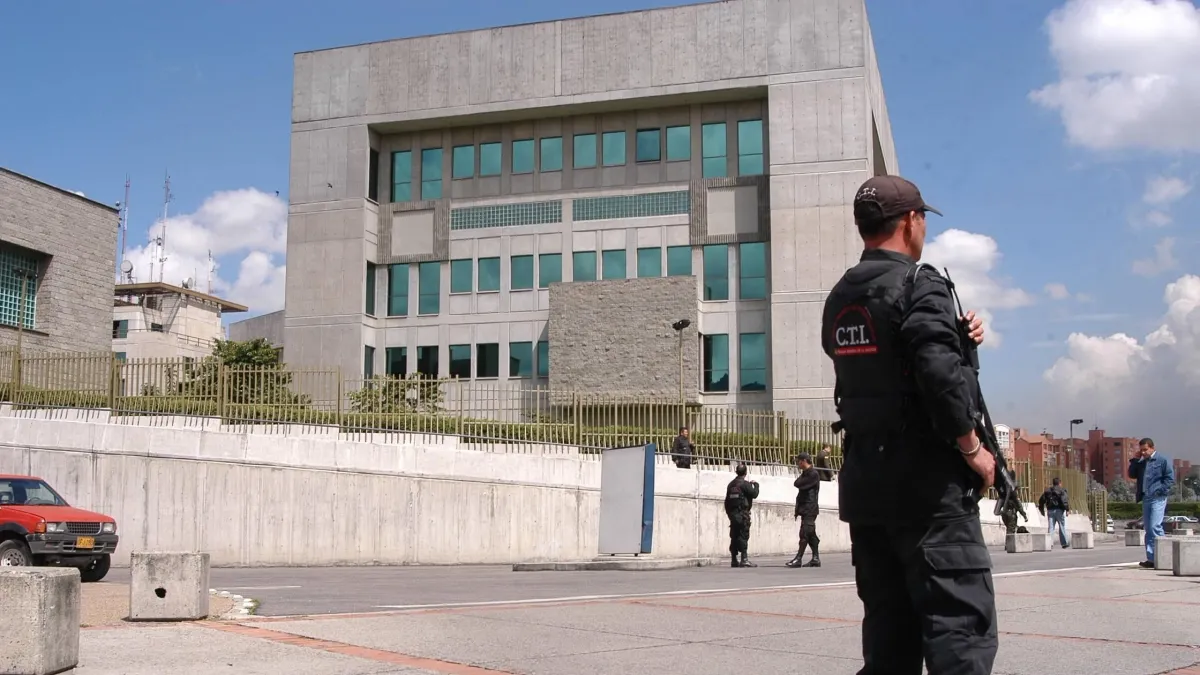
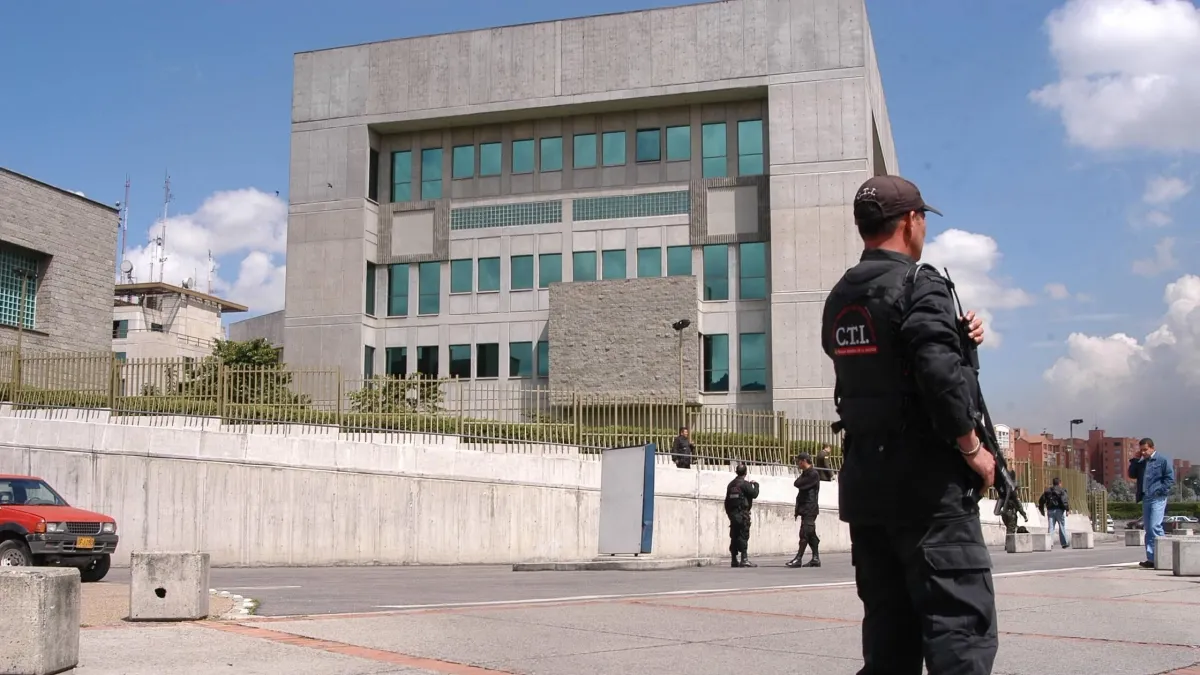
The Colombian Prosecutor’s Office (Fiscalía General de la Nación), through its specialized unit dedicated to animal welfare, the Special Group for the Fight Against Animal Abuse (GELMA), has intensified its nationwide crackdown on perpetrators of violence against domestic animals. In a series of recent legal actions, the office successfully brought two separate cases before guarantee control judges, marking a significant step in the ongoing effort to enforce animal protection laws across the country.
The two individuals, identified as Javier Trujillo Penagos and Miguel Gaitán, face serious criminal charges following alleged acts of cruelty committed in the departments of Chocó and Cundinamarca, respectively. These cases, while geographically distinct, highlight a persistent pattern of domestic animal abuse that continues to challenge judicial authorities and animal welfare advocates alike.
The Nuquí Incident: A Tragic Act of Violence in Chocó
The first case involves the arrest of Javier Trujillo Penagos, following a harrowing event in the municipality of Nuquí, Chocó, on September 6, 2025. According to investigative reports provided by the Prosecutor’s Office, the incident took place in the La Unión neighborhood, a sector where community vigilance played a decisive role in the immediate response of the authorities.
The Chronology of the Attack
The sequence of events began when local residents witnessed an altercation involving a domestic dog. The animal’s owner subsequently identified Trujillo Penagos as the individual responsible for the assault. According to the formal complaint, the suspect utilized a sharp-edged weapon to inflict fatal wounds upon the canine.
The severity of the injury was immediate, and despite the shock of onlookers, the community’s rapid report to the local police force allowed for a swift intervention. Officers arrived at the scene and apprehended Trujillo Penagos in flagrante delicto (in the act). Following his detention, the Prosecutor’s Office moved to formally charge him with the crime of animal death, a charge that carries significant weight under Colombian Law 1774 of 2016, which recognizes animals as sentient beings and establishes penalties for their mistreatment.

The Facatativá Case: A Prolonged Battle for Justice
In a separate development, the Prosecutor’s Office addressed a case originating from Facatativá, Cundinamarca, involving the death of a dog named "Tobi." Unlike the Nuquí case, which was characterized by immediate physical violence leading to an instant death, the case against Miguel Gaitán involves a more prolonged period of suffering that eventually culminated in the animal’s demise.
The Circumstances of Tobi’s Death
According to evidence gathered by investigators, the abuse occurred in November 2022. The allegations state that Miguel Gaitán subjected the dog, Tobi, to a series of violent physical beatings. The trauma inflicted upon the animal was severe enough to require emergency veterinary intervention.
While Tobi was transported to a medical facility for treatment, the extent of the internal and external injuries proved catastrophic. The animal succumbed during a surgical procedure performed days later, directly linked to the physical trauma caused by the alleged perpetrator. For months, the case remained under investigation as prosecutors gathered medical records and testimony to establish the causal link between the abuse and the death of the dog. Gaitán has now been formally charged with animal abuse, signaling that the judicial system is increasingly willing to pursue justice even when the death of the animal occurs days after the initial act of cruelty.

GELMA: An Institutional Bulwark Against Abuse
The existence and operational capacity of the Special Group for the Fight Against Animal Abuse (GELMA) have fundamentally shifted the landscape of animal rights in Colombia. Established as a strategic response to rising public outcry, GELMA acts as a specialized arm of the Prosecutor’s Office that bridges the gap between public reports and the actual prosecution of perpetrators.
Supporting Data and Methodology
Since its inception, GELMA has processed thousands of complaints. Their methodology is highly structured:
- Intake and Verification: Reports are received from citizens, NGOs, and local police.
- Investigation: Specialized investigators, including forensic veterinarians, gather evidence to prove the intent and the physical harm caused to the animal.
- Legal Presentation: Prosecutors present the gathered evidence before judges to secure indictments and proceed toward trial.
This systemic approach is crucial. Historically, cases of animal abuse were often dismissed as minor infractions. Today, the involvement of GELMA ensures that these incidents are treated as criminal matters, often involving prison sentences, fines, and the potential for mandatory behavioral rehabilitation for the offenders.

The Legal Implications: Law 1774 of 2016
The current prosecutions of Trujillo Penagos and Gaitán are grounded in the legal framework established by Law 1774. This law was a watershed moment for animal rights in Colombia, shifting the status of animals from "movable property" to "sentient beings."
Judicial Consequences
Under this legal framework, those convicted of causing the death of an animal or inflicting severe suffering face:
- Imprisonment: Sentences can range from 12 to 36 months depending on the severity of the act.
- Special Circumstances: The penalty increases if the act is committed in the presence of a minor, involves sexual abuse, or is carried out by a public servant or a person entrusted with the animal’s care.
- Monetary Fines: Heavy fines ranging from 5 to 60 monthly legal minimum wages are imposed to discourage future abuse.
The Prosecutor’s Office has confirmed that both Trujillo Penagos and Gaitán will remain linked to their respective penal processes. They are currently prohibited from leaving the jurisdiction while the judicial system determines the final sentencing. These active processes serve as a deterrent and a reminder that the Colombian judiciary is committed to the protection of vulnerable creatures.

Societal Impact and the Role of the Community
The success of these two specific cases highlights a vital shift in Colombian society: the role of the "active citizen." In both the Nuquí and Facatativá incidents, the involvement of local residents was the catalyst for the judicial process.
The Power of Reporting
The Prosecutor’s Office frequently emphasizes that without the active participation of neighbors and owners, many of these cases would never come to light. The "culture of silence" regarding domestic violence—including the violence against pets—is slowly being eroded. Digital platforms, social media, and dedicated helplines provided by the National Police and the Prosecutor’s Office have made it significantly easier for individuals to report abuse safely and effectively.
However, advocates warn that while these arrests are a victory, they are only a fraction of the total number of abuse incidents occurring across the country. The challenge remains in the rural and remote regions, such as parts of Chocó, where access to veterinary care and law enforcement is often limited.

Future Outlook: Challenges for the Judicial System
While the Prosecutor’s Office continues to secure indictments, legal experts point out several challenges that lie ahead:
- Forensic Limitations: Determining the exact cause of death in cases where the animal has been buried or the scene has been compromised remains a technical hurdle. The need for more specialized forensic veterinarians across all departments is a priority.
- Trial Delays: The overburdened nature of the Colombian judicial system often means that cases like these can drag on for years, which can lead to fatigue among witnesses and complainants.
- Prevention vs. Prosecution: While prosecuting offenders is necessary, public policy experts argue that more investment is needed in educational campaigns and low-cost sterilization programs to prevent the conditions that lead to frustration and abuse.
Official Stance
The Prosecutor’s Office remains steadfast in its mandate. "The protection of animals is a priority for this institution," a representative noted during the announcement of these charges. "We are committed to ensuring that every individual who violates the rights of a sentient being faces the full weight of the law."
As the cases against Trujillo Penagos and Gaitán move toward their respective trials, they stand as symbols of a changing legal and moral landscape in Colombia. The path toward a society that treats all living beings with dignity is long, but through the consistent application of the law, the state is sending a clear message: animal cruelty will no longer be ignored, and justice will be pursued with the same rigor as in any other criminal investigation.

For citizens who wish to contribute to this effort, the Prosecutor’s Office continues to urge the public to report any evidence of animal mistreatment through their official channels, ensuring that every report is handled with the appropriate level of urgency and professionalism.