By Editorial Staff
September 26, 2026
In the landscape of Colombian football, few voices command the same reverence as Francisco "Pacho" Maturana. As the architect of Atlético Nacional’s historic first Copa Libertadores title and a visionary who fundamentally altered the tactical DNA of the national game, Maturana’s observations serve as a barometer for the health and direction of the sport. His recent comments regarding the arrival of James Rodríguez at the Verdolaga camp have provided a profound insight into the veteran playmaker’s role within the squad, moving beyond the superficial excitement of a marquee signing to examine the nuanced definition of leadership in a professional locker room.
The Catalyst for Change: James Rodríguez at the Atanasio Girardot
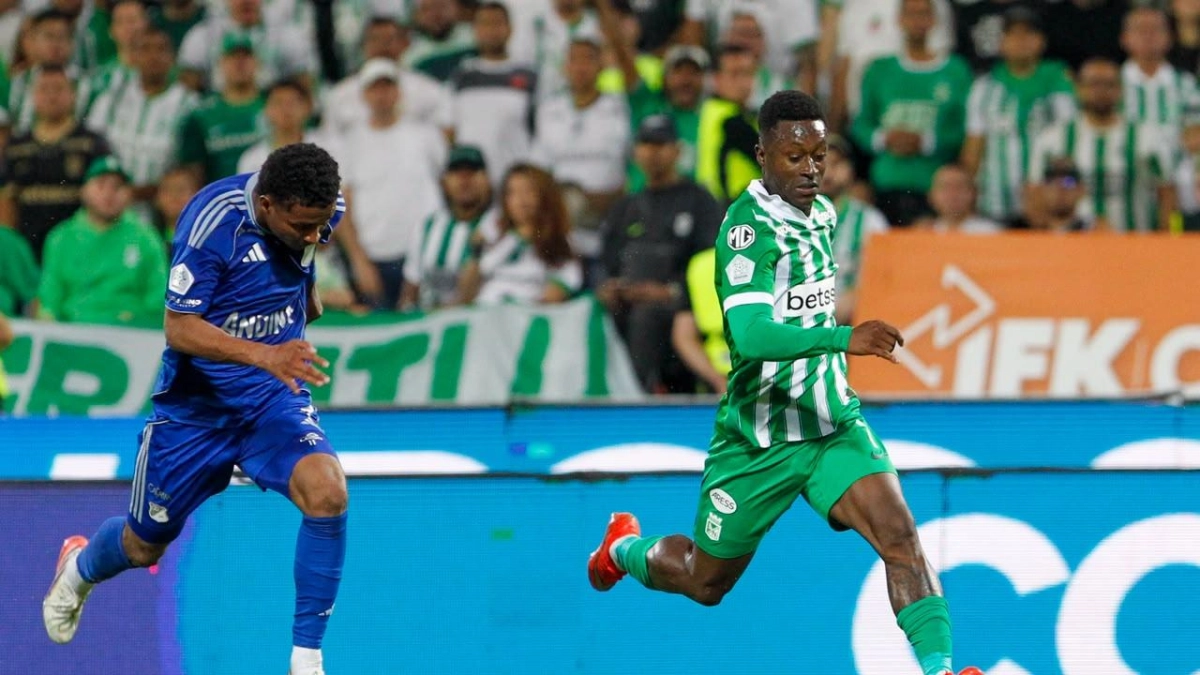
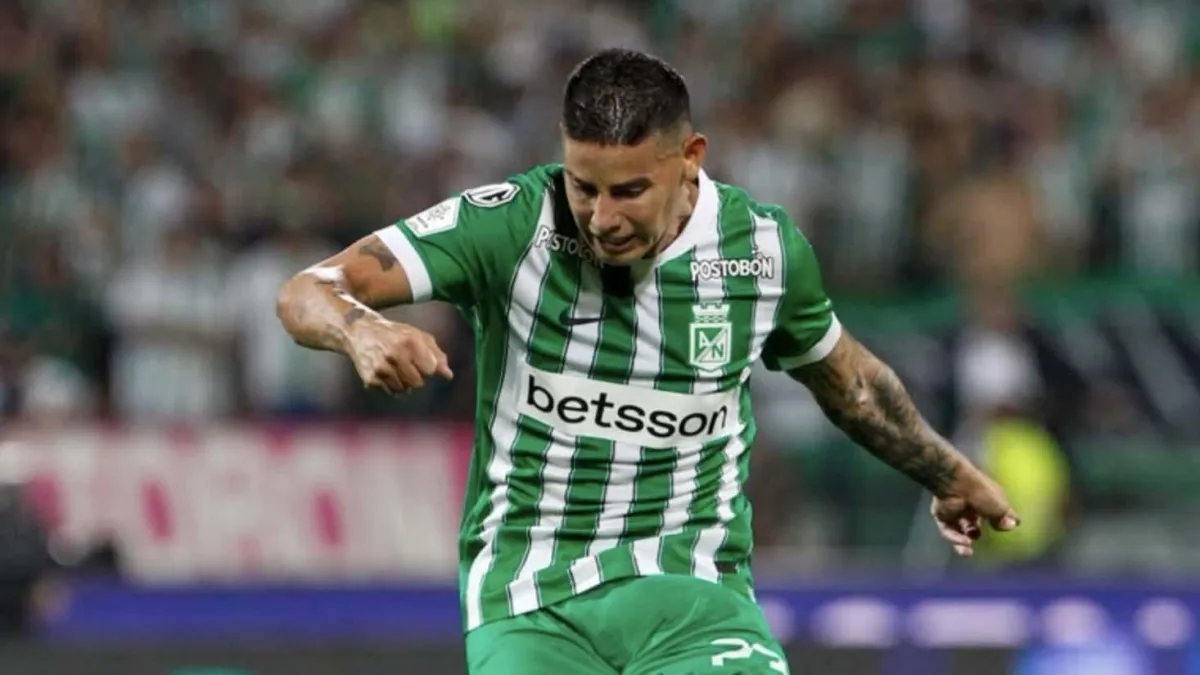
Since his high-profile arrival, James Rodríguez has been the subject of intense scrutiny and anticipation. For Atlético Nacional, the signing represents a massive institutional effort to bolster a squad aiming for domestic and continental dominance. While his adaptation process is ongoing, the midfielder has already logged three official appearances, consistently entering the pitch as a second-half substitute to provide tactical structure and creative impetus.
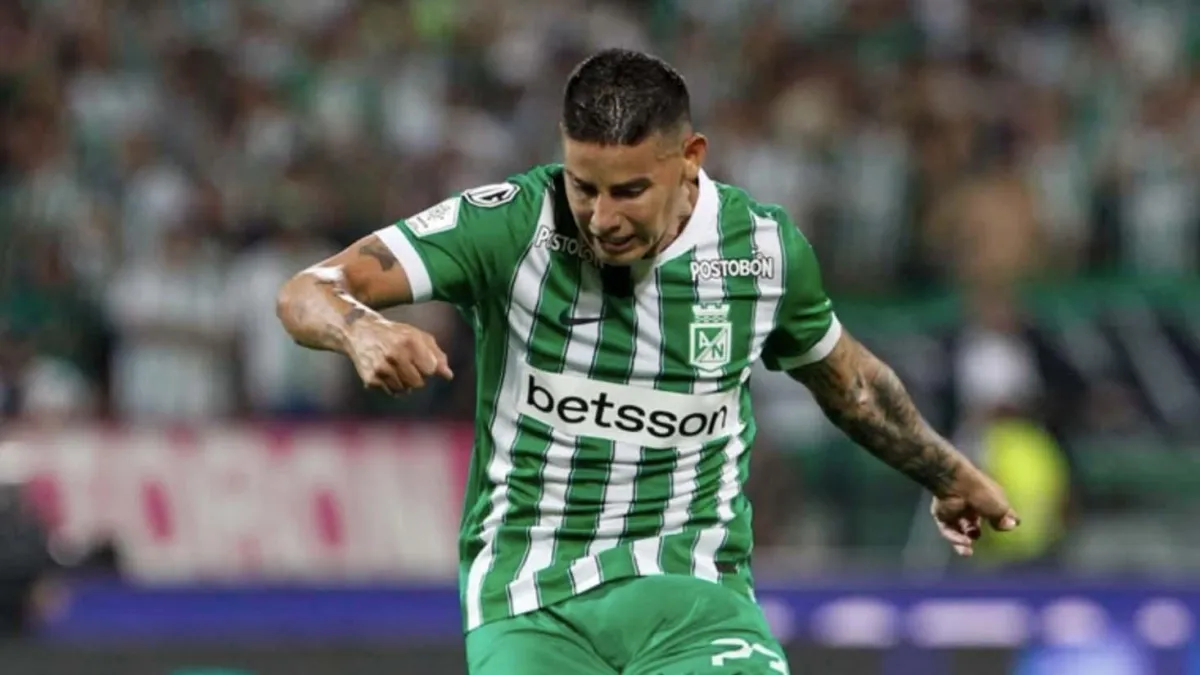
Though his minutes have been restricted, the quality he brings to the pitch is undeniable. Maturana, speaking during a tribute to the club’s legends, framed the signing not merely as a boost in technical ability, but as an infusion of "hierarchy." In the high-pressure environment of Medellín, where expectations are perpetually set at a championship level, a player of Rodríguez’s caliber acts as a steadying force for the younger generation of talent.
Defining Leadership: A Philosophical Perspective
The core of Maturana’s commentary centered on the elusive concept of leadership. In an era where "leadership" is often conflated with vocal aggression or captaincy credentials, the former national team manager offered a more sophisticated definition.
The Servant-Leader Paradigm
"James is a leader," Maturana stated emphatically. "But what is a leader? It isn’t just someone who stands under constant surveillance or shouts orders. A leader is someone who makes those around him better. I truly believe that James is going to elevate the performance of many players here at Nacional."

This perspective shifts the focus from individual statistics to collective utility. For Maturana, leadership is an act of empowerment. It is the ability to recognize gaps in a teammate’s game and provide the conditions—be it through precision passing, tactical positioning, or professional mentorship—for that teammate to excel. By this metric, Rodríguez’s value to the Verdolaga is measured by the rising tide he creates for the rest of the roster.
Authority vs. Knowledge
Maturana further expanded his analysis to the broader context of the Colombian National Team, specifically addressing the sensitive topic of the captaincy. He argued that the designation of a leader should be a technical decision rooted in the cohesion of the group rather than seniority or popularity.
"The captain of the national team must be identified by the coach at a specific moment," Maturana explained. "A coach has an advantage that those of us on the outside lack: the understanding that before a football team is a tactical unit, it must be a group of friends. One must respect differences, look for someone who makes others better, and assume that responsibility based on knowledge, not just authority."

This distinction—knowledge over authority—highlights the intellectual rigor required to manage elite squads. For Maturana, the captaincy is a functional role designed to bridge the gap between the coaching staff’s vision and the players’ execution, requiring emotional intelligence above all else.
A Chronology of Integration
The integration of James Rodríguez into the Atlético Nacional setup has been a calculated, multi-phase project.
- Phase 1: The Arrival and Physical Conditioning. Upon his signing, the medical and physical training staff prioritized a tailored conditioning program. Understanding the demands of the local league and the high-altitude challenges of various Colombian stadiums, the club opted for a gradual introduction rather than immediate full-match exposure.
- Phase 2: Tactical Familiarization. Under the current coaching staff, Rodríguez has been tasked with absorbing the specific positional nuances required in their system. This period has involved extensive video analysis and specialized drills focusing on the transition between defensive blocks and offensive play.
- Phase 3: The Second-Half Catalyst. The three matches played to date have served as testing grounds. Rodríguez’s role has been to provide stability in the final 30 minutes, using his vision to unlock tight defenses. This phased approach has mitigated the risk of injury while allowing the team to adapt to his creative style without disrupting the established rhythm of the starting XI.
Supporting Data: Why the "Maestro" is Optimistic
The optimism surrounding the acquisition is not purely sentimental; it is supported by the technical profile of the team. Atlético Nacional currently possesses a balanced roster with high-energy runners and defensive specialists. The missing link for much of the season had been a "decisive creator"—a player who can operate in the pockets of space between the midfield and the attacking line.

Statistical indicators from his recent cameos suggest that Rodríguez is performing at a high level in terms of pass completion percentage under pressure and shot-creation opportunities. While the sample size is small, the trend indicates that his presence is already forcing opposing teams to adjust their defensive structures, creating space for teammates.
The Upcoming Challenge: The Junior de Barranquilla Test
The trajectory of the team reaches a critical juncture on September 30, when Atlético Nacional hosts the two-time champion, Junior de Barranquilla. This encounter is widely regarded as a litmus test for both the team’s title aspirations and the integration of their star signing.
Junior, a team known for its physical intensity and tactical versatility, will likely provide the most difficult defensive block Rodríguez has faced since his return. The match will be a definitive moment for the Verdolaga in the current regular season phase. It is in games of this magnitude that the "hierarchy" Maturana alluded to will be put to the ultimate test. The coaching staff will have to decide whether to continue the gradual integration or move to accelerate Rodríguez’s role as a primary playmaker.

Strategic Implications: The Future of the Project
The implications of this signing extend far beyond the immediate result against Junior. By securing a player of Rodríguez’s stature, Atlético Nacional has made a statement about its ambitions for the next two seasons.
The Cultural Shift
If the "Maturana philosophy" takes hold, the team will transition from a group of individual players to a unified collective where the veteran stars act as conduits for the tactical implementation of the coaching staff. This requires a cultural buy-in from every member of the squad. If Rodríguez continues to "make his teammates better," as Maturana predicts, the club is not just chasing a trophy; they are building a sustainable model of excellence.
The National Team Connection
Furthermore, the synergy between Rodríguez’s domestic form and his future with the national team cannot be overstated. By performing consistently in the Colombian league, he keeps himself at the forefront of the national selection process. Maturana’s public endorsement serves as a significant boost to the player’s standing, suggesting that the veteran coach sees no barrier to his continued influence at the highest level of international football.

Conclusion: A Visionary’s Outlook
Francisco Maturana’s assessment provides a roadmap for what could be a transformational period for Atlético Nacional. In the modern game, where hype and media narratives often overshadow tactical reality, Maturana’s focus on "making others better" offers a refreshing and necessary perspective.
As the team prepares for the upcoming clash with Junior, the eyes of the nation will remain fixed on the number 10. The process of adaptation is never linear, and the challenges of the Colombian professional league are distinct and demanding. However, with the backing of the club’s most legendary figure and a clear tactical vision that prioritizes collective growth, the stage is set for James Rodríguez to redefine his legacy in the green and white jersey. The coming weeks will determine if this marriage of experience and talent can yield the ultimate prize: a title that serves as a testament to the "Maestro’s" belief in leadership through empowerment.
Whether the result against Junior goes their way or not, the underlying shift in the team’s identity—a move toward intellectual, selfless play—appears to be taking root, marking an exciting new chapter for one of South America’s most storied institutions.