By Pablo Romero
Special Correspondent, July 19, 2026
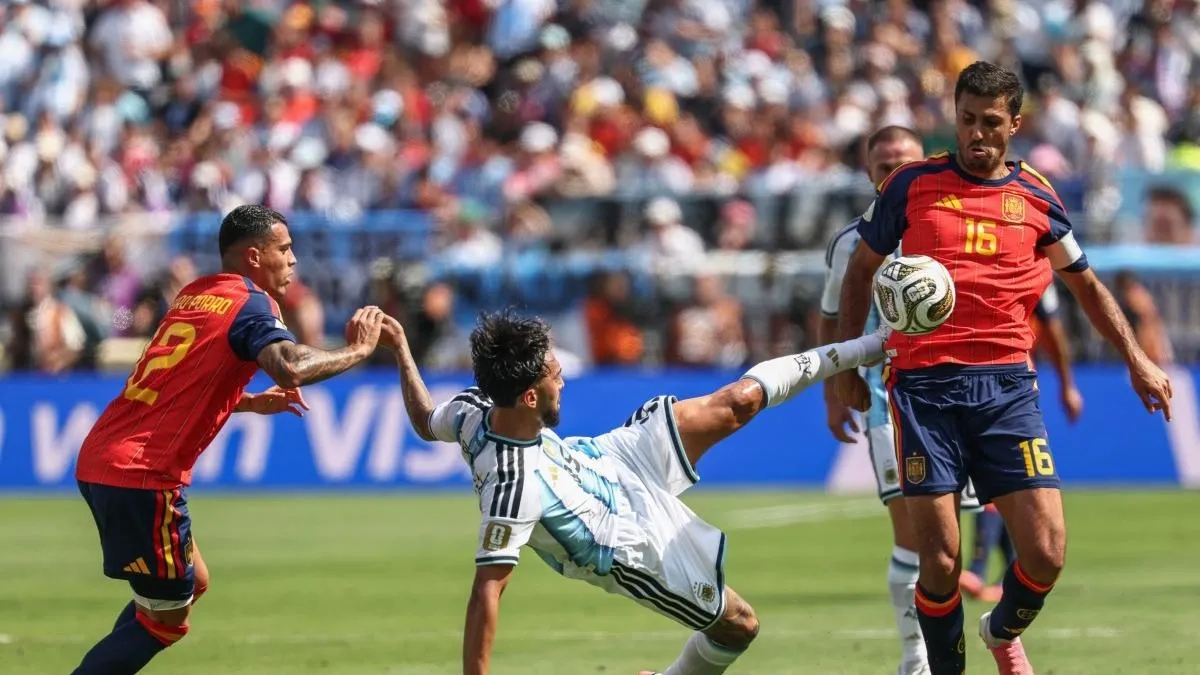
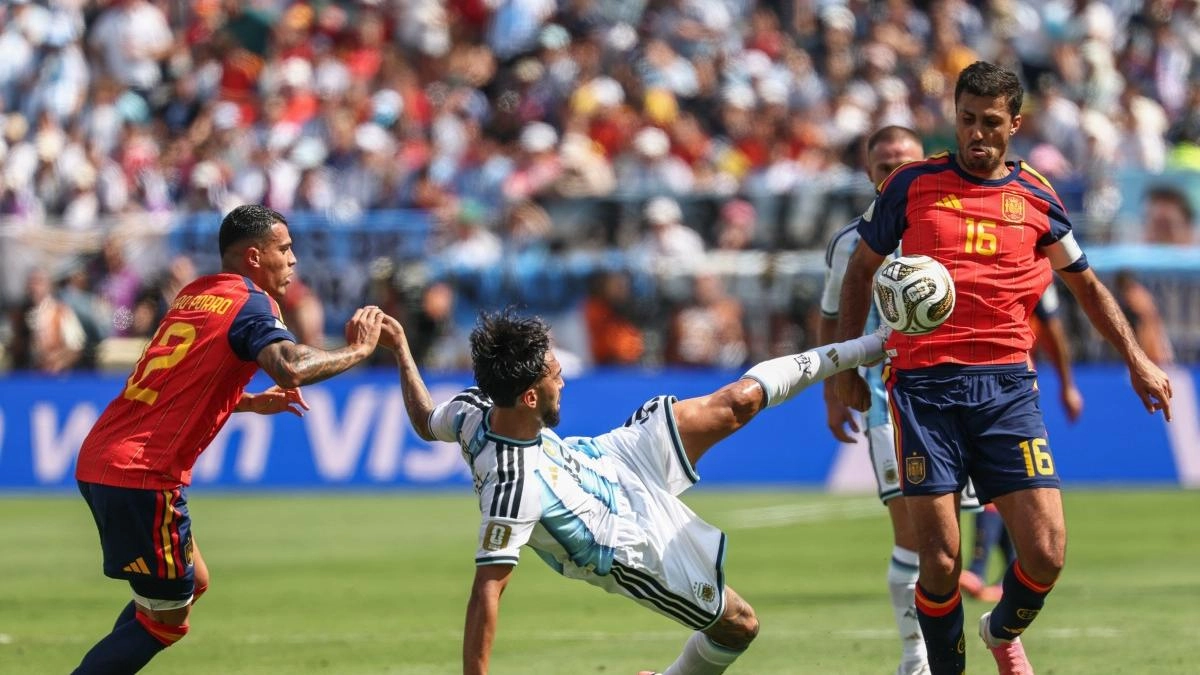
In the grand theater of world football, there are moments when the cosmos aligns not by luck, but by sheer merit. On a sweltering July evening in 2026, the footballing world witnessed exactly that: a victory for the beautiful game. Spain, playing with a level of harmonic synchronization that bordered on the ethereal, defeated a resilient and iron-willed Argentina 1-0 to claim their second World Cup title. It was a triumph of philosophy over pragmatism, of collective artistry over individual reliance, and ultimately, a victory that felt deeply, undeniably just.
The Philosophical Dominance of La Roja
From the opening whistle, Spain laid claim to the pitch as if it were an extension of their own tactical blueprint. They did not merely play the ball; they caressed it, moving it with the rhythmic precision of a grand orchestra. It was a statement of intent—a refusal to lend possession to an Argentine side that has defined itself through defensive grit and opportunistic brilliance.
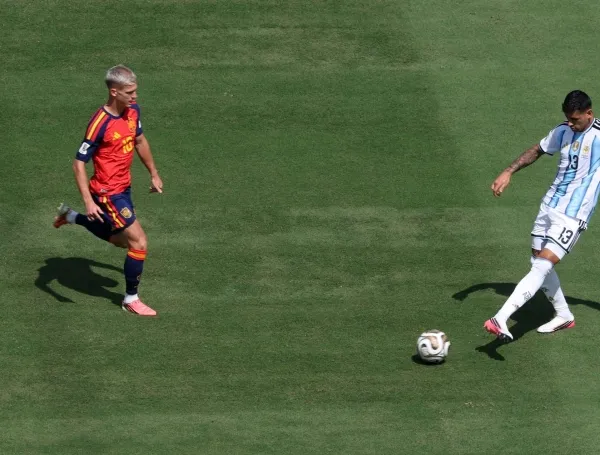
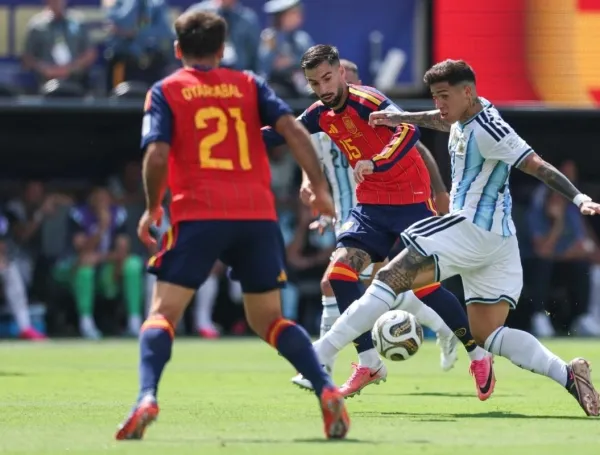
For the first 30 minutes, the Spanish midfield acted as the heartbeat of the match. Lamine Yamal, operating with a maturity that defied his years, tested Emiliano "Dibu" Martínez early with a stinging shot that served as a warning shot across the bow. Mikel Oyarzabal followed suit, weaving through the defensive lines to unleash a thunderous strike that demanded a world-class save from the Argentine shot-stopper. Marc Cucurella, marauding down the left flank, added to the pressure with a low, curling effort that narrowly missed the upright. Spain was creating the symphony, but the crescendo remained elusive.

Chronology of a Final: From Stagnation to Elation
The first half, while tactically intriguing, lacked the visceral spark expected of a World Cup final. The atmosphere, thick with anticipation, occasionally dipped into a "cursi melodrama" of missed connections. Lionel Messi, the talismanic figure around whom the Argentine universe revolves, found himself isolated, a ghost in the machine of Spain’s relentless pressing. By the time the halftime whistle blew, both sides seemed to breathe a collective sigh of relief, retreating to their dressing rooms to reset their mental focus.
The second half, however, saw Spain return with a renewed, almost suffocating intensity. The frequency of attacks became a relentless barrage. Ferrán Torres, Pedri, and Baena took turns testing the resolve of the Argentine defense. Even the backline, led by the composure of Pau Cubarsí and Aymeric Laporte, ventured forward, signaling that this was no longer a football match—it was a monologue of Spanish superiority.
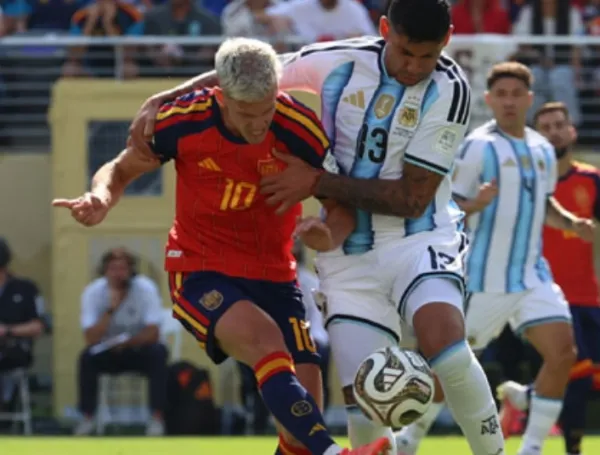
The narrative shifted significantly when Enzo Fernández was shown a red card. Argentina, already a defensive bulwark, was forced to transform into a "Trojan wall." With 10 men, their mission became one of pure survival. As the match entered the closing stages of regulation, it was evident that Emiliano Martínez was the only thing standing between Spain and the trophy. His heroics became the defining subplot of the final, as he acrobatically denied Yamal and later, Nico Williams.
The Breaking Point: 105 Minutes of Intensity
The match pushed into extra time, a period often characterized by fatigue and fear. Yet, Spain’s resolve remained unshaken. In the 105th minute, the dam finally broke. Nico Williams, exhibiting the vision of a master craftsman, controlled a difficult ball with grace. The subsequent play found Ferrán Torres, who struck the ball with the collective dreams of an entire nation behind it. The ball bypassed the outstretched gloves of Martínez, rippling the net for a 1-0 lead that sent the Spanish contingent into a delirium of relief and joy.
Supporting Data and Technical Analysis
The statistical breakdown of the final tells a story of overwhelming control. Spain maintained 68% possession throughout the 120 minutes, completing over 750 passes with an accuracy rate of 92%. In contrast, Argentina’s defensive block, while effective for 104 minutes, was hampered by the red card and an inability to transition effectively into the final third.
- Total Shots: Spain (22), Argentina (6)
- Shots on Goal: Spain (9), Argentina (2)
- Pass Accuracy: Spain (92%), Argentina (78%)
- Key Defensive Actions: Martínez (8 saves), Laporte (12 clearances)
The tactical shift by the Spanish coaching staff to push the full-backs high created a constant numerical advantage that overwhelmed Argentina’s defensive midfield. The discipline shown by the Spanish defense in neutralizing counter-attacking lanes was arguably the most important tactical victory of the tournament.
Official Responses and Post-Match Reflection
In the aftermath, the mixed zone was a whirlwind of emotions.
"We knew they would make us suffer," admitted the Spanish manager in his post-match press conference. "Argentina is a team of warriors. But our boys believed in the process. We didn’t play for the penalties; we played for the win."

On the Argentine side, the disappointment was palpable. Lionel Messi, appearing briefly, offered a stoic assessment: "We fought until the end, until we were physically empty. Today, the better team won. It hurts, but football is about cycles, and today belonged to Spain."
FIFA officials praised the tournament’s organization and the high level of technical play observed throughout the 2026 cycle, noting that this final would be remembered as one of the most disciplined and tactically rigorous matches in recent history.
The Implications of a New Era
This victory marks the second world title for Spain, a coronation that effectively signals the dawn of a new golden generation. The integration of young talents like Yamal and Cubarsí into a system built on established principles of possession and movement has created a sustainable blueprint for the future.
For Argentina, the result invites a period of reflection. The era defined by the brilliance of the current generation may be nearing a transition, but the competitive fire that led them to the final remains undiminished.

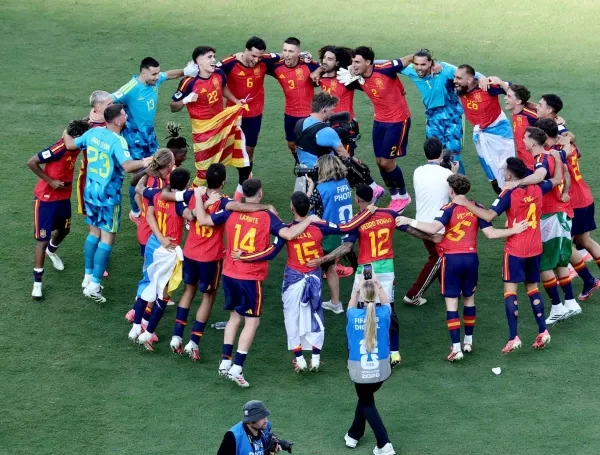
Ultimately, the 2026 World Cup final was a victory for the "game of harmony." Spain did not win through brute force or a reliance on singular moments of luck. They won through a commitment to an aesthetic and tactical standard that, for 120 minutes, was simply insurmountable. As the sun set on the stadium, the image of the Spanish squad lifting the trophy served as a reminder of what football can achieve when talent meets unwavering discipline. Justice, in the form of a gold-plated trophy, had been served.
Key Takeaways for the Future of Football
- The Rise of the Youth: The success of the 2026 Spanish squad confirms that the integration of "wonderkids" is no longer a gamble, but a necessity for modern success.
- Tactical Flexibility: While Spain’s possession-based style prevailed, the importance of the "defensive transition" was highlighted by Argentina’s 10-man resilience.
- Global Impact: The 2026 World Cup will be remembered for the record-breaking television audiences and the highest average tactical performance since the 2010 era.
The football world now looks forward, but for the next four years, the conversation will be dominated by the artistry of this Spanish side—a team that did not just win the World Cup; they reclaimed the soul of the sport.