
Introduction: Redefining the Metrics of Fitness
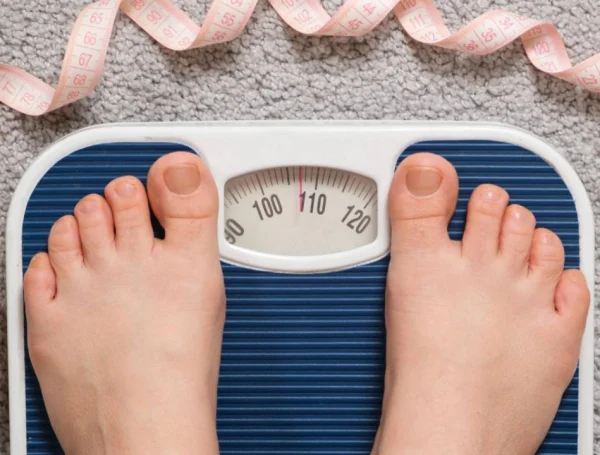
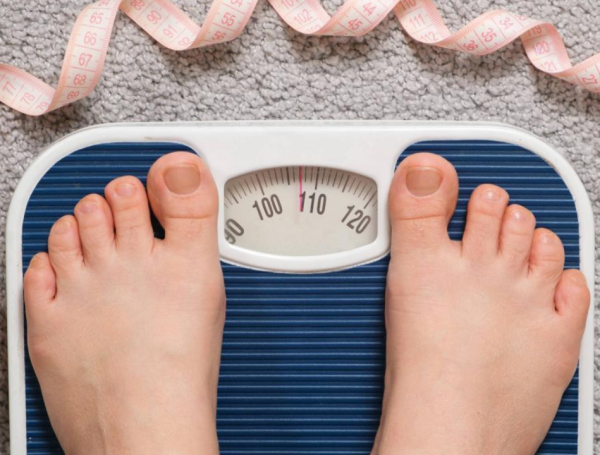
For decades, the standard barometer for measuring the success of a weight-loss journey has been the digital scale. Millions of people step onto it daily, expecting to see a lower number as a direct reflection of their physical exertion. However, groundbreaking research from the State University of Campinas (Unicamp) in Brazil suggests that this fixation on body weight may be masking the most critical health improvements occurring beneath the surface.
A new study published in the journal Life Sciences has revealed that seven days of consistent strength training can trigger profound molecular changes in adipose tissue—long before the needle on the scale moves. This discovery challenges the conventional wisdom that exercise is only "working" if it results in immediate weight loss, offering a more nuanced understanding of how our bodies respond to resistance training at a cellular level.

The Core Findings: A Molecular Transformation
The research team at Unicamp, led by specialized investigators, sought to isolate the physiological effects of resistance exercise from the confounding variable of weight loss. To achieve this, they conducted an experiment on male mice, creating a controlled environment where diet and activity levels could be precisely managed.
The mice were divided into two primary categories: a control group fed a standard diet and a test group fed a high-fat diet designed to induce obesity. The obese subjects were then further subdivided into a sedentary group and a group subjected to a rigorous seven-day strength training protocol. Crucially, the high-fat diet was maintained across both groups, ensuring that the only significant variable between them was the introduction of physical activity.

The Training Protocol
To simulate human strength training, the researchers devised a "ladder-climbing" test for the mice. The animals were required to climb a 70-centimeter ladder while carrying a weight attached to their tails. The intensity was set to 70% of each animal’s maximum capacity, involving 20 repetitions per session with rest intervals of 60 to 90 seconds.
"We calculated how much weight each mouse could load," explained the lead researcher, Moura. "While it is impossible to replicate human gym movements exactly, we successfully induced a physiological strain comparable to human resistance training, characterized by intense muscular contractions."

Chronology of the Research
The study was structured to provide a snapshot of the body’s "immediate" response to exercise. By limiting the intervention to exactly seven days, the researchers were able to observe the metabolic shifts that occur before the body’s total mass has a chance to drop significantly.
- Days 1–3: Adaptation Phase. The subjects began acclimating to the resistance load. During this initial window, the researchers monitored protein expression within the mesenteric adipose tissue—the visceral fat surrounding the intestines that is most closely linked to metabolic disease.
- Days 4–6: Biochemical Shift. As the sessions continued, the researchers noted a decrease in the activity of genes responsible for fat synthesis, specifically the Scd1 gene.
- Day 7: Cellular Analysis. Upon concluding the seventh session, the researchers performed a post-mortem analysis. They discovered that the mice in the strength training group possessed significantly smaller adipocytes (fat-storing cells) compared to their sedentary counterparts, despite having the same total body mass.
The Science of Lipolysis: How Fat is "Unlocked"
The most compelling aspect of the Unicamp study is the analysis of lipolysis—the metabolic process of breaking down stored triglycerides into free fatty acids for energy. In a state of obesity, this mechanism is often impaired, leading to a "locked" state where the body struggles to utilize its own fat stores.

The study examined three key proteins: PLIN1, ABHD5, and ATGL. These proteins act as a coordinated unit to regulate the breakdown of fat. In the sedentary, obese mice, these proteins failed to interact effectively, essentially signaling the body to hold onto fat reserves.
However, the strength training group showed a marked increase in the interaction between ABHD5 and ATGL. This biochemical "unlocking" suggests that resistance training acts as a catalyst for metabolic flexibility. Even without losing a single gram of body mass, the training had "reprogrammed" the adipose tissue to favor the breakdown of fats rather than their storage.

Expert Insights and Implications
The implications of this research for the fitness and medical industries are significant. For many individuals, the discouragement that comes from "no weight loss" after several weeks of gym attendance is the primary reason for abandonment.
"People often assume that if they have spent two months lifting weights and the scale hasn’t budged, the effort was futile," says Moura. "But our findings demonstrate that, within just one week, the molecular pathways that promote fat accumulation are downregulated, while those that stimulate fat burning are activated."

Beyond Aerobic Exercise
For years, the medical community emphasized aerobic exercise (cardio) as the primary tool for weight management, often relegating strength training to the realm of "muscle building." This study bridges that gap, suggesting that strength training is a potent metabolic regulator in its own right.
The researchers advocate for a balanced approach. "Both aerobic and resistance exercises activate similar pathways at different intensities, but they also trigger unique, beneficial biological responses," Moura explains. "Therefore, combining both remains the gold standard for long-term health and weight management."
Future Directions: Long-Term Metabolic Mapping
While the Unicamp study provides a fascinating window into the first seven days of training, the researchers acknowledge the limitations of their work. Because the study did not extend beyond one week, it did not capture the subsequent phase where total weight loss eventually manifests.
The next phase of the investigation will involve tracking these molecular changes over several weeks and months. The objective is to map the transition point: at what exact moment do these cellular changes translate into measurable systemic weight loss?

Understanding this timeline could lead to more personalized exercise prescriptions. If clinicians can understand the "molecular lag" between starting an exercise program and seeing results on the scale, they can better support patients, encouraging them to persist through the "silent" weeks where the most critical biological work is taking place.
Conclusion: A Shift in Perspective
The Unicamp study serves as a necessary reminder that the human body is far more complex than the sum of its parts as measured by a scale. By revealing that strength training initiates a metabolic overhaul at the cellular level within days, the researchers have provided a powerful psychological tool for anyone struggling with fitness plateaus.

Weight is merely a lagging indicator of health. When we engage in resistance training, we are doing more than moving weights; we are re-engineering our internal machinery to be more efficient, more metabolic-active, and more resilient. The next time you find yourself frustrated by an unmoving scale, remember the findings of the Unicamp team: your body is likely hard at work, rearranging its chemistry, one rep at a time.
Disclaimer: This report is based on preliminary scientific research and is intended for informational purposes. Consult with a medical professional or a certified fitness trainer before beginning any new exercise regimen, especially if you have pre-existing health conditions or obesity-related complications.