By Lisandro Rengifo | EL TIEMPO
In the high-stakes arena of the Dakar 2026 Youth Olympic Games, amidst the deafening intensity of table tennis matches, one story has captured the hearts of spectators and journalists alike. Emanuel Otálvaro, a young athlete from Rionegro, Antioquia, has secured a historic silver medal. However, beyond the glistening metal hanging around his neck lies a narrative of profound sacrifice, a clandestine journey across continents, and a mother’s iron-willed discipline to remain silent for the sake of her son’s dreams.
The Climax: A Silver Achievement in Dakar
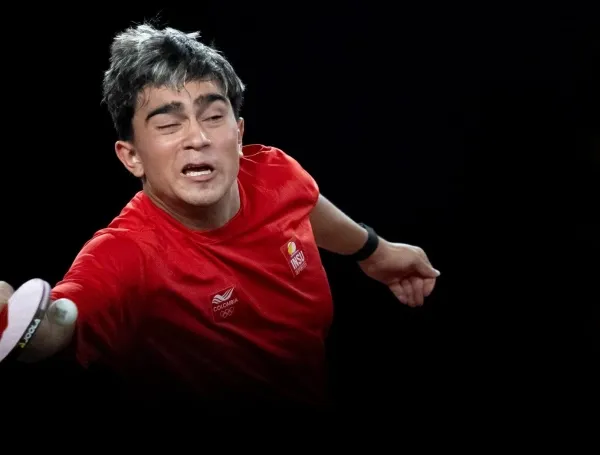
On a momentous Thursday in Senegal, the atmosphere inside the table tennis venue was electric. Emanuel Otálvaro faced the formidable Japanese contender Ryuusei Kawanami in a final that demanded absolute precision and psychological fortitude. For Yolanda García, Emanuel’s mother, the experience was a visceral exercise in restraint.
As the final point was scored, the dam finally broke. After days of forced silence, Yolanda—who had been instructed to remain inconspicuous to prevent distracting her son—erupted in joy. The silver medal was not just a testament to Emanuel’s skill; it was the ultimate vindication of years of tireless, often invisible labor by a family that refused to let financial barriers extinguish an Olympic dream.

A Chronology of Sacrifice and Strategy
The road to Dakar was paved not with gold-plated sponsorships, but with the humble commerce of a family determined to see their children succeed.
The Foundation of Resilience
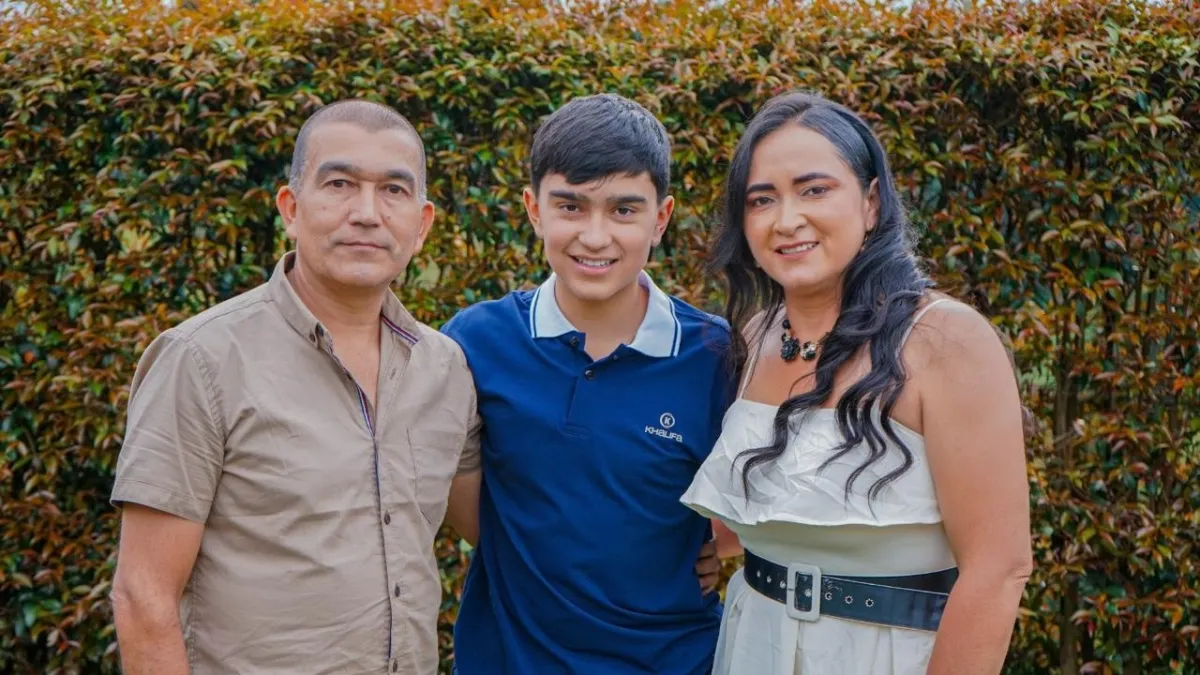
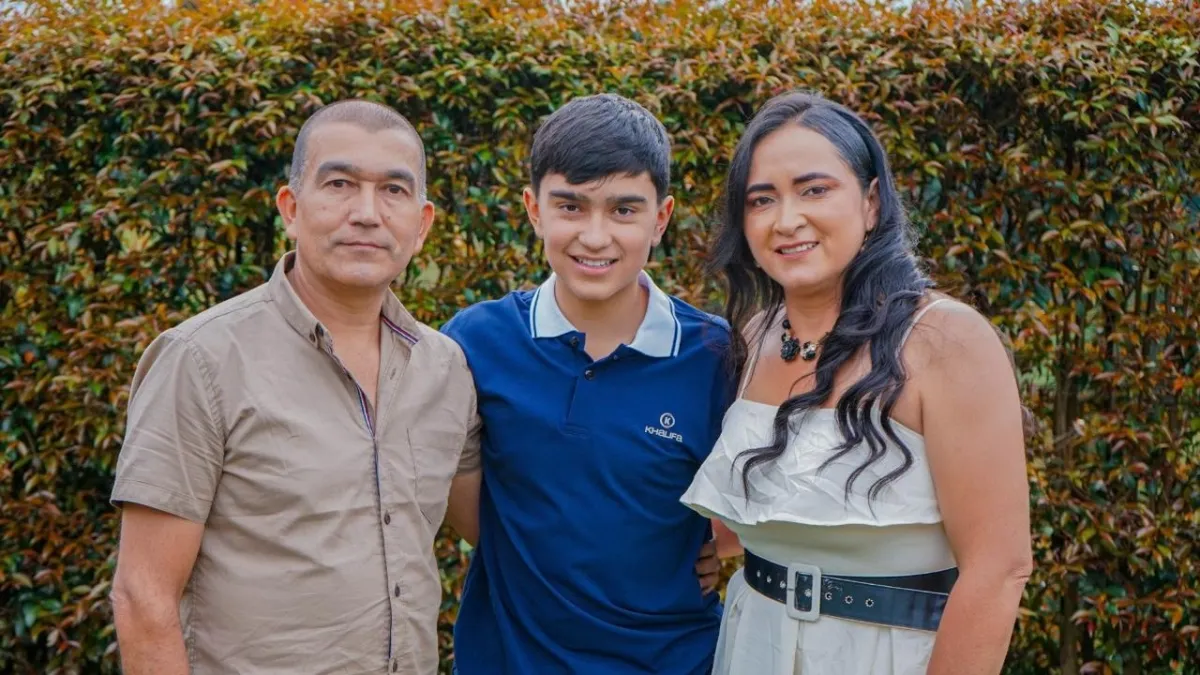
Yolanda García and her husband, Ricardo, have long been the architects of their sons’ professional paths. Federico, the eldest, blazed the trail as a competitive table tennis player before transitioning into a coaching role in Spain. The Otálvaro García household in Rionegro became a hub of industrious activity. To fund the international travel and tournament fees required for their sons to compete at a high level, the family turned to the kitchen.
They prepared tamales, arepas, and traditional beverages, selling them locally to subsidize the dream. Every meal sold was a step toward the Olympic stage. Emanuel, too, contributed by crafting and selling sweets, internalizing the values of hard work and self-reliance from a young age.
The Secret Pilgrimage
The journey to Senegal was shrouded in mystery. Emanuel was unaware that his parents had embarked on a secret mission to witness his performance in person. The trip, however, was fraught with logistical challenges. Upon leaving Spain for Senegal, the couple faced unexpected delays, arriving in Dakar only to navigate a series of airport complications that kept them away from their son for three grueling days.
It was only during the opening ceremony that the family finally reunited. "I saw him, I hugged him, and he was genuinely surprised," Yolanda recounted. "I believe that moment of connection served as a vital motor for him throughout the competition."
The Psychology of Silence: A Mother’s Discipline
One of the most poignant aspects of this story is the psychological toll taken on Yolanda during the tournament. Early in the games, observers noted that Emanuel’s performance was influenced by the presence of his family in the stands.
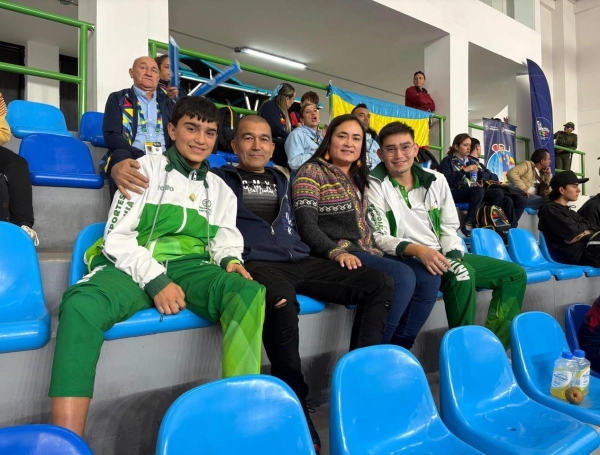
"In the first few days, I would stand in front of him, and he would look at me," Yolanda explained. "It was recommended that I be less effusive because he might lose focus. So, I made a sacrifice. I had to keep my mouth shut. I almost hid with my husband in the stands. It was incredibly difficult not to express my emotions, but I knew it was for the best."
This voluntary silence was not merely a passive act; it was an active strategic choice. By curbing her own excitement, Yolanda ensured that Emanuel’s focus remained locked on the table, a testament to the selfless nature of parental support in elite sports.
Supporting Data: The Road to the Finals
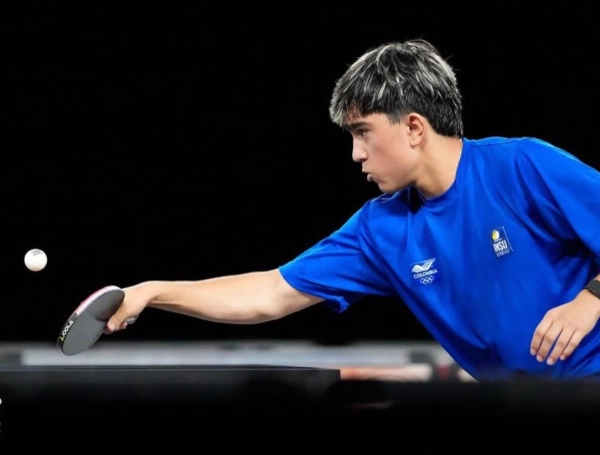
Emanuel’s path to the silver medal was characterized by clinical precision and an ability to handle immense pressure. In the semi-finals, he delivered a masterclass in tactical play, defeating Ki Ho Li of Hong Kong with a decisive 4-1 scoreline.
Following this victory, the family’s access to Emanuel was strictly limited by team officials. He was ushered into recovery protocols and tactical briefings for the final. "The coach told us we couldn’t be with him; he had to concentrate for the match later that day," Yolanda noted. These rigorous standards, while isolating, are the hallmarks of high-performance athletics, and the Otálvaros respected these boundaries with unwavering discipline.
The Emotional Payoff: "The Medal Pays for Everything"
When the final match concluded, the emotional restraint that had defined the previous week finally vanished. The celebration between Ricardo, Yolanda, and Emanuel was raw and cathartic.
"When it was over, I didn’t care about being quiet anymore," Yolanda reflected. "I exploded with joy. It was worth the trip, worth the struggle of the early years, and worth every tamale we sold. When you see your son with an Olympic medal, it validates every single sacrifice we made."

The Broader Implications: Sports as a Social Ladder
The success of Emanuel Otálvaro serves as a powerful case study for the role of family support in the development of elite athletes in Colombia. In a landscape where state funding can often be insufficient for grassroots talent, the "Otálvaro model"—characterized by communal effort, local entrepreneurship, and unconditional emotional support—highlights the necessity of private initiative.
Impact on the Rionegro Community
The story has resonated deeply within the Rionegro community. It serves as a reminder that world-class athletes often emerge from environments of humble origins, supported by families who view sports as a legitimate avenue for social mobility and personal development.

The Role of Coaching and Mentorship
The influence of Federico, the older brother, cannot be understated. Having navigated the same path, his transition to a coach in Spain provided the family with a roadmap of the international circuit. This mentorship ensured that Emanuel was not just talented, but prepared for the psychological rigors of global competition.
Official Recognition and Future Outlook
While the accolades for the silver medal continue to pour in, the family remains grounded. They understand that the Olympic cycle is an ongoing process. For now, the focus shifts from the intensity of the Dakar Games to the long-term career of a young man who has proven he can compete with the best in the world.

As the international sports community looks toward the future of table tennis, Emanuel Otálvaro stands as a symbol of determination. His performance in Dakar was not an isolated event, but the culmination of a lifelong commitment to excellence, nurtured by a family that viewed the Olympic dream as a collective responsibility.
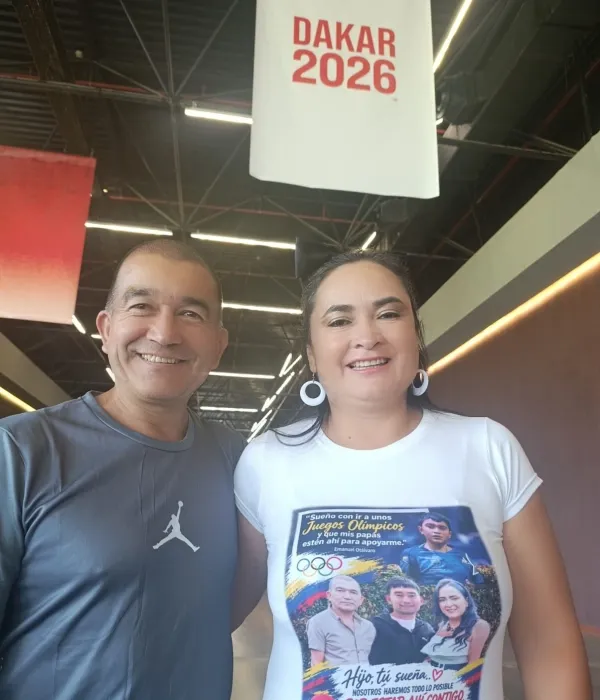
In the words of the message printed on the shirt worn by his parents in Dakar: "Son, you dream. We will do everything possible to be with you. Your dream is our dream."

For Emanuel, that dream is no longer a distant aspiration; it is a reality solidified in silver, earned through the quiet strength of a family that refused to be silenced by adversity.