By Digital Reach Newsroom
Updated: September 24, 2026
Main Facts: Meta’s Vision for Pocket-Sized Artificial Intelligence
In a move that bridges the nostalgic hardware fascination of the 1990s with the cutting-edge capabilities of modern generative artificial intelligence, tech giant Meta has unveiled its latest hardware concept: Muse Charm. Presented by CEO Mark Zuckerberg during the company’s flagship annual Meta Connect event, the device is an ultra-portable, pocket-sized gadget designed to serve as a physical home for Muse, Meta’s advanced proprietary AI agent.
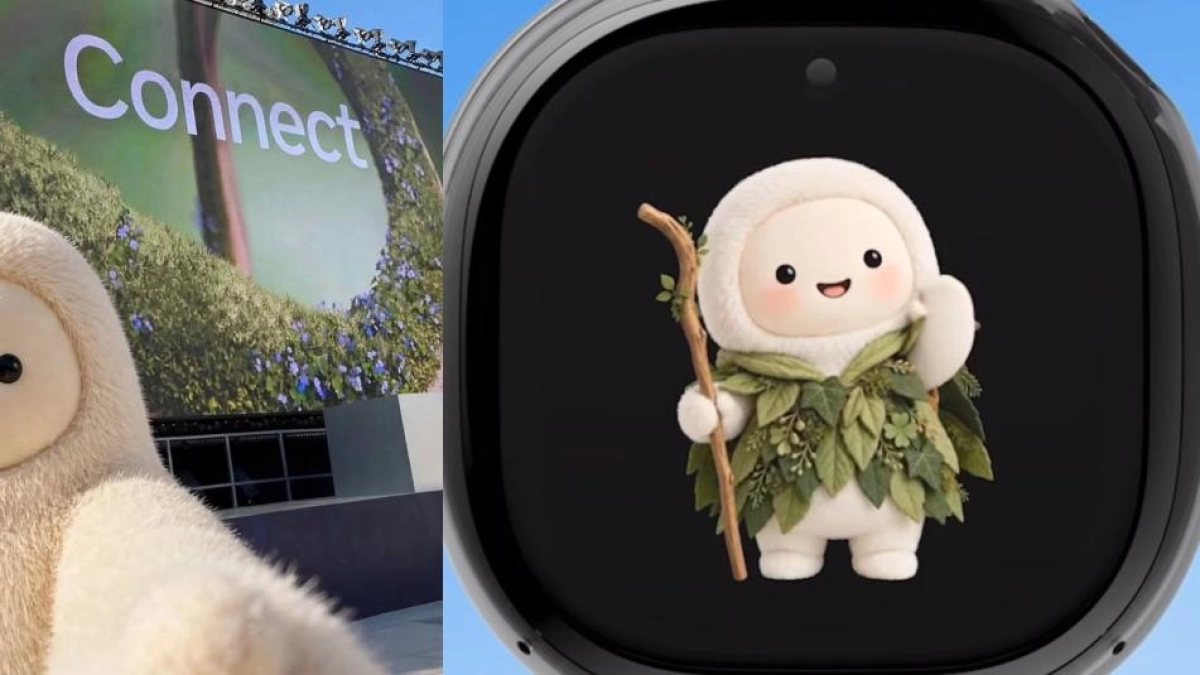
Resembling a modern reimagining of the iconic virtual pets that captivated millions of children and adults three decades ago, Muse Charm is built to fit effortlessly into a pocket, attach to a purse, or function as a standalone keychain. Rather than demanding that users pull out their smartphones, unlock the screen, navigate through heavy security features, and open a dedicated application, Muse Charm offers instant, ambient, voice-first interaction.
The device features a compact display—measuring approximately two inches—which showcases an interactive digital avatar named Jolly. This avatar acts as the visual interface for Muse, allowing users to converse naturally with an artificial intelligence capable of managing calendars, drafting emails, browsing the web, and parsing complex documents.

While still deep in the hardware and software development pipeline, Meta has outlined an ambitious timeline, targeting a commercial release window for the 2026 holiday season (December 2026). Although pricing and strict regional availability have yet to be finalized, the announcement has already ignited intense debate across the tech sector regarding the future of screen-independent hardware and the evolution of AI companions.
Chronology: From 90s Tamagotchis to Next-Gen AI Wearables
To understand the strategic positioning of Muse Charm, it is helpful to trace the evolution of portable digital companions and Meta’s hardware trajectory over recent years.

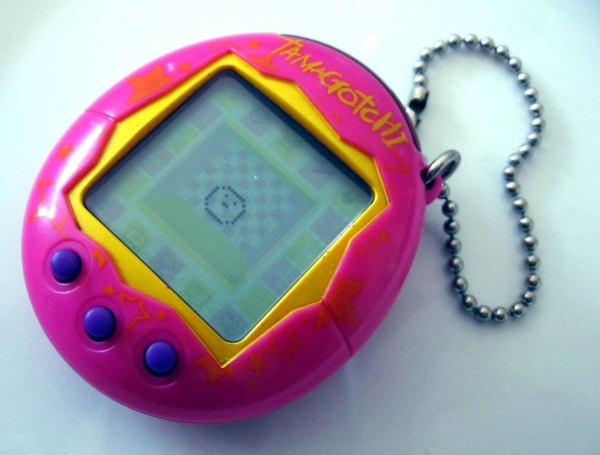
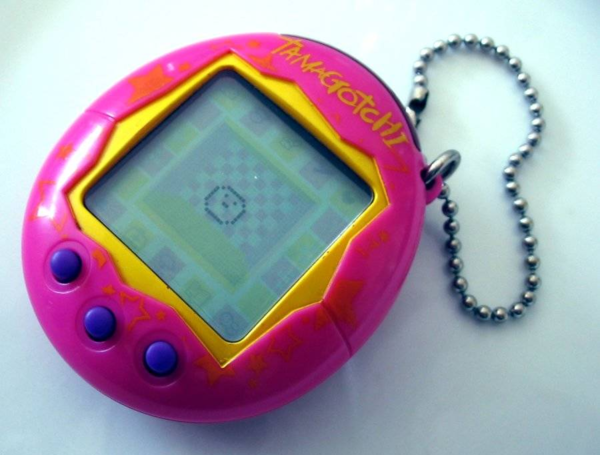
- Late 1990s – The Virtual Pet Boom: The global phenomenon of the Tamagotchi and similar digital pets dominated youth culture. These simple, pixelated LCD devices required owners to feed, clean, and entertain virtual creatures constantly. Though technologically primitive by today’s standards, they established a profound psychological bond between humans and pocket-sized digital screens.
- Early 2020s – The Rise of Generative AI: Following the explosive mainstream breakthrough of large language models, tech companies raced to integrate conversational AI into everyday software. Meta shifted massive corporate resources toward open-source and proprietary AI models, culminating in the development of its versatile AI agent, Muse.
- 2024–2025 – The Search for Post-Smartphone Form Factors: As consumers began experiencing smartphone fatigue, various startups and major manufacturers introduced standalone hardware designed to bypass traditional apps. Devices like the Rabbit R1 and Humane AI Pin attempted to pioneer screenless or alternative-screen interactions, yielding mixed commercial results but proving market appetite for novel form factors.
- September 24, 2026 – The Meta Connect Reveal: During Meta Connect, Mark Zuckerberg officially pulled back the curtain on Muse Charm. He demonstrated how the keychain-sized device could handle complex voice commands, interact with the physical environment via integrated hardware, and display the animated avatar Jolly.
- September 2026 (Present) – Pre-Production and Development: Meta engineers are currently refining the hardware components, including low-power processors, cellular connectivity, and sensor arrays.
- December 2026 (Projected) – Commercial Launch: If development milestones are met without significant bottlenecks, Meta plans to push Muse Charm into global distribution just ahead of the winter holiday shopping season.
Supporting Data: Hardware Specifications and Ecosystem Integration
While Muse Charm is fundamentally built around software intelligence, its hardware architecture is designed to handle demanding local processing and seamless cloud connectivity. Industry analysts who have reviewed early specifications note several standout components:
- Physical Form Factor: Designed to fit in the palm of a hand, measuring small enough to function as a keychain or bag accessory.
- Display: A vibrant, low-latency color screen measuring approximately two inches, optimized to showcase the expressive animations of the digital avatar, Jolly.
- Input Mechanisms: A dedicated biometric fingerprint sensor located on one of the device’s corners, serving as a tactile trigger to initiate conversations securely.
- Audio and Visual Hardware: High-sensitivity microphones for crystal-clear voice pick-up, compact onboard speakers for vocal responses, and micro-cameras capable of analyzing the user’s immediate surroundings.
- Connectivity: Native 5G support, ensuring that Muse Charm operates independently of a local Wi-Fi network or smartphone tether, allowing users to access cloud-based AI resources anywhere.
- Ecosystem Reach: Direct integration with Meta’s broader AI infrastructure, enabling Muse to interact dynamically with personal documents, emails, web searches, and cross-platform communication tools.
Official Responses: What Meta Leadership is Saying
The unveiling of Muse Charm marks a significant philosophical shift for Meta, which has spent the past several years aggressively pushing users toward augmented reality (AR) glasses and traditional mobile applications. During his keynote presentation at Meta Connect, Mark Zuckerberg emphasized the intimate, utility-driven nature of the new device.
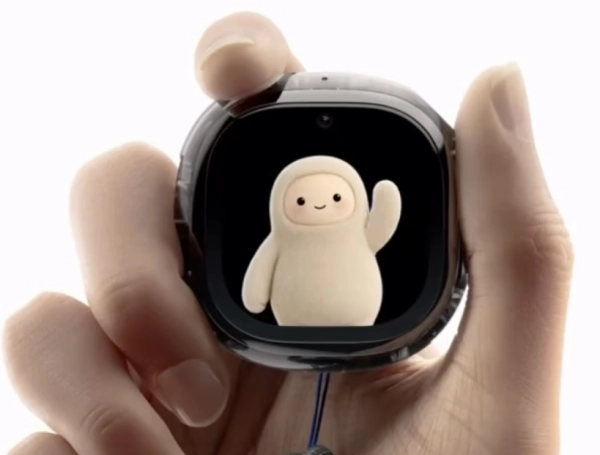
"We have managed to pack the entire capability of Muse—including all of our advanced voice architecture and dynamic avatar rendering—into something that fits right on a keychain, designed to be constantly available whenever you want to talk," Mark Zuckerberg told the audience of developers, journalists, and industry partners.
Zuckerberg elaborated on the psychological and practical friction of modern smartphones, noting that unlocking a phone, navigating home screens, and launching an app introduces unnecessary cognitive load. By contrast, a dedicated physical charm offers an immediate, conversational gateway to ambient intelligence.

Meta’s product design team echoed these sentiments in post-keynote technical briefings, stressing that Jolly—the digital avatar represented on the two-inch screen—is intentionally distinct from the high-maintenance pets of the 90s. Rather than requiring users to feed or discipline a virtual creature, Jolly serves as an engaging, friendly visual anchor for an advanced productivity and conversational assistant.
Implications: The Future of Ambient Computing and AI Companionship
The introduction of Muse Charm carries profound implications for the consumer electronics market, user psychology, and the ongoing debate over digital minimalism.

1. Breaking Smartphone Monopolies
For nearly two decades, the smartphone has acted as the undisputed gateway to digital life. Devices like Muse Charm represent a concerted effort by major tech conglomerates to decentralize computing. By offloading frequent, quick tasks—such as checking schedules, drafting quick notes, or querying real-time information—to a dedicated keychain accessory, Meta aims to reduce overall screen time while keeping users deeply tethered to its proprietary ecosystem.
2. The Resurgence of Emotional Design in Tech
By deliberately evoking the aesthetic and emotional resonance of the 90s Tamagotchi, Meta is tapping into a powerful psychological stream. Human beings naturally anthropomorphize technology, particularly when it features a responsive visual persona like Jolly. Unlike cold, utilitarian voice assistants embedded in smart speakers, a pocket pet creates a sense of continuous companionship. This design choice could pave the way for a new generation of emotionally engaging consumer hardware, though it also raises questions regarding emotional dependency on artificial intelligence.

3. Privacy, Sensors, and Environmental Awareness
Because Muse Charm incorporates microphones, speakers, and cameras with 5G connectivity, it opens up a complex array of privacy considerations. A device that travels everywhere with the user—hanging from a belt loop or resting on a cafe table—continuously gathers data about its environment. How Meta manages data governance, local processing versus cloud storage, and user consent will likely dictate public reception and regulatory scrutiny as the December 2026 launch approaches.
4. Competitive Pressures in the AI Hardware Space
Meta is not operating in a vacuum. The market has already seen experimental entries like the Rabbit R1 and various pin-based wearables attempt to redefine how humans interact with ambient AI. However, hardware adoption has historically been hindered by high price points, limited battery life, and lack of clear utility over existing smartphones. By leveraging its massive global infrastructure, established AI models (Muse), and a culturally resonant form factor, Meta is positioning Muse Charm as a formidable contender in the race to define post-smartphone consumer tech.
As December 2026 approaches, tech enthusiasts and casual consumers alike will be watching closely to see whether Muse Charm can successfully translate a nostalgic concept into a practical, indispensable tool for the modern digital age.