New York, USA – July 20, 2026 – A major diplomatic and legal controversy has erupted in the United States following the International Criminal Court’s (ICC) 2024 issuance of an arrest warrant for Israeli Prime Minister Benjamin Netanyahu. The situation escalated dramatically when New York City Mayor Zohran Mamdani publicly stated his administration was exploring the possibility of arresting Netanyahu should he visit the city for the annual United Nations General Assembly in September. This declaration was swiftly and unequivocally rejected by U.S. President Donald Trump, who asserted that the Israeli leader would not face arrest on American soil.
The ICC warrant, which cites accusations of war crimes and crimes against humanity related to Israel’s military offensive in Gaza following the October 7, 2023, attacks by Hamas, has thrust the complexities of international law, national sovereignty, and geopolitical alliances into the spotlight. The clash between a local mayor’s moral conviction, a U.S. President’s staunch defense of an ally, and the global reach of the ICC highlights a deeply polarized international landscape.
Main Facts of the Diplomatic Standoff
The core of the current crisis revolves around the ICC’s formal indictment of Prime Minister Benjamin Netanyahu in 2024. The warrant, a significant legal development, alleges grave violations of international humanitarian law committed during the extensive Israeli military operations in the Gaza Strip. These operations were initiated in response to the unprecedented cross-border attacks carried out by Hamas on October 7, 2023, which resulted in the deaths of hundreds of Israelis and the abduction of many more. The ICC’s charges specifically pertain to actions taken by Israeli forces during the subsequent retaliatory offensive, which has led to widespread destruction and a severe humanitarian crisis in Gaza.
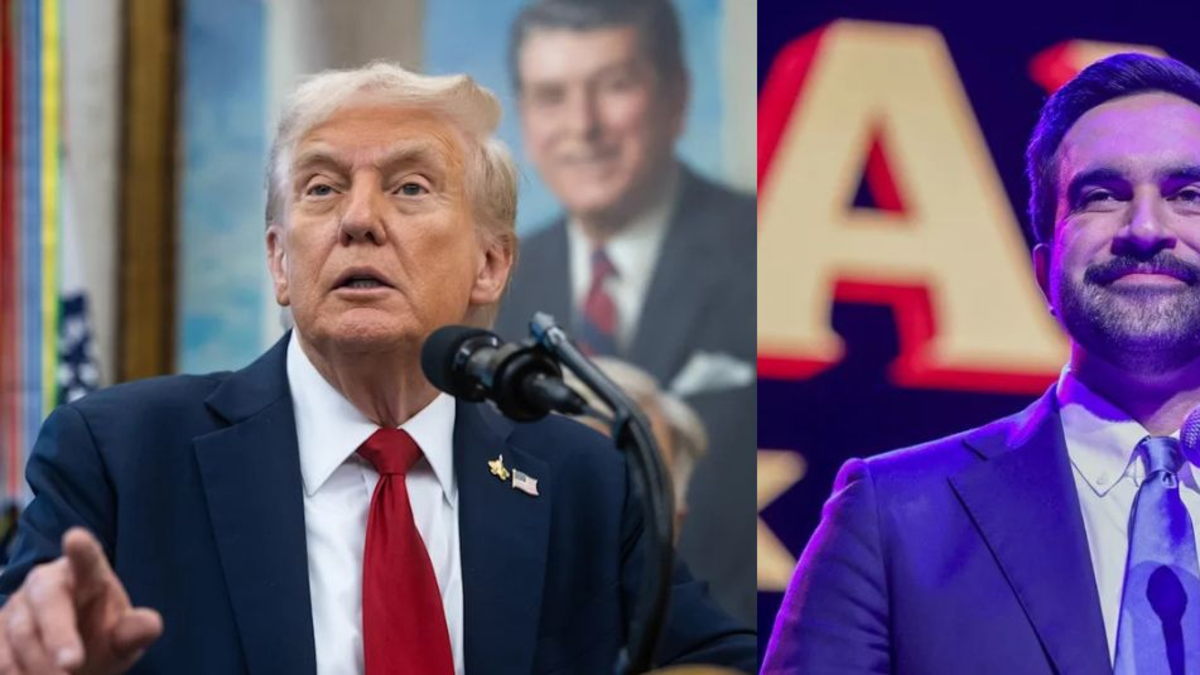
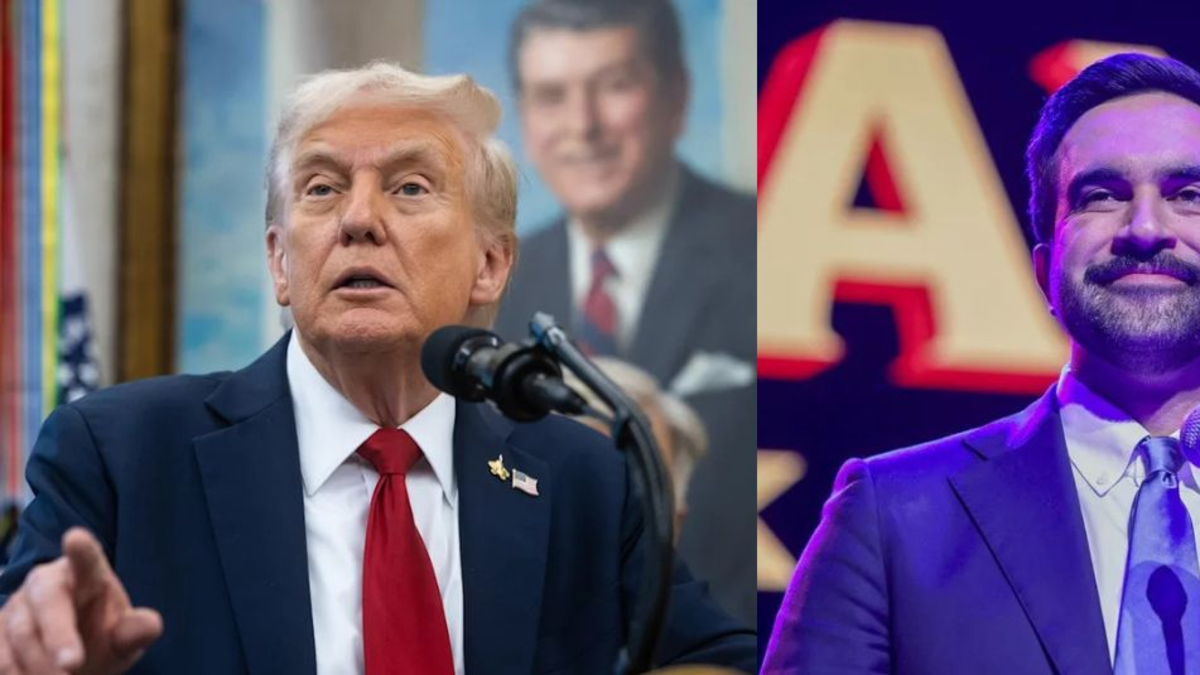
In a move that has ignited a firestorm of debate, New York City Mayor Zohran Mamdani recently indicated his administration was consulting legal experts to ascertain its authority to execute such an international warrant. Mamdani, a prominent progressive voice, explicitly labeled Netanyahu a "war criminal" and suggested he "belongs to The Hague," the seat of the ICC. This bold stance from a municipal leader has set the stage for a potential unprecedented confrontation on U.S. soil.
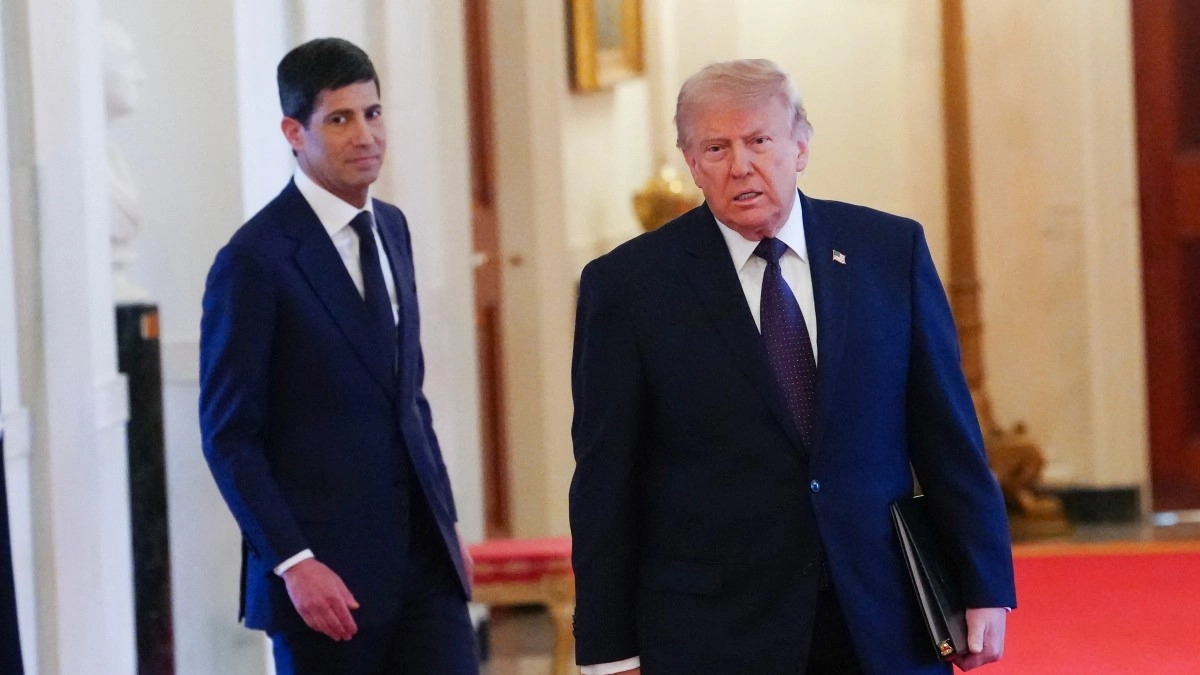
However, the notion of an arrest was vehemently dismissed by U.S. President Donald Trump. Speaking on social media, Trump declared, "Benjamin Netanyahu will not be arrested, in any way, shape, or form, while in the United States of America." He further justified his position by stating that Netanyahu "is fighting against the Islamic Republic of Iran," aligning Israel’s actions with broader U.S. strategic interests in the region. This firm presidential decree underscores the U.S. government’s long-standing policy of non-recognition of the ICC’s jurisdiction over its allies, particularly Israel.
The anticipated arrival of Prime Minister Netanyahu in New York for the United Nations General Assembly in September adds urgency to this unfolding drama. The UNGA is a critical diplomatic forum, and the potential for a head of state to face arrest on charges of war crimes while attending could set a tumultuous precedent for international relations and the functioning of global institutions.

Chronology of Escalating Tensions
Understanding the present controversy requires a look back at the sequence of events that led to this diplomatic and legal impasse.
- October 7, 2023: Hamas, the militant group governing the Gaza Strip, launches a massive surprise attack on southern Israel. Thousands of rockets are fired, and hundreds of militants breach the border, attacking military bases and civilian communities. The attacks result in an estimated 1,200 deaths, primarily civilians, and over 240 people taken hostage, triggering Israel’s declaration of war.
- Late 2023 – Early 2024: Israel launches a comprehensive military operation in Gaza, dubbed "Operation Iron Swords," with stated goals of dismantling Hamas’s military and governing capabilities and securing the release of hostages. The offensive involves extensive aerial bombardments, ground incursions, and a siege, leading to a severe humanitarian crisis, mass displacement, and a rapidly escalating death toll among Palestinians.
- Early 2024: The International Criminal Court’s Prosecutor, Karim Khan, announces that his office has gathered sufficient evidence to seek arrest warrants for senior Israeli and Hamas leaders. This announcement follows months of preliminary examinations and investigations into alleged crimes committed in the Palestinian territories and by Israeli forces.
- Mid-2024: The ICC’s Pre-Trial Chamber formally issues arrest warrants for Prime Minister Benjamin Netanyahu and Israeli Defense Minister Yoav Gallant, alongside several senior Hamas leaders, including Yahya Sinwar, Mohammed Deif, and Ismail Haniyeh. The warrants against the Israeli officials cite charges including starvation of civilians as a method of warfare, willfully causing great suffering, willful killing, and intentionally directing attacks against a civilian population.
- July 18, 2026: New York City Mayor Zohran Mamdani, in an interview with The New York Times, states his belief that Netanyahu is a "war criminal" and belongs in The Hague. He publicly confirms that his office is consulting legal counsel to determine if the city has the legal standing and authority to order the NYPD to execute an international arrest warrant against a visiting head of state.
- July 20, 2026: U.S. President Donald Trump responds forcefully via his social media platform, Truth Social, and cross-posted on X. He asserts unequivocally that Netanyahu "will not be arrested" in the U.S. and frames Israel’s actions as a crucial fight against Iran. This statement sets the federal government’s position firmly against any local attempt to enforce the ICC warrant.
- September 2026: Prime Minister Netanyahu is scheduled to attend the annual United Nations General Assembly in New York, an event that traditionally brings world leaders to the city under diplomatic protections. This upcoming visit is the immediate catalyst for the current legal and political debate.
Supporting Data and Legal Context
The controversy is deeply rooted in the complex interplay of international law, national sovereignty, and diplomatic practice.
The International Criminal Court and its Mandate
The ICC, established by the Rome Statute in 1998, is the world’s first permanent international criminal court. Its mandate is to investigate and, where warranted, prosecute individuals accused of the most serious crimes of concern to the international community: genocide, war crimes, crimes against humanity, and the crime of aggression. The court operates on the principle of complementarity, meaning it only exercises jurisdiction when national courts are unwilling or unable to genuinely investigate or prosecute such crimes.

Crucially, neither Israel nor the United States are signatories to the Rome Statute. This means they do not recognize the ICC’s jurisdiction over their citizens or actions. Israel contends that the ICC lacks jurisdiction because it maintains an independent and robust judicial system capable of investigating alleged crimes, and views the charges as politically motivated. The U.S., while supportive of international justice in principle, has historically resisted the ICC’s authority, fearing politically motivated prosecutions against its own military personnel or allies. This non-recognition forms the bedrock of Netanyahu’s office’s defense.
The Gaza Conflict and Allegations of War Crimes
The war in Gaza has been characterized by an unprecedented scale of destruction and human suffering. According to UN agencies and humanitarian organizations, the Israeli offensive has resulted in tens of thousands of Palestinian casualties, widespread displacement, and the collapse of essential infrastructure, including hospitals, schools, and homes. The ICC’s charges against Netanyahu and Gallant likely stem from allegations related to the proportionality of military responses, the targeting of civilian areas, and the use of siege tactics that have severely restricted humanitarian aid, potentially leading to starvation. The gravity of these allegations underscores the moral imperative felt by some, like Mayor Mamdani, to seek accountability.
US-Israel Relations and Diplomatic Immunity
The United States has long been Israel’s staunchest ally, providing significant military and financial aid and diplomatic support. This alliance has often translated into U.S. opposition to international efforts perceived as undermining Israel’s security or sovereignty. The U.S. has consistently used its veto power in the UN Security Council to block resolutions critical of Israel and has been a vocal critic of the ICC’s pursuit of Israeli officials.
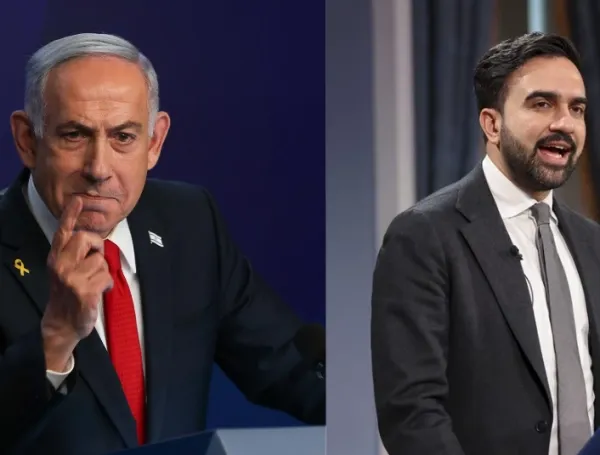
The concept of diplomatic immunity is also central to this debate. Under international law, heads of state, heads of government, and foreign ministers typically enjoy immunity from arrest and prosecution in foreign countries while on official visits. The 1947 UN Headquarters Agreement further specifies privileges and immunities for representatives of member states attending UN functions in the U.S. These immunities are designed to ensure the smooth functioning of international diplomacy and prevent political interference with official duties. While the ICC maintains that its warrants supersede national immunity for signatory states, the U.S. is not a signatory, creating a significant legal hurdle for any local attempt at arrest.
Precedents of ICC Warrants
The ICC has previously issued arrest warrants for sitting heads of state, notably against former Sudanese President Omar al-Bashir in 2009 for genocide, war crimes, and crimes against humanity in Darfur. More recently, in 2023, the ICC issued an arrest warrant for Russian President Vladimir Putin for alleged war crimes in Ukraine. These precedents demonstrate the court’s willingness to pursue high-ranking officials, but also highlight the challenges in executing such warrants when the accused leaders travel to non-signatory states or states that refuse to cooperate. Al-Bashir, for instance, managed to travel to several countries without being arrested, though his international movements were severely restricted.
Official Responses and Legal Perspectives
The pronouncements from President Trump, Mayor Mamdani, and Prime Minister Netanyahu’s office illustrate a stark divergence in legal interpretation, political will, and moral framing.

President Donald Trump’s Unwavering Stance
President Trump’s swift and categorical rejection of a potential arrest underscores the U.S. federal government’s position regarding the ICC and its allies. His statement, "Benjamin Netanyahu will not be arrested, in any way, shape, or form, while in the United States of America," leaves no room for ambiguity. Trump’s reasoning, linking Netanyahu’s actions to a broader struggle against Iran, frames the Israeli leader’s role as vital to U.S. geopolitical interests. This perspective prioritizes strategic alliances and national security considerations over the enforcement of international criminal justice, especially by an institution whose jurisdiction the U.S. does not recognize. Historically, the U.S. has even enacted legislation, such as the American Servicemembers’ Protection Act, to protect U.S. personnel and those of allied nations from ICC prosecution.
Mayor Zohran Mamdani’s Legal Exploration
Mayor Mamdani’s decision to consult with the city’s legal team signals a willingness to push the boundaries of municipal authority in international affairs. His public condemnation of Netanyahu as a "war criminal" reflects a growing sentiment among some progressive political factions and human rights advocates who believe in universal jurisdiction for grave crimes, regardless of where they were committed or the nationality of the perpetrator.
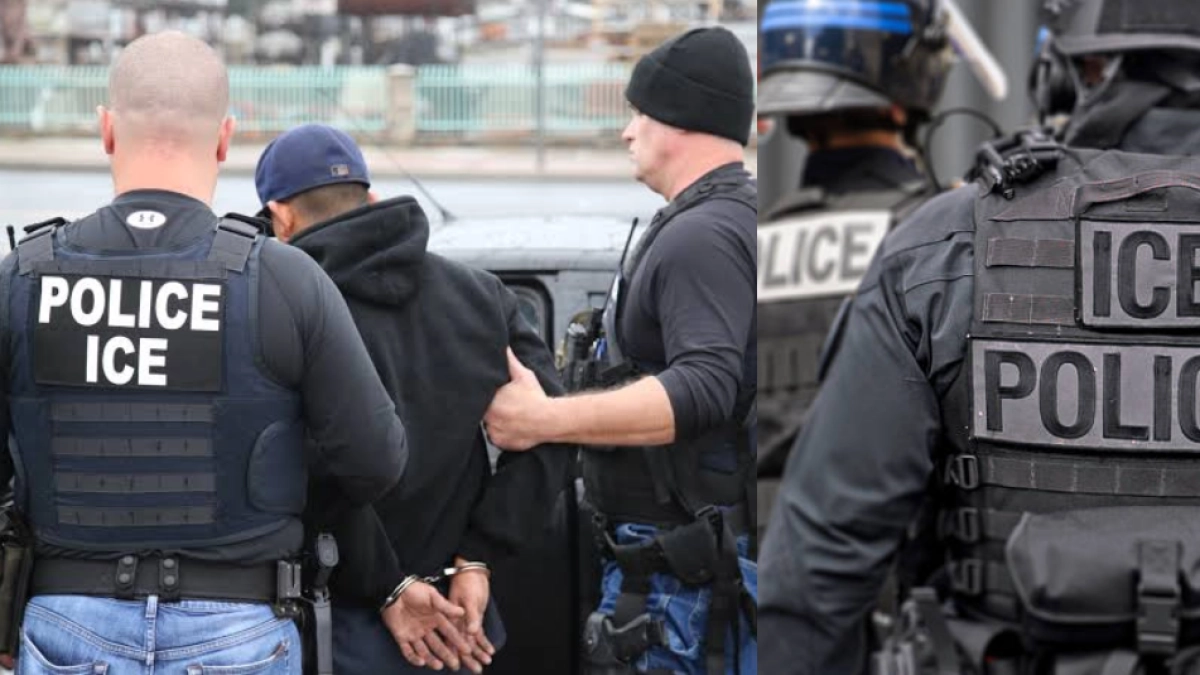
However, the legal feasibility of a city-level authority overriding federal foreign policy and international diplomatic norms is highly dubious. While some legal theories, such as universal jurisdiction, allow national courts to prosecute individuals for certain heinous crimes irrespective of where they occurred, applying this at a municipal level to a head of state with diplomatic immunity is unprecedented and would almost certainly be challenged by the federal government. Legal scholars widely agree that international relations and the enforcement of international law fall squarely within the purview of the federal government, not local municipalities. Any attempt by the NYPD to arrest Netanyahu would likely be met with immediate intervention from the State Department, citing the UN Headquarters Agreement and the principle of head-of-state immunity.

Prime Minister Netanyahu’s Office’s Rebuttal
The response from Prime Minister Netanyahu’s office echoes Israel’s consistent position. Their criticism of both Mayor Mamdani and the ICC highlights their fundamental argument: "the CPI [ICC] has no jurisdiction in United States nor in Israel." This stance is legally grounded in the fact that neither country is a signatory to the Rome Statute. For Israel, accepting the ICC’s jurisdiction would be tantamount to delegitimizing its sovereign judicial system and its right to self-defense. They view the ICC’s actions as a politically biased attack designed to criminalize Israel’s defense operations.
Implications and Future Outlook
The current standoff carries significant implications for various stakeholders and the future of international law.
For U.S. Foreign Policy and International Standing
President Trump’s firm declaration reinforces the U.S.’s long-standing policy of rejecting the ICC’s jurisdiction, particularly when it pertains to allies like Israel. This stance, while providing diplomatic cover for Israel, further strains U.S. relations with the ICC and its signatory states, many of whom are key European allies. It could be perceived as undermining the principles of international justice and accountability that the U.S. sometimes champions. Moreover, if a local authority were to attempt an arrest, it would create an unprecedented constitutional crisis between state/local and federal powers, potentially embarrassing the U.S. on the global stage as the host nation for the UN.

For Israel and its International Relations
For Israel, the ICC warrant represents a significant escalation of international legal pressure. While Netanyahu’s travel to the U.S. may be protected by federal intervention, his ability to travel to other ICC signatory nations would be severely curtailed. This could lead to increased international isolation and diplomatic challenges for Israel and its officials. The warrants also fuel the ongoing debate about Israel’s conduct in Gaza and amplify calls for accountability from international human rights organizations and a segment of the global community.
For the International Criminal Court
This incident serves as a critical test of the ICC’s authority and enforcement mechanisms. While the court has demonstrated its resolve to pursue justice for grave crimes, its effectiveness is heavily reliant on the cooperation of member states. The U.S. and Israel’s non-recognition of its jurisdiction, coupled with the U.S. actively shielding an accused leader, underscores the limitations of the ICC’s power when confronted by powerful non-signatory nations. It highlights the inherent challenges in enforcing universal justice in a world governed by state sovereignty.
For New York City and Local Governance
Should Mayor Mamdani proceed with his legal exploration, it could set a contentious precedent for the role of municipal governments in international affairs. An attempt to enforce an international warrant against a visiting head of state would undoubtedly lead to a severe political and legal clash with the federal government, potentially resulting in federal preemption or judicial injunctions. It would also place the NYPD in an untenable position, caught between local directives and federal mandates, and could disrupt the smooth functioning of international diplomacy that New York City regularly hosts.

Long-Term Implications for International Law
The entire episode underscores the fragility of international legal frameworks when they intersect with geopolitical power dynamics. It raises fundamental questions about the balance between national sovereignty, diplomatic immunity, and the pursuit of universal justice for the most heinous crimes. The outcome of this specific controversy will likely contribute to the ongoing evolution of international criminal law and the complex challenge of holding powerful leaders accountable on the global stage.
As September approaches, all eyes will be on New York City and the unfolding interactions between its progressive mayor, the unwavering U.S. President, and the Israeli Prime Minister facing an international arrest warrant, in a standoff that promises to be both legally intricate and politically charged.