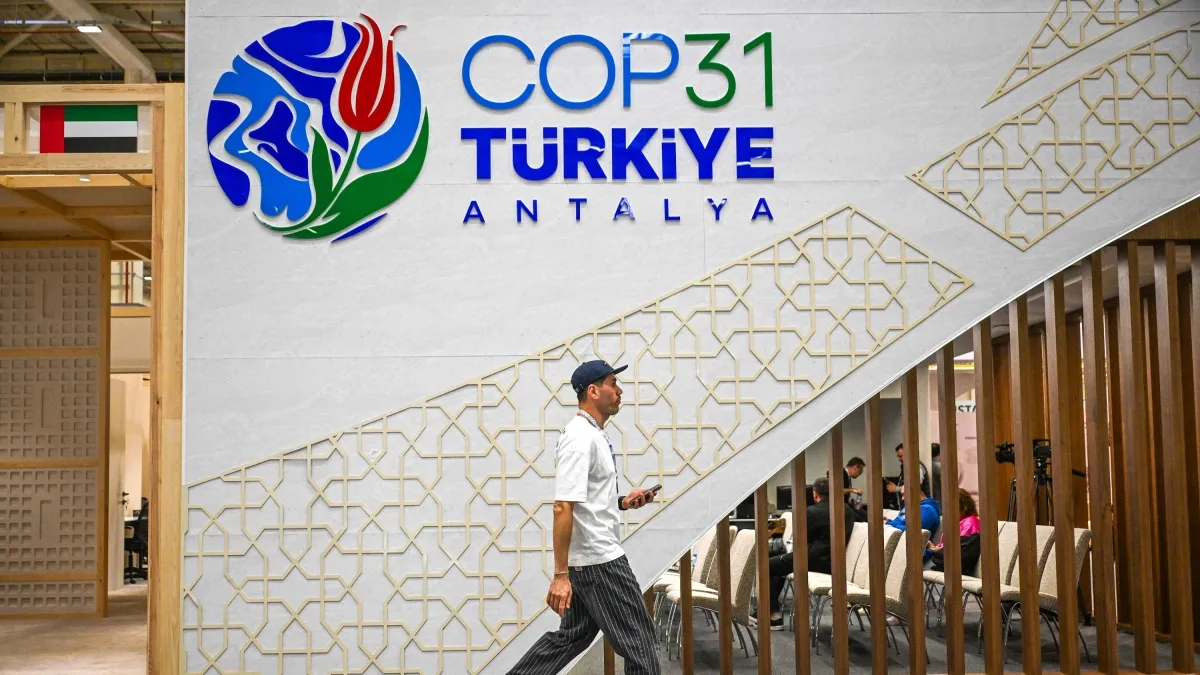
ANTALYA, TURKEY — With the existential threat of climate change accelerating faster than international policy, nearly 200 nations gathered on Monday in the Mediterranean hub of Antalya for the United Nations Climate Change Conference (COP31). Scheduled to run through November 20, this year’s summit faces a daunting mandate: transition global climate action from vague rhetorical commitments to hard, measurable implementation.
Yet, as delegates settled into the expo center, the overarching atmosphere was thick with geopolitical friction, trade disputes, budgetary constraints in the developed world, and the notable absence of the United States government. Operating under a novel co-management model—where Turkey holds the formal presidency and Australia steers the grueling negotiations—COP31 arrives at a critical juncture for the survival of the Paris Agreement’s most ambitious goals.
Main Facts: A Novel Leadership Model and a Blueprint for Action
The COP31 summit introduces an unprecedented diplomatic structure designed to bridge institutional divides. Turkey assumes the formal presidency of the conference, while Australia manages the complex, consensus-driven negotiation rooms.
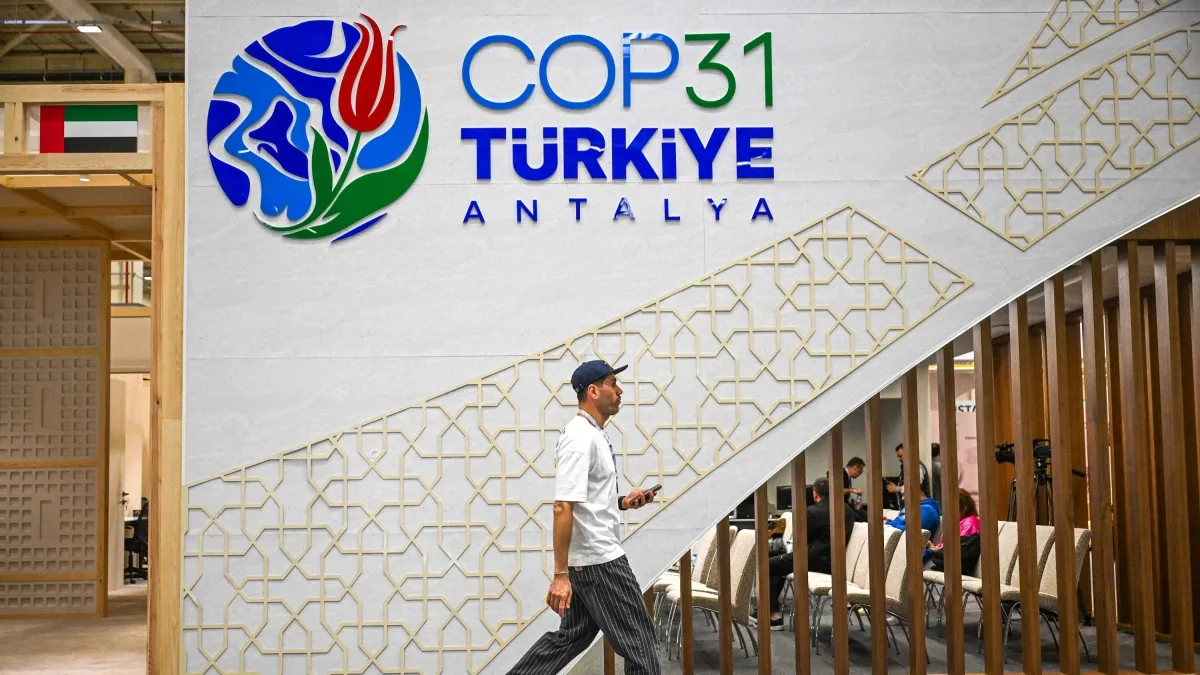
The core objectives of the Antalya summit are twofold:
- Operationalizing Commitments: Turning existing promises into tangible, enforceable domestic policies.
- Unlocking Climate Finance: Providing predictable, accessible monetary support to developing nations on the front lines of climate degradation.
The urgency could not be higher. According to the latest United Nations projections, current national climate policies put the planet on a catastrophic trajectory toward a 2.8-degree Celsius temperature increase by the end of the century. This drastically outpaces the 1.5-degree Celsius threshold established during the landmark Paris Agreement in 2015, signaling that current global efforts are falling dangerously short.
"The COP31 is the COP of bringing commitments into practice," declared Turkish Minister of Environment Murat Kurum, who serves as the president of the conference. Emphasizing a results-oriented paradigm, Kurum added, "Just as the devastating effects of the climate crisis are being felt, the results should also be seen."

Chronology of Climate Ambitions: From Paris to Antalya
To understand the weight of the tasks facing negotiators in Antalya, it is necessary to trace the developmental milestones of recent UN climate summits:
- December 2015 (COP21 – Paris, France): Nations establish the historic target of limiting global warming to "well below 2°C," while pursuing efforts to cap the increase at 1.5°C above pre-industrial levels.
- November–December 2023 (COP28 – Dubai, UAE): For the first time, a COP final agreement explicitly calls for a "transition away from fossil fuels" in energy systems, though it lacks a legally binding roadmap due to resistance from petroleum-exporting nations.
- November 2024 (COP29 – Baku, Azerbaijan): Negotiators agree on a new financial target—dubbed the New Collective Quantified Goal (NCQG)—to mobilize at least $300 billion annually for developing nations by 2035, embedded within a broader vision to scale up total climate financing to $1.3 trillion annually from public and private sources.
- November 2025 (COP30 – Belém, Brazil): Brazil champions sweeping voluntary measures to accelerate the phase-out of fossil fuels and arrest global deforestation rates ahead of 2030.
- November 2026 (COP31 – Antalya, Turkey): The current summit convenes with the explicit goal of transforming the financial pledges of Baku and the transition roadmaps of Belém into enforceable mechanisms, while attempting to reformulate global energy consumption patterns.
Supporting Data: The Financial Conundrum and the Electrification Push
The Battle Over the Billions
Finance remains the absolute linchpin of the negotiations. Developing nations have consistently conditioned the execution of their national climate action plans—known as Nationally Determined Contributions (NDCs)—on the reliable delivery of international funds.
However, experts warn that the economic reality does not match the rhetorical ambition. "Financing will be the main stumbling block," asserts Cosima Cassel, an expert in climate diplomacy and geopolitics at the European think tank E3G. According to Cassel, acute budgetary pressures across developed economies, including the European Union, leave very little fiscal headroom for substantial new public contributions.

Furthermore, profound disagreements persist over who should pay, what proportion must come from public coffers versus private investment, and whether funds should be disbursed as predatory loans or outright grants. For vulnerable states prone to climate-induced disasters, accumulating debt for reconstruction leaves them economically paralyzed and unable to prepare for the next crisis.
"There are measures that can be adopted to reduce the cost of capital for developing countries and improve their access to financing," Cassel notes. Solutions on the table include streamlining bureaucratic hurdles, offering robust state-backed guarantees, and tailoring financial instruments to match the distinct needs of each nation.
The 35% Electrification Strategy
To bypass some of the deadlock surrounding direct fossil fuel phase-outs, the Turkish presidency—with strong backing from Australia—has introduced a major strategic initiative: raising the share of electricity in global final energy consumption to 35% by 2035, up from the current 20%.

This proposal cleverly links emissions reduction with domestic energy security. Expanding renewable energy generation inherently decreases reliance on volatile foreign fossil fuel supplies vulnerable to geopolitical conflicts and maritime choke points, such as the Strait of Hormuz.
The strategy aims to aggressively electrify high-emission sectors like transport (via electric vehicles), domestic heating (via heat pumps), and heavy industry. Nevertheless, this initiative faces deep-seated resistance from major oil- and gas-producing nations who fear it will artificially accelerate the erosion of demand for their primary export commodities. A central battleground in Antalya will be determining whether this electrification target finds its way into the official, binding political declaration or gets relegated to voluntary status.
Official Responses and Geopolitical Friction
Beyond financial and structural debates, COP31 has become a sounding board for escalating global trade wars and protectionist policies under the guise of environmental regulation.

The Carbon Border Adjustment and Trade Wars
The geopolitical landscape in Antalya is further complicated by simmering trade tensions. China has signaled its intent to bring a fierce debate to the summit floor concerning the unilateral carbon tariffs imposed by Western economies.
The European Union’s Carbon Border Adjustment Mechanism (CBAM), which levies fees on carbon-intensive imports like steel and cement based on their embedded emissions, has drawn sharp rebukes from Beijing, New Delhi, and various African capitals. Critics argue that these measures amount to thinly veiled green protectionism that unfairly penalizes industrializing economies. Conversely, Brussels defends the framework, insisting it is necessary to prevent "carbon leakage"—the practice of industries relocating manufacturing facilities to regions with lax environmental standards.
Meanwhile, Brazil has utilized the diplomatic momentum from its leadership at COP30 to push for voluntary acceleration frameworks targeting zero deforestation and fossil fuel reduction by the end of the decade. Yet, without the enforcement muscle of the United States—whose delegation is notably absent from the negotiations—many developing nations worry that major polluters will evade accountability.

Implications for the Global Economy and Future Climate Security
The fortnight of negotiations in Antalya carries profound, long-term implications for the global economic architecture.
If the co-presidency of Turkey and Australia can successfully broker compromises on financial accessibility and structural electrification, COP31 will be remembered as the moment the international community transitioned from endless target-setting to pragmatic execution. Lowering the cost of capital for the Global South, resolving trade disputes over clean technology, and integrating binding energy efficiency goals into national frameworks could inject much-needed momentum back into the Paris Agreement.
Conversely, failure to bridge the chasm between the financial demands of developing countries and the fiscal constraints of developed nations risks fracturing the multilateral climate consensus entirely. As the planet marches dangerously close to the 2.8-degree warming threshold, the delegates in Antalya are running out of time to prove that global diplomacy can deliver solutions before the cascading effects of climate change outpace humanity’s capacity to adapt.