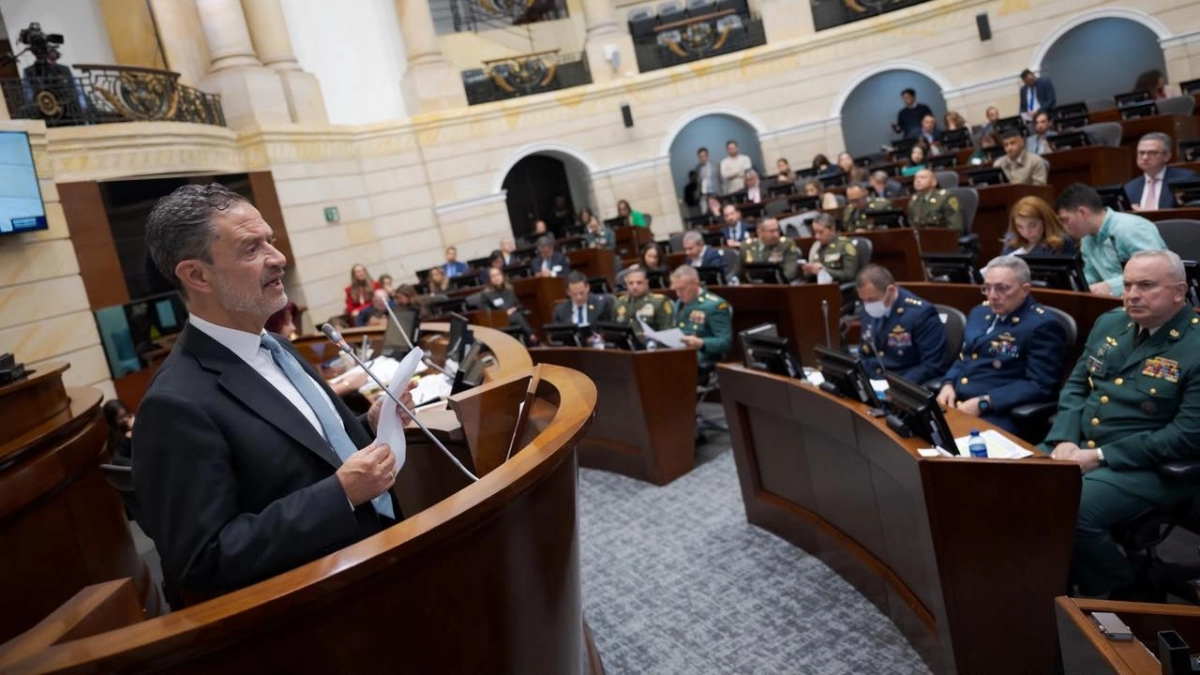
BOGOTÁ — Tensions between the labor sector and the executive branch in Colombia have reached a critical juncture following a formal announcement by the Central Unitaria de Trabajadores (CUT). The country’s premier labor confederation has officially called for a nationwide general strike scheduled for November 19, directly targeting the controversial "Economic Rescue Bill" introduced by the administration of President Abelardo de la Espriella.
The legislative package, which aims to restructure key fiscal, tax, and labor frameworks across the nation, has sparked immediate outrage from labor unions and social organizations. According to the CUT and its leadership, the proposed legislation shifts an unsustainable economic burden onto the shoulders of the working class and middle-income households, while allegedly offering disproportionate tax relief and financial incentives to corporations and high-net-worth individuals.
With the strike date fast approaching, the political climate in Colombia is increasingly volatile. The mobilization is anticipated to draw hundreds of thousands of workers, civil society groups, and community organizations into the streets, setting the stage for a major showdown between labor unions and the legislative agenda of the de la Espriella administration.
Main Facts
The core catalyst for the upcoming November 19 national strike is the multifaceted Economic Rescue Bill currently winding its way through the national legislature. Led by Fabio Arias Giraldo, president of the CUT, the labor movement has outlined a series of systemic grievances regarding the bill’s provisions, arguing that the legislation fundamentally threatens the economic stability and social well-being of ordinary Colombians.
Among the most contentious elements of the reform are sweeping modifications to value-added taxes (VAT), progressive adjustments to healthcare contributions, changes to personal and corporate income taxes, and the inclusion of extraordinary legislative powers that could dramatically reshape the public sector.
- VAT on Basic Goods: The bill proposes sweeping away current exemptions and reduced rates, applying the general 19% VAT rate to essential food items and products within the basic family basket currently taxed at just 5% or exempted entirely.
- Healthcare Contributions: While contributions would remain at 4% for workers earning up to two minimum wages, the proposal implements a progressive hike for higher earners, climbing up to 8% for individuals making between 20 and 25 minimum wages.
- Corporate Tax Relief vs. Personal Tax Hikes: The legislation slashes the corporate income tax rate from 35% to 31% and provides new investment incentives, while simultaneously restructuring personal income tax brackets and restricting various deductions and tax-exempt incomes.
- Public Sector Restructuring: The bill seeks to grant the executive branch extraordinary powers to merge, suppress, or privatize public institutions—a move union leaders warn could jeopardize up to 700,000 public sector jobs.
- Family Welfare Subsidies: The proposed law reduces employer contributions to family welfare funds (cajas de compensación familiar) from 4% to 3%, a shift critics argue will severely diminish social programs and family support services.
Chronology of Events
The escalation leading to the November 19 mobilization unfolded over several weeks as details of the Economic Rescue Bill leaked into the public sphere and subsequently entered congressional debate.

- Late October 2026: The administration of President Abelardo de la Espriella formally presents the text of the Economic Rescue Bill to Congress, framing it as a necessary measure to stabilize national finances, stimulate private investment, and foster economic recovery.
- October 31, 2026: Initial economic analyses reveal the extent of the tax reforms, including reductions for small and medium-sized enterprises (pymes) alongside structural adjustments to consumption taxes and healthcare contributions, drawing immediate scrutiny from labor economists.
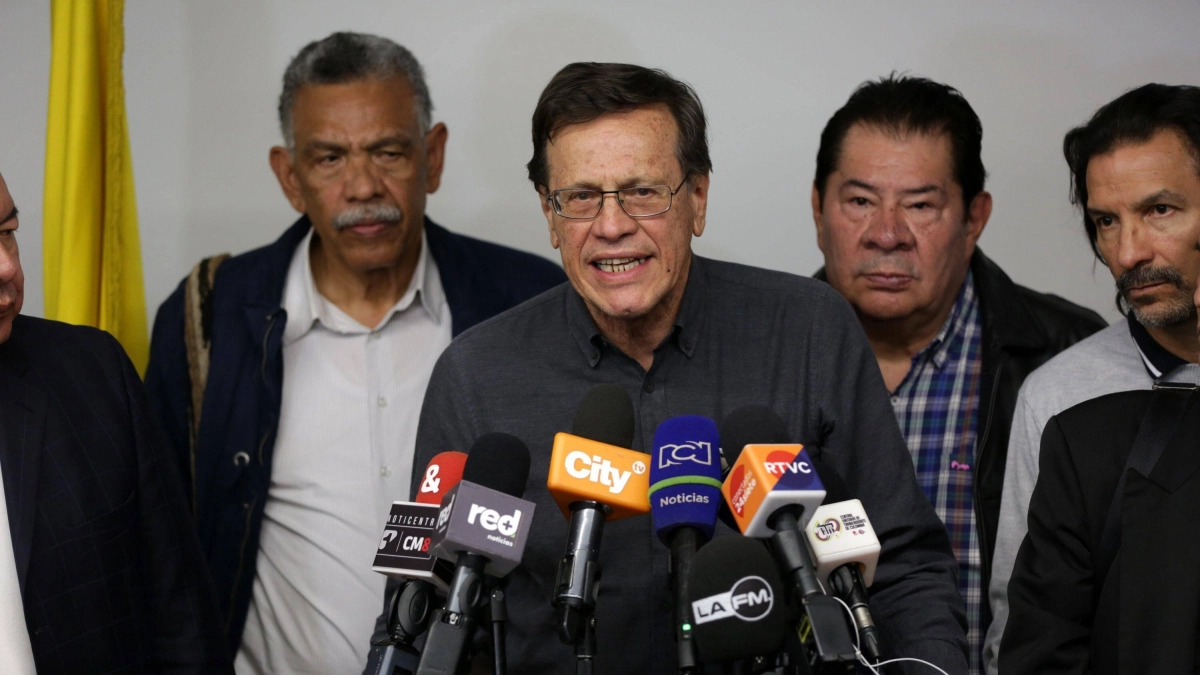
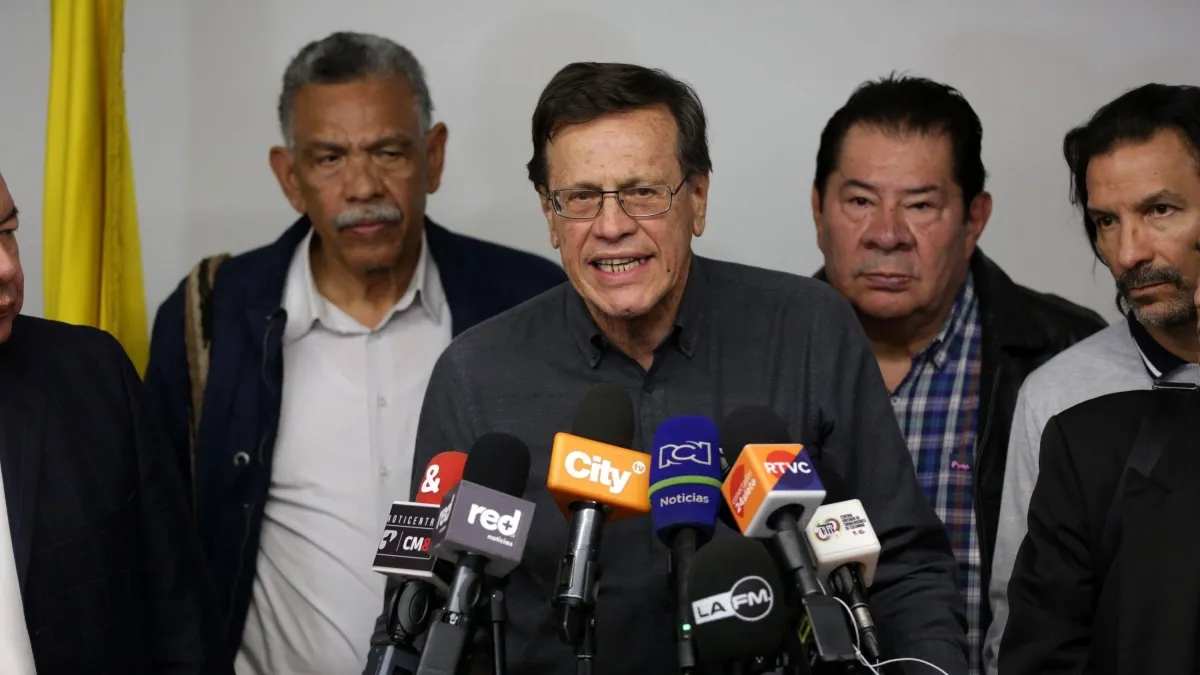
- November 2, 2026: Following emergency internal deliberations, the executive committee of the Central Unitaria de Trabajadores (CUT), headed by Fabio Arias Giraldo, holds a press conference to officially reject the reform package. During this address, the CUT issues the formal call for a national strike to take place on November 19.
- Early November 2026: Regional labor chapters, student movements, and allied social organizations begin local assemblies across major Colombian cities—including Bogotá, Medellín, Cali, and Barranquilla—to organize logistics, coordinate demands, and build coalitions ahead of the national day of protest.
- Present: As legislative debates continue within Congress, political polarization intensifies. The government attempts to defend the necessity of the fiscal overhaul, while the labor sector solidifies its nationwide strike infrastructure, rejecting any compromise short of withdrawing or substantially rewriting the bill.
Supporting Data and Economic Analysis
To understand the depth of the resistance against the Economic Rescue Bill, labor analysts and economic watchdogs have closely examined the numbers underpinning the legislative text. The debate largely centers on the distributive justice of the tax burden—who pays, who benefits, and what the macroeconomic repercussions will be for the average household.
Consumption and the Family Basket
Currently, many staples of the Colombian family basket enjoy preferential tax treatment, falling either under a 0% exempt status or a reduced 5% VAT tier. The administration’s proposal to transition these items to the standard 19% VAT bracket is projected by government fiscal planners to increase state revenue. However, independent economists and labor researchers warn that this change will generate an immediate inflationary shock on household budgets. For low- and middle-income families, who spend a vastly higher percentage of their disposable income on food and basic goods, the relative loss in purchasing power is calculated to be severe.
Corporate vs. Individual Tax Burdens
A major point of contention within the fiscal framework is the divergent treatment of capital versus labor. The reduction of the corporate income tax rate from 35% to 31%, combined with the proposed phase-out of the net wealth tax (impuesto al patrimonio), is designed by proponents to incentivize private sector investment, spark job creation in small and medium enterprises (pymes), and encourage capital retention within the country.

Conversely, the CUT points out that these corporate windspeeds are financed through increased fiscal pressures on individuals. By reshaping personal income tax tranches and tightening exemptions, the state shifts the tax yield balance. Furthermore, the progressive adjustment to healthcare contributions—raising rates up to 8% for professionals earning between 20 and 25 minimum wages—is viewed by unions as a punitive measure targeting middle- and upper-middle-class technical and professional workers rather than true wealth holders.
Public Employment and Social Services
The controversy surrounding potential public job losses is another quantitative flashpoint. The CUT’s projection of up to 700,000 jobs at risk stems from the scope of the extraordinary legislative powers requested by the executive branch. Should the government move forward with aggressive institutional streamlining, mergers, or privatizations, hundreds of thousands of public servants face structural displacement. Additionally, dropping the family welfare fund contributions from 4% to 3% strips billions of pesos from regional welfare programs, which finance subsidized housing, education, sports facilities, and cultural programs for millions of low-income workers and their dependents.
Official Responses and Stakeholder Positions
The ideological battle lines surrounding the Economic Rescue Bill have drawn sharp commentary from both sides of the political spectrum, reflecting deep divisions over the future direction of Colombia’s economic policy.

The Perspective of the Labor Movement
For the Central Unitaria de Trabajadores and its allies, the legislation represents an assault on the social contract. Fabio Arias Giraldo, speaking on behalf of the confederation, did not mince words when laying out the union’s stance:
"This bill is a direct transfer of wealth away from the working class and into the hands of multinational corporations and the ultra-rich. By taxing our food, penalizing middle-income health contributions, and threatening hundreds of thousands of public sector jobs under the guise of modernization, the government is driving the country into social crisis. We call on all workers, peasants, students, and citizens to make their voices heard on November 19."
The labor movement maintains that if the government genuinely seeks economic recovery, it should focus on progressive taxation of large fortunes, curbing tax evasion, and strengthening public investment rather than imposing austerity measures on the vulnerable.

The Government and Pro-Reform Stance
Defenders of the de la Espriella administration’s legislative package argue that the reforms are not only necessary but long overdue to prevent a deeper macroeconomic crisis. Administration officials contend that Colombia’s previous tax structures placed an uncompetitive burden on businesses, stifling domestic enterprise, discouraging foreign investment, and discouraging the formalization of small and medium enterprises.
According to economic spokespeople for the executive branch, reducing the corporate tax rate to 31% is essential to align Colombia with regional competitors and stimulate the job creation needed to drive long-term growth. Furthermore, the administration asserts that the adjustments to VAT and healthcare contributions are structured to close critical fiscal deficits while ensuring that the social safety net remains solvent. Government leaders have urged labor unions to return to the negotiating table rather than resorting to disruptive national strikes that could harm the very economic recovery the bill seeks to achieve.
Implications for Colombia’s Political and Economic Landscape
As November 19 approaches, the ramifications of this legislative standoff extend far beyond the immediate debate over tax rates and fiscal policy.

Politically, the confrontation serves as a major test of strength for President Abelardo de la Espriella’s administration. Pushing through a structural reform of this magnitude in the face of unified, militant labor opposition requires immense political capital. If the government stands firm, it risks protracted social unrest, street blockades, and a prolonged paralysis of public administration services. Conversely, yielding to union demands by withdrawing or gutting the bill would severely compromise the administration’s fiscal strategy and legislative authority.
Economically, the outcome will dictate the trajectory of inflation, consumer spending, and labor relations for years to come. A successful implementation of the bill could alter corporate investment incentives, though likely at the cost of immediate social friction and reduced real wages for workers. On the other hand, a successful national strike could force a comprehensive rewrite of the tax code, compelling policymakers to seek alternative fiscal adjustments that rely less heavily on broad-based consumption taxes and more on progressive wealth accumulation.
For now, citizens across Colombia brace for a month of intense political mobilization, legislative maneuvering, and social debate. All eyes remain fixed on Congress, where the text of the Economic Rescue Bill is debated, and on the streets, where millions of workers prepare to make their voices heard on the nineteenth of November.