Introduction: A Breach of Transparency
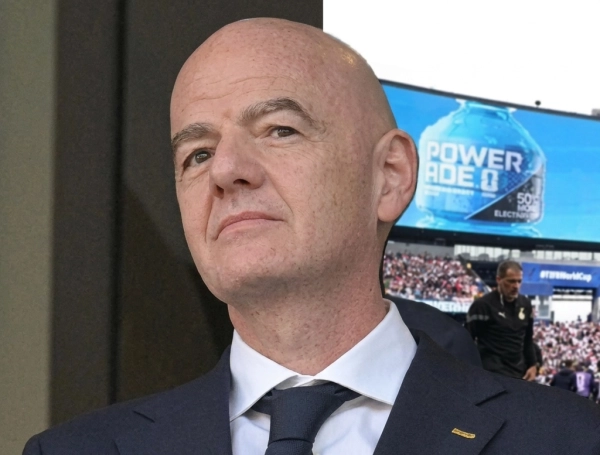
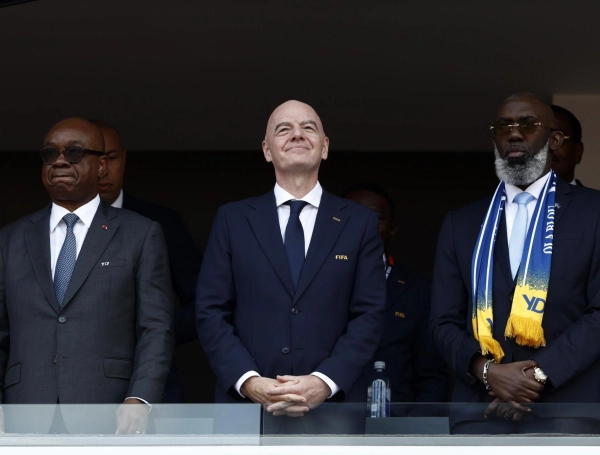
In a revelation that has sent shockwaves through the corridors of international football governance, a high-level journalistic investigation has exposed a controversial financial arrangement concerning the president of the Fédération Internationale de Football Association (FIFA), Gianni Infantino. According to reports surfacing from The New York Times, FIFA has been quietly covering the fiscal tax obligations of its president in the United States.
This disclosure comes at a precarious time for the organization, which is currently preparing for a contentious presidential election scheduled for March 2027 in Rabat, Morocco. As Infantino seeks a fourth term, the revelation that the governing body has been absorbing the personal tax liabilities of its leader—an arrangement not disclosed in official public filings—has ignited a firestorm of criticism regarding transparency, corporate governance, and the ethics of FIFA’s financial operations.
The Core Investigation: A Hidden Fiscal Subsidy
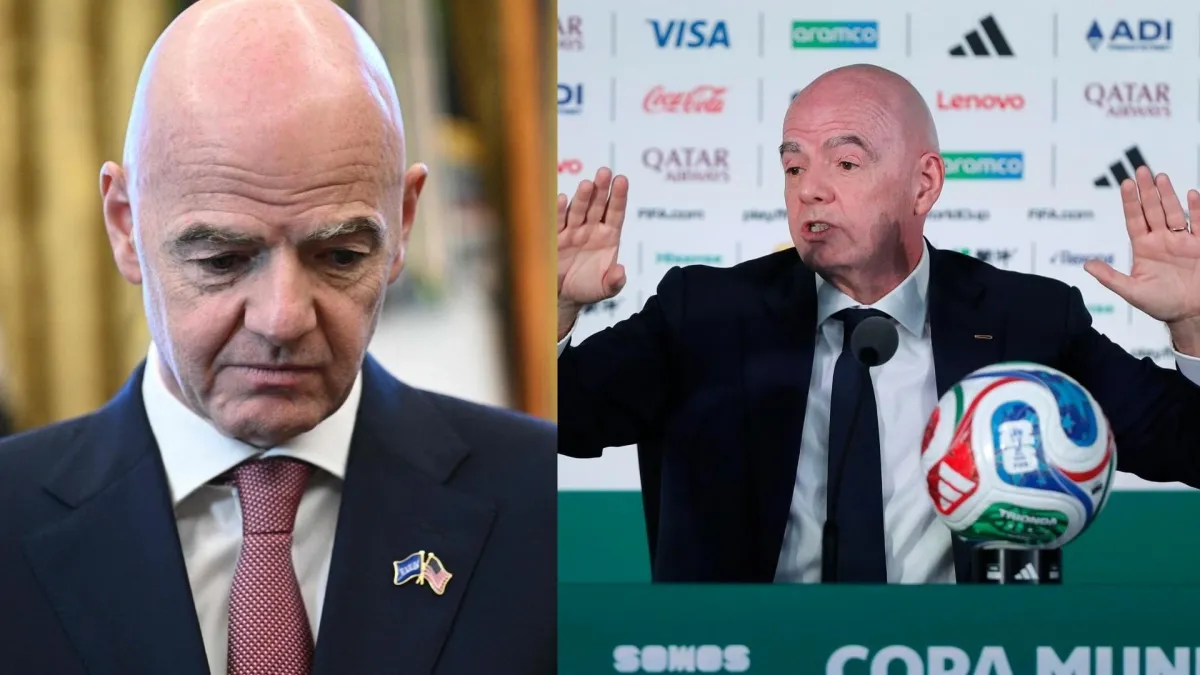
The crux of the controversy centers on the decision by FIFA’s compensation committee to authorize the payment of Gianni Infantino’s U.S. tax liabilities during a meeting in Bangkok in May 2024. Infantino, who relocated to the United States to oversee the logistical and commercial preparations for the 2026 World Cup, became subject to American tax laws.
The Numbers Behind the Subsidy
Financial analysts and sources familiar with the internal dealings of the governing body estimate that this tax relief arrangement will cost FIFA approximately $4 million over a three-year period. This sum is provided on top of the president’s substantial annual remuneration, which is pegged at roughly $6 million.

Perhaps more damaging than the amount itself is the revelation that this "gross-up" or tax equalization measure was conspicuously absent from the organization’s official financial reports. For an entity that frequently champions the need for transparency and anti-corruption measures within the sport, the omission of such a significant executive benefit has provided ammunition to critics who argue that the FIFA leadership operates with a sense of immunity from the standards it imposes on others.
Chronology: From Zurich to the Global Stage
To understand the gravity of the current situation, one must look at the timeline of Infantino’s residency and the escalation of tensions within the footballing community.
- Pre-2024: Gianni Infantino maintains a primary residence in Switzerland, the traditional home of FIFA. The organization operates under Swiss tax laws, which are distinct from those in the U.S.
- Early 2024: As the 2026 World Cup preparations intensify, Infantino makes the strategic decision to relocate to the United States to supervise the tournament’s operations personally. This move triggers significant tax implications under U.S. federal and potentially state tax codes.
- May 2024: During a high-level summit in Bangkok, the FIFA compensation committee convenes. Amidst the agenda items, the committee quietly approves the measure to cover the president’s tax liabilities, aiming to ensure his net income remains unaffected by his professional relocation.
- Late 2026: Investigative journalists from The New York Times piece together the financial records, uncovering the undisclosed payments.
- March 18, 2027 (Upcoming): The scheduled date for the FIFA presidential elections in Rabat, where Infantino faces a growing tide of institutional opposition.
Supporting Data: The 2026 World Cup Financial Engine
While the controversy over tax payments captures headlines, it exists against the backdrop of an unprecedented financial cycle for FIFA. The 2026 World Cup, hosted across the United States, Mexico, and Canada, is projected to be the most lucrative sporting event in history.
Revenue Projections
Reports from The Times indicate that revenue from ticketing, hospitality, and corporate services for the 2026 edition has reached nearly €4.5 billion. To put this into perspective, the 2022 Qatar World Cup generated approximately €834 million in similar categories. This nearly five-fold increase underscores the sheer scale of the money flowing through the organization, making the $4 million tax issue appear to some as a rounding error, while to others, it represents a symptomatic disregard for fiduciary responsibility.
Distribution and Investment
FIFA officials have defended the organization’s financial health by pointing to the "FIFA Forward Enterprise" and subsequent development programs. The governing body has pledged to distribute approximately €5.7 billion among its 211 member associations during the 2027–2030 cycle. The argument from Zurich is that the massive revenue influx justifies the current administrative costs, even when those costs include executive tax subsidies.
The Governance Crisis: UEFA and the "42 Questions"
The fiscal scandal is only the latest in a series of conflicts that have severely strained the relationship between FIFA and the Union of European Football Associations (UEFA).
The Rise and Fall of the "FIFA Forward Enterprise"
The rift between the two bodies widened significantly following the revelation of the "FIFA Forward Enterprise" (FFE) plan. This initiative sought to invite private equity investors to participate in the commercialization of global tournaments—a move that European federations viewed as a privatization of football’s heritage. Following the public backlash fueled by investigative reporting, the proposal was shelved, but the damage to the relationship was done.
Legal Challenges
In response to the perceived lack of transparency, UEFA has taken the unprecedented step of filing legal challenges in U.S. courts. Beyond the courtroom, European leaders have submitted a rigorous "42-point questionnaire" to FIFA, demanding granular detail on how the organization is governed, how decisions are made, and, crucially, how executive compensation is structured. This list of questions is widely seen as a precursor to a formal challenge to Infantino’s leadership.

Official Responses and Public Stance
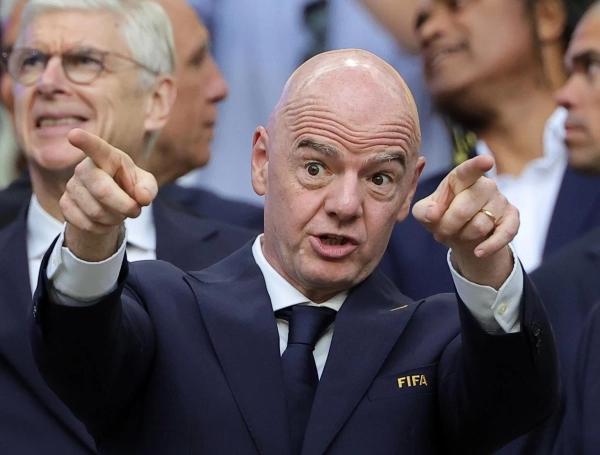
Gianni Infantino has remained defiant. In a recent interview with the BBC conducted in Baku, Azerbaijan, the president defended his administration’s track record, citing the unprecedented financial growth of the sport under his watch.
While Infantino acknowledged the need for "improved institutional dialogue," he explicitly rejected calls for his resignation. He claims to have the backing of the majority of the global footballing community, particularly outside of Europe, where the development funds provided by FIFA are seen as a direct benefit of his leadership.

FIFA, for its part, has not directly confirmed the specific amounts regarding the tax payments, instead issuing general statements emphasizing that all financial activities are managed according to international standards and internal regulations. The organization maintains that its priority remains the expansion of football and the equitable distribution of resources across all six confederations.
Implications: A Crossroads for FIFA
The unfolding situation suggests that FIFA is entering its most turbulent period since the 2015 corruption scandal. The combination of a potential presidential election challenge, legal action from the most powerful continental federation (UEFA), and the revelation of "hidden" executive perks creates a volatile environment.

The Integrity Gap
The primary implication of this scandal is the widening gap between FIFA’s public image as a reformed, transparent body and the reality of its internal administrative practices. When a leader’s tax bill is paid by the organization without public disclosure, it revives long-standing anxieties about "cronyism" and "elitism" within the sport’s hierarchy.
The 2027 Election
The Rabat election will now be viewed through the lens of this financial scrutiny. While Infantino retains significant support in Africa, Asia, and the Americas—regions that have benefited from the expansion of the World Cup and increased funding—the institutional rebellion led by Europe could create a fracture that weakens the sport’s unity.

Conclusion
As the 2027 election approaches, the football world finds itself watching two parallel tracks: the massive, record-breaking financial success of the 2026 World Cup, and the shrinking moral capital of the organization that runs it. Whether the membership chooses to prioritize the revenue generated by the Infantino era or the governance standards demanded by the dissenters will determine the future direction of the world’s most popular sport. The $4 million tax question, while small in the grand scheme of FIFA’s multi-billion dollar balance sheet, has become a symbol of a deeper, systemic question: who is FIFA truly serving?