The annual unveiling of the Ballon d’Or remains the undisputed pinnacle of individual achievement in professional football. As the dust settles on the 2026 edition, the spotlight has turned to the nuances of the voting process, particularly concerning the Colombian star Luis Díaz. Following the release of the official voting breakdown by France Football, the footballing world has gained a clearer picture of how the Bayern Munich winger was perceived by the international panel of experts.
With a total of eight points, Luis Díaz secured the 24th position in the global rankings. While this placement maintains his status within the elite echelons of the sport, it has sparked a wider conversation regarding the criteria used by voters and the specific standing of Latin American players in a European-dominated landscape.
Main Facts: A Statistical Overview of Luis Díaz’s 2026 Campaign
At 29 years of age, Luis Díaz has firmly established himself as a fixture among the world’s top 30 players. Achieving this nomination is, in itself, a testament to his consistency and technical prowess on the wing for both club and country. In the 2026 edition, Díaz finished in a tie for 24th place alongside Portuguese defender Nuno Mendes, who currently plies his trade at Paris Saint-Germain.
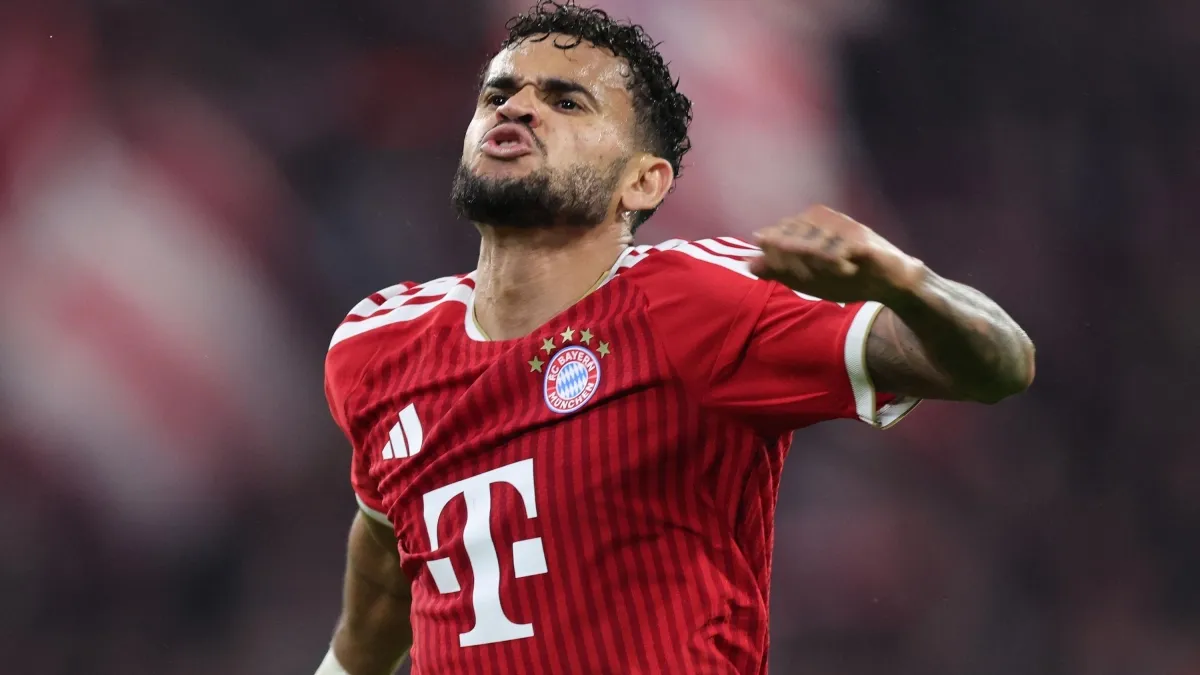
The Colombian international successfully outperformed several notable global stars in the final tally, including defensive stalwarts like Marquinhos and Dayot Upamecano, as well as the creative playmaker Bruno Fernandes. Despite this, the result marks a slight regression from his personal best in the competition—a 17th-place finish achieved in 2022.
The data provided by France Football confirms that while Díaz’s presence in the top 30 is undisputed, his path to the top ten was hindered by a lack of consensus among the voting body. With eight points to his name, his campaign reflected a player who is widely respected but who lacked the "first-choice" momentum necessary to challenge the frontrunners.
The Chronology of Recognition: From Porto to Munich
To understand where Luis Díaz stands today, one must look at the trajectory of his career. His rise from the Colombian domestic league to the heights of European football has been nothing short of meteoric.

2022: The Breakout Year
In 2022, the world truly took notice. Díaz’s impact at Liverpool FC, characterized by his relentless work rate and lethal finishing, propelled him to a career-high 17th place in the Ballon d’Or rankings. At that time, his ability to influence high-stakes Champions League matches made him a darling of tactical analysts and voters alike.
2024-2026: The Transition and Maturity
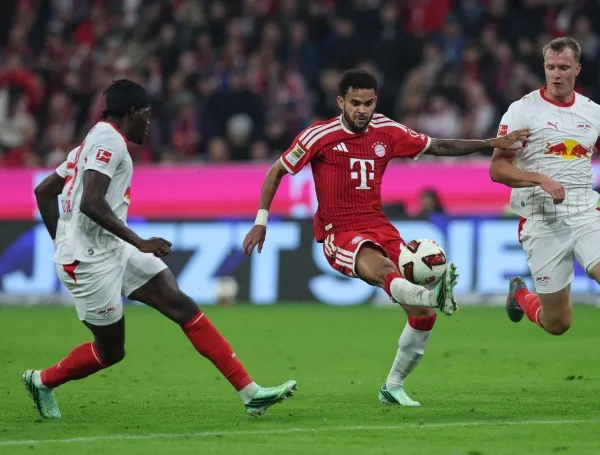
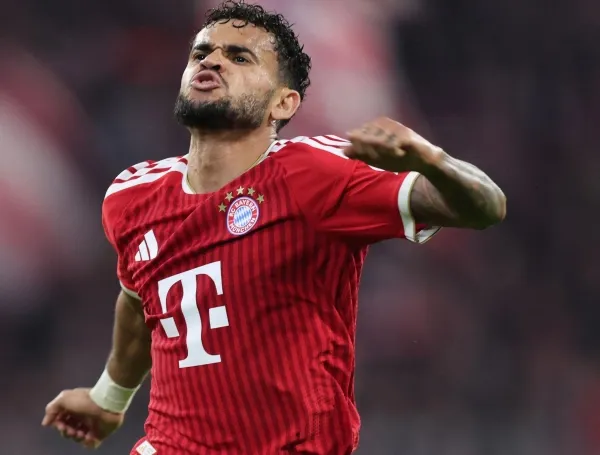
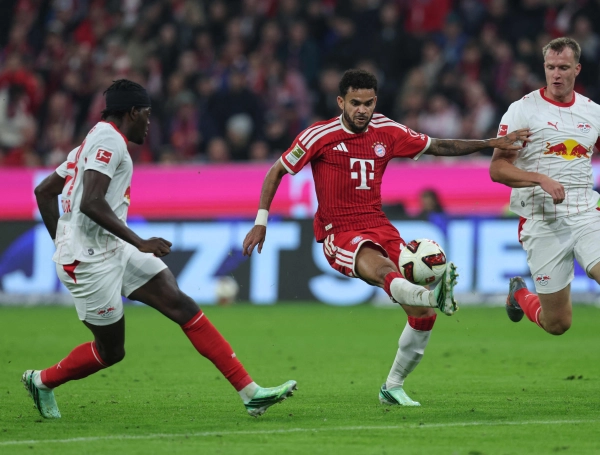
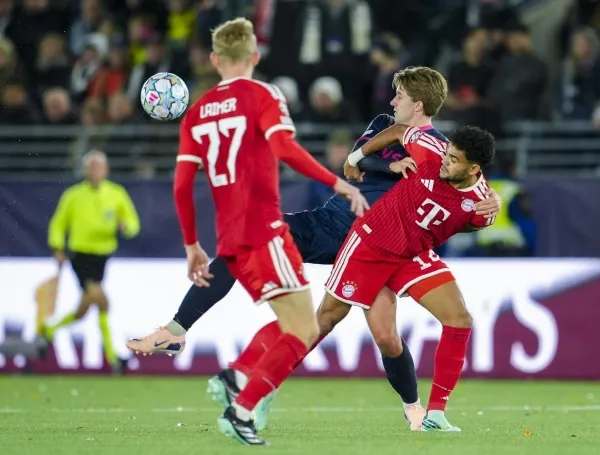
Following his high-profile move to Bayern Munich, Díaz faced the challenge of adapting to a new tactical system in the Bundesliga. His performance in 2026 has been marked by a transition toward a more strategic role. While he has remained a consistent threat, the nature of his contribution has evolved. The 2026 nomination reflects his continued importance to a major European powerhouse, even if the individual accolades have not reached the same peak as his 2022 campaign.
The recent scare regarding Bayern manager Vincent Kompany’s health and the subsequent tactical adjustments required at the club have added a layer of complexity to the season, yet Díaz has remained a stable force in the Munich attack.
Supporting Data: Deconstructing the Voting Patterns
The most revealing aspect of the 2026 Ballon d’Or results lies in the raw data of the ballots. The voting panel, comprised of specialized journalists from various nations, provided a granular look at how individual performances were weighed.
The "First-Place" Gap
Perhaps the most telling statistic is that not a single nation placed Luis Díaz in their number one spot. In a system where top-tier candidates often receive unanimous support from specific regions, the absence of a "first-place" vote for the Colombian suggests that while he is viewed as a high-quality player, he was not considered the decisive factor in European football for the 2026 calendar year.
The Geographical Distribution
The data shows that 95 of the participating nations opted to exclude Díaz from their top-ten lists entirely. Furthermore, five nations that did include him in their broader considerations still ranked him outside their own top-ten selections.
Crucially, even the representative from Colombia did not award the maximum points to the Bayern Munich winger, highlighting the objective, albeit sometimes surprising, nature of the voting process. This lack of a "home-country bias" is often cited by France Football as proof of the independence and integrity of the jury.
Comparative Context: Other Latin American Performers
The 2026 ceremony provided a snapshot of the current state of Latin American football. While the continent continues to produce world-class talent, the distribution of votes in this cycle was heavily concentrated on European-based strikers and playmakers.
- Julián Quiñones: The colombo-mexican forward finished in the 28th position with four points. His inclusion in the top 30 reflects the growing recognition of his impact within his club, despite finishing behind his compatriot Díaz.
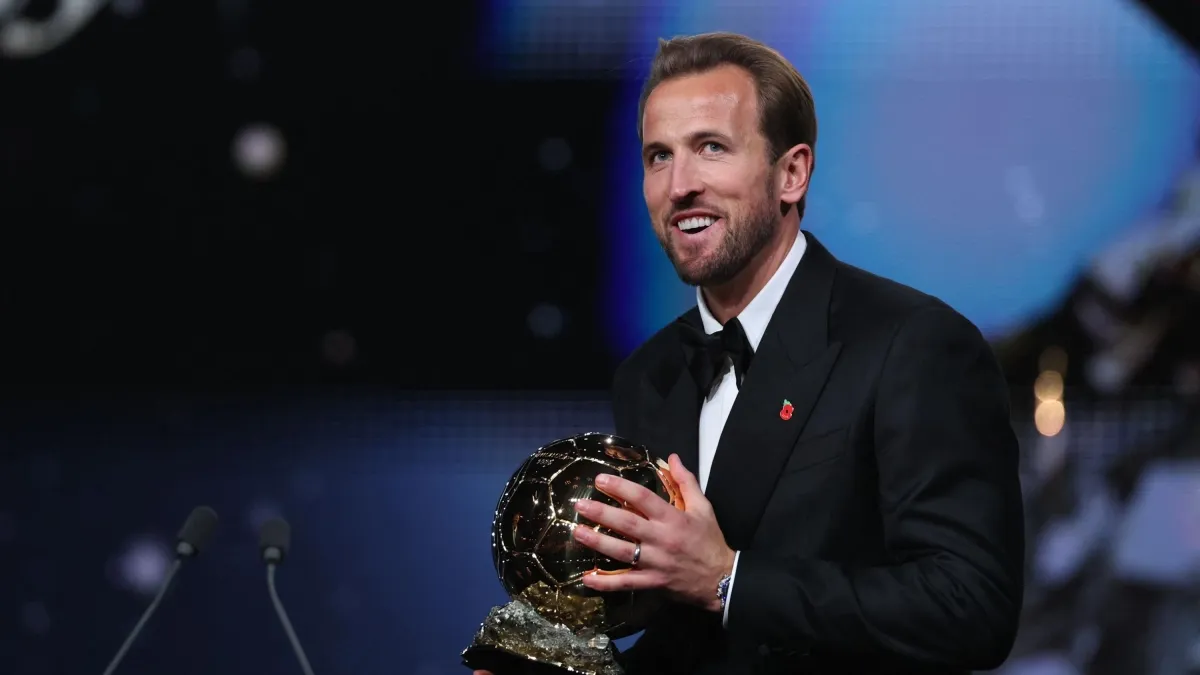
- The Top Tier: The podium was dominated by heavyweights. Harry Kane (England) claimed the Golden Ball with a staggering 1,055 points, followed by Kylian Mbappé (France) with 1,027 points, and the young sensation Lamine Yamal (Spain) with 881 points.
The massive gap between the leaders and the rest of the pack underscores a widening divide in the perception of "impact players" versus "supporting stars." While players like Díaz and Quiñones are elite, they are currently seen as secondary to the record-breaking seasons produced by Kane and Mbappé.
Official Responses and Tactical Implications
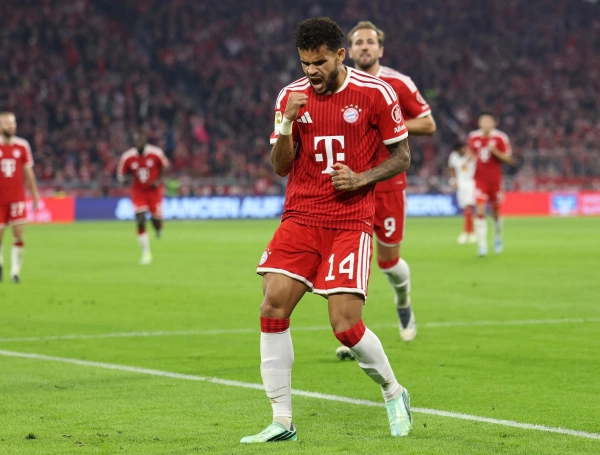
While there has been no official statement from Luis Díaz himself regarding the ranking, his performance on the pitch remains the primary focus for Bayern Munich. In professional football, individual awards are often treated as a byproduct of collective success.
The "Kompany Factor"
The recent period of uncertainty at Bayern Munich, involving the health of manager Vincent Kompany, has necessitated a level of professional discipline that often goes unnoticed by voters. Analysts argue that players in teams experiencing transition or managerial instability often see their individual voting stock decline, regardless of their personal form.
Future Outlook
For Luis Díaz, the path to regaining a higher position in the Ballon d’Or rankings is clear: consistency in the Champions League and domestic dominance with Bayern Munich. At 29, he is in the "golden age" of his career—possessing both the physical endurance of his youth and the tactical intelligence gained through years of elite competition.
Implications for the Future of the Award
The 2026 Ballon d’Or has sparked a broader debate about the criteria for the award. Critics of the current system point to the "European bias" in the voting panel, noting that players from South America often require significantly higher output to achieve the same recognition as their counterparts in the Premier League or La Liga.
However, supporters of the current model argue that the transparency of the vote—revealing exactly how each country voted—forces a level of accountability that was previously missing. The fact that the process is now so public allows for the exact type of analysis we see today: an understanding that Luis Díaz is a world-class talent who, while not the "best in the world" in 2026, remains a vital piece of the global football puzzle.
The Road Ahead
As the 2027 season progresses, the metrics for success will likely shift. With the expansion of global tournaments and the changing landscape of tactical football, players like Díaz will need to adapt. His ability to maintain his pace and technical flair will be the deciding factor in whether he can challenge for the top ten once again.

Ultimately, the 24th-place finish for Luis Díaz is not a failure, but a reflection of the brutal competition at the top. To be ranked among the 30 best players on the planet is a milestone that few achieve. As he continues his journey with Bayern Munich, the focus will surely shift from the ballot boxes of France Football back to the green grass of the Allianz Arena, where the only votes that truly matter are the ones cast by the fans and the scoreboard.
Summary of the 2026 Ballon d’Or Standings (Select Participants):
- Harry Kane (England) – 1,055 points
- Kylian Mbappé (France) – 1,027 points
- Lamine Yamal (Spain) – 881 points
… - Luis Díaz (Colombia) – 8 points
- Nuno Mendes (Portugal) – 8 points
- Julián Quiñones (Colombia/Mexico) – 4 points
- Sadio Mané (Senegal) – 2 points
- William Saliba (France) – 2 points
Note: This analysis was prepared to provide comprehensive context regarding the 2026 Ballon d’Or results based on available data from official sources.