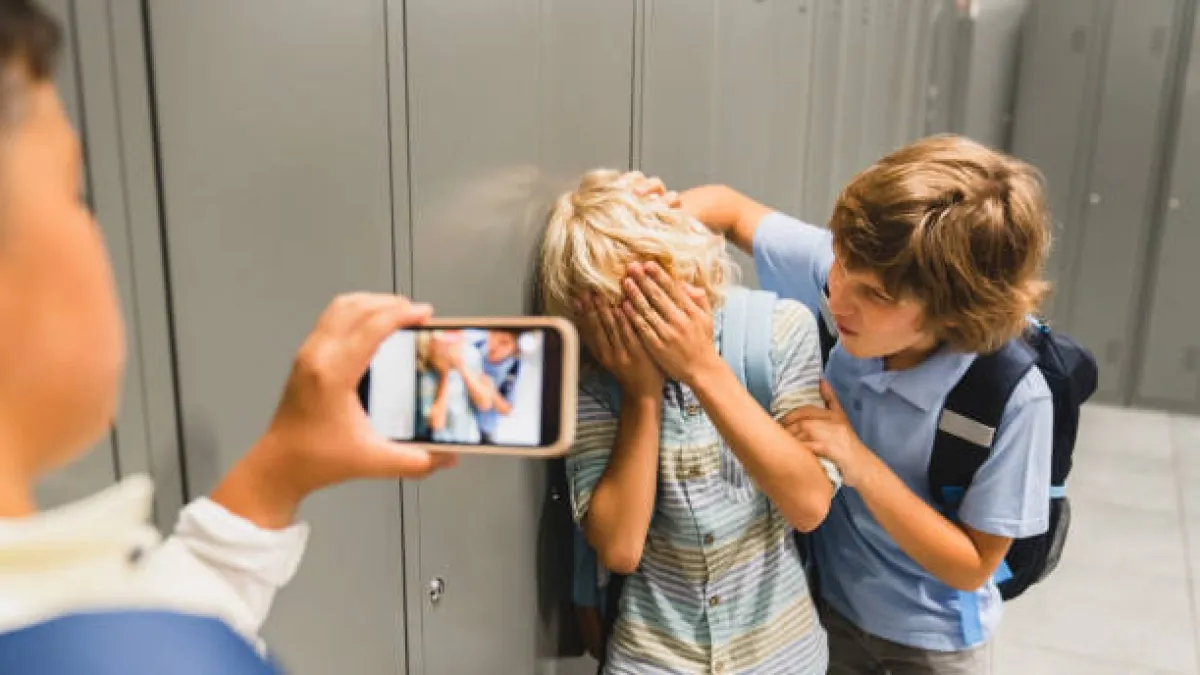
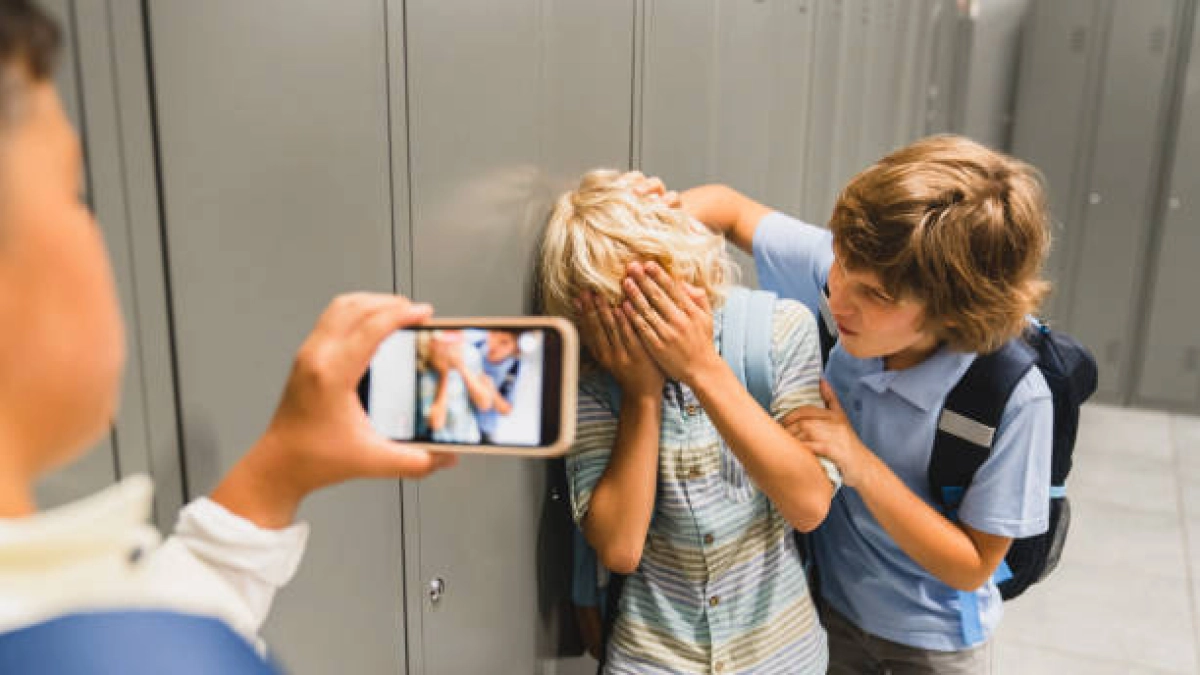
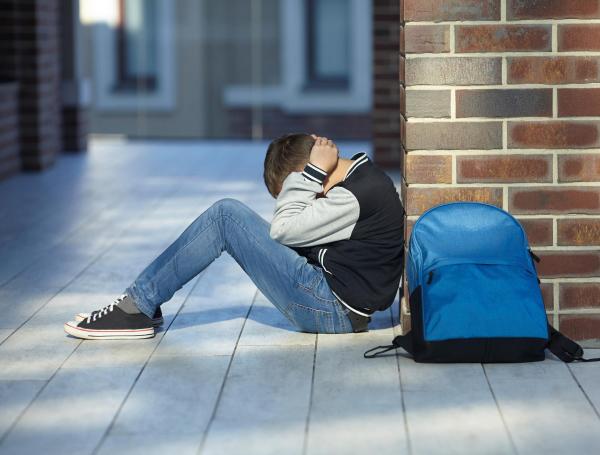
BOGOTÁ — In classrooms across Colombia, a quiet crisis plays out daily. According to recent educational and psychological insights, one out of every five 15-year-old students in the country frequently experiences bullying at school. However, experts emphasize that confronting this widespread issue requires a fundamental shift in how society speaks about, understands, and addresses hostile behavior among children and adolescents.
Moving past oversimplified labels and deeply rooted cultural myths is the first step toward creating safer educational environments. From redefining terminology to examining the powerful role of bystanders, experts urge a complete overhaul of how parents, educators, and institutions handle school violence.
Main Facts: Redefining the Problem and Debunking Myths
The conversation surrounding school violence often begins with vocabulary. Experts in child development and academic welfare are pushing for the complete abandonment of the colloquial term “matoneo” (roughly translated as "bullying" or "mobbing").
In dialogue with EL TIEMPO, Lina María Saldarriaga, PhD and director of operations for Aulas en Paz at the Universidad de los Andes, explained that the academic community largely agrees on discarding the word.
"It distorts the situation because it speaks of a child who is a ‘bully’ and a child who is a ‘victim,’ when what is actually happening is that there is a child exhibiting harmful behaviors," Saldarriaga noted.
Instead, experts advocate for the precise term school intimidation (intimidación escolar). Crucially, not every conflict, disagreement, or aggressive outburst among students constitutes intimidation. To qualify as such, Saldarriaga highlights three core criteria:
Repetition: The behavior is sustained or systematic, occurring repeatedly over a prolonged period and targeting the same individual (e.g., a student who is consistently mocked or systematically left out).
Intent to Harm: Observers can clearly determine that the action is not a mistake, an accident, or an isolated dispute, but a deliberate effort by one or more individuals to hurt another.
Power Imbalance: The aggressors are typically perceived as having more social, physical, or psychological power than those targeted.
Furthermore, experts firmly debunk the popular myth that school intimidation is a brand-new phenomenon born of the digital age. Aggression among peers has existed for generations; however, society now possesses a far deeper understanding of how these behaviors manifest and the devastating psychological tolls they take.
Chronology and Evolution of School Violence in Colombia
To understand where Colombia stands today, it is necessary to look at the legislative and cultural timeline governing student welfare.
Pre-2013: For decades, peer aggression in Colombian schools was largely viewed as an inevitable rite of passage—a "kids will be kids" mentality that minimized emotional and physical harm. Disciplinary actions were reactive, sporadic, and rarely addressed root causes.
The Legislative Turning Point (2013): Recognizing a critical gap in child protection, Colombia enacted Law 1620 of 2013, also known as the School Coexistence Law (Ley de Convivencia Escolar). This legal framework established strict mandates for both public and private educational institutions. It required schools to implement prevention programs, promote student well-being, strengthen socio-emotional skills, and deploy clear protocols for identifying and managing violence.
The Modern Era (Present Day): Despite the existence of a robust legal framework, implementation remains uneven. While many institutions have embraced pedagogical approaches to conflict resolution, others continue to struggle with effective enforcement, often reacting too late or dismissing subtle forms of psychological and digital aggression.
Supporting Data and Underlying Risk Factors: The Roots of Aggression
Aggressive behavior in schools does not develop in a vacuum. According to Irenes Salas, a psychologist and director of the Forensic Psychology Specialization at the Fundación Universitaria Konrad Lorenz, a complex web of risk factors creates fertile ground for school intimidation.
Salas points out that warning signs can manifest across multiple domains—affecting perpetrators, victims, and passive spectators alike. Key risk factors include:
Self-Esteem Extremes: Both exceptionally low self-esteem and unearned, inflated self-perceptions can drive aggressive or vulnerable behaviors.
Deficits in Social Skills: Inadequate tools for navigating social scenarios, low frustration tolerance, and poor emotional recognition.
Peer Pressure: An overwhelming, desperate need for group acceptance and validation.
Cringeworthy Crizing Styles: The influence of permissive, authoritarian, or dissonant parenting styles that fail to establish healthy boundaries.
Exposure to Hostile Environments: Habituation to violence in the home or community, where aggression is normalized.
Ximena Norato, director of the Agency for Journalism for Children’s Rights (Pandi), underscores how early childhood conditioning directly translates to schoolyard behavior.
"It is natural during early development for a child to bite or push another, but that is precisely why families and schools exist: to teach them to regulate those behaviors," Norato explains. "The problem is that sometimes children go home and encounter screams, shoves, slaps, or physical punishment. Afterward, they reproduce those exact same behaviors at school. If a good example educates, a bad example also teaches."
Official Responses and Institutional Blind Spots
Despite progressive laws, systemic hurdles continue to block effective intervention. Ximena Norato points out a dangerous laxity among many educational institutions, driven in part by overburdened teachers and a societal minimization of children’s suffering.
"If in a newsroom a colleague hit you in the head every day, tripped you several times a week, threw your papers around, or emptied your bag, there would certainly be sanctions. You could be called to attention, face a disciplinary process, or even have that person fired," Norato reflects. "Yet when those same situations happen between children, they seem to lack the same gravity. Where is the real sanction? Why don’t we recognize the dimension of what is happening to them?"
Worse still, physical and humiliating punishments remain culturally normalized in many homes. When teachers—already overwhelmed by administrative duties and large classrooms—receive complaints, they are sometimes met with societal pushback telling them to "stop complaining."
On the institutional side, Lina María Saldarriaga stresses that schools must move away from the "bad apple" theory. Intimidation is rarely the result of a single corrupted child; rather, it reflects a peer group with unmet emotional needs. Educators must actively foster empathy, assertive communication, and emotional regulation so students can recognize when a line has been crossed.
Implications and the Path Forward: Empowering the Bystander
Solving the crisis of school intimidation requires a multi-pronged approach involving legislation, institutional accountability, parental responsibility, and—most importantly—student empowerment.
1. The Power of the Bystander
Research consistently shows that the single most effective way to halt school intimidation is through the intervention of observers.
"The research shows that the most effective way to stop it is when the bystanders intervene: those children who are in the classroom, see what is happening, but generally stay quiet or look away," Norato states.
When peers actively tell an aggressor that their behavior is unacceptable and rally around the victim, the perpetrator loses the audience that fuels their actions. Fostering this kind of peer solidarity requires deliberate pedagogical training within the classroom.
2. Constructive, Restorative Sanctions
Schools must abandon zero-tolerance policies that merely punish without teaching, opting instead for restorative justice. Measures like forcing a public apology, requiring an explanatory letter to the victim, and setting clear, escalating consequences for re-offense help reinforce accountability without resorting to counterproductive cruelty.
3. Digital Vigilance and Reporting Channels
As school intimidation increasingly spills over into digital spaces—such as the non-consensual sharing of intimate or explicit media—institutions and families must remain vigilant.
For parents, teachers, or students seeking guidance or looking to report suspected cases of school intimidation or digital risks, resources are available. The virtual channel Te Protejo (www.teprotejocolombia.org), administered by Red PaPaz, serves as a critical safe space for reporting threats to minors, ensuring that cases receive proper attention before escalating into tragedy.
Ultimately, addressing the reality that one in five Colombian teenagers faces regular intimidation requires an absolute cultural refusal to normalize cruelty—whether on the playground, in the classroom, or at home.
By Life & Culture Desk Published: October 1, 2026 Updated: October 2, 2026 “I feel like I lost a battle, but in the end, I know a great deal was accomplished.” These are the poignant…
By Natalia Tamayo Gaviria (Adapted and Expanded) Published: October 31, 2026 Main Facts In 2008, a scientific breakthrough fundamentally changed how humanity views biological processes at the microscopic level. Osamu Shimomura, Martin Chalfie, and Roger…
By Angie Rodríguez (Enriched & Adapted for International Audiences) Published: November 3, 2026 1. Main Facts Colombian travelers and international passengers with destinations or connections in the United States must immediately adapt to a critical…