By: SEO Analyst & Pet Care Editorial Team
Published: November 5, 2026
Main Facts: Dispelling the Myth of the Low-Maintenance Cat
For generations, domestic cats (Felis catus) have labored under a severe public relations misunderstanding. Popular culture routinely frames them as solitary, self-sufficient creatures capable of enduring long hours of isolation with little to no human engagement. Unlike dogs, they do not require leash walks twice a day, and their litter box habits suggest a level of autonomous hygiene that appeals to busy urban professionals.
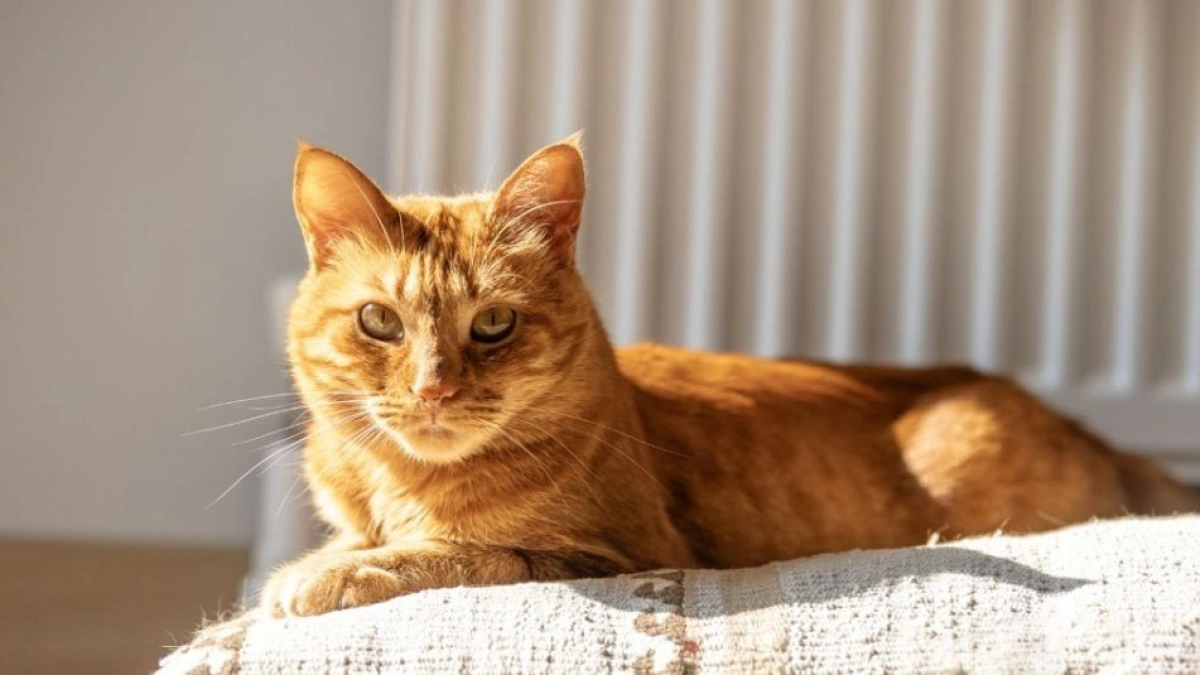
However, animal behaviorists and veterinary experts warn that this widespread cultural assumption is not only false—it is actively harming the health and welfare of millions of pets.
Recent investigations and psychological studies underscore a critical reality: a cat’s natural independence does not equate to an absence of need. Beneath their calm, often aloof exterior lies a complex psychological framework requiring specialized environmental enrichment, structured physical stimulation, balanced nutrition, and rigorous veterinary oversight. When owners mistake self-reliance for emotional detachment, the consequences manifest as chronic stress, behavioral disorders, and physiological decline.

Chronology: How the Perception of Feline Independence Evolved
To understand modern cat ownership challenges, it is essential to look at how humanity’s relationship with the feline has evolved over time.
Ancient Utility vs. Modern Companionship
- Circa 3000 BCE: Cats first integrated into human societies in the Near East, largely driven by mutual self-interest. Granary-rich agricultural settlements attracted rodents, drawing wild felines inward. Humans tolerated and eventually welcomed these predators for their pest-control capabilities. During this era, cats were valued precisely for their self-sufficiency; they hunted, survived, and reproduced with minimal human intervention.
- The Middle Ages to the 19th Century: While domestic cats gradually transitioned into household companions, they retained their functional role as mousers on farms, ships, and urban properties. This historical legacy cemented the archetype of the cat as an independent entity that could "take care of itself."
- The Late 20th Century: As urbanization accelerated and populations shifted from rural environments to apartment complexes, cats surged in popularity as urban companion animals. Their compact size, quiet demeanor, and perceived low-maintenance profile made them the ideal pet for time-poor city dwellers.
- The 2020s and Recent Findings: As veterinary medicine advanced, specialists began treating not just the physical ailments of cats, but their mental health as well. A landmark study highlighted by the daily publication TN—surveying 224 current and former pet owners—uncovered persistent, deep-seated misconceptions regarding pet care. The data revealed that a staggering number of people still acquire cats under the false premise that they require virtually no upkeep, setting the stage for widespread welfare issues in domestic environments.
Supporting Data: What Recent Studies Reveal About Feline Welfare
The study involving 224 pet owners highlights a profound disconnect between human expectations and feline reality. While participants readily recognized that dogs demand extensive time investments—such as daily exercise, obedience training, and social interaction—they consistently underestimated the cognitive and emotional capital required to keep a cat thriving.

Key Insights from Behavioral Research:
- The Isolation Trap: Over 40% of surveyed owners admitted to leaving their cats alone for periods exceeding 12 hours on a regular basis, assuming that feline sleep patterns (which average 12 to 16 hours a day) insulate them from loneliness or boredom.
- Environmental Deprivation: More than half of indoor-only cats lack vertical territory (such as cat trees, shelves, or perches) or interactive toys, leading to sedentary lifestyles, obesity, and joint degeneration.
- The Stress Factor: Veterinary clinics report a rising incidence of stress-related ailments—including feline idiopathic cystitis (FIC), over-grooming, and psychogenic alopecia—directly linked to under-stimulated indoor environments.
Veterinary professionals emphasize that cats possess acute predatory instincts that cannot simply be switched off. When an indoor cat is denied the opportunity to stalk, chase, capture, and consume "prey" (simulated through interactive play with feather wands, puzzle feeders, and rolling toys), that pent-up energy transforms into anxiety.
Official Responses and Expert Perspectives: Redefining Feline Care
Veterinary institutions and animal welfare organizations globally are shifting their messaging to educate the public on optimal feline husbandry.
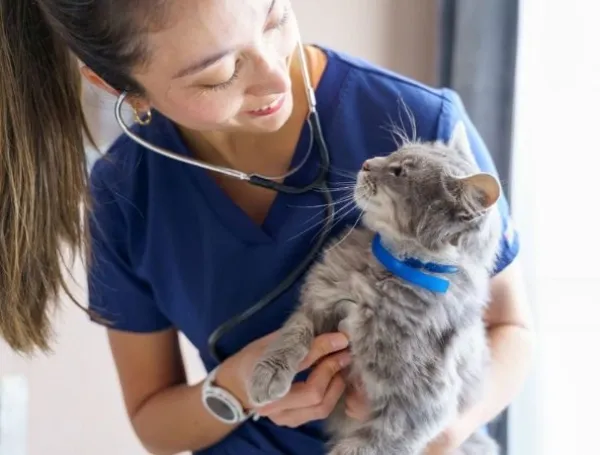
Dr. Claudia Edwards, a noted veterinary behaviorist, has frequently advocated for a deeper understanding of feline emotional lives. In recent discussions regarding animal therapy and behavior, Dr. Edwards noted that cats are far from the cold, esquive (evasive) creatures they are often portrayed to be. Instead, when provided with safe, predictable environments and gentle, respectful human interaction, cats form profound emotional attachments and can even facilitate various therapeutic dynamics.
Furthermore, leading feline medical associations emphasize the implementation of environmental enrichment standards known colloquially as the "Five Pillars of a Healthy Feline Environment," formulated by leading behaviorists:
- A Safe Haven: Every cat must have access to a secure, quiet space where they can retreat when feeling overwhelmed.
- Multiple and Separated Key Environmental Resources: Food, water, resting areas, scratching posts, and litter boxes must be distributed across the home in multiple locations to prevent resource guarding and territorial conflict—especially crucial in multi-cat households adhering to the "N+1 rule" (one litter box or resource per cat, plus one extra).
- Opportunity for Play and Predatory Behavior: Daily play sessions that mimic the hunting cycle (stalking, chasing, catching, killing, and eating) are mandatory for mental health.
- Positive, Predictable, and Consistent Human-Cat Social Interaction: Allowing the cat to dictate the terms of physical affection, ensuring they are petted in preferred areas (such as around the cheeks and chin) rather than sensitive zones like the belly or base of the tail.
- An Environment That Respects the Feline Olfactory World: Cats experience the world primarily through scent. Homes should avoid harsh chemical cleaners, heavily scented litters, and plug-in air fresheners that can overwhelm their sensitive respiratory and olfactory systems.
Implications: The Cost of Neglecting Feline Needs
When the myth of the low-maintenance cat dictates how an animal is kept, the consequences extend far beyond minor household inconveniences.
Behavioral Manifestations of Distress
When a cat’s physical and mental needs are ignored, they express their frustration through behaviors that human owners often misinterpret as "spiteful" or "bad." These include:
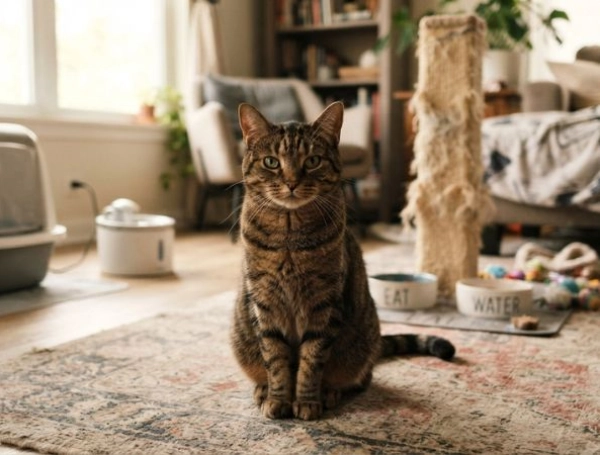
- Destructive Scratching: Tearing up sofas, carpets, and wallpaper. This is rarely malicious; rather, it is a biological necessity for territorial marking, muscle stretching, and claw maintenance. If appropriate scratching posts are not provided, furniture becomes the default target.
- Inappropriate Elimination: Urinating or defecating outside the litter box. This is one of the primary reasons cats are surrendered to shelters. While it can indicate a urinary tract infection or medical emergency, it is frequently a stress response triggered by a dirty litter box, a contested multi-cat territory, or sudden household changes.
- Compulsive Hiding or Aggression: A cat that constantly hides or suddenly lashes out when approached is often living in a state of chronic, unmanaged fear or pain.
The Path Forward for Cat Owners
The realization that cats require intensive, mindful care should not discourage prospective pet parents, but rather elevate the standard of companionship. Owning a cat is a dynamic partnership. By providing appropriate vertical real estate, engaging daily play routines, investing in puzzle feeders, ensuring regular veterinary check-ups, and respecting the animal’s autonomy, owners unlock a deeply affectionate, resilient, and fascinating companion.
Ultimately, the true independence of a cat lies not in its ability to survive without us, but in its capacity to choose us—provided we create a world worthy of their trust.