By Edwin Caicedo Environment and Health Journalist Published: April 26, 2026
Main Facts
The environmental institutional framework in Colombia is facing an unprecedented institutional and humanitarian crisis. Following a devastating wave of violence that swept through the country’s suroccidente (southwestern region) on Saturday, April 25, 2026, the nation’s environmental authorities have officially declared a state of high alert. The trigger for this urgent warning was a brutal terrorist attack in the department of Cauca, which claimed the lives of at least 14 people, among them two dedicated public servants from the Regional Autonomous Corporation of Cauca (CRC).
The victims have been identified as Patricia Mosquera, a valued official of the Patía Territorial Directorate and a widely respected social leader within the Afro-Patian Women’s Movement, and Jarol Jair Bojorge, an internal control professional at the CRC. Their tragic deaths have not only devastated their families and colleagues but have also laid bare a chilling reality: the physical safety of environmental workers operating in Colombia’s conflict-ridden rural regions has completely deteriorated.
The Association of Regional Autonomous Corporations and Sustainable Development (Asocars), which groups the country’s environmental regulatory bodies, issued a scathing and categorical rejection of the attack. Through statements released by its leadership, the organization emphasized that the ongoing escalation of violence in departments like Cauca and Valle del Cauca is directly crippling the state’s capacity to protect natural resources and enforce environmental law.
According to Asocars, more than 70 percent of the personnel working within the Regional Autonomous Corporations (CARs) perform operational duties and field inspections. This exposes them on a daily basis to extreme hazards in territories heavily contested by illegal armed groups, drug traffickers, and criminal syndicates. With this latest massacre, the debate over state control, rural security, and the viability of environmental governance in regions abandoned or heavily impacted by internal conflict has reached a critical boiling point.
Chronology of Events
The tragedy unfolded during a weekend marked by terror and chaos in southwestern Colombia. While detailed timelines continue to be pieced together by investigative authorities, the sequence of events highlights a coordinated and devastating assault on civilian life and institutional presence.
Saturday, April 25, 2026
Early Hours/Morning: A tense atmosphere prevails across the Cauca department as local communities report suspicious movements by armed actors. Security forces are stretched thin across multiple fronts amid a broader national security crisis.
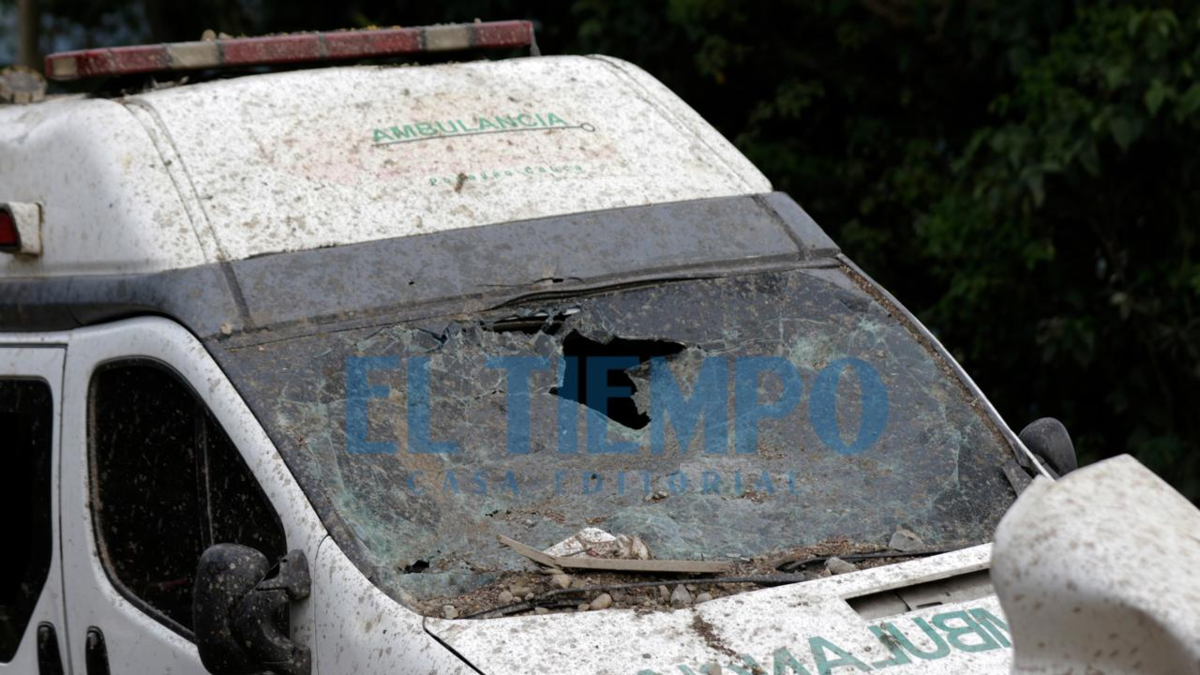
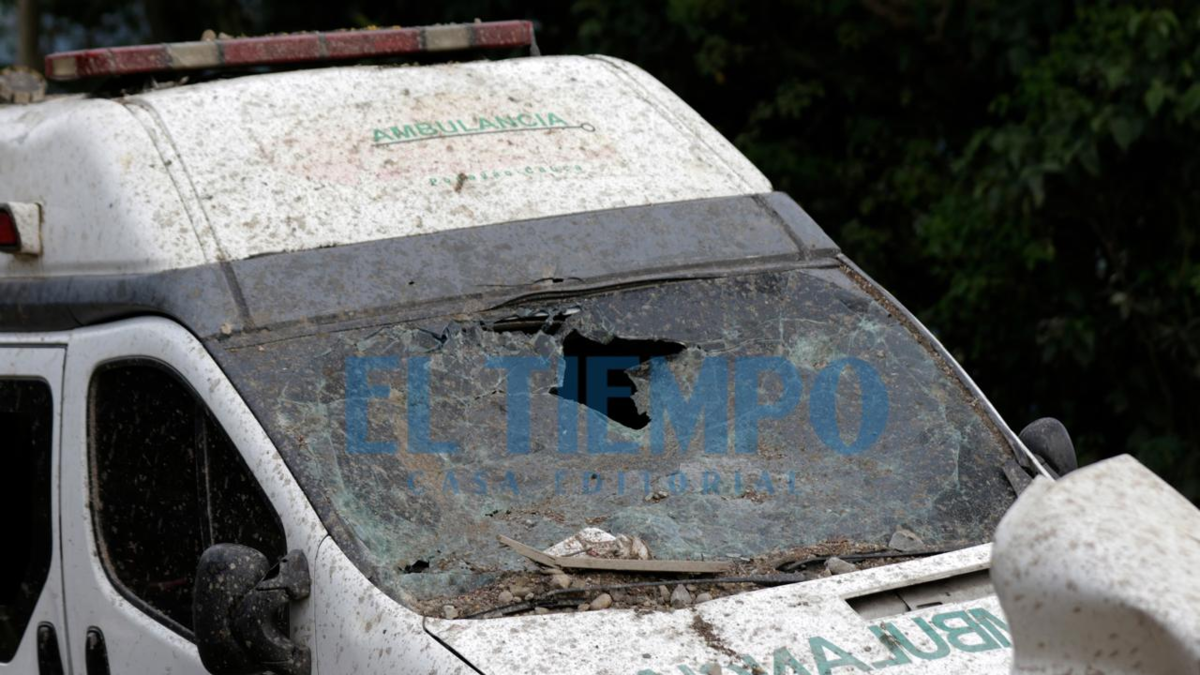
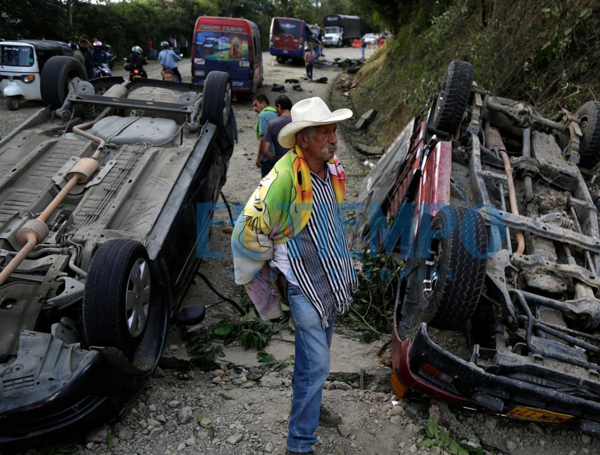
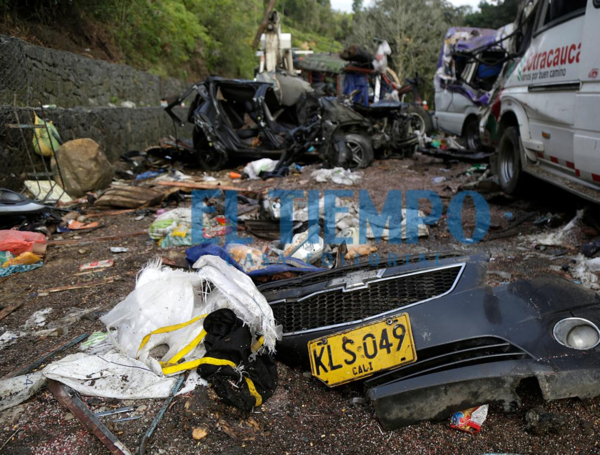
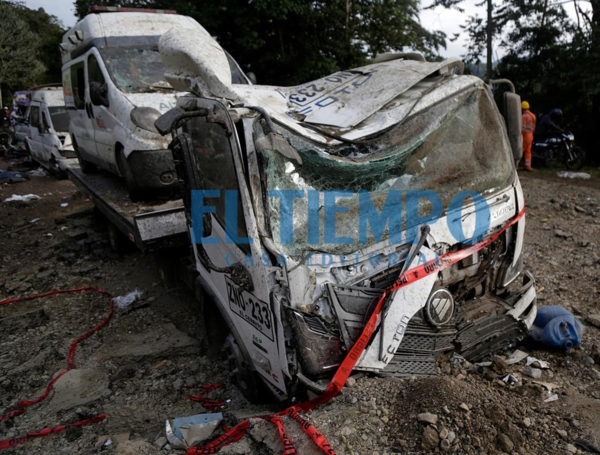
The Attack at El Túnel de Cajibío: A powerful explosive device detonates in the strategic sector known as El Túnel de Cajibío, along a vital transit corridor in the Cauca department. The blast is catastrophic, instantly killing multiple individuals and leaving dozens wounded.
Confirmation of Institutional Casualties: As emergency responders comb through the rubble and chaos of the Cajibío bombing, heartbreaking news reaches the headquarters of the Regional Autonomous Corporation of Cauca (CRC). Among the growing toll of fatalities—which ultimately reaches at least 14 dead—are CRC officials Patricia Mosquera and Jarol Jair Bojorge.
Concurrent Violence: The bombing in Cajibío does not occur in isolation. Earlier reports and ongoing assessments highlight simultaneous or closely timed attacks, including an explosive assault along the Pan-American Highway that leaves several indigenous community members wounded, deepening the climate of terror across the region.
Sunday, April 26, 2026
Asocars Emergency Response: Following the verification of the deaths of Mosquera and Bojorge, Asocars convenes emergency internal discussions. By morning, the organization releases a formal, nationwide condemnation of the attack, labeling it an act of terror that threatens the very pillars of Colombian democracy and conservation.
Public Outcry and Institutional Statements: Leadership figures from Asocars, Cardique, and the CRC issue simultaneous calls to action, demanding immediate security interventions from the National Government, the Ministry of Environment, and security forces. Media outlets across the country elevate the story, sparking intense political debate regarding the state’s loss of territorial control.
Supporting Data and Context
To fully understand the gravity of the crisis facing Colombia’s environmental sector, one must examine the structural composition of the nation’s environmental governance and the statistical reality of rural violence.
The Vulnerability of Field Personnel
The 70% Rule: According to data highlighted by Asocars Executive Director Yesid González Duque, over 70% of the workforce employed by Colombia’s Autonomous Regional Corporations (CARs) are field operatives. Unlike bureaucrats stationed safely in urban office buildings, these professionals—biologists, forest rangers, inspectors, and administrative guides—must travel deep into remote, forested, and mountainous regions. Their duties include tracking illegal deforestation, halting unauthorized mining (minería ilegal), monitoring wildlife trafficking, and managing water basins.
Geographic Concentration of Risk: Departments like Cauca, Valle del Cauca, Nariño, and sections of the Caribbean coast (such as the Canal del Dique jurisdiction) represent high-risk zones where state authority is chronically contested. The presence of dissident guerrilla factions, ELN units, and heavily armed criminal cartels creates an environment where carrying a state badge or wearing an environmental institution’s uniform makes workers prime targets for suspicion, extortion, or collateral damage.
The Broader Security Landscape
Escalating Casualties: The April 25 bombing in Cajibío is part of a broader, alarming spike in asymmetric warfare tactics deployed by illegal groups in southwestern Colombia. The attack, which left 14 dead, represents one of the single deadliest localized security incidents in the region in recent months.
Environmental Defenders under Siege: Colombia has consistently ranked as one of the most dangerous nations in the world for environmental and human rights defenders. While international attention often focuses on grassroots community leaders, institutional workers like Patricia Mosquera—who balanced her technical duties at the CRC with her prominent role as an Afro-Patian social leader—occupy a uniquely perilous intersection between state enforcement and community advocacy.
Official Responses and Statements
The massacre in Cajibío and the death of the two CRC officials provoked an immediate, unified outcry from environmental leaders, administrative directors, and institutional watchdogs across Colombia.
Asocars Executive Directorate
Yesid González Duque, executive director of Asocars, did not mince words when addressing the media regarding the security crisis. In an official statement, he expressed profound sorrow and fierce indignation:
"We categorically reject this attack and the escalation of terrorism plaguing our country, especially in Cauca and Valle del Cauca, regions that have been targets of cruel assaults affecting both the civilian population and institutional stability."
González Duque went on to stress that the current public order situation has completely paralyzed the fundamental mission of environmental agencies:
"It is clear that there are no conditions for us to exercise our mission of administering and conserving natural resources. More than 70 percent of CAR personnel carry out operational duties and environmental authority tasks, placing them in constant exposure within high-risk security territories."
The director also extended the full solidarity of the national environmental gremio to Amarildo Correa Obando, director of the CRC, as well as to all administrative staff and grieving families.
Leadership from Cardique and the Board
Ángelo Bacci Hernández, president of the board of directors of Asocars and director of the Regional Autonomous Corporation of the Canal del Dique (Cardique), stepped forward to issue a direct appeal to the highest levels of the Colombian government. Bacci Hernández called upon the National Government, state security forces, control entities, and civil society at large to rally around regional institutions and the vulnerable populations trapped in conflict zones.
"We must surround our regional entities and the communities that inhabit the areas most affected by violence with absolute institutional protection and solidarity," Bacci Hernández urged.
Tributes to the Fallen
The loss of Patricia Mosquera and Jarol Jair Bojorge resonated deeply within the collective conscience of the nation’s civil service. Mosquera was widely celebrated not only for her technical contributions at the Patía Territorial Directorate but also for her tireless advocacy as a leader in the Movimiento Social de Mujeres Afropatianas. Bojorge was recognized as a dedicated internal control professional committed to transparency and institutional integrity within the CRC.
Concluding its official communiqué, Asocars offered a poignant final message to the bereaved families:
"To the families of Patricia and Jarol, our embrace of solidarity and deepest condolences in this sad and difficult moment."
Implications for the Future
The tragedy in Cajibío marks a critical watershed moment for Colombia’s environmental governance and national security policy. Several profound implications arise from this catastrophe:
1. Paralysis of Environmental Enforcement
When environmental authorities declare that "conditions do not exist" to administer and conserve natural resources, it signals a de facto surrender of state sovereignty over vast swaths of national territory. Without the ability to deploy field inspectors, illegal actors can accelerate environmentally destructive practices—such as massive illegal gold mining, land grabbing, and illicit crop cultivation—completely unchecked. The death of officials like Mosquera and Bojorge risks creating "no-go zones" where the state’s green mandate is permanently silenced by the barrel of a gun.
2. Deepening Political and Institutional Crisis
The attacks in Cauca and Valle del Cauca have intensified fierce political scrutiny directed at the national administration. Critics and analysts are openly questioning whether current security strategies are sufficient to protect civilian institutions, prompting intense debates over state control. The perception that the government is losing its grip on strategic corridors like the Pan-American Highway and rural Cauca undermines public trust in state institutions.
3. The Urgent Need for Specialized Protection Protocols
Calls are mounting from labor unions, environmental collectives, and regional directors for the implementation of a specialized, robust protection framework tailored specifically for environmental workers. Traditional security measures have proven inadequate for civil servants operating in active conflict zones. Moving forward, the state will face mounting pressure to provide armored transport, intelligence-backed security escorts, and flexible remote-working protocols for field staff operating in high-risk areas—or face the alternative of mass resignations and institutional withdrawal.
4. A Heavy Human Toll on Local Leadership
The intersection of institutional work and grassroots social leadership—so vividly embodied by Patricia Mosquera—highlights the compounded risks faced by Afro-descendant and indigenous professionals in Colombia. These individuals are not merely technocrats; they are deeply rooted members of their communities whose commitment to environmental justice and social equity makes them prime targets for armed actors seeking to dismantle local social fabric.
As Colombia grapples with the aftermath of the April 25 massacre, the nation is forced to confront an uncomfortable truth: true environmental sustainability cannot be achieved while the guardians of nature are left entirely unprotected in the crossfire of an unresolved internal war.
Achieving a deep, soul-warming homemade beef broth is often shrouded in mystery. Many home cooks believe it requires secret family recipes or hours of tedious skimming, but according to culinary experts and nutritionists, the secret…
By Edwin Caicedo | Environmental and Health Journalist Published: September 7, 2026 For generations, home cooks and seasoned chefs alike have shared a quiet, remarkably consistent kitchen secret: when aiming for a fried fish fillet…
Lifestyle & Culture Desk Published: September 5, 2026 Main Facts In homes across the globe, a quiet domestic ritual has captured the collective imagination of individuals seeking a deeper connection to nature, emotional balance, and…