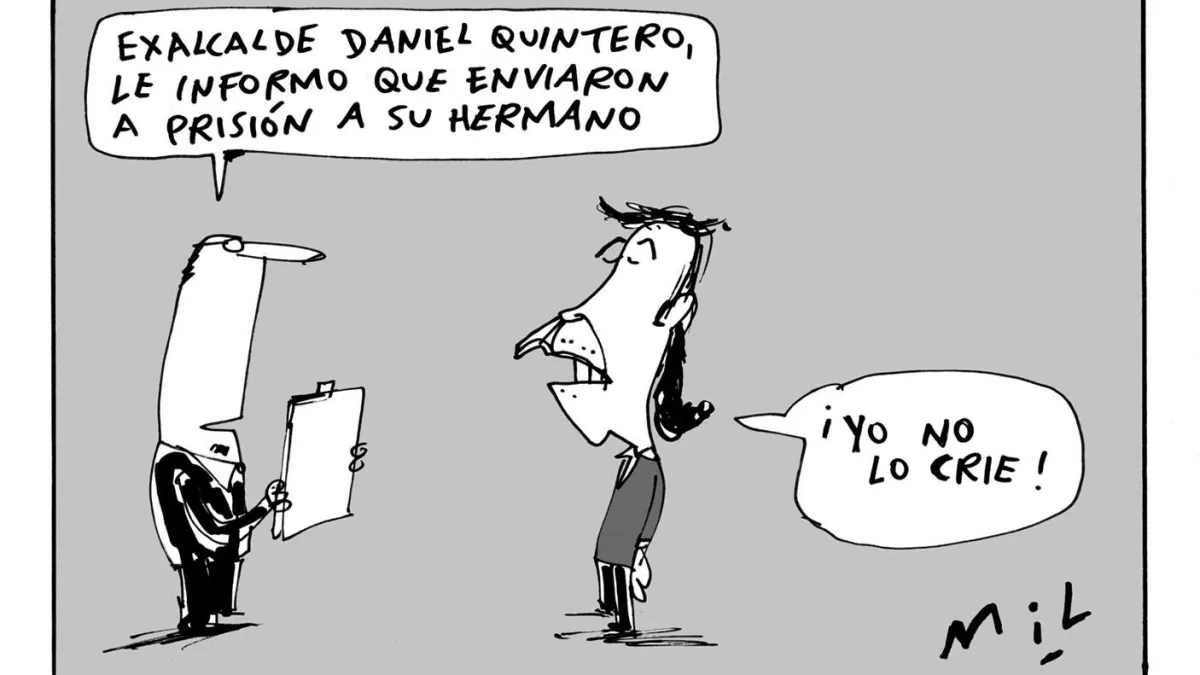
The integrity of Colombia’s national security architecture is currently facing a profound existential crisis. Recent journalistic investigations have unveiled a series of disturbing allegations concerning the Dirección Nacional de Inteligencia (DNI) during the administration of former President Gustavo Petro. The reports describe an institution that allegedly strayed from its core mandate of state protection, opting instead to engage in clandestine operations that mirror the darkest chapters of the country’s intelligence history.
The allegations suggest a systemic abuse of power, characterized by illegal surveillance of political rivals, the potential weaponization of state resources for partisan agendas, and a catastrophic breakdown in the custody of sensitive intelligence data. As these revelations emerge, the nation is left to grapple with a haunting question: Has the DNI, created to move past the abuses of its predecessor, the Administrative Department of Security (DAS), become a new epicenter for the same pathologies it was designed to eradicate?
The Core Allegations: From Surveillance to Operational Failure
The gravity of the current situation cannot be overstated. According to an extensive transition report—a document intended to facilitate the handover of institutional knowledge—the DNI was allegedly utilized as an instrument for targeted political interference.
Surveillance and Intrusion
Central to the controversy is the reported development of plans to install sophisticated audio-visual surveillance devices and tracking technology within the security details of former presidents and vice presidents. If verified, these actions represent a direct violation of the democratic process and the personal security of former high-ranking state officials.
Cybersecurity Breaches
Beyond physical surveillance, reports indicate that the entity engaged in questionable cyber operations. Perhaps most alarming is the reported theft of a high-security computer containing a centralized database of recent intelligence operations. This incident represents a "security black hole," potentially exposing the identities of undercover agents, confidential human sources, and the strategic underpinnings of state operations. The lack of clarity regarding the data’s contents, the level of unauthorized access, and the subsequent damage control measures taken by the administration remains a point of deep concern for national security experts.
Chronology of Institutional Decay
To understand the scope of this crisis, one must look at the timeline of events that have led to the current state of public distrust.

- August 2026: Investigative reports from national media outlets highlight irregularities in procurement processes within the DNI. Specifically, concerns were raised regarding the acquisition of unmanned aerial vehicles (drones/helicopters), which suffered technical failures and subsequent crashes, calling into question the technical diligence and fiscal responsibility of the agency’s leadership.
- October 2026 (Mid-month): The emergence of the transition report brings the allegations of illegal surveillance and the "stolen computer" narrative to the forefront of national discourse.
- Late October/Early November 2026: The Office of the Comptroller (Contraloría) formally announces an investigation into five specific contracts, totaling approximately 20.7 billion Colombian pesos (COP), citing potential mismanagement, lack of planning, and possible corruption.
- Present Day: Calls for a comprehensive independent investigation by the Attorney General’s Office (Fiscalía) and rigorous political control by the Congress are mounting, as the administration faces intense scrutiny over the state of the DNI.
Supporting Data and Financial Irregularities
The allegations are not limited to clandestine operations; they extend to the stewardship of public funds. The Contraloría has launched a multi-front audit of the DNI’s recent budgetary performance. The focus of this inquiry includes:
- Contractual Transparency: An analysis of five major contracts worth over 20 billion pesos. Investigators are looking for evidence of "cronyism" or the intentional inflation of costs to fund non-sanctioned activities.
- Procurement Failure: The case of the unmanned helicopter remains a flagship example of institutional incompetence. Beyond the fiscal loss, the incident highlights a broader pattern of "phantom procurement," where funds are allocated for high-tech security solutions that either do not function or serve purposes unrelated to their stated objective.
- Security Gaps: The loss of the central database server is being treated not just as a criminal act, but as a failure of basic physical and digital security protocols that should be the gold standard in an intelligence agency.
Official Responses and the Vacuum of Accountability
To date, the response from those who directed the DNI during the Petro administration has been insufficient. While the current government faces the immediate task of cleaning house, the lack of a transparent, verifiable accounting from previous leadership has fueled speculation.
The silence from key stakeholders has created a vacuum of accountability. Instead of proactive disclosure, there has been a reliance on the "reserve of intelligence" defense—the argument that because the agency deals with national security, its methods and internal failures must remain classified. However, legal and political experts argue that the "reserve" is not a "blank check" for illegality. Intelligence agencies are, by definition, subject to the rule of law. When the law is broken under the guise of "national security," the agency loses its legitimacy.

The Shadow of the DAS: A Lesson Unlearned
The current scandal evokes the specter of the Administrative Department of Security (DAS), the notorious intelligence agency that was liquidated in 2011 after it was discovered to be running a massive, illegal wiretapping operation against journalists, judges, and political opponents of the Álvaro Uribe administration.
The DNI was born out of the ashes of the DAS, specifically designed with more robust oversight mechanisms, stricter legal mandates, and a focus on foreign intelligence and strategic analysis rather than domestic policing. The current revelations suggest that the institutional memory of the DAS disaster has faded. The temptation to use state intelligence as a "private security firm" for the governing elite seems to have persisted, suggesting that structural reforms alone are insufficient without a fundamental shift in political culture.
Implications for the Future of Colombian Democracy
The implications of these events reach far beyond the offices of the DNI. They impact the very fabric of the Colombian state in several critical ways:

1. Erosion of Democratic Trust
When citizens suspect that the state is monitoring its own former leaders or engaging in partisan surveillance, the fundamental contract between the government and the governed is broken. It fosters a climate of paranoia and discourages political dissent.
2. The Vulnerability of State Assets
The reported theft of intelligence databases leaves the state vulnerable to foreign espionage. If sensitive data has fallen into the hands of criminal organizations or hostile actors, the damage to national security could be irreparable and take years to fully mitigate.
3. The Necessity of Legislative Reform
The Colombian Congress is now under immense pressure to exercise its oversight role. It is not enough to investigate the past; the legislature must reform the oversight bodies responsible for the DNI. The "intelligence committees" must be empowered with actual access to operational data and the authority to sanction directors who operate outside the law.

4. A Call for Institutional Rebirth
The most urgent requirement is the development of a "culture of integrity." Intelligence, at its core, is a service to the State, not to a party or a politician. Until this distinction is fully internalized by those in power, the risk of "rogue intelligence" will remain a constant threat to Colombian stability.
Conclusion: The Path Forward
The path forward must be paved with transparency and cold, hard justice. The Attorney General’s Office must operate with total independence, free from political pressure, to identify those responsible for the alleged illegal operations. If the DNI has been used for private or partisan interests, those who authorized these actions must face the full force of the law.
The Colombian people deserve to know that their tax pesos are being used to protect the nation, not to build a surveillance state. The DNI stands at a crossroads: it must either submit to a radical restructuring and an era of total transparency, or it faces the same fate as the DAS—a dissolution necessitated by its own corruption. The era of "opaque intelligence" must end. The state exists to serve the public, and in a democracy, no agency—no matter how secret—is above the law.