International Desk
Published: November 11, 2026
Main Facts
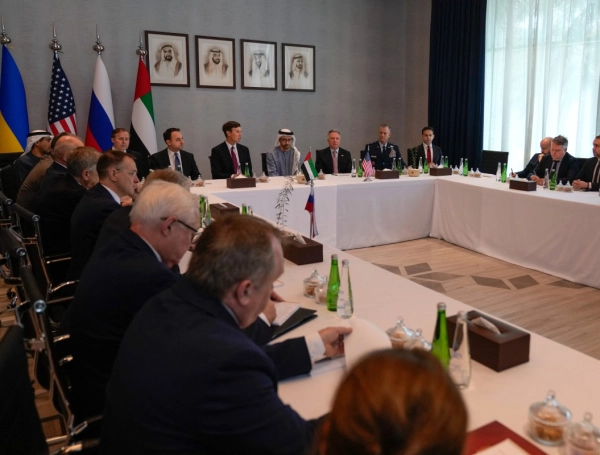
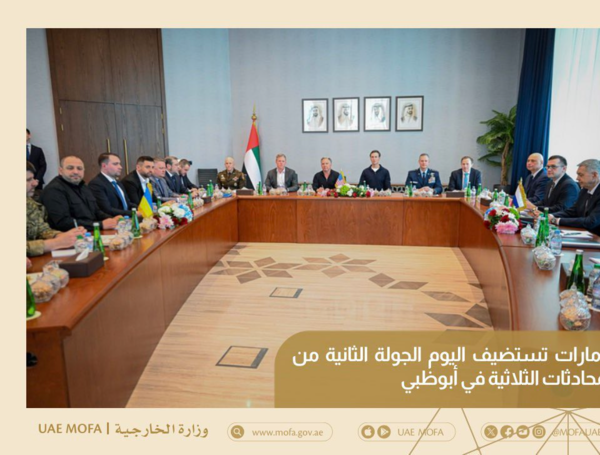
Nearly five years after the devastating Russian invasion of Ukraine sent shockwaves across the globe, a fragile yet unprecedented diplomatic opening has emerged. Delegations from Ukraine and Russia concluded a pivotal round of closed-door negotiations in Abu Dhabi, mediated by United States special envoys. While the talks did not yield an immediate resolution to the fundamental territorial disputes that have fueled the conflict, they successfully produced concrete agreements on a massive, "large-scale" prisoner exchange and established a roadmap for continued dialogue.
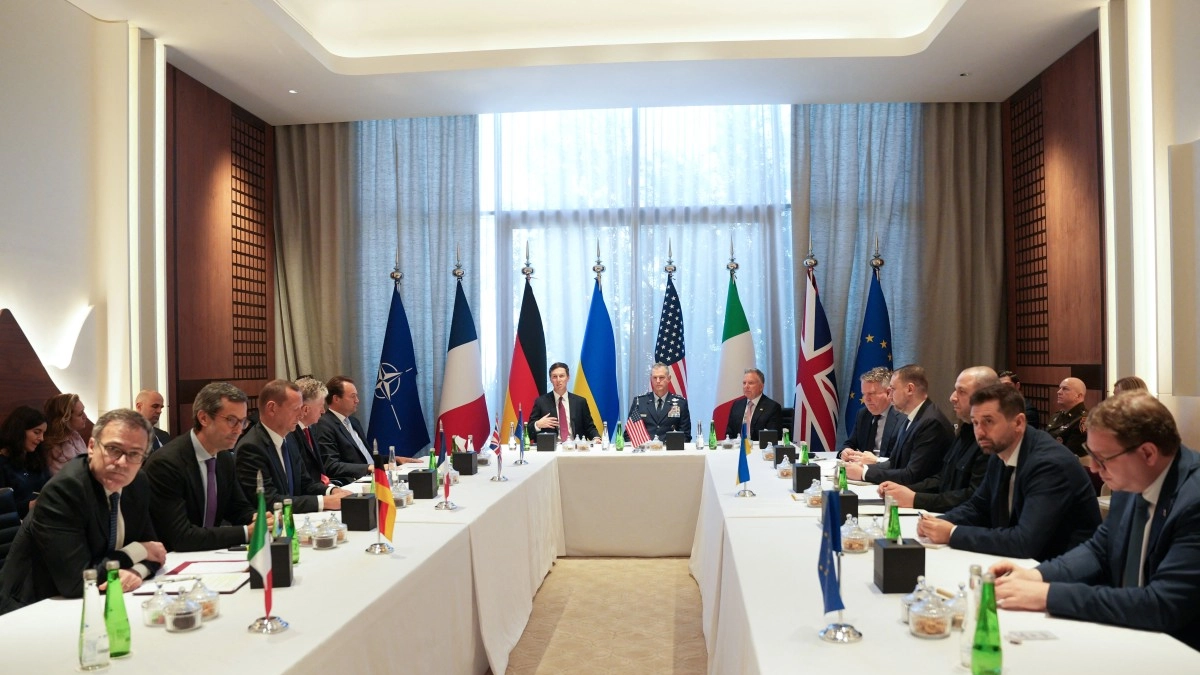
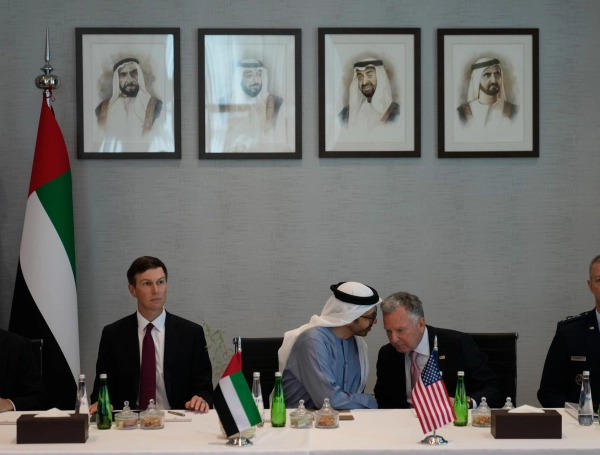
The trilateral meetings—the first direct, high-level engagement between Kyiv and Moscow since the outbreak of the war in the Middle East in February temporarily shifted international attention away from Eastern Europe—marked a crucial shift in the rhythm of the conflict. US negotiators Jared Kushner and Steve Witkoff spearheaded the mediation efforts in the United Arab Emirates. Following the conclusion of the Abu Dhabi sessions, the American emissaries announced a split itinerary: they are scheduled to hold separate, high-stakes meetings with Russian President Vladimir Putin in Moscow, followed by discussions with Ukrainian President Volodymyr Zelensky in Dublin.
Despite the optimism expressed by various stakeholders regarding a "window of opportunity" to achieve tangible results before 2027, deep divisions remain. The primary friction points continue to center on disputed territories in eastern and southern Ukraine, the nature of long-term security guarantees, and—contentiously—the exclusion or inclusion of European powers in shaping the future security architecture of the continent. While Moscow dreams aloud of a "modern Yalta" to redraw spheres of influence, Kyiv and its Western allies insist that any lasting peace must safeguard European sovereignty and incorporate robust multilateral frameworks.

Chronology of the 2026 Diplomatic Breakthrough
The path toward the recent Abu Dhabi summit has been marked by years of relentless artillery exchanges, immense human suffering, and shifting geopolitical alignments. However, the sequence of events leading up to the November 2026 negotiations highlights a sudden acceleration in backchannel diplomacy:
- February 2022: Russian forces launch a full-scale invasion of Ukraine, precipitating the largest conventional military conflict in Europe since the Second World War. Hundreds of thousands of lives are lost, and millions of Ukrainians are displaced.
- February 2026: As the conflict approaches its four-year mark, international focus temporarily fractures due to escalating hostilities in the Middle East. Direct high-level talks between Kyiv and Moscow stall completely.
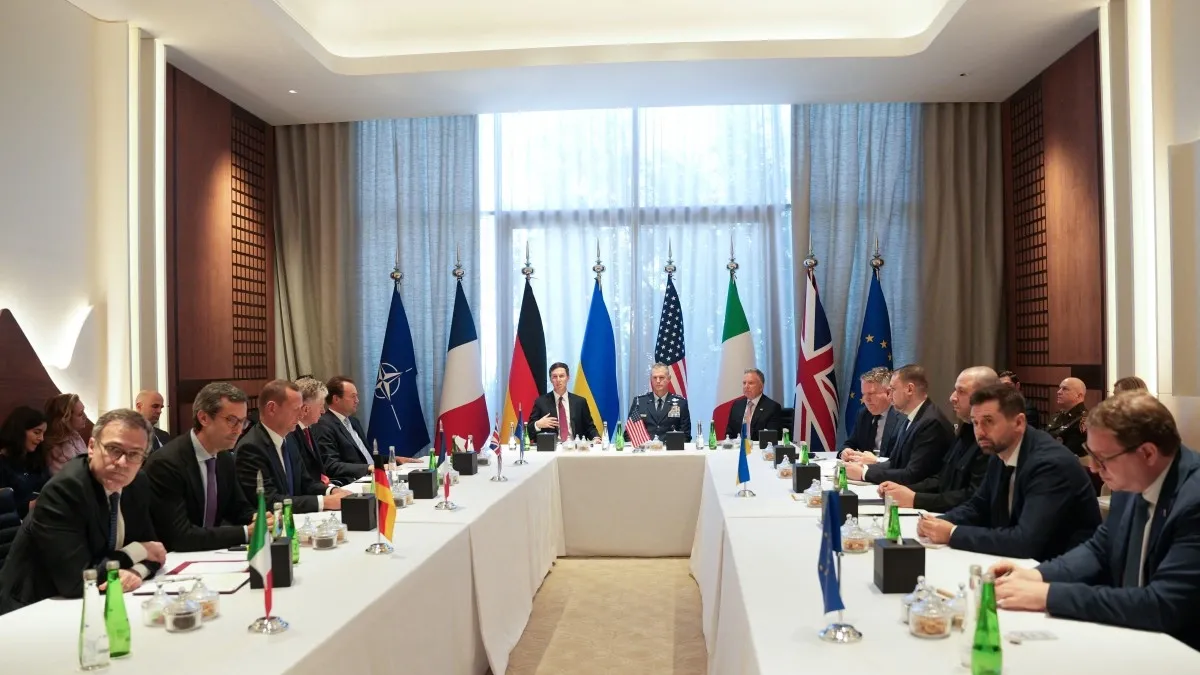
- Early November 2026: Under renewed diplomatic pressure and shifting geopolitical realities—including fatigue among Western populations and economic strain on both belligerents—US intermediaries arrange secret preparatory talks, bringing Russian and Ukrainian delegations to the neutral ground of Abu Dhabi. Diplomats and intelligence officials from key European nations (including the United Kingdom, France, Germany, and Italy) travel concurrently to the UAE capital to hold parallel consultations.
- November 11, 2026 (Wednesday): The trilateral talks in Abu Dhabi conclude. While no breakthrough is reached regarding territorial sovereignty, both sides formally agree to execute a massive prisoner swap. Chief Russian negotiator Vladimir Medinski and Ukrainian chief negotiator Rustem Umiérov confirm that channels of communication will remain open.
- November 12, 2026 (Thursday – Projected): US envoys Jared Kushner and Steve Witkoff travel to Moscow to present and review the Abu Dhabi discussion points with Vladimir Putin. Later in the day, the American delegates fly to Dublin, Ireland, to brief President Volodymyr Zelensky and confer with an assembly of approximately 50 European leaders gathering to evaluate the peace initiative.
Supporting Data and Conflict Metrics
To understand the immense gravity of the Abu Dhabi negotiations, one must examine the staggering toll of the nearly five-year war:
- Human Cost: Cientos de miles (hundreds of thousands) of military personnel and civilians have perished since February 2022. Millions more have been internally displaced or forced to flee as refugees across Europe.
- Physical Destruction: Vast swaths of eastern and southern Ukraine have been reduced to rubble, with critical infrastructure, residential zones, and industrial complexes heavily targeted by Russian bombardment.
- Proposed Prisoner Exchange Parameters:
- Russian Delegation stance: Described by Vladimir Medinski as a prisoner exchange "a gran escala" (on a massive scale).
- Ukrainian Delegation expectations: President Zelensky noted that Kyiv was awaiting final confirmation from Moscow on a parity swap framework, potentially scaling up to 1,000 for 1,000, or even reaching 1,200 detainees on each side.
- Diplomatic Footprint: Approximately 50 European leaders, alongside top representatives from NATO and the European Union, convened in Dublin to address the fallout and implications of the Abu Dhabi summit.
Official Responses and Statements
The diplomatic maneuvers in Abu Dhabi elicited starkly contrasting reactions from the primary capitals involved, reflecting the profound chasm that still separates their ultimate objectives.
Ukraine: Cautious Optimism and Inclusion Demands
Upon arriving in Ireland, President Volodymyr Zelensky expressed a cautious sense of hope, pointing to a genuine desire among all parties to reach a concrete settlement before 2027. Zelensky praised what he perceived as a positive "shift in tone" from the United States regarding the integration of European nations into the peace process.
However, Ukrainian officials remain fiercely protective of their sovereignty. Rustem Umiérov, head of the Ukrainian negotiating team, took to Telegram to temper expectations, writing: *"Persisten diferencias significativas [Significant differences persist] entre ambos bandos. Todavía queda mucho trabajo difı
cil por delante, pero hay oportunidades para continuar el proceso de negociación."* Umiérov emphasized that while the road ahead is arduous, the political appetite for dialogue is unmistakable.
Russia: Pushing for a "Modern Yalta"
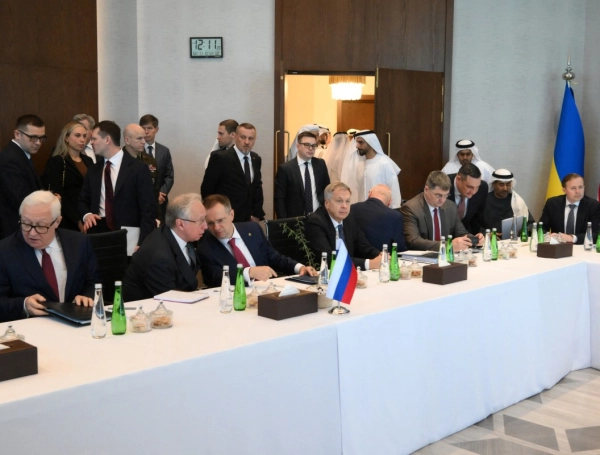
Moscow used the conclusion of the talks to reiterate its grand strategic ambitions. Vladimir Medinski, the chief Russian negotiator, asserted that the conflict has laid bare the fundamental inadequacies of Europe’s existing security architecture. In a striking historical reference, Medinski stated that Russia aspires to achieve a "new and modern Yalta"—invoking the 1945 Yalta Conference where Allied leaders carved up European spheres of influence at the close of World War II.
Furthermore, Moscow maintained a hostile stance toward direct European participation in the current bilateral framework. Medinski bluntly remarked: "Realmente no entendemos de qué se puede hablar con ellos. No hemos recibido ni una sola iniciativa de paz, ni una sola propuesta concreta por parte de los países europeos." (We truly do not understand what can be discussed with them. We have not received a single peace initiative, nor a single concrete proposal from European countries.)

United States and NATO: Bridging the Divide
Representing the American mediation team, Jared Kushner outlined the next steps of shuttle diplomacy. Kushner expressed optimism that the upcoming meeting with Vladimir Putin in Moscow would allow the parties to "revisar lo que se discutió hoy e intentar avanzar más" (review what was discussed today and try to advance further), while the subsequent meeting in Dublin with Zelensky would help "explorar más a fondo algunas de las ideas que se nos ocurrieron aquí hoy" (explore more deeply some of the ideas that came up here today).
Meanwhile, NATO Secretary General Mark Rutte offered a unifying assessment, declaring that the Abu Dhabi meetings proved that the United States, Ukraine, and European allies remain fundamentally "aligned and united" in their core defense principles, even as tactical diplomatic channels evolve.
Implications for European Security and Global Order
The resumption of formal talks mediated by Washington carries profound geopolitical implications that extend far beyond the immediate borders of Ukraine and Russia.
1. The Redefinition of European Security
For decades, the post-Cold War security order in Europe relied on the sovereignty of independent nations and the eastward expansion of defensive alliances like NATO. Russia’s persistent demand—that Ukraine permanently abandon its NATO aspirations, withdraw from eastern provinces, and consent to a sweeping revision of continental defense lines—poses an existential challenge to the European Union. Moscow’s push for a "new Yalta" signals its intent to institutionalize a multipolar world order where great powers dictate the security arrangements of smaller buffer states, bypassing traditional European institutions.

2. The Transatlantic Dynamic and European Agency
A major friction point in the Abu Dhabi talks has been the role of Europe. While Washington has engaged directly with Moscow and Kyiv, European capitals (London, Paris, Berlin, Rome) have watched nervously from the sidelines, dispatching observer delegations to the UAE. The risk for Europe is being sidelined in decisions that directly impact its continental borders. President Zelensky’s insistence on European inclusion, contrasted with Moscow’s outright rejection of European interlocutors, sets up a fierce diplomatic struggle over who gets a seat at the ultimate peace table.
3. Humanitarian Relief Amid Political Stalemates
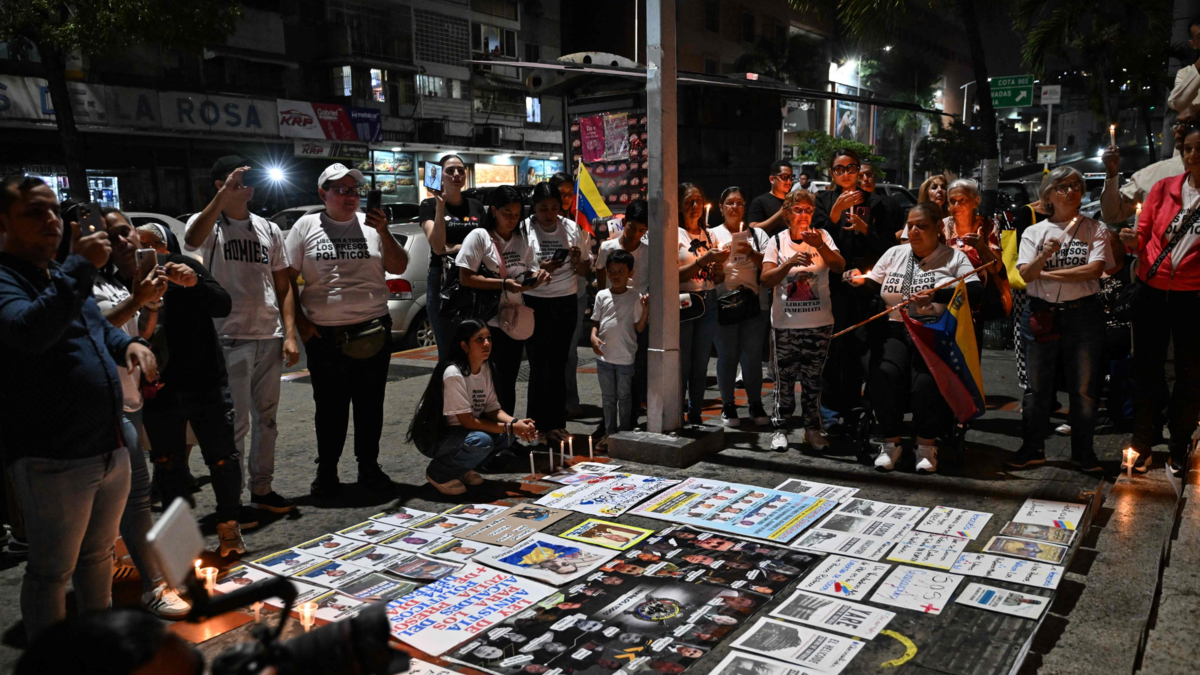
While a comprehensive political settlement remains a distant horizon, the agreement to execute a massive prisoner exchange represents a vital humanitarian victory. For the families of detained soldiers on both sides, the prospective release of over a thousand prisoners offers a tangible, life-altering outcome from an otherwise grueling war of attrition.

4. The 2027 Horizon
President Zelensky’s remark regarding a "window of opportunity" closing in on 2027 introduces a temporal urgency to the negotiations. Both domestic political pressures within supporting Western nations and the sheer economic and human exhaustion of the protracted conflict are forcing leaders to seek a definitive off-ramp. Whether this diplomatic momentum can bridge the chasm between Kyiv’s demand for territorial integrity and Moscow’s imperial ambitions will determine the stability of the Eurasian landmass for decades to come.