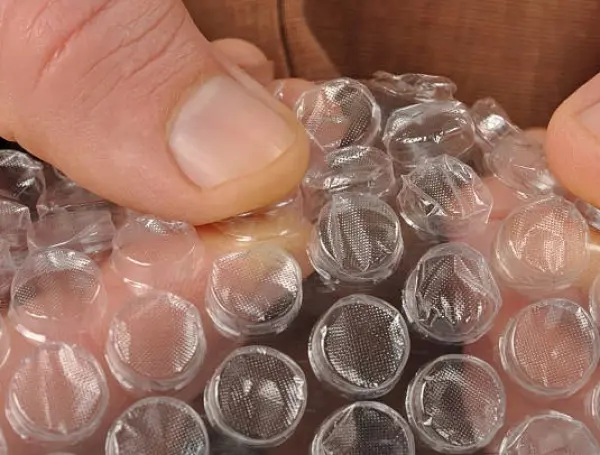
In an era of fluctuating energy prices and a growing global focus on sustainable living, homeowners are increasingly seeking practical, low-cost solutions to improve domestic energy efficiency. Recent studies and energy-efficiency guides have highlighted a surprisingly effective "hacks-and-tools" approach: the installation of a reflective barrier behind radiators. By combining common household materials—specifically bubble wrap and aluminum foil—homeowners can significantly reduce heat loss through walls, potentially trimming heating consumption by up to 6%.
This method, which leverages the principles of thermodynamics and thermal resistance, has gained traction as a DIY strategy for those looking to optimize home comfort without the prohibitive costs of major structural renovations.
The Core Concept: How Thermal Reflection Works
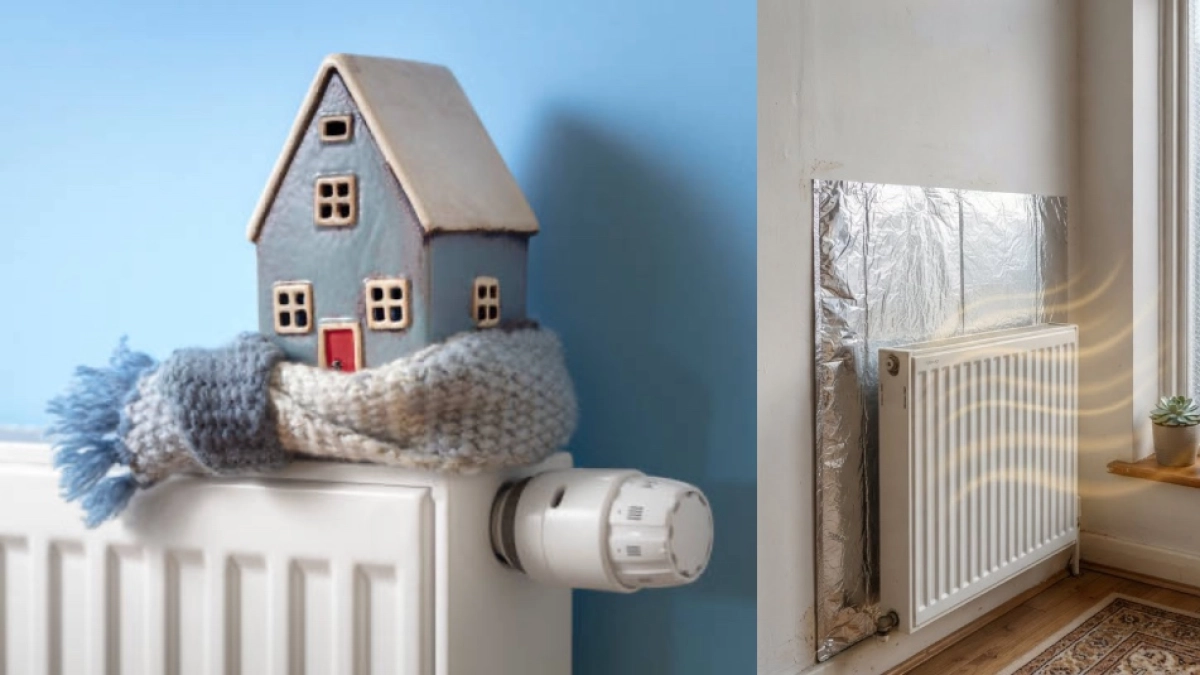
The fundamental problem with traditional radiators mounted against exterior walls is "thermal bridging." Because these walls are often thinner or less insulated than the rest of the building envelope, a significant portion of the heat generated by the radiator is absorbed by the wall and lost to the outdoors.
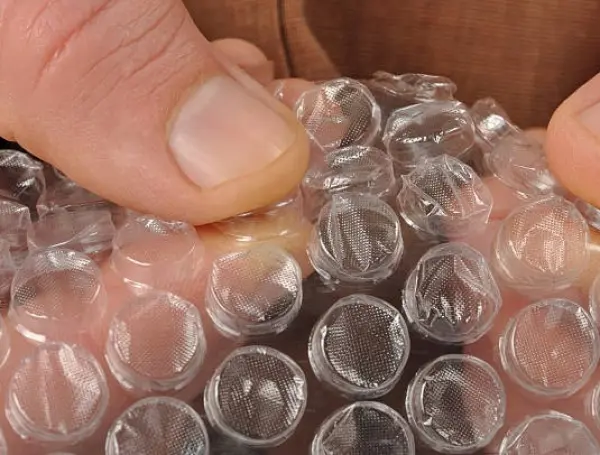
The proposed solution is elegantly simple. By placing a reflective material between the radiator and the wall, you create a radiant barrier. The aluminum surface acts as a mirror for thermal infrared radiation, bouncing heat back into the room rather than allowing it to penetrate the masonry. When paired with a layer of bubble wrap, the system gains a secondary benefit: the trapped air within the plastic bubbles acts as an insulator, creating a thermal break that prevents the wall from absorbing the heat through conduction.

Scientific Foundations of the Technique
According to the findings published in the journal Measurement Science Review, clean, polished aluminum surfaces possess the capability to reflect more than 90% of incident radiation within the thermal infrared spectrum.
Engineers, including energy specialist Giuseppe De Luca, emphasize that the success of this method relies on the specific physical properties of the materials used. The air trapped within bubble wrap has an extremely low thermal conductivity, making it an excellent barrier against heat flow. When these materials are installed correctly, they create a "dead air" space that stabilizes the temperature of the wall behind the radiator, effectively turning the wall into a heat-reflecting surface.
Chronology of the Efficiency Movement
The push for "low-tech, high-impact" home improvements did not emerge in a vacuum. It is the result of years of data collection by energy agencies and building scientists.
- Early 2010s: Initial studies on building physics began identifying that standard radiators were responsible for disproportionate energy loss when installed on non-insulated perimeter walls.
- 2018–2020: As European energy costs began their upward trajectory, organizations like the Agenzia Nazionale per le Nuove Tecnologie, l’Energia e lo Sviluppo Economico Sostenibile (ENEA) began formally recommending reflective panels as a key component of "energy retrofitting" for older residential buildings.
- 2022–2024: Following the global energy crisis, consumer interest in "DIY energy saving" spiked. Platforms and academic journals, including Applied Energy, published quantitative data confirming that even minor interventions, such as installing reflective foil, could lead to a measurable 6% reduction in energy usage.
- 2026 (Present Day): The technique has evolved from a niche expert tip into a mainstream recommendation, supported by modern building efficiency standards that prioritize incremental improvements in residential stock.
Supporting Data and Technical Evidence
The 6% efficiency claim is not merely anecdotal. It is a figure derived from controlled experiments measuring the heat flux through wall segments before and after the installation of reflective barriers.
Research published in Applied Energy indicates that in rooms with poorly insulated walls, the temperature differential between the back of the radiator and the outdoor environment creates a constant "heat sink." By introducing a material with a high emissivity reduction—like aluminum—the radiant heat loss is effectively curtailed.
However, researchers are quick to clarify the limitations. The 6% figure represents an average observed in typical residential settings with single-layer or lightly insulated walls. The efficacy of the method is directly proportional to the thermal transmittance (U-value) of the wall; the less insulated the wall is, the more significant the relative savings will be. In a home with modern, high-performance exterior wall insulation, the benefits of this specific hack would be significantly lower, as the wall is already preventing heat loss.
Risks: The Danger of Condensation
While the financial and thermal benefits are compelling, experts urge caution regarding moisture management. By increasing the temperature of the air in the room and simultaneously insulating the wall, you are effectively shifting the thermal gradient of the building structure.
If the insulation is applied poorly, or if the wall is already prone to dampness, creating a barrier can lead to interstitial condensation. This occurs when warm, moist air from the room finds a path behind the foil and hits the now-colder surface of the wall, reaching its "dew point" and turning into liquid water.
Essential Installation Guidelines:
To mitigate the risk of mold and structural degradation, specialists recommend:
- Seal the Edges: Ensure the reflective panel is sealed effectively so that room air cannot circulate behind the foil.
- Maintain a Gap: The shiny side of the foil must face the radiator, but it should not touch the metal of the radiator itself to prevent overheating and potential fire hazards, and to allow for proper radiant reflection.
- Ventilation: Ensure the room itself has adequate ventilation. Reducing heat loss should not come at the expense of indoor air quality.
- Professional Assessment: If you live in a high-humidity climate or an older building with existing damp issues, consult a building professional before applying any barrier to your walls.
Implications for Modern Homeowners
This DIY method serves as a reminder that the path to a "Net Zero" home does not always require massive capital investment in solar panels or heat pumps. It highlights the importance of energy conservation—the practice of reducing the need for energy in the first place—as a precursor to energy efficiency.

The "Layered" Approach to Home Heating
Experts emphasize that reflective foil is a "complementary" measure. It is not a replacement for high-quality exterior insulation or modern double-glazed windows. Rather, it is part of a holistic approach:
- Primary Measures: Roof and wall insulation, high-performance windows.
- Secondary Measures: Programmable thermostats, radiator thermostatic valves (TRVs).
- Tertiary Measures: Reflective panels, weather-stripping, and draft excluders.
By layering these strategies, homeowners can see a cumulative effect that goes far beyond the 6% offered by the radiator hack alone.

Economic and Environmental Impact
For a typical household, a 6% reduction in heating costs may seem modest on a monthly basis, but when scaled across millions of homes, the environmental impact is substantial. Reduced demand for heating fuel—whether natural gas, electricity, or biomass—directly correlates to a reduction in carbon emissions.
Furthermore, as utility companies struggle to manage peak load during the coldest months of the year, individual actions that reduce demand help stabilize the grid and keep energy prices lower for everyone.

Conclusion: A Small Step Toward Efficiency
The use of bubble wrap and aluminum foil to improve radiator performance is a testament to the power of basic physics in daily life. While it is not a "magic bullet" for all energy problems, it stands as a highly accessible, low-cost, and scientifically sound method for improving the thermal performance of a home.
As we look toward the winter months of 2026 and beyond, this DIY approach provides a clear path for homeowners to take immediate, tangible action. By understanding the limitations, following proper installation protocols, and viewing this as one step in a larger energy-efficiency strategy, residents can enjoy a warmer home and a smaller footprint—all for the price of a roll of foil and some time on a weekend afternoon.