By Edwin Caicedo, Environmental and Health Correspondent
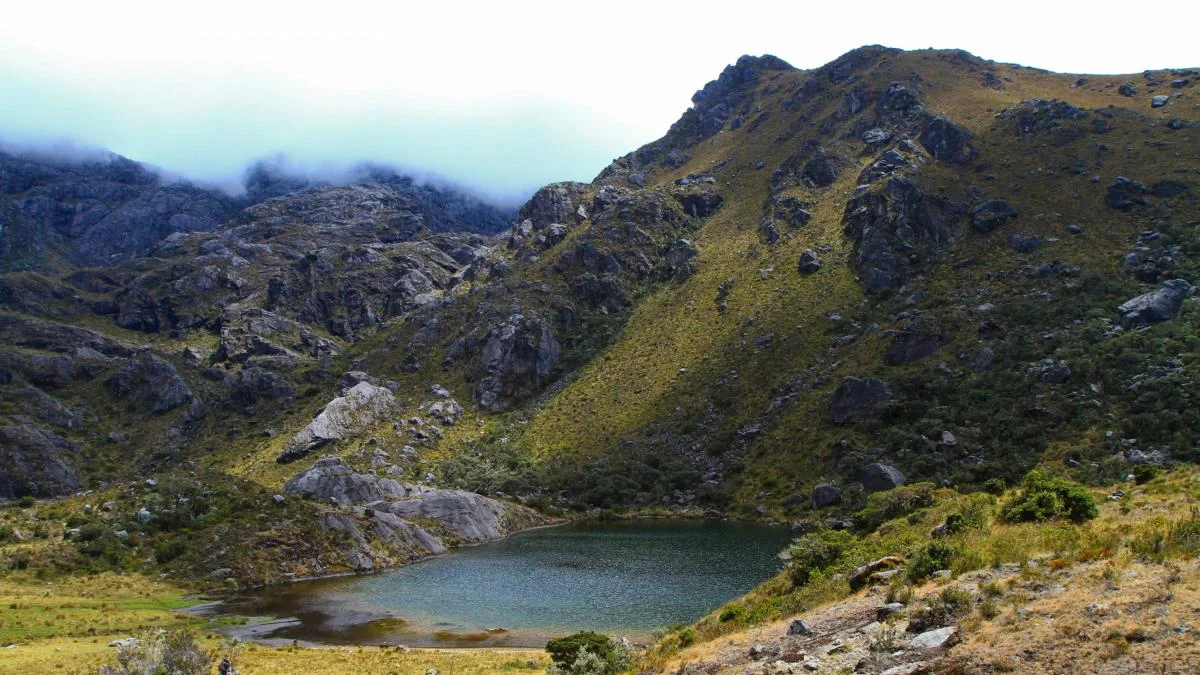
In a move that marks a definitive turning point for environmental governance in Colombia, the Ministry of Environment has officially ratified the mediation agreements reached with the community of Vetas, Santander, regarding the sensitive delimitation of the Santurbán Páramo. This decision, announced on November 9, 2026, formally recognizes the boundary lines and social commitments negotiated between 2021 and 2022. By closing the door on any further debate regarding the previously established tracing, the National Government has sought to resolve over four years of legal and social uncertainty that had clouded the future of this high-mountain ecosystem.
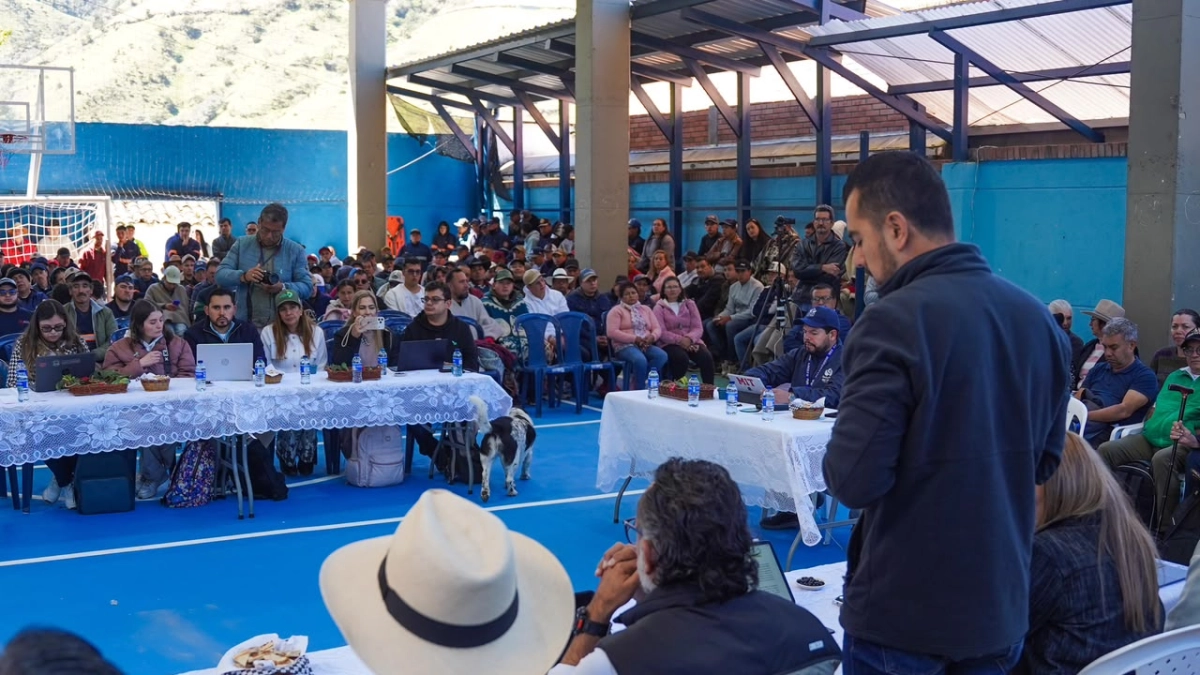
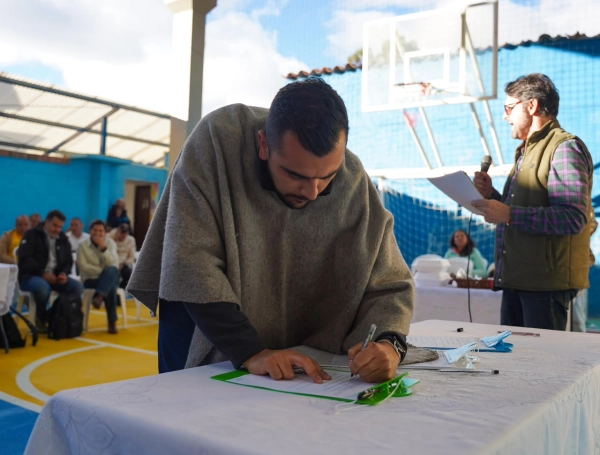
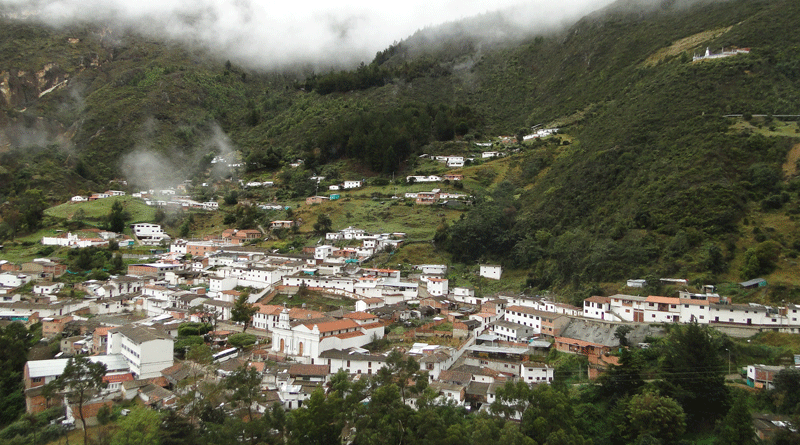
The announcement was made during a high-level visit to the municipality of Vetas, fulfilling a specific mandate issued by the Administrative Tribunal of Santander. This event was not merely a bureaucratic formality but a symbolic and practical victory for the local population, whose livelihoods, traditions, and economic stability had been tethered to the fluctuating status of the páramo’s delimitation.
The Core of the Decision: Stability and Recognition
The Ministry of Environment’s confirmation serves as an institutional endorsement of three mediation acts and their associated annexes. These documents, produced after exhaustive dialogue, define the territorial boundaries and the socio-economic framework for the protected area.

David Olarte Amaya, the Vice Minister for Environmental Land Management, underscored the gravity of this commitment during the session in Vetas. "This exercise is profoundly valuable for understanding the needs and perceptions of the communities. We recognize the validity of the three mediation acts from 2021 and 2022, along with all their annexes, including the specific páramo line agreed upon with the people of Vetas," Olarte stated.
The government’s stance represents a departure from previous administrative ambiguity. The official rhetoric now emphasizes a holistic approach to environmental policy, where the protection of the ecosystem is inextricably linked to the socio-economic reality of the people inhabiting it.

Chronology of a Four-Year Struggle
The path to this ratification has been long and fraught with challenges. To understand the significance of the current announcement, one must look back at the arduous process that preceded it.
- 2017: The Constitutional Court, through Sentence T-361, mandated a new, participatory process for the delimitation of the Santurbán Páramo, emphasizing that community input was not optional but a constitutional requirement.
- 2020–2022: A massive effort of public engagement commenced. This period saw more than 29 formal meetings, nine intensive mesas of concertación (negotiation tables), and countless direct encounters between government officials and community representatives.
- 2021–2022: The definitive mediation acts were drafted, incorporating technical and legal inputs from mining associations, community leaders, the Ombudsman’s Office, the Prosecutor’s Office, and the Bogotá Chamber of Commerce, which acted as a neutral arbitrator.
- 2022–2026: Despite the agreements reached, the community faced a period of profound uncertainty. Various political shifts and administrative changes led to concerns that previous agreements might be disregarded or unilaterally modified.
- November 9, 2026: The current administration definitively ratifies the previous accords, effectively ending the four-year state of limbo and shifting the focus toward implementation.
Supporting Data: A Model of Participatory Governance
The success of the Vetas negotiation is often cited as a benchmark for how environmental policy should be handled in sensitive zones. The process was not based on arbitrary top-down decrees but on a multi-layered structure that included:
- Technical Rigor: Hydrological, geological, and biological studies were synthesized with the traditional knowledge of local inhabitants.
- Legal Transparency: The involvement of the Ombudsman (Defensoría del Pueblo) and the Prosecutor’s Office (Procuraduría) ensured that the rights of the citizens were protected throughout the negotiation.
- Arbitration: The inclusion of the Bogotá Chamber of Commerce provided a neutral framework that prevented the collapse of negotiations during moments of high tension.
- Community-Driven Demarcation: Unlike other areas where the páramo line was drawn in distant offices, the Vetas line was the result of mapping exercises that recognized both the ecological necessity of the páramo and the historical land use of the miners and farmers.
Official Responses and Stakeholder Perspectives
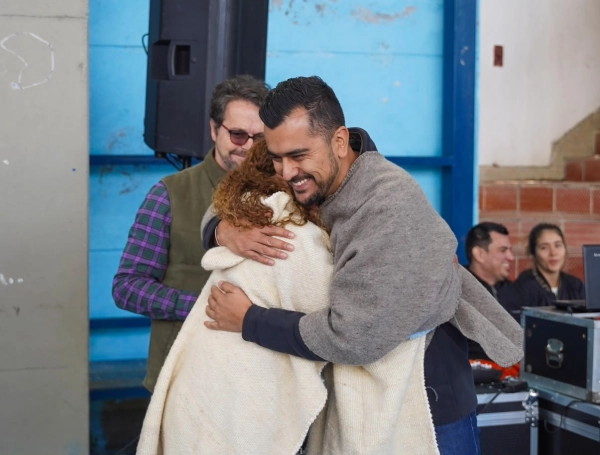
The reaction from the local leadership and community spokespersons has been one of relief and vindication. Ivonne González, President of Asomineros and a prominent voice for Dignidad Minera, characterized the event as a "historic day."
"Four years ago, we were celebrating because we knew we had achieved a perfect, balanced piece of work. However, ideology and local politics tried to undermine that effort. Today, we have proven, both technically and legally, that those agreements were sound," González asserted. She praised the current administration for taking the time to review the vast amount of documentation and scientific evidence that had been sidelined in previous years.

Similarly, the Mayor of Vetas, Angélica García, expressed the community’s joy, framing the decision as an end to a period of "abandonment by the National Government." For the residents of Vetas, the ratification is more than just a bureaucratic win; it is a guarantee that their primary economic activity—mining—can continue within a regulated, sustainable framework that respects the delicate balance of the high-altitude ecosystem.
Implications for the Future of Santurbán
The ratification brings several critical implications for the region of Soto Norte:
1. From Negotiation to Implementation
The most immediate change is the transition from debating the boundaries to implementing the commitments. The government has announced the upcoming installation of implementation tables. These spaces will be tasked with executing the specific social and economic investment projects that were part of the 2021/2022 agreements.
2. A Precedent for Environmental Policy
By honoring the previous administration’s agreements, the government is setting a precedent of "state continuity." In many environmental conflicts in Colombia, the lack of consistency between administrations has been a major source of distrust. By upholding these agreements, the Ministry of Environment is signaling that negotiated pacts with vulnerable communities are binding regardless of who occupies the presidential office.

3. Integrated Territorial Management
The government’s message is clear: the protection of the Santurbán Páramo cannot be reduced to a line on a map. It must involve a strategy that addresses the socio-economic conditions of those living in the páramo. This includes transitioning to more sustainable mining practices, investing in water security for downstream populations, and supporting local agriculture.
4. A New Chapter for the Province of Soto Norte
The mining sector, which serves as the economic backbone for many in the province, now has a clearer regulatory roadmap. With the delimitation line solidified, the industry can move forward with greater certainty, provided it complies with the stringent environmental standards established during the negotiation.
Conclusion
The decision to ratify the agreements in Vetas is a testament to the power of persistent, participatory dialogue. After four years of uncertainty, the community of Vetas and the National Government have found a path forward that balances the urgent need for environmental conservation with the fundamental human right to work and development.
As the country faces increasingly severe climate challenges—with temperature records being broken across regions—the importance of protecting ecosystems like Santurbán has never been higher. However, this case demonstrates that the most effective way to protect these ecosystems is not by sidelining the people who live within them, but by incorporating them as active guardians of the land. The implementation phase, which begins now, will be the true test of this renewed partnership between the state and the community. As the stakeholders prepare for the upcoming work tables, the focus remains on building a future where the páramo is not a site of conflict, but a model of coexistence.