
Washington, D.C. — In a high-stakes legislative showdown on Capitol Hill, the Republican-controlled U.S. House of Representatives successfully blocked an initiative to impeach Defense Secretary Pete Hegseth on Tuesday. The vote serves as a vital political lifeline and a much-needed victory for President Donald Trump, arriving on the heels of challenging midterm election results that saw his party face significant setbacks across the nation.
The maneuver, which dismantled a fast-tracked effort to present formal charges against the head of the Pentagon, highlights the deep internal fractures within the GOP while demonstrating the party’s ultimate willingness to close ranks to protect

a key member of the executive cabinet.
Main Facts
The legislative battle culminated on Tuesday afternoon when the House voted 211 to 204 to reject a motion that would have advanced impeachment articles against Secretary of Defense Pete Hegseth directly to the House Judiciary Committee.
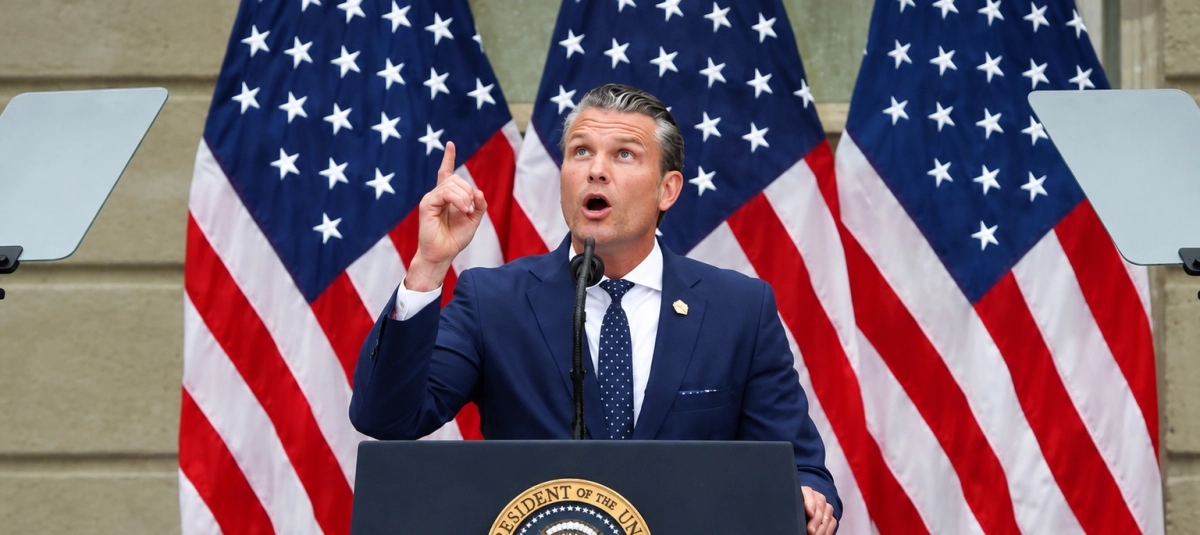
The initiative was spearheaded by Republican Representative Thomas Massie of Kentucky, a prominent critic of the Trump administration who broke ranks with his caucus. Notably, Massie stood as the lone Republican to vote in favor of the resolution, while the rest of the GOP bloc unified—alongside Democratic opposition—to halt the proceeding.
By killing the motion, the House effectively preempted a scheduled Wednesday floor vote that could have formally introduced articles of impeachment against the embattled Pentagon chief. The resolution’s defeat shields Hegseth from an immediate, highly publicized congressional trial at a vulnerable moment for the White House, reinforcing the Trump administration’s legislative defense mechanisms despite its diminished margins in Congress following the midterms.

Chronology of the Legislative Showdown
The events leading up to Tuesday’s dramatic vote unfolded rapidly against a backdrop of post-midterm political realignment in Washington:
- The Midterm Fallout: In the wake of disappointing midterm election results that weakened the Republican majority in the House and underscored shifting voter sentiments—including a notable erosion of key demographic support for President Trump—critics within and outside the party sensed an opening to challenge controversial executive appointees.
- The Impeachment Push: Rep. Thomas Massie introduced the privileged resolution aiming to target Secretary Hegseth, accusing the Defense Secretary of actions warranting impeachment and removal from office. The measure threatened to trigger an accelerated timeline, forcing a procedural vote on sending the matter to the Judiciary Committee.
- Tuesday’s Floor Vote: Meeting resistance from leadership and the vast majority of their Republican colleagues, proponents of the measure watched as the vote stalled. The resolution was defeated 211–204, with the Republican caucus largely locking step to block the referral.
- The Averted Wednesday Vote: With the motion to send the resolution to committee defeated, the anticipated Wednesday vote on formal charges was effectively dismantled, neutralizing the immediate threat of impeachment proceedings on the House floor.
Supporting Data and Political Context
The legislative defeat of the Hegseth impeachment resolution underscores the precarious arithmetic facing the Republican leadership in the House. With a narrow and fractious majority, every vote carries immense weight.

- Vote Breakdown: The 211–204 tally demonstrates that while a handful of moderate or dissenting voices can create intense friction within the GOP, party discipline ultimately held when confronted with a direct challenge to a high-profile cabinet official.
- The Massie Factor: Representative Thomas Massie’s decision to vote in favor of the resolution marks him as a persistent internal outlier. As the sole Republican joining the opposition, Massie highlighted the ideological friction that continues to simmer beneath the surface of the Republican congressional caucus.
- Broader Political Landscape: The defense of Hegseth occurs at a delicate political crossroads. Recent electoral data from the midterms—such as shifts in the Latino vote and other key demographics analyzed by political strategists—has signaled warning signs for both major parties ahead of the 2028 presidential cycle. For the Trump administration, securing a unified front in Congress is vital to projecting stability and strength following these electoral adjustments.
Official Responses and Reactions
Reactions to the failed impeachment bid broke sharply along partisan lines, punctuated by frustration from critics and relief from administration allies.
- The White House and Pentagon: While neither President Trump nor Secretary Hegseth immediately issued detailed statements following the late-day vote, administration insiders viewed the outcome as an essential defensive victory. Defeating the resolution prevents a prolonged, damaging distraction within the Department of Defense at a time when the administration is seeking to project unwavering command over national security policy.
- Republican Leadership: House leaders emphasized the importance of maintaining party unity and focusing legislative energy on governance rather than what they characterized as premature and politically motivated attacks on a cabinet secretary. By corralling all but one of their members, leadership successfully averted what could have been a deeply embarrassing floor fight.
- Democratic and Dissenting Perspectives: Critics of the administration, alongside lone wolf Rep. Thomas Massie, defended the necessity of the accountability measure. Opponents of Hegseth argued that the allegations and controversies surrounding his tenure warranted a thorough, formal investigation by the Judiciary Committee rather than a procedural dismissal. Democrats, while united in allowing the vote to proceed, watched as the internal Republican dynamics ultimately preserved the status quo.
Implications for the Trump Administration and Congress
The successful blocking of the Hegseth impeachment resolution carries significant ramifications for the remainder of the congressional term and the broader trajectory of the Trump presidency:
- Executive Shielding: By successfully turning back the resolution, the Republican-led House has demonstrated that it remains a reliable bulwark for the executive branch, even when operating under reduced majorities. This protects Cabinet officials from immediate removal efforts, though it does little to silence ongoing public and legislative scrutiny.
- GOP Cohesion Tested: Although party discipline held on this specific vote, the willingness of Rep. Thomas Massie to introduce the measure—and vote alone in its favor—serves as a reminder of the ideological fault lines within the Republican party. Managing these internal divisions will remain a central challenge for leadership as they navigate contentious national security and budgetary debates.
- The 2028 Horizon: With midterm reverberations still fresh, both parties are already positioning themselves for the next presidential cycle. High-profile legislative battles over cabinet accountability feed into the broader national narrative regarding governance, executive overreach, and political accountability, ensuring that debates over figures like Hegseth will continue to resonate with voters in the years to come.