By Edwin Caicedo | Environmental and Health Journalist
Published: September 28, 2026
Main Facts
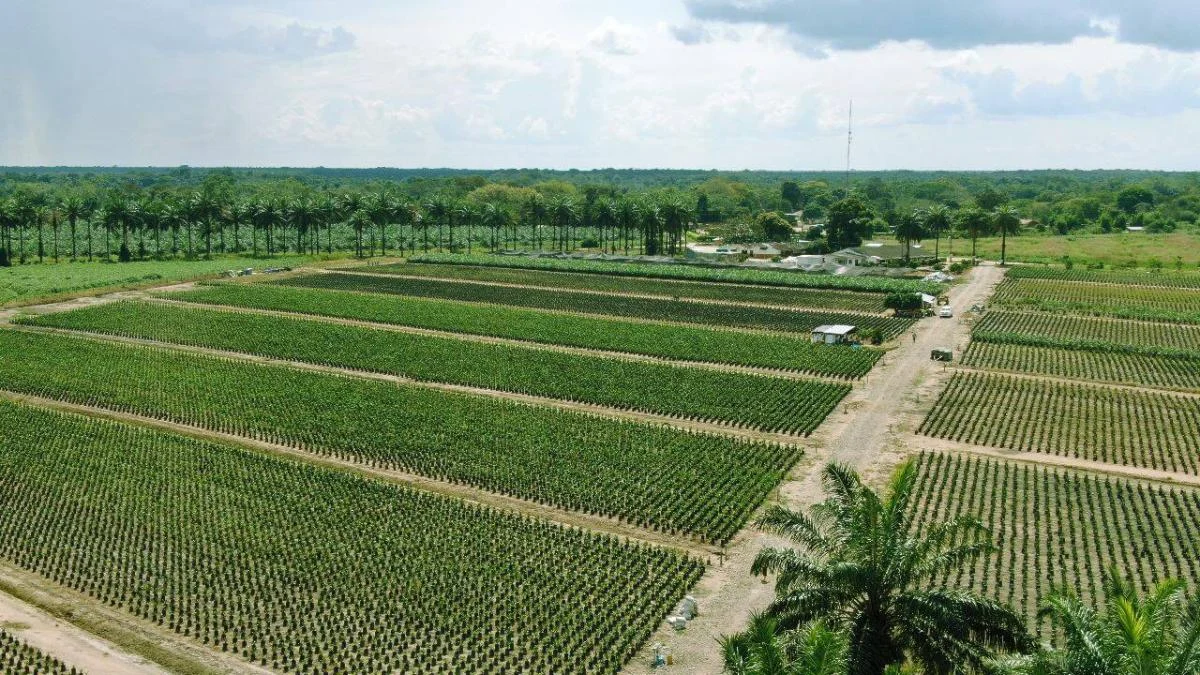
The Orinoquía region, sprawling across the eastern plains of Colombia, stands at the epicentre of a profound environmental and economic paradox. As one of the nation’s most vital agricultural engines, it produces an astounding 53% of Colombia’s rice, 46% of its palm oil, and 28% of its national livestock. Yet, tucked directly beneath these high-yielding farmlands and pastures lies 41% of the country’s total underground water reserves.
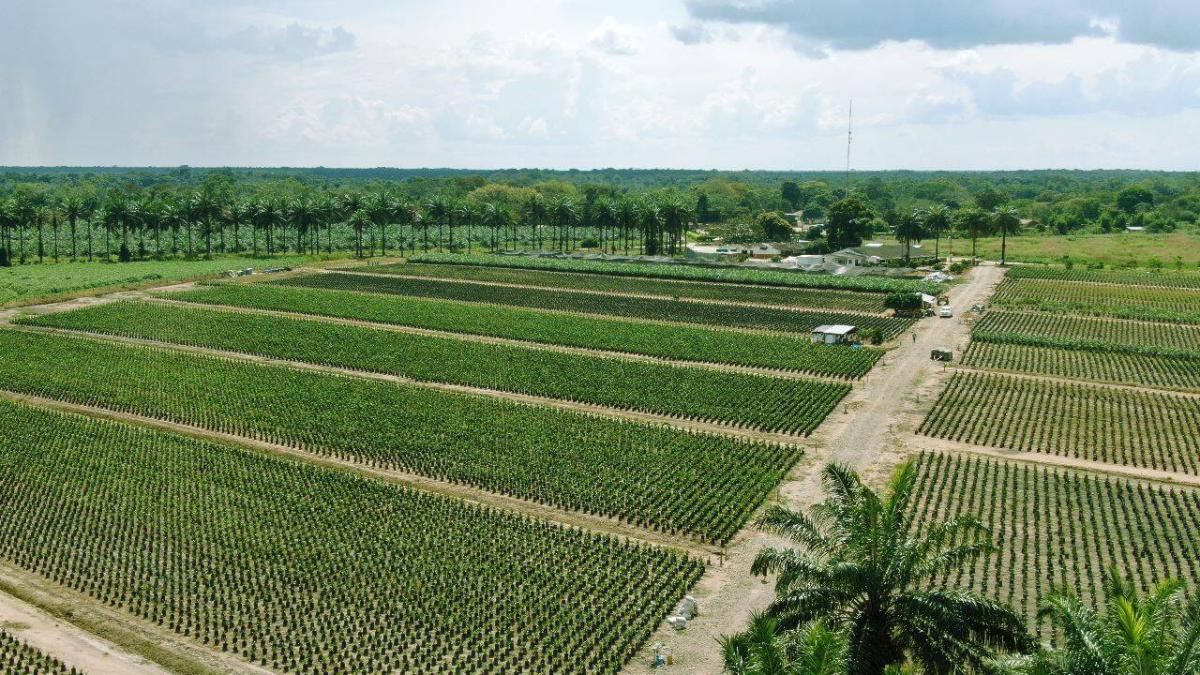
This critical overlap of immense agricultural output and monumental hydrological wealth has created an urgent challenge: how to maintain—and expand—food production without depleting the natural ecosystems that make that very production possible.
In response, international environmental organization The Nature Conservancy (TNC) Colombia has spearheaded a comprehensive, landscape-level initiative known as Orinoquía Foodscape. By bridging the historical gap between commercial farming and environmental stewardship, TNC is working hand-in-hand with local producers, corporations, and rural communities. The objective is to scale regenerative agriculture and livestock management practices, securing climate adaptation goals while elevating the long-term competitiveness of Colombian agriculture on the global stage.

Chronology: A Decade-Long Evolution Toward Regenerative Landscapes
To understand the scope of the Orinoquía Foodscape strategy, it is necessary to trace the trajectory of conservation and agricultural planning in Latin America over the past decade:
- 2016–2020 (Foundational Shifts): TNC and various regional stakeholders spent years identifying the mounting vulnerabilities of Latin America’s primary food-producing regions. Traditional farming models—characterized by the unchecked expansion of the agricultural frontier into native forests and intensive chemical usage—began showing severe ecological limits, accelerating greenhouse gas (GHG) emissions and degrading freshwater quality.
- 2021–2023 (Regional Mapping and Mobilization): Collaborative expeditions and baseline scientific studies across the Meta, Mética, and Orinoco river basins underscored the alarming fragility of the region’s subterranean aquifers and fragile wetland ecosystems. During this period, TNC fine-tuned its regional vision, setting a sweeping Latin American goal of transitioning 12 million hectares into regenerative landscapes.
- 2024–2025 (Operationalizing the Foodscape Strategy): TNC Colombia formally rolled out the operational architecture of Orinoquía Foodscape. This framework moved beyond isolated conservation projects, integrating direct on-the-ground technical assistance, green financing mechanisms, economic incentives, and supply-chain corporate alliances.
- 2026 and Beyond (The Decadal Milestone Goals): Today, the initiative operates under strict, time-bound targets designed to permanently alter how land is managed in Arauca, Casanare, Meta, and Vichada before the close of the decade.
Supporting Data and Decadal Targets
The scale of the Orinoquía Foodscape initiative is matched by the ambition of its quantitative metrics. Spanning the four core departments of the Orinoquía (which together cover a massive 254,335 square kilometers), TNC has established concrete ecological and socio-economic targets to be achieved by 2030:

- Terrestrial Conservation: Preservation and sustainable management of 1,800,000 hectares of terrestrial ecosystems.
- Wetland Protection: Safeguarding and restoring 1,500,000 hectares of vital wetlands.
- Riverine Health: Protecting and managing 41,600 kilometers of river networks to prevent sediment runoff and chemical pollution.
- Carbon Sequestration & Mitigation: Avoiding, reducing, or capturing 500,000 equivalent tons of CO2 per year.
- Climate Adaptation (Social Impact): Directly benefiting 252,000 people through robust climate adaptation processes.
- Economic Enhancement: Generating improved economic opportunities and sustainable livelihoods for 6,500 local rural producers.
Furthermore, these goals complement broader national statistics that highlight the vulnerability of Colombia’s natural capital—such as historical records indicating that over the past 26 years, roughly 13.9 million hectares have been consumed by wildfires nationwide, underscoring the urgency of preventative land management.
Official Responses and Expert Perspectives
The transition from conventional to regenerative practices is not merely an environmental wishlist; it is viewed by project leaders as an economic imperative.
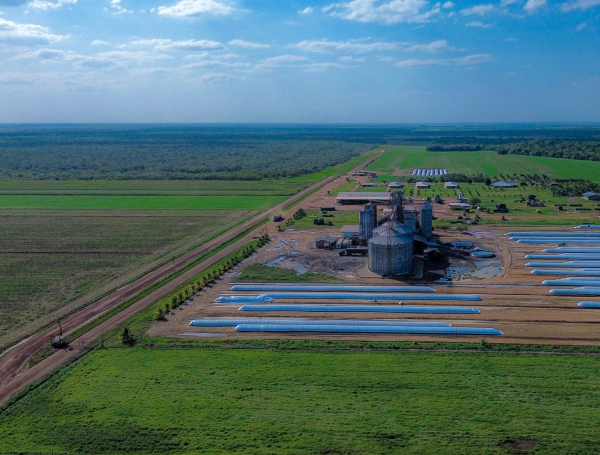
"Food production and landscape conservation have not traditionally advanced in an articulated manner in the Orinoquía. The core challenge is to ensure that both move in the exact same direction," explains Antonio Solarate, leader of the Sustainable Productive Systems team at TNC Colombia.
Solarte emphasizes that viewing conservation strictly through a preservationist lens misses the broader economic realities of modern global markets. As international trade agreements and consumer bases demand stricter sustainability credentials, transforming agricultural supply chains directly translates to a competitive edge for Colombian producers.

"The return for the producer does not end in the environmental arena," Solarte asserts, noting that green financing and preferred market access heavily favor those who integrate sustainable metrics into their operations. "The future of agriculture in Colombia requires that governments, the private sector, and producers work in a unified direction. The decisions we make today will define the future of the region and the food security we will have tomorrow."
TNC’s holistic framework relies on a multi-pronged toolkit:
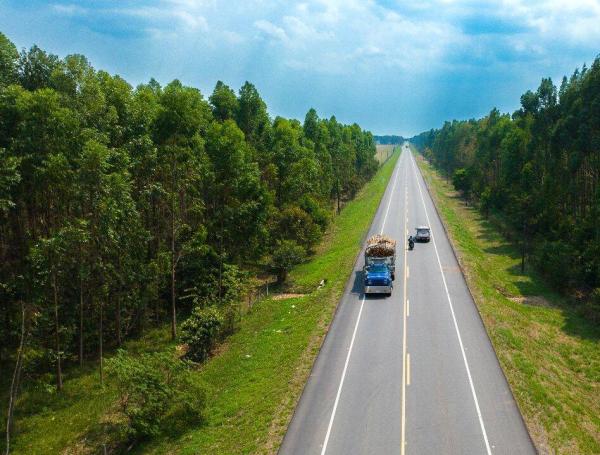
- On-the-Farm Technical Assistance: Agronomists and veterinarians working directly with farmers to improve soil health, rotational grazing, and crop yields without expanding footprints.
- Green Financing and Economic Incentives: Lowering barriers for farmers to adopt eco-friendly machinery, infrastructure, and soil-restoration techniques.
- Value-Chain Corporate Alliances: Engaging large corporations, supermarkets, and financial institutions to reward sustainable producers through preferential purchasing and credit lines.
- Territorial Land-Use Planning: Influencing regional policies so that local zoning laws inherently respect climate risks, water tables, and biodiversity corridors.
Implications: A Blueprint for Latin American Food Security
The implications of the Orinoquía Foodscape strategy extend far beyond the borders of eastern Colombia. As Latin America continues to function as one of the world’s premier agricultural breadbaskets, it faces the dual threats of intensifying climate change and rapid environmental degradation.
If successful, the model being forged in the Orinoquía could serve as a replicable blueprint for other developing agricultural frontiers facing the zero-sum illusion that humans must choose between eating or protecting nature.
By proving that regenerative agriculture can protect 41,600 kilometers of rivers, safeguard 1.5 million hectares of wetlands, and secure subterranean aquifers while simultaneously boosting the incomes of thousands of farmers, TNC is rewriting the narrative of tropical land use.
Ultimately, the initiative forces a paradigm shift: framing the agricultural sector not as the antagonist of the climate crisis, but as one of its most powerful potential healers. As the clock ticks toward 2030, the synergy between the farmer’s plow and the conservationist’s map will determine whether the Orinoquía remains a fertile sanctuary or falls victim to its own productivity.