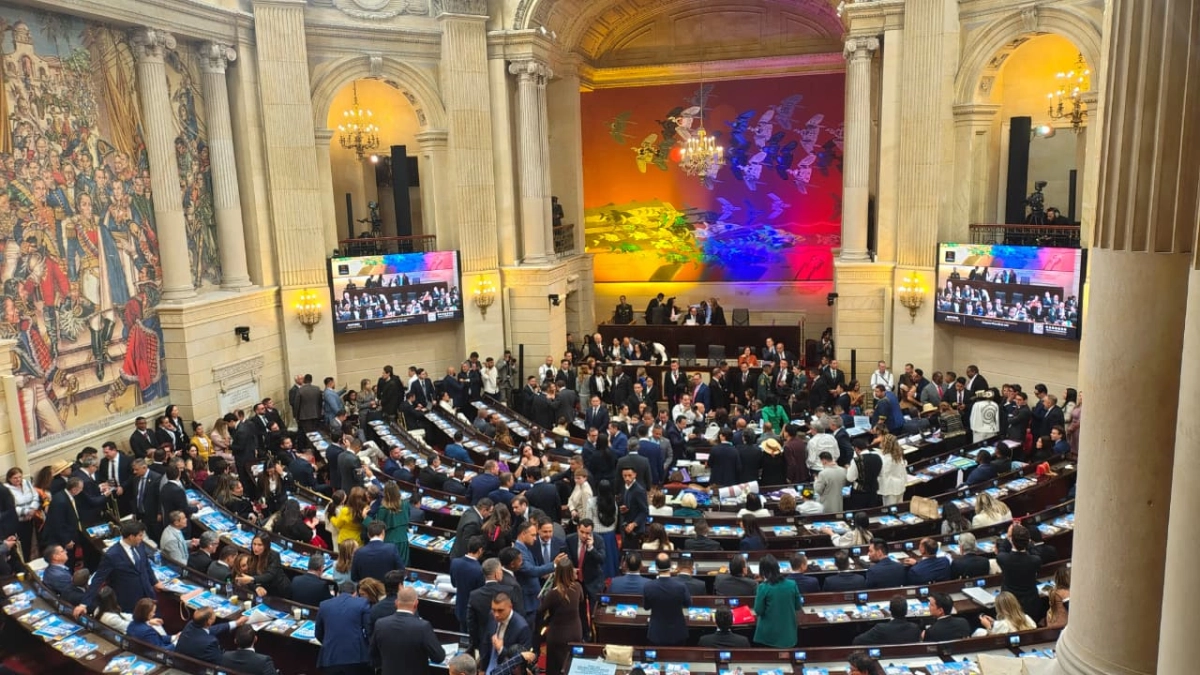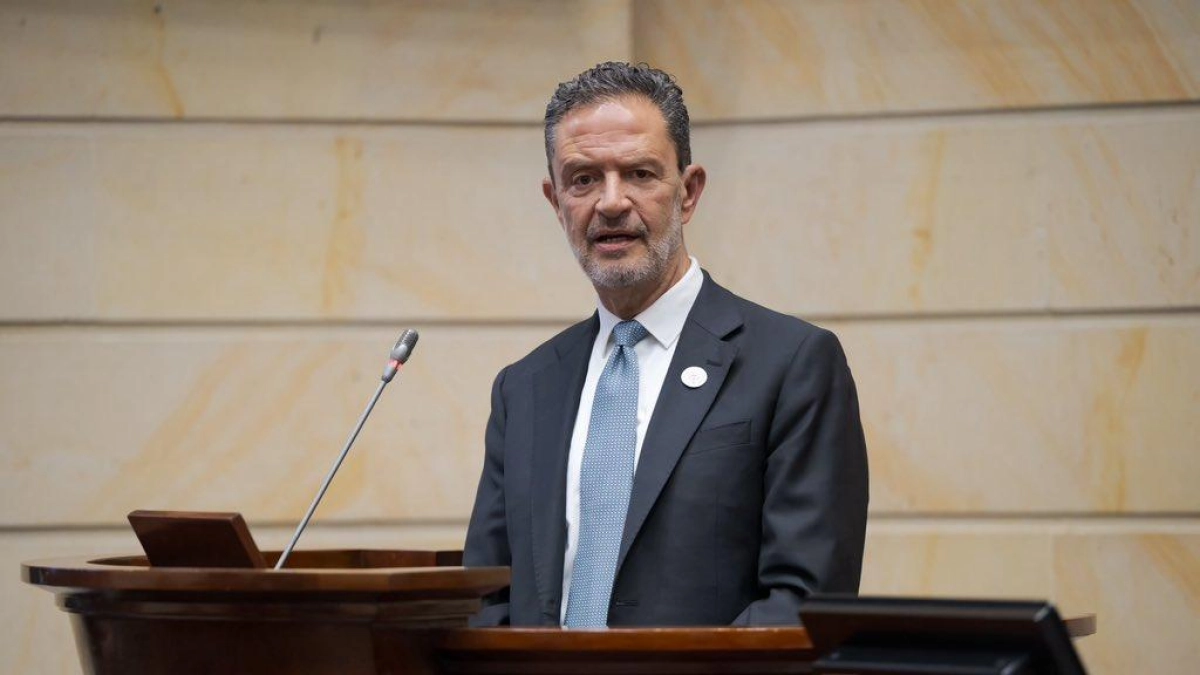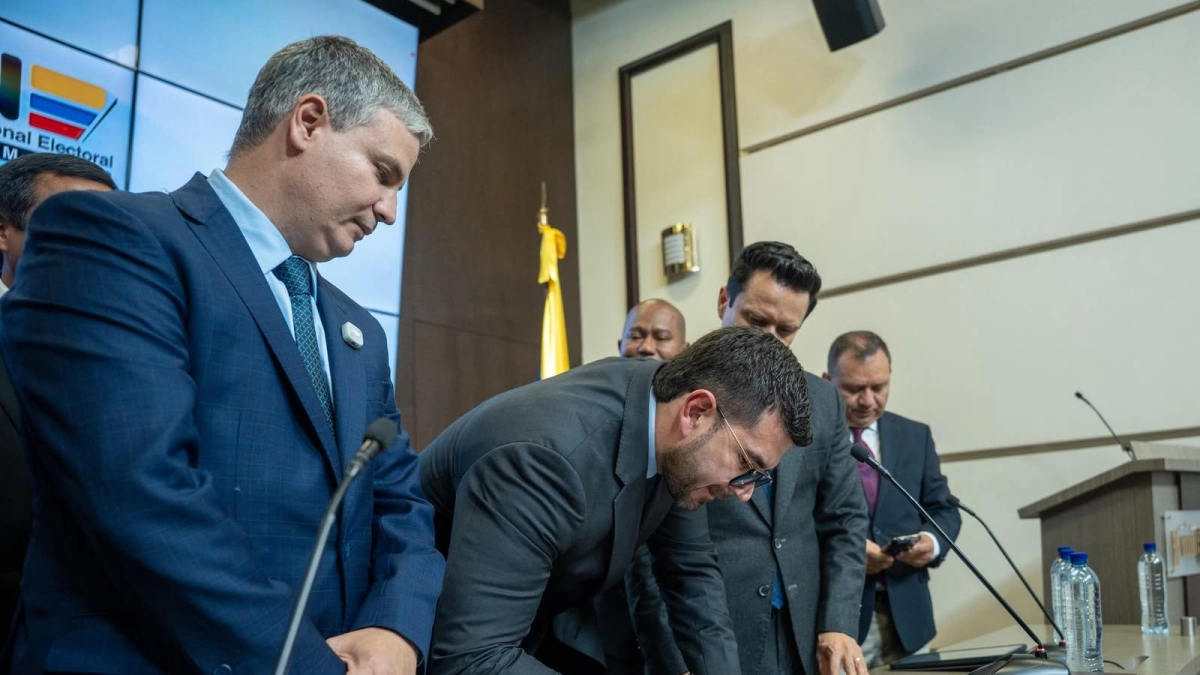
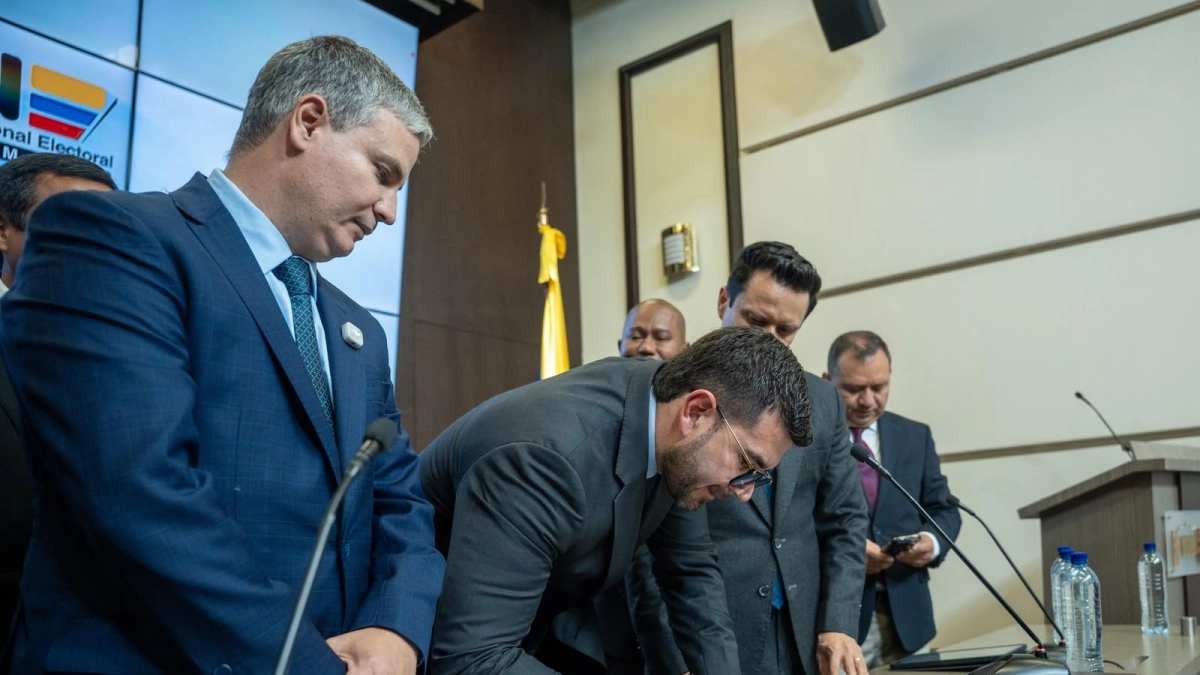
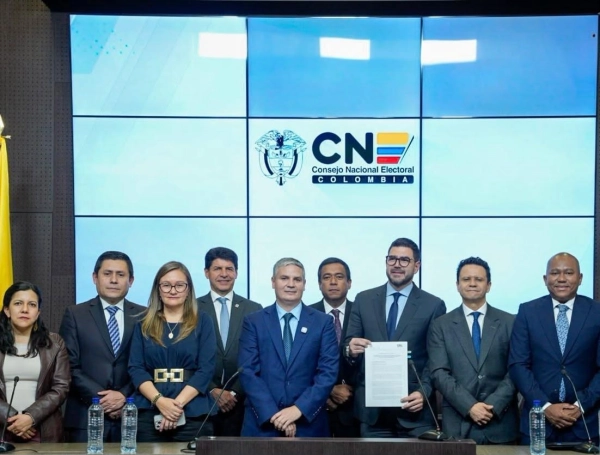
Bogotá, November 2026 — In a decisive maneuver aimed at insulating the nation’s electoral governance from fiscal dependency and administrative bottlenecks, the nine magistrates of the National Electoral Council (Consejo Nacional Electoral – CNE) have formally signed and submitted a landmark organic bill to the Colombian Congress.
The legislative initiative seeks to permanently enshrine the CNE’s budgetary autonomy and its capacity for independent expenditure management by modifying the Organic Statute of the Budget (Estatuto Orgánico del Presupuesto). By integrating the tribunal as an independent budgetary section, the initiative attempts to resolve a protracted constitutional dispute that has repeatedly threatened the operational independence of one of Colombia’s core democratic institutions.
Main Facts
The core objective of the newly minted legislative proposal is straightforward yet legally complex: to grant the CNE total control over its financial administration, cutting the administrative umbilical cord that historically tied its spending to the National Civil Registry (Registraduría Nacional del Estado Civil).
Should Congress pass the bill into law, the CNE will acquire the legal authority to:

- Directly program, administer, execute, and monitor the budgetary appropriations assigned to it within the National General Budget (Presupuesto General de la Nación).
- Exercise autonomous contracting powers, commit funds, and manage expenditures directly through its president, operating under strict legal frameworks.
Crucially, the magistrates emphasize that the project is strictly administrative and structural. It does not alter, diminish, or expand the statutory competencies of the Registraduría, nor does it create novel functions for the CNE itself. Furthermore, it does not establish an autonomous source of financing or authorize expenditures outside of the traditional appropriations approved by the legislative branch.
In short, the project is designed purely to correct a procedural roadblock identified by the high court, ensuring that the CNE possesses the structural machinery required to effectively police, inspect, and regulate Colombia’s intricate electoral landscape.
Chronology of Events
The road to this congressional filing has been paved with constitutional friction, judicial reviews, and legislative adjustments over the past several years:
- The Petro Administration’s PND: Early in the administration of President Gustavo Petro, an article was embedded within the National Development Plan (Plan Nacional de Desarrollo – PND) designed to grant the CNE independent budgetary status. The intention was to modernize and separate the tribunal’s finances from the Registry.
- The Constitutional Court’s Ruling: Following challenges to the PND, the Constitutional Court reviewed the provision and declared it inexequible (unconstitutional). The Court did not object to the substance of the CNE having financial independence; rather, it struck down the article due to a vicio de forma (procedural defect)—specifically, a lack of "unity of matter" (unidad de materia). The Court ruled that such a structural shift in budgetary law could not be enacted via a development plan omnibus bill, but instead had to travel through the rigorous vetting process of an organic law (ley orgánica).
- Interim Measures for 2027: Recognizing the looming pressures of the upcoming 2027 regional elections, temporary budgetary workarounds were established, granting the tribunal a provisional independent budget section for that specific fiscal year. However, this temporary measure left the institution vulnerable to long-term legal uncertainty.
- Late 2026 Strategy: Anticipating the expiration of temporary fixes and the vital importance of permanent structural reform, CNE President Juan Felipe Lemos announced earlier in late 2026 that the tribunal would draft and file a dedicated organic law before the conclusion of the legislative period.
- November 11, 2026: All nine magistrates of the CNE officially sign and formally radicate the organic bill before the Colombian Congress, initiating what is expected to be a high-stakes legislative debate.
Supporting Data and Context
To understand the weight of this initiative, one must look at the immense operational scope of the Consejo Nacional Electoral. As the supreme body tasked with the inspection, regulation, control, and oversight of all electoral activities in Colombia—ranging from political party financing and internal consultations to the oversight of national and local campaigns—the CNE operates under immense scrutiny.
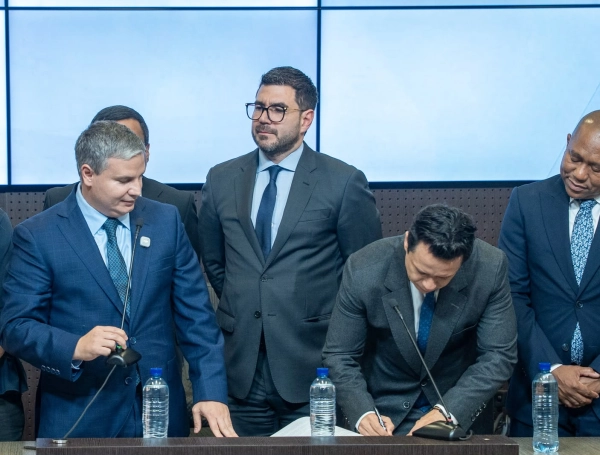
- 9 Magistrates: The tribunal is composed of nine togates who collectively steer the direction of electoral accountability, investigating campaign financing irregularities, the revocation of candidacies, and the compliance of political organizations.
- The Electoral Calendar: Colombia’s electoral cycle is relentless. With regional and local elections slated for 2027, the demand for swift, unhindered administrative response times is at an all-time high. A delayed contract or a frozen administrative budget can severely handicap the tribunal’s ability to audit campaign spending in real time.
- Budgetary Dependence vs. Autonomy: Historically, administrative functions such as procurement and minor financial operations were heavily intertwined with or bottlenecked by larger institutional machinery. Achieving status as an independent budgetary section elevates the CNE to a tier of financial independence comparable to other high courts and independent control bodies, ensuring that its administrative decisions are insulated from external political leverage.
Official Responses and Statements
The presentation of the bill at the Capitol drew significant media attention, anchored by remarks from the leadership of the electoral tribunal.
CNE President Juan Felipe Lemos offered explicit context regarding why the previous legislative attempt failed and why this new effort adheres strictly to constitutional mandates:

"Vamos a subsanar ese vicio que la Corte Constitucional encontró y que por esa vía definió no que el Consejo Nacional no tuviera autonomía, sino que el trámite legal que se había dispuesto para garantizar eso no correspondía al trámite ordinario, sino a una ley orgánica," Lemos stated in discussions with the press, emphasizing that the Court’s objection was procedural rather than substantive.
Elevating the debate beyond mere bureaucratic mechanics, Lemos framed the financial independence of the tribunal as a fundamental pillar of national stability:

"La autonomía presupuestal no es un privilegio, es una garantía para fortalecer la autoridad electoral y proteger la democracia," declared Lemos during Wednesday’s radication event, directly calling upon lawmakers to prioritize the bill’s debate.
He urged the legislative branch to analyze the initiative through the lens of institutional strengthening, noting that an empowered and financially autonomous CNE is indispensable for maintaining public trust in the transparency of upcoming democratic contests.

Implications for Colombian Democracy
The introduction of this organic law carries profound implications for the future of governance and political oversight in Colombia:
- Elimination of Legal Vulnerability: By utilizing the proper constitutional vehicle—an organic law—the CNE effectively immunizes its financial independence from future challenges regarding "unity of matter." This secures a permanent structural foundation that survives changes in government administrations.
- Operational Agility: In moments of intense political polarization or national electoral crises, the ability to execute budgets, procure technological auditing tools, and mobilize resources without bureaucratic delays can mean the difference between effective oversight and institutional paralysis.
- Strengthened Separation of Powers: Giving the electoral authority direct command over its financial execution reduces perceptions of executive or administrative dependency, reinforcing the checks and balances essential to a healthy republic.
- The Legislative Test Ahead: The ultimate success of the initiative now rests in the hands of Congress. As political alliances shift and preparations for the 2027 regional elections gather momentum, lawmakers will be forced to weigh the long-term integrity of Colombia’s electoral framework against short-term political calculations.
For the nine magistrates who signed the document, the message is unequivocal: safeguarding the mechanics of democracy begins with ensuring that those who police the ballot box have the independent means to do so.