Main Facts: A Judicial Turnaround and the Reopening of Political Scrutiny
The political landscape in Colombia has been profoundly rattled following a definitive legal and moral turning point in the case of Juliana Guerrero. Once a rising political figure closely aligned with former President Gustavo Petro—who publicly and fiercely defended her when the initial controversy broke—Guerrero officially admitted her guilt before the Colombian justice system.
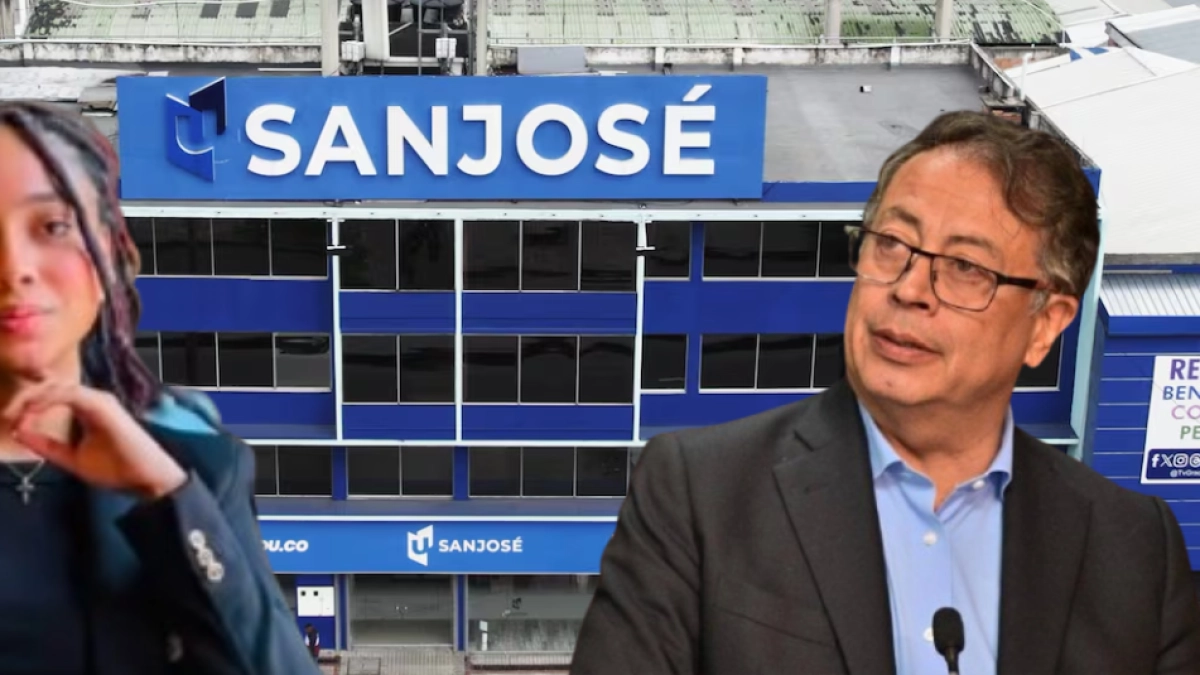
Subscribing to a formal pre-agreement with the Office of the Attorney General (Fiscalía General de la Nación), Guerrero confessed to the crime of procedural fraud (fraude procesal). Her admission centers on the submission of fabricated academic documentation—specifically, a forged university diploma from the Fundación Universitaria San José—which she utilized to fulfill the legal requirements necessary to secure a high-profile appointment as the Vice Minister of Youth.
However, the legal repercussions extend far beyond Guerrero’s confession. During the judicial hearing, the presiding judge of the 46th Penal Circuit of Bogotá ordered a formal compulsa de copias (the forwarding of records) to the Attorney General’s Office. This directive mandates a separate criminal investigation into Guerrero for potential ideological falsehood in a public document (falsedad ideológica en documento público), committed in the capacity of a determiner. While the judiciary emphasized that this order does not constitute a prejudgment or a formal accusation against third parties, it immediately places the administrative decisions of the former executive branch, and the actions of former President Gustavo Petro himself, under intense institutional and public scrutiny.
Chronology of a Scandal: From Appointment to Confession
To understand how a fraudulent academic credential cascaded into a crisis for the Colombian left, it is essential to trace the timeline of events that brought Juliana Guerrero from obscurity to the epicenter of national politics.
The Rise and Nomination: Juliana Guerrero emerged as a young activist within leftist circles, rapidly gaining prominence and proximity to the inner sanctum of the Petro administration. Her ascent culminated when she was slated for the position of Vice Minister of Youth. To satisfy the statutory prerequisites for the public office, she presented academic titles purportedly issued by the Fundación Universitaria San José.
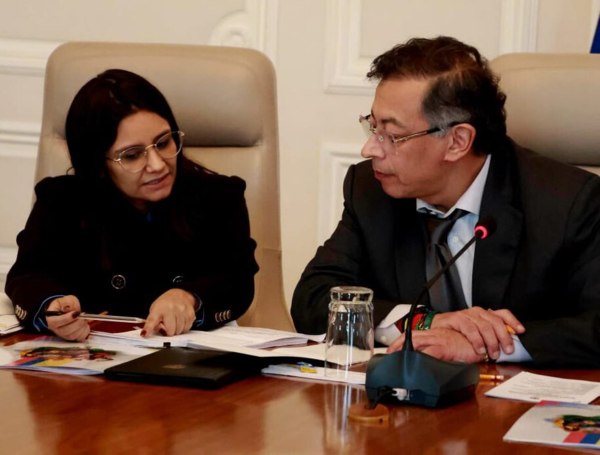
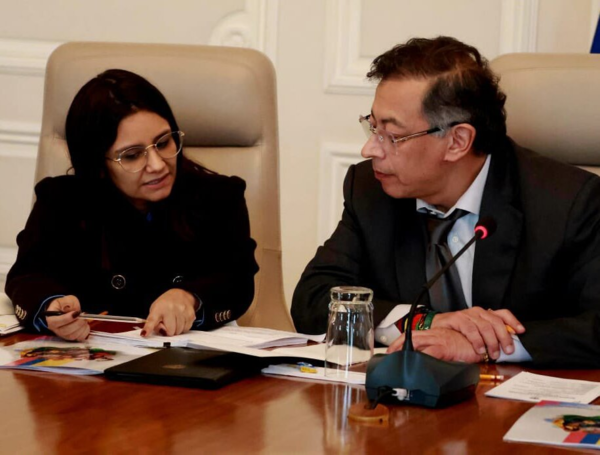
The Initial Warnings: Even prior to her formal possession, internal alarms were sounded within the government. Notably, Angie Rodríguez, then-director of the Administrative Department of the Presidency of the Republic (DAPRE), raised direct concerns with President Gustavo Petro. Rodríguez warned the head of state not only about Guerrero’s growing, unchecked influence within the administration but also flagged glaring red flags regarding the veracity of her academic credentials and her lack of professional experience—having graduated merely days before her proposed appointment.
Public Defense by the President: Despite these administrative warnings, President Petro chose to publicly defend Guerrero, dismissing the allegations and backing her credentials. The scandal subsequently burst into the public domain, capturing media attention and drawing fierce criticism from opposition legislators and independent watchdogs.
The Legal Unraveling: As investigations by the Attorney General gained momentum, the unsustainability of the defense became apparent. Facing mounting evidence compiled by prosecutors, Guerrero opted to negotiate a pre-agreement.
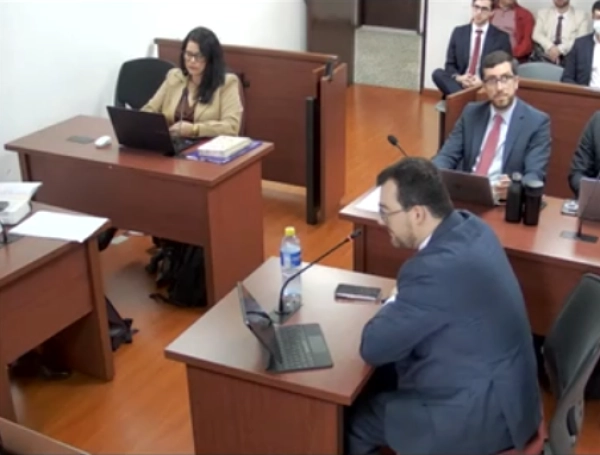
The Confession and Judicial Order (September 2026): On a Wednesday in September 2026, during the pre-agreement hearing before the 46th Penal Circuit Judge of Bogotá, Guerrero formally accepted responsibility for procedural fraud. The presiding judge accepted the pre-agreement, sentenced her, and ordered the opening of new investigative avenues regarding ideological falsehoods, setting the stage for deeper legal inquiries into the network that facilitated her ascent.
Supporting Data and Legal Framework: Navigating Criminal vs. Political Liability
The dual track of this legal proceeding—Guerrero’s ongoing sentencing alongside fresh investigations into potential co-conspirators—raises complex questions regarding penal responsibility versus political accountability. Legal experts have dissected the boundaries of the case to determine how far the tentacles of the investigation might reach.
Renowned criminal defense attorney Julián Quintana notes that while the evidence currently justifies opening lines of inquiry, direct criminal liability for former President Petro remains a high legal hurdle.
"Backing or defending Guerrero, by itself, is a matter of political responsibility: under criminal law, no one is held criminally liable merely for proximity or affinity," Quintana explained. "Furthermore, the Prosecutor’s Office maintained during the process that Guerrero sought to deceive the nominating public official, which, for now, positions the official as deceived rather than a participant in the forgery."
Nevertheless, Quintana points out that any potential criminal exposure for Petro or high-ranking ministers would hinge on proving the crime of influence peddling (tráfico de influencias) or direct complicity through prior knowledge. Investigators would need to unearth tangible evidence—such as internal chats, institutional emails, official memos, or pre-appointment evaluations conducted within the presidency—demonstrating that executive officials knowingly promoted an unqualified and fraudulent candidate despite clear warnings.
Furthermore, the legal framework establishes strict procedural boundaries regarding testimony:
Exclusion of Automatic Third-Party Guilt: Guerrero’s decision to accept charges does not automatically transform her statements into admissible evidence against others. To implicate third parties, she must testify under oath within a formal trial setting.
Jurisdictional Escalation: Should the evidentiary trail eventually point toward active ministerial participation, jurisdiction falls to the Attorney General before the Supreme Court of Justice. Should credible evidence implicate the former president directly, the matter would constitutionally pass to the Investigation and Accusation Commission of the House of Representatives.
Official Responses and Political Fallout within the Pacto Histórico
The fallout from Guerrero’s confession has exposed deep fissures within the Pacto Histórico coalition and the broader Colombian left. While former President Gustavo Petro has maintained a stony silence following the judicial ruling, and core party leadership has largely avoided public microphones, several prominent figures have broken ranks to condemn the culture of expediency that the scandal laid bare.
Gustavo Bolívar’s Condemnation
Gustavo Bolívar, the former director of Prosperity Survey (Prosperidad Social) and a foundational pillar of the movement, did not mince words when addressing the confession on social media platforms:
"Juliana’s confession: a sad episode for a young woman who, out of ambition, appeals to the ‘anything goes’ culture, wanting to climb easy and fast," Bolívar wrote.
Ana Erazo’s Direct Rebuke
Representative to the Chamber for Valle del Cauca, Ana Erazo, offered an even sharper critique, directly addressing the ethical damage inflicted upon the progressive political project:
"It hurts me deeply that our political project has been affected by people like Juliana Guerrero, who agreed to commit very serious acts of fraud and use the power and opportunities she had at her disposal to favor her own interests… As a political leader of this project, I have to say it with absolute clarity: whoever has been part of our project, has worked in its name and committed crimes, has to face justice," Erazo stated.
María Antonia Pardo’s Reflections
María Antonia Pardo, former Consul of Colombia in Chile, focused on the betrayal of trust and the institutional collateral damage suffered by both the academic institution and the progressive administration:
"The stain that remains on that university and on the Petro government itself because of your error will be difficult to erase. He believed in you and defended you as rarely seen defending someone, and you disappointed him. And through that, you cast doubt on an entire project," Pardo remarked publicly.
These internal recriminations echo broader warnings from independent political figures—such as Senator Jennifer Pedraza and veteran leftist politician Jorge Enrique Robledo—who have consistently argued that internal corruption, ethical shortcuts, and the shielding of unqualified allies have inflicted incalculable damage on the future integrity of the Colombian left.
Implications for Colombia’s Political Future
The conclusion of Juliana Guerrero’s first-stage trial and the simultaneous opening of expanded judicial investigations carry profound implications that extend well beyond an individual fraud case:
Erosion of Moral Authority: For a political movement that ascended to power on the explicit promise of moral renewal, absolute transparency, and a decisive break from traditional political clientelism and credential inflation (cartonazo), the Guerrero affair stands as a persistent vulnerability. It validates opposition narratives regarding administrative negligence and the protection of loyalists over meritocratic standards.
The Institutional Stress Test: The willingness of the judicial branch—specifically the Bogotá Circuit Court—to mandate deeper investigations into potential ideological falsehoods highlights the institutional independence of Colombia’s judiciary. It signals that high-level executive appointments remain subject to rigorous retrospective auditing.
A Turning Point for Internal Accountability: Prominent voices within the Pacto Histórico calling for unmitigated cooperation with the judiciary suggest a nascent internal reckoning. How the coalition handles future judicial developments involving former officials will heavily dictate its electoral viability and moral standing in upcoming political cycles.
As the Attorney General’s Office evaluates whether to summon additional administrative figures based on the newly forwarded records, the case of Juliana Guerrero transitions from a localized scandal of fake diplomas into a defining litmus test for accountability, legal boundaries, and institutional integrity in contemporary Colombian politics.
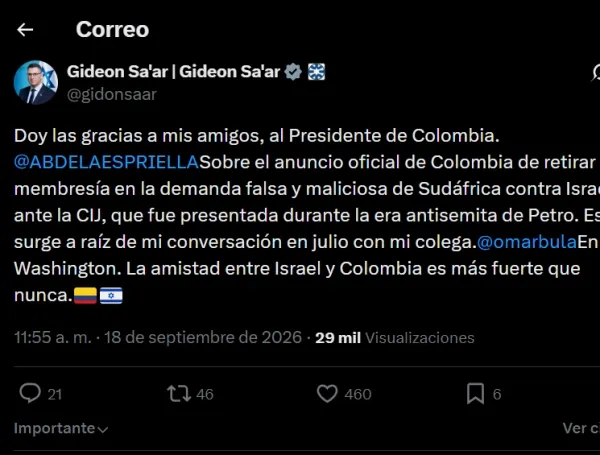
Bogotá / Jerusalem — In a development that signals a profound realignment of Colombia’s foreign policy, the Government of Israel officially confirmed that Colombia has formally withdrawn its intervention in the high-profile genocide case brought…
Bogotá, Colombia – July 16, 2026 – In a move that could redefine the symbolic landscape of Colombian political power, the nation’s legislative body has formally acknowledged the constitutional possibility of relocating its ordinary seat,…
Analysis — Based on factual events, incorporating journalistic context, interpretation, and strategic evaluation. Main Facts As the clock ticks down on the state of economic, social, and ecological emergency declared in the wake of the…