By Maria Alejandra Moreno Flórez
Economic Correspondent
In the heart of the Colombian coffee region, where the steep Andean slopes meet the meticulous labor of generations, a profound act of human solidarity eclipsed the market value of the world’s most prestigious coffee beans. During the IV International Coffee Fair, "Tolima Corazón Cafetero," held in the historic municipality of Chaparral, the focus shifted from the precision of cupping scores and export contracts to the urgent, beating heart of a family in crisis.
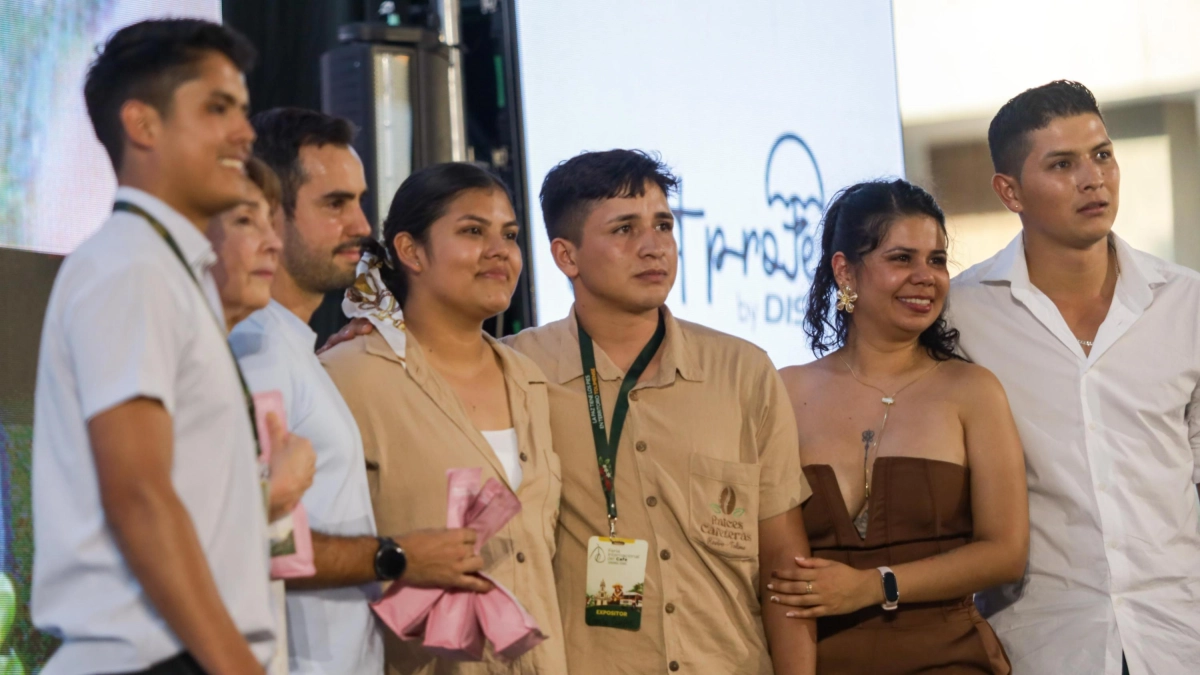
Four pounds of coffee, modest in quantity but monumental in spirit, became the catalyst for a miracle. For the family of Johan Estid Bonilla, a dedicated coffee producer from the municipality of Rovira, these beans were not just a product to be auctioned—they were a plea for the life of 19-year-old Alexandra Campos, who is currently fighting a courageous battle against acute leukemia.
The Context: A Struggle Behind the Aroma
Alexandra Campos, the daughter of Camilo Andrés Campos—who is both the brother-in-law of Johan Bonilla and his professional partner in the coffee business—was diagnosed with acute leukemia approximately four months ago. The diagnosis shattered the stability of a family deeply entrenched in the coffee culture of the Tolima department.

"It was an incredibly difficult moment because the illness manifested with such intensity," Camilo Andrés Campos recalled, reflecting on the day the medical reality became clear. Alexandra, who has Down syndrome, has since required intensive care and complex medical decision-making. The financial burden of specialized treatments, potential high-risk procedures, and the logistics of home-based chemotherapy have placed the family in a precarious position.
For many, the coffee fair is a professional pinnacle—a place to showcase the labor of the harvest and secure fair prices for high-quality crops. For the Bonilla and Campos families, it became a platform to seek a miracle.
Chronology of an Unexpected Auction
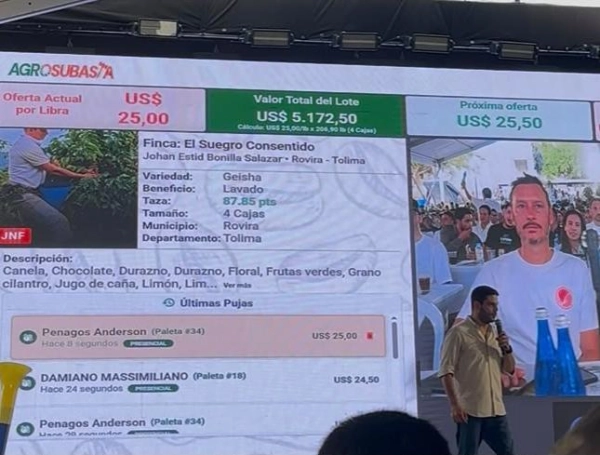
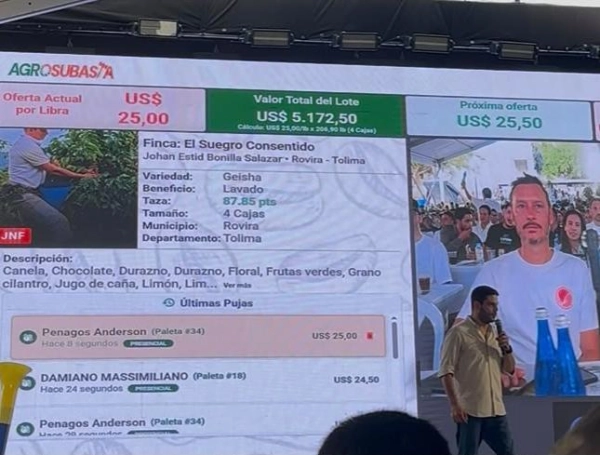
The events of September 13, 2026, began with the technical rigor typical of a high-level competition. Johan Bonilla had entered his Geisha variety coffee, grown on his farm, El Suegro Consentido (The Indulgent Father-in-law) in Rovira, into the official competition. The coffee, processed via a washed method, earned an impressive 87.85 points in the cup.
After successfully qualifying among the top 30 lots and eventually securing a spot in the prestigious top 15, the official auction of his commercial lot saw his four boxes of coffee sell for $25 per pound. It was a respectable achievement, yet it did not solve the mounting medical costs for Alexandra.
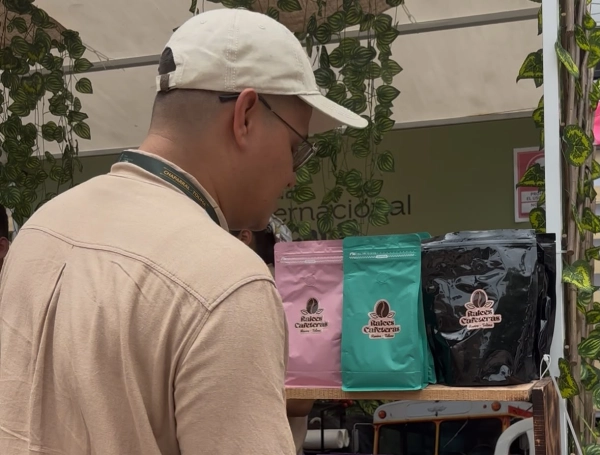
"We came to the fair with the dream of auctioning our coffee, and thank God we were named in the top 15," Bonilla said after the results. But as the excitement of the competition faded, a heavier burden remained on his mind.
Following the formal conclusion of the auction, Bonilla made an unscheduled return to the stage. He did not bring another high-scoring competition lot; instead, he carried four simple, humble pounds of his own personal brand of coffee. He approached the microphone not as a competitor, but as a man asking for a hand.
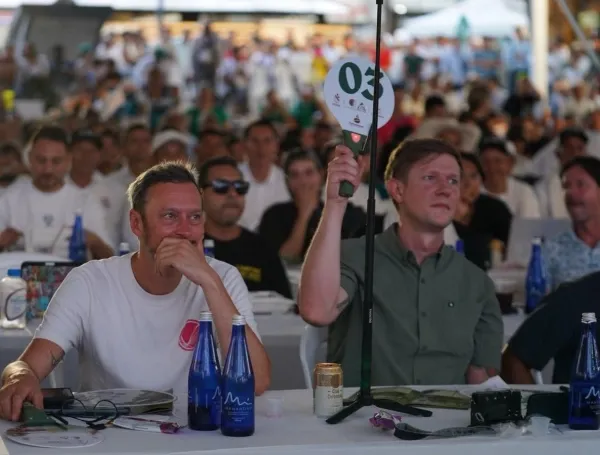
The Surge of Solidarity: From $75 to $1,500
The atmosphere in the room changed instantly. As Bonilla shared the story of his niece, the competitive spirit of the bidders transformed into an act of communal grace. The starting bids, which would normally reflect the market value of high-quality coffee, immediately bypassed the $75.50-per-pound record established earlier in the day.
The price climbed with breathtaking speed: $100, $500, and soon, it had soared past the $1,000 mark. The room was electrified. Finally, Shady Bayter, a renowned Tolima-based entrepreneur and owner of Forest Coffee, raised his paddle to cement the final bid at $1,500.

The gesture was more than a financial transaction; it was a testament to the character of the Colombian coffee industry. Bayter, who operates a state-of-the-art processing plant in Fresno, noted that his company’s commitment to the fair is matched only by its commitment to the people of the region. "The Tolima is in our hearts," he said, emphasizing that the decision to bid was instantaneous once he heard the family’s story.
"For everyone who was there, it was very moving to see the difficult situations that people can face. If you have the option to help, I believe you must do it," Bayter remarked. "At the end of the day, regardless of the figure, what I understood from the story is that a donation can help give them a smile."
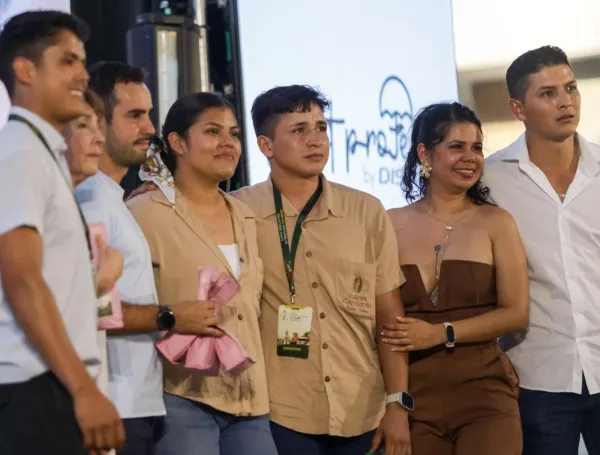
The generosity did not stop with the auction. An Italian buyer, Jorge Ruiz, approached the family shortly after to provide a spontaneous, independent contribution of 300 euros.
Implications and Human Impact
The impact of these funds on the family cannot be overstated. For Camilo Andrés Campos, who helps manage the "Raíces Cafeteras" (Coffee Roots) shop in the main park of Rovira, the outcome was beyond his wildest dreams.

"I didn’t expect so much. I thought that with those four pounds of coffee—which sounds so insignificant—we might get something modest," Campos admitted. He had initially hoped to raise enough to provide his daughter with a small moment of joy, perhaps a trip to a shopping center or a special treat. "In my heart, I thought that with a million pesos, we could make her happy for one day. But what happened is truly surprising."
The money raised will now go toward the family’s medical fund, providing a buffer as they navigate the complexities of Alexandra’s treatment. The ordeal has been a testament to the resilience of a community that, despite its own challenges in a volatile global market, remains firmly grounded in the values of compassion and mutual support.

A Legacy of Community
The story of the auction in Chaparral serves as a poignant reminder of the "human side" of the coffee economy. While the technical parameters—cupping scores, altitude, moisture content, and market trends—are the metrics of the trade, the true strength of the sector lies in the networks of solidarity built by farmers like Johan Bonilla.
The collaboration between the local government, which supports the young producers’ association of which both men are members, and private investors like Shady Bayter, illustrates a functional, compassionate ecosystem. It demonstrates that a regional fair is more than a display of agricultural excellence; it is a vital social infrastructure.

As the family prepares to move forward with the next phases of Alexandra’s medical journey, they carry with them the knowledge that they are not alone. The $1,500 donation and the additional 300 euros have provided more than just financial resources; they have provided the tangible proof that in the coffee fields of Tolima, humanity remains the most valuable crop of all.
For those involved, the event was a masterclass in empathy. As Bayter noted after meeting the family, "I was robbed of my heart." It is a sentiment that, for a brief moment, turned a room full of business people into a family, proving that even four pounds of coffee can be enough to change a life forever.