By Editorial Staff
November 9, 2026
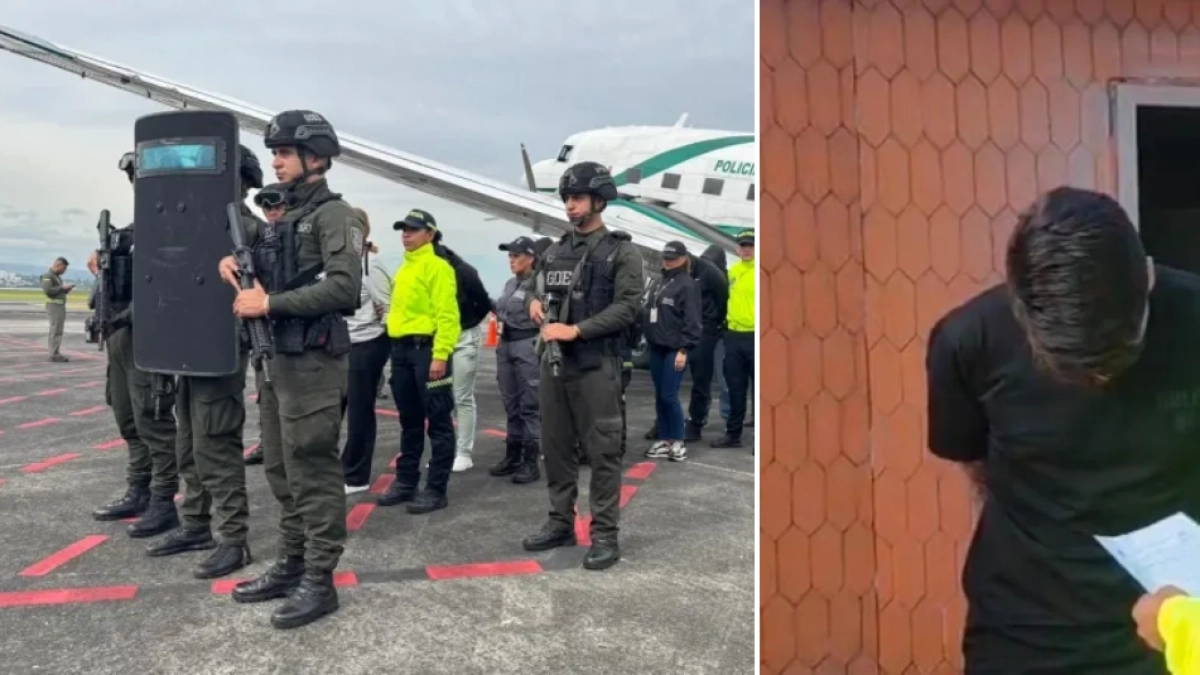
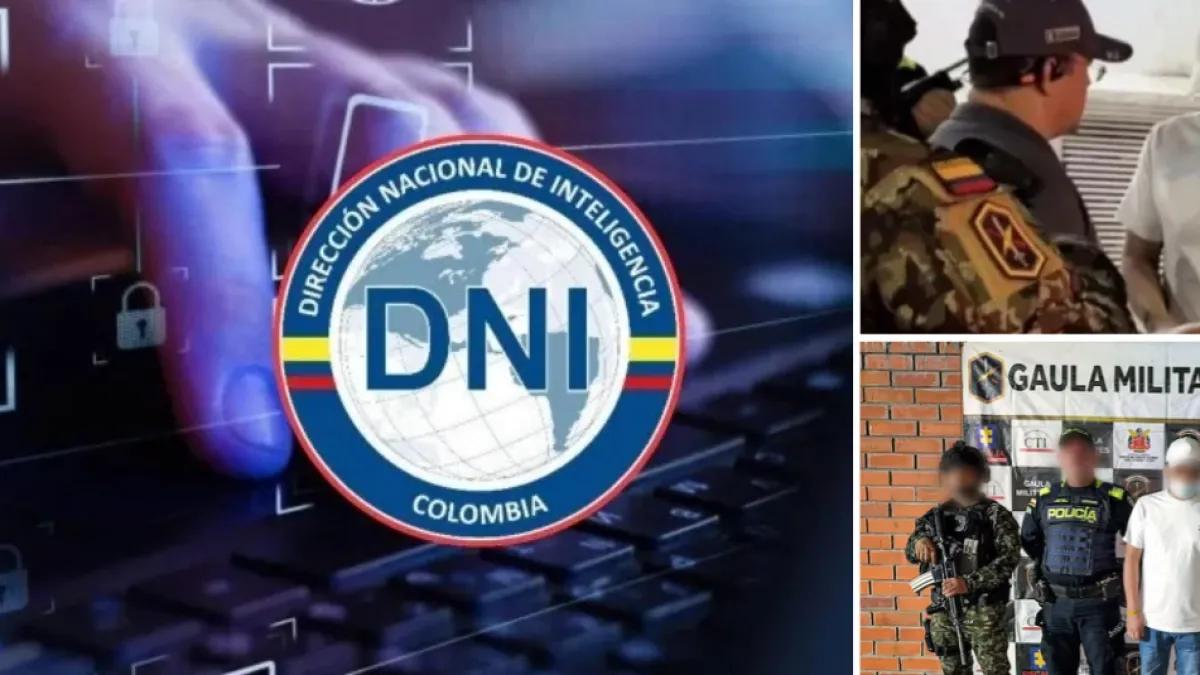
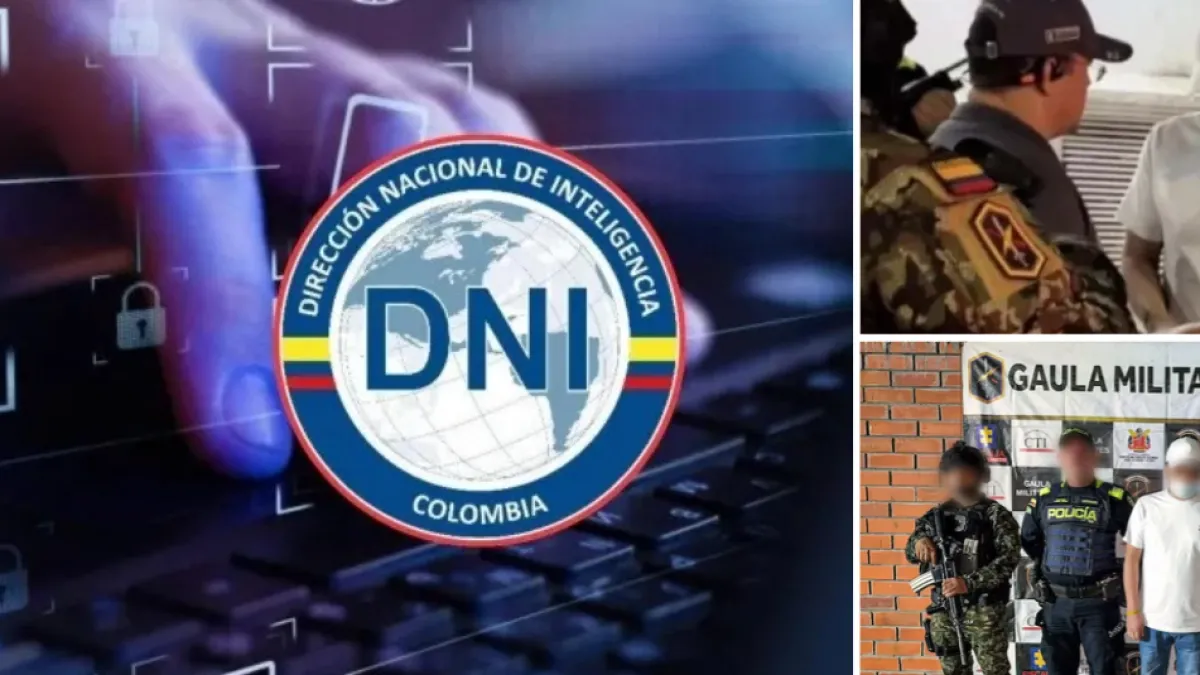
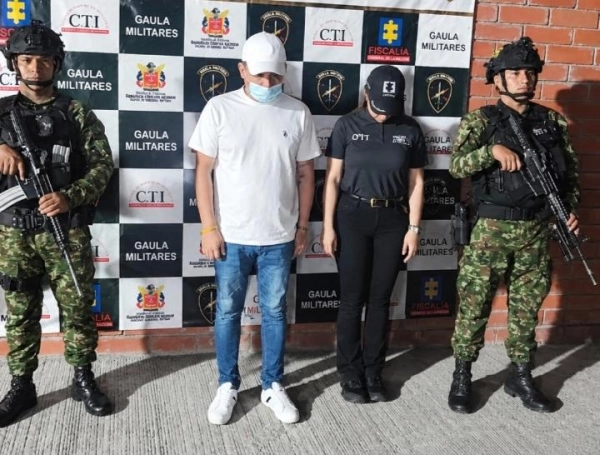
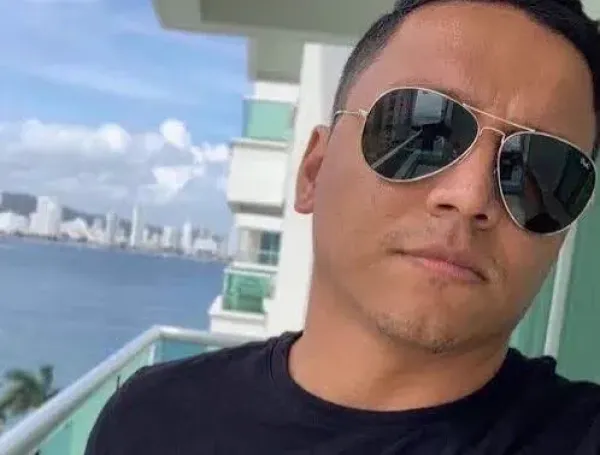
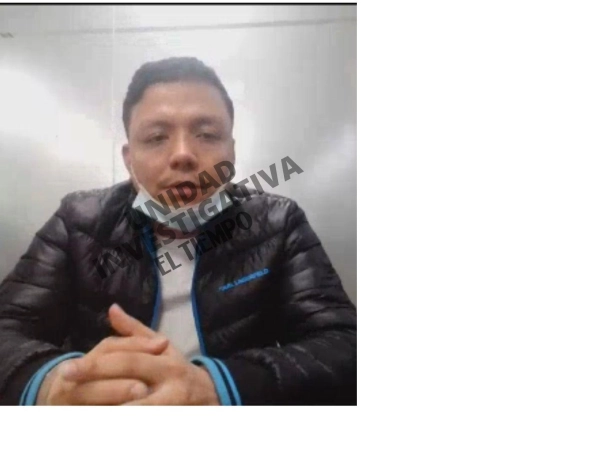
The arrest of Carlos Andrés Oyola Tovar, a systems engineer and former high-ranking official within Colombia’s National Intelligence Directorate (DNI), has sent shockwaves through the highest echelons of the Gustavo Petro administration. Detained in Neiva on Friday, November 6, by a joint operation involving the Technical Investigation Corps (CTI) of the Attorney General’s Office, the National Police, and the Military Gaula, Oyola stands at the center of a burgeoning scandal involving alleged state-sponsored cyber-espionage, unauthorized access to sensitive government databases, and potential interference in the 2026 national elections.
The Architect of a Digital Shadow?
Carlos Andrés Oyola Tovar, 36, served as a "Master Intelligence Manager" (Grade 4) within the DNI’s Information and Communications Technology division. His professional profile, once considered an asset for the government’s cybersecurity initiatives, is now viewed by investigators as a potential blueprint for a sophisticated internal security breach.
According to documents reviewed by the Investigative Unit of EL TIEMPO, Oyola’s responsibilities included the development of advanced software systems intended to bolster national intelligence. However, the authorities now allege that these same tools were repurposed to conduct unauthorized intrusions into critical state infrastructure. The charges against him are severe: conspiracy to commit a crime (concierto para delinquir), abusive access to a computer system, material forgery of public documents, and procedural fraud.

Chronology of a Controversial Tenure
The trajectory of Oyola’s career, leading up to his eventual arrest, is marked by a series of red flags that raise questions about vetting processes within the DNI.
- 2018: Oyola begins his public sector journey as an assistant in the Legislative Work Unit of then-Congressman Rodrigo Villalba Mosquera, the current governor of Huila.
- 2022: He secures a contract with the Comptroller’s Office to develop a contracting management grid.
- February 2024: Oyola is hired by the DNI. Internal reports indicate he was tasked with coordinating digital activists, "bodegueros" (troll farm operators), and hackers.
- May 7, 2026: A judicial order for his capture is issued in connection with alleged cyber-irregularities at the National Open and Distance University (UNAD). Despite this, he remains linked to the DNI.
- Pre-Election 2026: Prosecutors attempt to raid an apartment used as a DNI "front" office; however, Oyola manages to evade capture before investigators arrive.
- November 6, 2026: Following an intensive manhunt, Oyola is apprehended in Neiva.
Allegations of Electoral Interference and Cyber-Espionage
The most alarming aspects of the investigation revolve around the 2026 presidential elections. An internal DNI handover report, leaked to Noticias Caracol, alleges that Oyola was the linchpin of a clandestine structure designed to manipulate the results of the June 21 vote.
The report states: "He leads the network that would perform the work to change the results of the June 21 vote, alongside other members who would execute attacks against the Registry." These allegations suggest that the DNI’s technical resources were weaponized to undermine the democratic process.
Furthermore, internal logs suggest that Oyola allegedly hacked into various state entities, purportedly to grant the DNI’s counterintelligence unit unauthorized access to external databases. These data sets were allegedly stored in an insecure cloud environment, which authorities claim was subsequently "lost"—or, in the eyes of investigators, potentially compromised or leaked to external actors.
Academic Fraud: The Precursor to the DNI Scandal
Before the national security implications came to light, Oyola was already under the microscope for alleged academic dishonesty at the National Open and Distance University (UNAD). An internal audit at the university in June 2023 discovered discrepancies between the grades recorded in the student portal and the official physical records.
An official act from the University’s Academic Council noted: "We found that this student has inconsistencies in his academic record, not only in the master’s degree but also in the specialization program in public management." This incident served as the catalyst for the initial criminal investigation, which eventually uncovered a broader pattern of forgery and document manipulation that mirrored his later activities in the intelligence sector.
Official Responses and the Comptroller’s Intervention
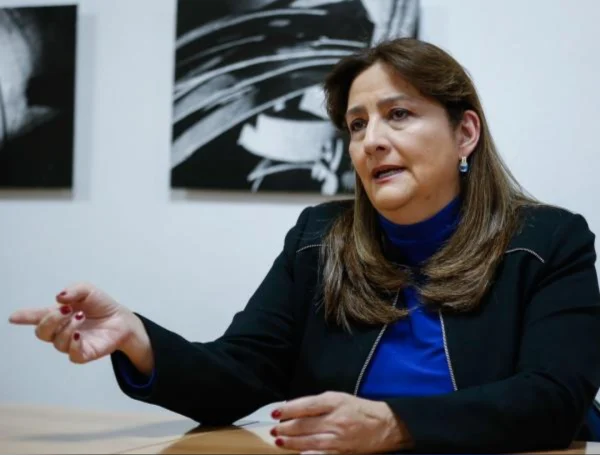
The fallout from the arrest has prompted immediate action from oversight bodies. On November 9, 2026, Comptroller General Jorge Eliécer Laverde Vargas ordered a high-priority review of five major contracts within the DNI, totaling approximately 20.783 billion Colombian pesos.
The audit will focus on:
- Technological Acquisitions: The purchase of a 9-billion-peso unmanned helicopter and 8.34 billion pesos in anti-drone systems.
- Infrastructure: Procurement of biometric identification systems and furniture for DNI facilities in Funza.
- The SIIC v2: The Integrated Intelligence and Counterintelligence System (SIIC), which Oyola was responsible for developing, is now a primary target of the audit. The Comptroller aims to determine why the product was never delivered and why the hardware used by Oyola, which he claimed was "stolen," was never reported to the authorities.
A spokesperson for the Petro administration has sought to distance the government from the individual actions of the engineer, emphasizing that the DNI is cooperating with the Attorney General’s Office. However, questions remain regarding how an individual with a pending arrest warrant for academic fraud was allowed to handle the nation’s most sensitive intelligence software.
The Implications for National Security
The case of Carlos Andrés Oyola Tovar represents a significant vulnerability in the architecture of the Colombian state. Beyond the individual criminal charges, the scandal raises existential questions about the oversight of intelligence agencies.
1. The Erosion of Institutional Trust: The allegation that a government entity tasked with protecting national security was involved in electoral manipulation strikes at the heart of public confidence in the democratic system.
2. Cybersecurity Fragility: The use of "front" apartments and the lack of proper protocol for handling stolen or compromised intelligence hardware suggest a lack of internal controls that could have allowed for the exfiltration of strategic state secrets to foreign or non-state actors.
3. The Accountability Gap: The fact that Oyola was able to continue working at the DNI even after a warrant for his arrest was issued in May 2026 suggests either a catastrophic failure in inter-agency communication or a deliberate effort to shield the employee from judicial scrutiny.
As the CTI continues its investigation and the Comptroller’s Office moves to audit the billions in contracts linked to the agency’s recent tech upgrades, the country awaits answers. Whether Oyola acted as a rogue operator or as part of a wider institutional directive remains the central question for the justice system. For now, the arrest has ignited a firestorm that threatens to define the final stages of the current administration’s term, leaving the DNI in a state of unprecedented turmoil.