By Global Consumer Trends Desk
Published: November 9, 2026
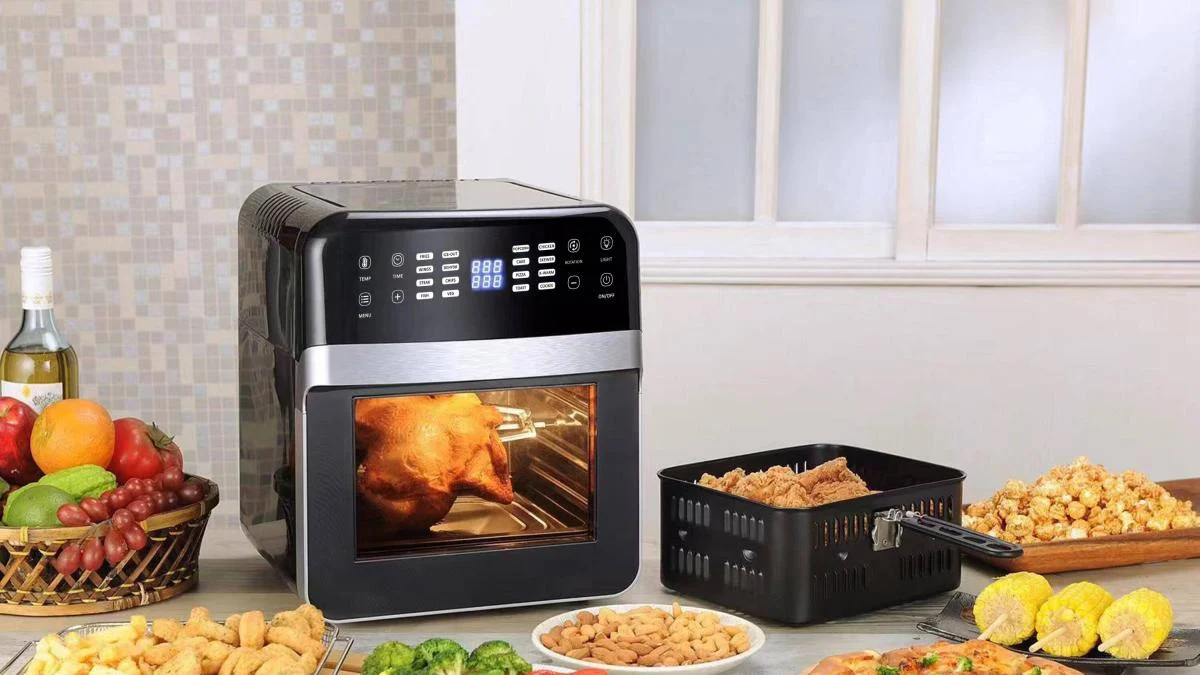
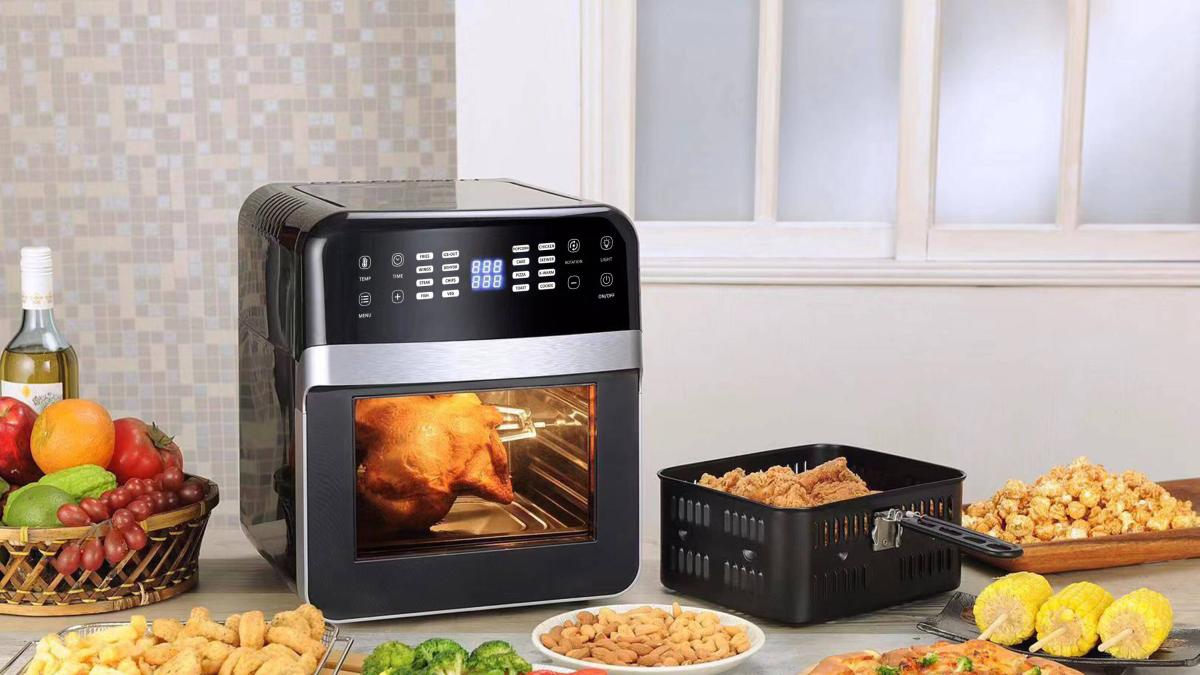
The air fryer has transitioned from a kitchen novelty to a permanent fixture in millions of households worldwide. Praised for its culinary versatility—capable of producing everything from crispy French fries to delicately roasted vegetables and moist baked goods with a fraction of the oil required by traditional deep fryers—this countertop convection appliance has revolutionized home cooking.
Yet, as global energy costs fluctuate and households become increasingly mindful of their monthly utility expenses, a pressing question lingers among consumers: How often can you use an air fryer each week without causing a noticeable spike in your electricity bill?
While marketing campaigns often paint modern kitchen gadgets as universally energy-efficient, the reality is more nuanced. The financial impact of running an air fryer depends on a complex interplay of variables, including appliance wattage, cooking duration, internal temperature settings, and regional utility rates. Understanding these dynamics is essential for balancing a healthy lifestyle with household budgeting.
Main Facts: The Anatomy of Air Fryer Energy Consumption
To understand how an air fryer affects your utility bill, it is necessary to examine how it consumes electricity. Unlike traditional electric ovens, which require a massive heating element to warm up a large cavity—often taking 10 to 15 minutes just to preheat—an air fryer operates on a much smaller scale.
The Power Mechanism
An air fryer is essentially a miniaturized convection oven. It features a heating coil, usually located near the top, paired with a powerful high-speed fan. This fan forces superheated air to circulate rapidly around the food chamber, creating a convection effect that cooks food quickly and evenly from all sides.

- Wattage Range: Most standard consumer air fryers range from 1,400 to 2,000 watts.
- The Kilowatt Calculation: Energy consumption is measured in kilowatt-hours (kWh). To find the energy used by your specific appliance, multiply its power consumption in kilowatts (kW) by the total operating time in hours.
- Real-World Example: If you own a 1,500-watt air fryer (equivalent to 1.5 kilowatts) and run it continuously for 30 minutes (0.5 hours), it will consume approximately 0.75 kWh of electricity.
The Role of the Thermostat
Importantly, appliances do not typically draw their maximum rated wattage 100% of the time during a cooking cycle. Once the internal chamber reaches the targeted temperature, an internal thermostat cycles the heating element on and off to maintain that heat, while the fan continues to run. Consequently, the actual energy draw is often slightly lower than the theoretical maximum, though it remains the most reliable baseline for calculation.
Chronology: From Novelty Appliance to Household Staple
The widespread adoption of the air fryer did not happen overnight. Tracing its trajectory reveals how technological refinements and shifting consumer habits have brought energy efficiency to the forefront of culinary conversations.
- Early 2010s (Market Introduction): Early iterations of the air fryer entered the global consumer market, primarily marketed as health-conscious alternatives to traditional oil immersion frying. Initial energy discussions focused solely on whether they could replace deep fryers safely.
- Mid-to-Late 2010s (Mainstream Expansion): As manufacturers refined convection fan dynamics and digital controls, capacities expanded from compact 1.5-quart models to family-sized 5-to-10-quart baskets. Consumers began experimenting with roasting, grilling, and baking, making the appliance a daily-use item rather than a weekend specialty tool.
- 2020–2022 (The Pandemic Home-Cooking Boom): Global lockdowns drove a massive surge in home cooking. Consumers sought ways to prepare quick meals without heating up large built-in kitchen ovens. Energy consultants began noting a shift in household load profiles, with countertop appliances drawing a higher percentage of kitchen energy.
- 2023–2025 (Energy Crises and Cost-of-Living Pressures): Surging global energy prices prompted rigorous consumer research into appliance efficiency. Comparative studies between conventional ovens and air fryers became viral topics across financial and lifestyle media platforms.
- 2026 and Beyond (Smart Kitchen Integration): Modern air fryers now feature smart connectivity, precise multi-stage cooking programs, and energy-monitoring apps. The conversation has matured from "Do they save oil?" to "How do they optimize household energy footprints?"
Supporting Data: Comparative Energy Costs and Efficiency Metrics
To evaluate whether daily air fryer usage is economically sustainable, analysts frequently compare its energy consumption against traditional kitchen appliances, such as conventional electric ovens, toaster ovens, and microwaves.

Air Fryer vs. Conventional Oven
A standard electric wall oven typically operates between 2,000 and 4,000 watts. Furthermore, because of its large internal volume, it usually requires a 10-to-15-minute preheat period before food can even be introduced.
- Oven Cooking Cycle: Roasting a chicken or baking a batch of vegetables might take 45 minutes of cooking time plus 15 minutes of preheating, running a 3,000-watt appliance for a total of 1 hour (3.0 kWh).
- Air Fryer Alternative: The same quantity of food in a large-capacity air fryer might cook in 25 to 30 minutes at 1,500 watts, with virtually zero preheating time required (roughly 0.6 to 0.75 kWh).
| Appliance Type | Average Wattage | Typical Cooking Time | Energy Consumed per Use (kWh) |
|---|---|---|---|
| Air Fryer | 1,500 W | 25 minutes | ~0.625 kWh |
| Traditional Oven | 3,000 W | 45 min (+15 min preheat) | ~3.000 kWh |
| Toaster Oven | 1,200 W | 25 minutes | ~0.500 kWh |
| Microwave | 1,000 W | 10 minutes | ~0.166 kWh |
Note: Actual costs depend heavily on your local utility provider’s tier pricing per kWh.
Financial Impact on the Monthly Bill
Assuming an average residential electricity rate of $0.15 per kWh:

- Running a 1,500-watt air fryer for 30 minutes every single day for a month (30 sessions) results in approximately 22.5 kWh of total consumption.
- At $0.15/kWh, this amounts to roughly $3.38 per month in electricity costs.
By contrast, running a conventional 3,000-watt oven for an hour daily under the same conditions would consume 90 kWh, costing roughly $13.50 per month. This data demonstrates that while an air fryer is not a "free" energy source, it is significantly more economical than firing up a primary kitchen oven for small-to-medium meal portions.
Official Responses and Consumer Guidance
Energy regulatory bodies and consumer protection agencies emphasize that efficiency is ultimately dictated by operational habits. Representatives from international energy efficiency councils note that consumers frequently misjudge appliance efficiency by ignoring usage frequency and batch sizing.
Expert Recommendations from Appliance Manufacturers
Major home appliance manufacturers have issued technical guidelines aimed at maximizing thermal efficiency:

- Eliminate Unnecessary Preheating: Unlike traditional ovens that require prolonged preheating to stabilize internal cavity temperatures, most modern air fryers reach optimal cooking temperatures within two to three minutes. Preheating them for longer periods wastes electricity without providing measurable culinary benefits for most dishes.
- Optimize Basket Loading: Overcrowding the cooking basket restricts airflow. When hot air cannot circulate freely around food items, cooking times increase significantly—sometimes by 30% to 50%—which directly translates into higher electricity consumption. Conversely, running multiple micro-batches for tiny portions wastes energy through redundant start-up cycles.
- Regular Maintenance and Cleaning: Grease and food residue accumulation on the heating elements or within the fan housing can impede airflow and heat transfer. Keeping the internal chamber spotless ensures the appliance reaches its target temperature with minimal resistance.
- Match the Appliance to the Meal: For single-serving portions or quick snacks, smaller countertop appliances or microwaves are often more efficient than firing up a large air fryer. Conversely, for family-sized meals, a large air fryer is far more efficient than a full-sized wall oven.
Implications: Balancing Lifestyle, Budget, and Sustainability
The widespread integration of air fryers into modern kitchens carries broader implications for household budgeting, nutritional habits, and regional energy grids.
Economic and Budgetary Realities
For households operating under strict monthly budgets, understanding appliance energy dynamics offers tangible relief. The data confirms that using an air fryer daily does not automatically trigger an exorbitant utility bill. In fact, replacing traditional oven usage with an air fryer for everyday meals can yield noticeable cumulative savings over the course of a year, offsetting the initial purchase cost of the device.
Nutritional and Dietary Shifts
Beyond economics, the energy discussion intersects directly with public health trends. By enabling consumers to prepare meals quickly with minimal lipid additives, air fryers support healthier eating habits. The fact that these health benefits can be achieved without imposing a heavy financial burden on utility expenses ensures their continued popularity across diverse demographic groups.

Environmental Considerations
On a macro level, shifting domestic cooking loads from high-wattage built-in ovens to efficient countertop convection appliances contributes to lower aggregate residential energy demand during peak meal-preparation hours. While individual contributions are modest, multiplied across millions of homes, smart appliance management supports broader grid stabilization and energy conservation goals.
Conclusion
The air fryer remains one of the most efficient cooking innovations of the modern era. By remaining mindful of appliance wattage, avoiding unnecessary preheating, keeping the equipment clean, and matching portion sizes to the appropriate cooking tool, consumers can enjoy rapid, health-conscious meals while keeping their monthly electricity bills firmly under control.