By: Life and Culture Desk
Date: November 9, 2026
Main Facts
Spain is currently navigating a period of unprecedented tourism success, hurtling rapidly toward the monumental milestone of 100 million international visitors per year. However, rather than celebrating sheer volume, the Spanish tourism apparatus is executing a radical pivot. Through its strategic roadmap leading to 2030, Spain is moving away from a model driven primarily by headcount growth.
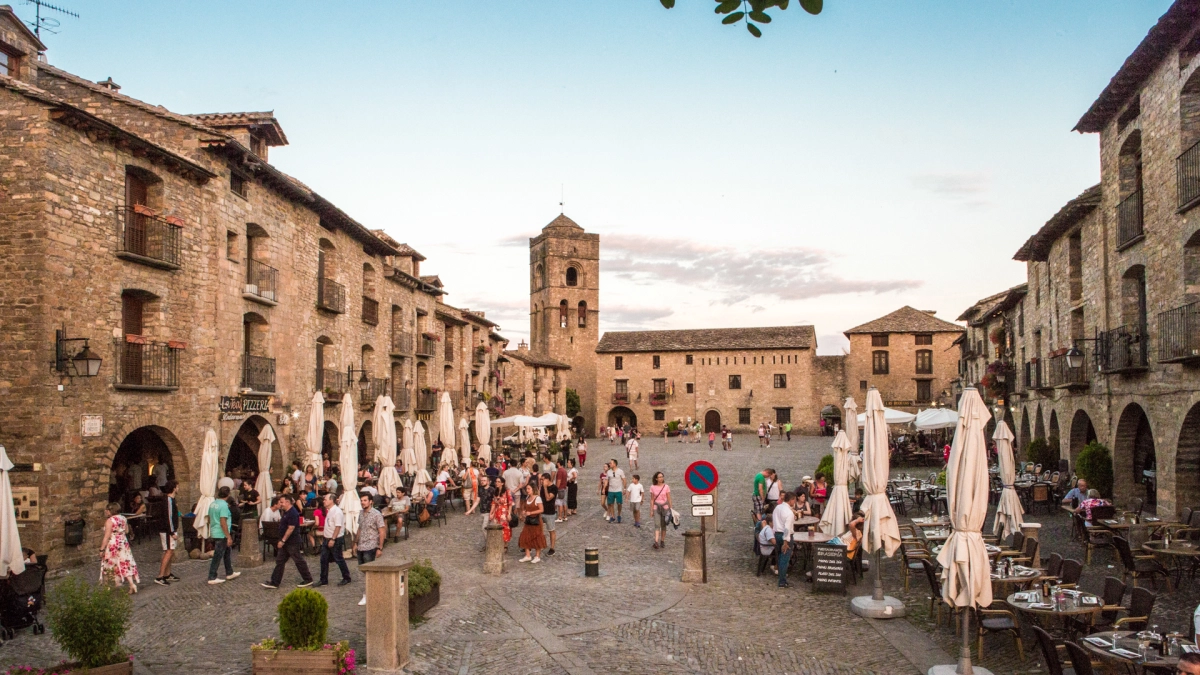
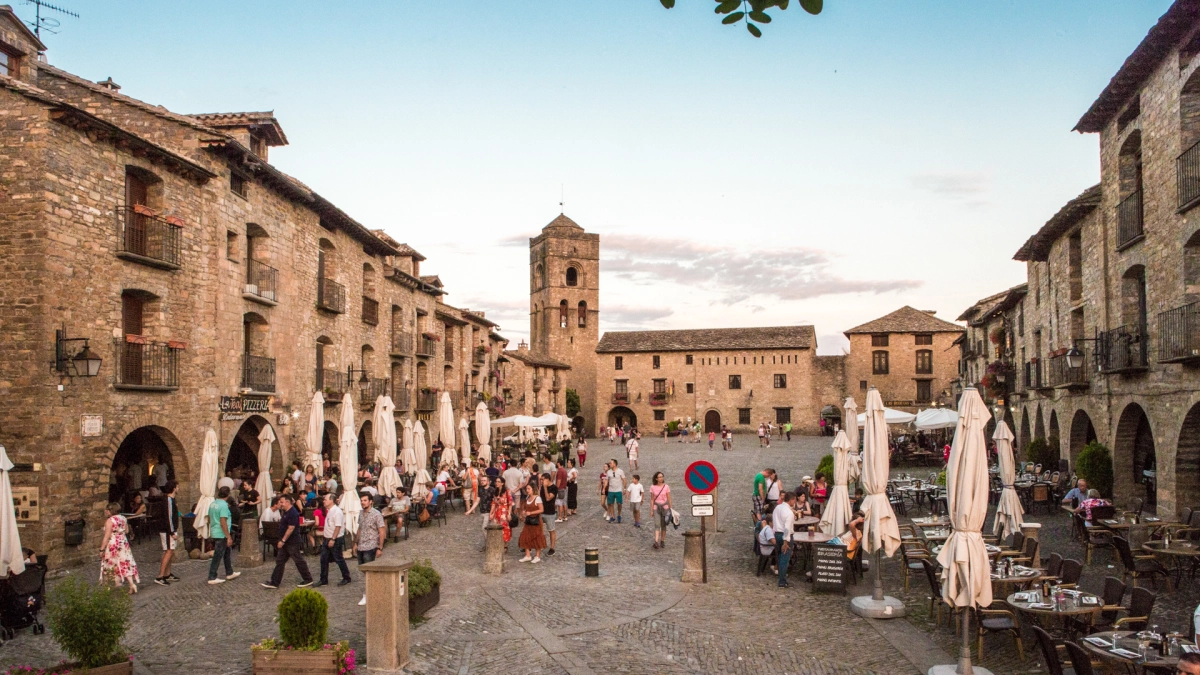
Instead, the nation is prioritizing environmental sustainability, socioeconomic equity, and geographic decentralization. The core objective is to distribute the immense wealth generated by tourism beyond congested coastal strips and major metropolitan centers like Madrid and Barcelona, routing visitors into the interior regions of the country. By championing gastronomy, local craftsmanship, and low-impact nature travel, Spain aims to protect its cultural heritage, alleviate gentrification pressures, and ensure that local communities perceive tourism as an asset rather than an invasive burden.
Chronology: The Evolution of Spain’s Tourism Paradigm
- Pre-2020: Decades of unbridled growth fueled Spain’s rise as a global tourism powerhouse, relying heavily on sun-and-beach packages, mass-market hospitality, and urban hotspots.
- 2020–2022 (The Pandemic Disruption): COVID-19 exposed the systemic vulnerabilities of a tourism-dependent economy, laying bare the risks of hyper-concentration and geopolitical volatility, while sparking initial conversations about resilience.
- 2023–2025 (The Backlash of Mass Tourism): As international travel roared back past pre-pandemic levels—culminating in nearly 97 million visitors—internal strains surfaced. Major cities faced severe housing crises, gentrification, and rising citizen pushback against overcrowding.
- Late 2026 (The 2030 Strategic Pivot): Turespaña introduces its comprehensive framework to redefine the country’s global tourism identity. During promotional tours in Latin America—specifically highlighted during an interview in Medellín, Colombia—tourism officials formally outline the framework to manage growth without compromising local quality of life.
Supporting Data and Market Metrics
- 97 Million Visitors: The baseline number of international arrivals recorded by Spain in the preceding year, with projections indicating that the 100-million threshold will soon be surpassed or actively moderated.
- Latin America’s Strategic Position: Latin America currently stands as Spain’s third-largest source market for incoming tourism, trailing only traditional European powerhouses like the United Kingdom and Germany.
- 750,000 Colombian Travelers: The number of visitors originating from Colombia to Spain last year. According to Turespaña, this segment boasts exceptionally long average stays and high daily expenditures, coupled with deep cultural and linguistic affinities.
- Three Pillars of Global Risk: Industry stakeholders have identified structural challenges facing modern tourism: continuing economic productivity, mitigating aggressive environmental footprints, and resolving escalating social friction.
Official Responses: Insights from Jesús Adrián Delgado
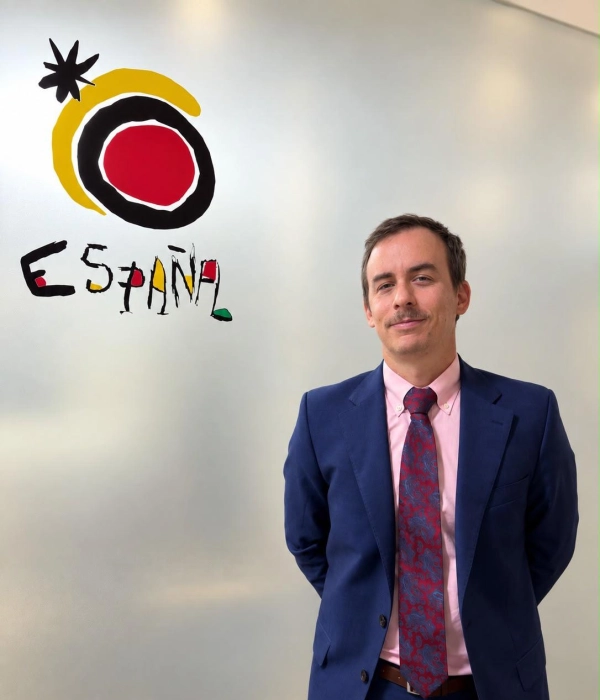
During a strategic visit to Medellín, Colombia, Jesús Adrián Delgado, Turespaña’s Tourism Counselor for Colombia and Venezuela, sat down for an exclusive interview to dissect the philosophy behind the 2030 agenda. Delgado emphasized that the transformation is born from a position of strength rather than panic.

"The change does not arise from a necessity of survival, but from the intention to maintain that growth sustainably," Delgado explained. "Spain is a leader, receiving a vast number of tourists and registering top-tier tourism spending. Therefore, we asked ourselves: how can we attract a quality tourist who genuinely contributes to the balanced development of the country?"
Addressing the delicate balance between visitor promotion and citizen welfare, Delgado noted that Turespaña’s role is not to police travelers, but to properly orient them.
"Our task is to provide the instruments for responsible tourism, not to penalize the visitor. For example, by explaining that visiting specific regions and consuming local products during certain times of the year helps generate economic opportunities, preventing young people from having to abandon their ancestral towns."
When asked about the integration of emerging technologies—particularly artificial intelligence—Delgado offered a cautious perspective. While acknowledging AI as a powerful operational tool, he warned against algorithmic manipulation that funnels travelers blindly into over-visited bottlenecks. He stressed that the decades of accumulated expertise by small and medium-sized enterprises (SMEs) and specialized travel agents remain irreplaceable.
Implications: The Social, Economic, and Environmental Horizon
The shift toward the 2030 roadmap carries profound implications for travelers, local artisans, and international markets alike.
1. The Social Equation: Tourism as "Nuclear Energy"
In a striking analogy, Delgado compared modern mass tourism to nuclear energy: highly refined, economically indispensable, yet possessing dangerous external side effects if left unmonitored. Just as nuclear facilities require rigorous containment structures to protect surrounding populations, Spain’s public policy must insulate residential neighborhoods from housing inflation and overcrowding. If citizens feel alienated by visitors, the social license for the industry collapses.

2. Safeguarding Cultural Identity and Craftsmanship
One of the most vulnerable sectors identified in the strategy is traditional craftsmanship. As globalized franchise retail dominates high streets, local artisans in regions like the Canary Islands, Extremadura, La Rioja, and Cantabria struggle against dwindling local demand. By steering high-end, luxury travelers directly into artisan workshops—fostering direct dialogue and premium purchases—Spain hopes to turn tourism into a lifeline for heritage preservation.
3. Adapting to Climate Realities
Environmental pressures are no longer abstract projections. Changing weather patterns and increasingly severe heatwaves during peak summer months are already altering travel flows within the Iberian Peninsula. Spain’s strategy relies heavily on "desestacionalización" (de-seasonalization)—encouraging travel during shoulder and cooler months—while promoting the green interior provinces over the sweltering coastal corridors.

4. Deepening Ties with Latin America
For markets like Colombia, the 2030 strategy signals a move away from generic travel packages toward bespoke, experience-driven itineraries. Given the strong emotional and linguistic bridges connecting both nations, Turespaña views the current figure of 750,000 annual Colombian visitors as merely a baseline. By emphasizing luxury, gastronomy, and personalized cultural immersion, Spain aims to capture a segment of travelers focused on depth, longevity, and mutual enrichment rather than fleeting mass consumption.