By Editorial Staff
November 19, 2026
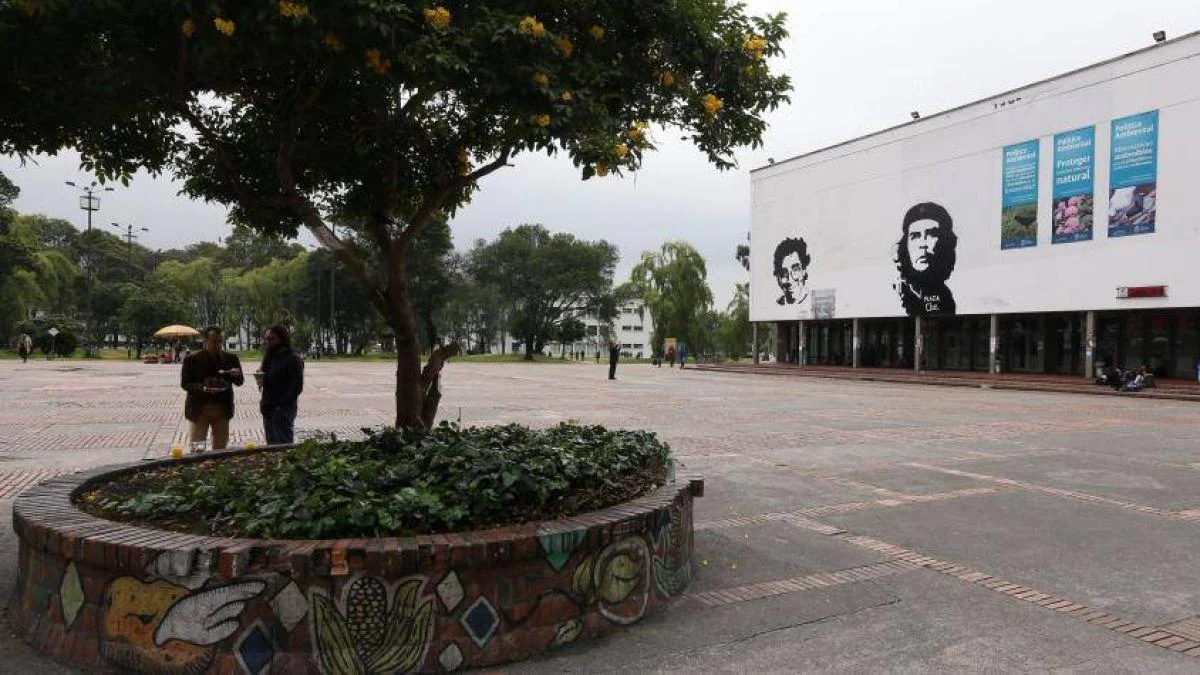
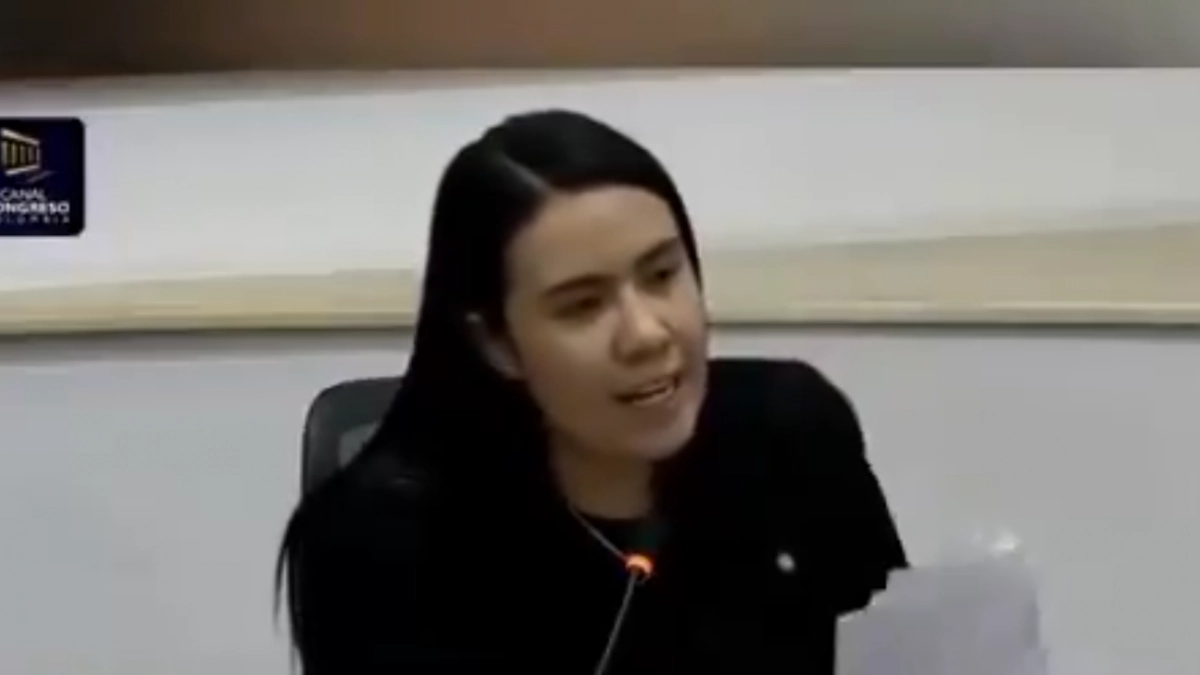
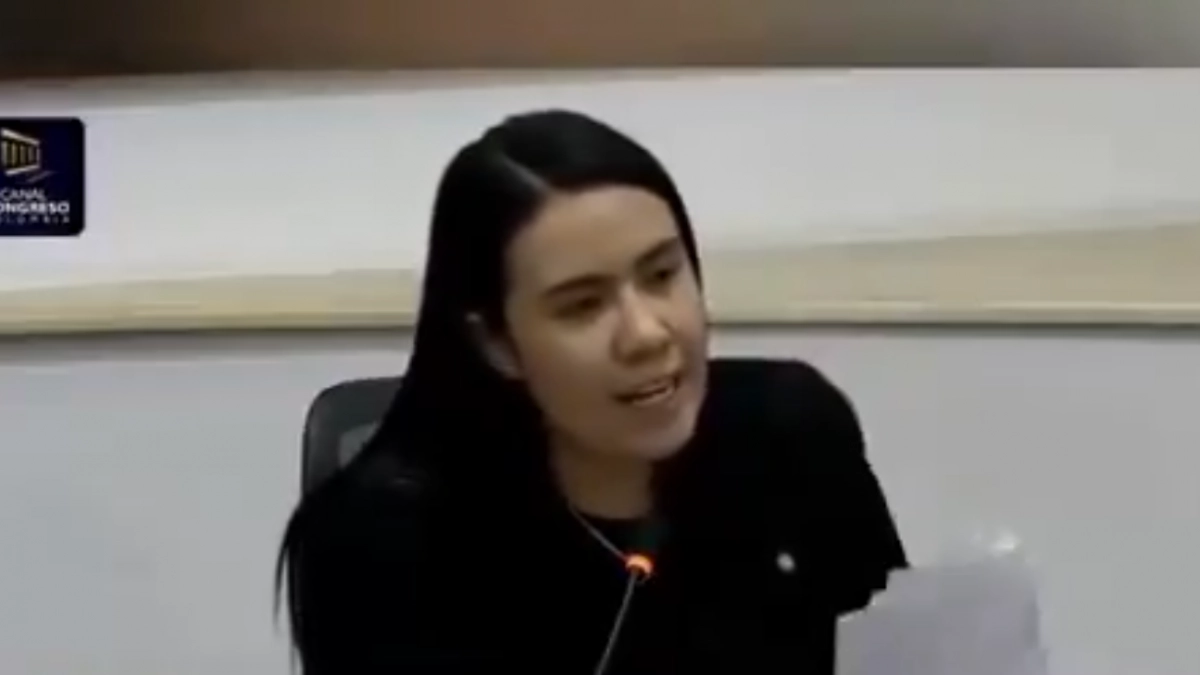
The academic community and the political landscape of Colombia have been shaken by a growing scandal involving allegations of professional credential forgery. At the center of the controversy is Luz Verónica Estrada Holguín, a congresswoman representing the Pacto Histórico, whose academic credentials—specifically a degree in Mining and Metallurgical Engineering from the Universidad Nacional de Colombia (UNAL)—have been officially refuted by the institution’s rector, José Ismael Peña Reyes.
The situation has escalated from a private administrative query into a high-stakes legal and ethical confrontation, raising fundamental questions about the integrity of public officials and the sanctity of university degrees in a nation where academic achievement is a primary engine for social mobility.
The Core Allegation: A Degree That Does Not Exist
The Universidad Nacional de Colombia, the country’s most prestigious public higher education institution, has taken the definitive step of declaring that its archives contain no record of Luz Verónica Estrada Holguín ever having completed the requirements for a degree in Mining and Metallurgical Engineering at its Medellín campus.
Rector José Ismael Peña Reyes issued a formal statement on November 19, 2026, clarifying the institution’s position after a document surfaced in the public sphere purporting to be an official diploma issued by the university.
"Our institution has been clear: after a exhaustive review of both our physical and digital archives, the Medellín campus found no records that would substantiate the graduate status of the individual referred to in the document," Rector Peña stated. "Furthermore, it was established that the copy of the diploma registry presented for verification was not issued by the university."

For an institution with a 160-year history, the unauthorized use of its seal and name is not merely a bureaucratic error; it is an assault on the reputation of thousands of alumni, researchers, and faculty members who have earned their credentials through years of rigorous academic labor.
A Chronology of the Controversy
The path to the current public confrontation has been marked by a series of disclosures and legal filings that paint a picture of a long-simmering institutional investigation.
- 2024: The first public warnings regarding the alleged falsity of Congresswoman Estrada’s title began to circulate. Reports from former deans of the Faculty of Mines suggested that questions about the validity of her credentials were raised within academic circles as early as two years ago.
- November 20, 2025: Faced with growing pressure to address the authenticity of the documents circulating in the public domain, the Universidad Nacional officially filed a criminal complaint regarding the alleged forgery.
- December 4, 2025: The complaint was formally registered within the electronic system of the Office of the Attorney General of the Nation (Fiscalía General de la Nación), initiating a state-led investigation into the potential crime of document forgery.
- June 2026: Paradoxically, during the period when the investigation was ongoing, public reports highlighted that Congresswoman Estrada had championed a legislative project aimed at increasing the scrutiny and verification of university diplomas—an irony that has drawn significant criticism from ethics watchdogs.
- November 19, 2026: Rector José Ismael Peña Reyes issued a definitive public statement, confirming that the university is cooperating fully with the Attorney General’s office and reiterating that the institution will pursue the matter until legal responsibilities are determined.
The Sanctity of the Diploma: An Institutional Defense
The response from Rector Peña has gone beyond a mere administrative denial; it has served as a moral defense of the Colombian university system. In his address to the public, the Rector emphasized that a diploma from the Universidad Nacional is not simply a piece of parchment, but the culmination of a life-defining process.
"Being a graduate of the Universidad Nacional de Colombia is a badge of honor, but it is also the result of an enormous effort," Peña noted. "Behind every title lie years of study, family sacrifices, professors who impart their knowledge, and dreams built upon the foundation of work and honesty. Our diploma is the symbol of a 160-year trajectory that we have built across generations of students, teachers, and researchers."
The institution has taken proactive measures to prevent future instances of fraud. Since 2019, the university has implemented an electronic degree system. These digital titles feature secure, verifiable signatures that allow employers and public entities to cross-reference credentials directly through the university’s official servers, effectively closing the gap that allows for the creation of fraudulent, paper-based replicas.
The Political and Ethical Implications
The scandal carries profound implications for the political integrity of the Pacto Histórico and the Congress of the Republic. The fact that a sitting member of the legislature is under investigation for a fraudulent degree challenges the public’s trust in the legislative process.

Furthermore, the revelation that Congresswoman Estrada had previously authored legislation concerning the verification of university degrees has created a firestorm of media coverage. Critics argue that this demonstrates a profound disregard for institutional norms, while supporters of the academic community argue that it underscores the necessity for mandatory, centralized digital verification systems for all public officials.
Legal experts note that if the falsification is proven in court, the Congresswoman could face serious criminal charges, including the use of false documents (uso de documento falso), which carries significant prison time in Colombia. Beyond the legal consequences, there is the question of the legitimacy of the legislative acts and decisions she participated in under the premise of her alleged professional background.
Moving Toward Accountability
As the Attorney General’s office continues its investigation, the Universidad Nacional has committed itself to a policy of total transparency. Rector Peña has emphasized that the university will continue to assist the authorities with all necessary documentation, provided that the process adheres to the principles of "due process."

"We will not allow the falsification, alteration, or fraudulent use of academic documents to affect our prestige or the effort of our community," the Rector stated firmly.
This case serves as a litmus test for the Colombian justice system. In an era where "fake news" and digital manipulation have made it easier to create convincing forgeries, the protection of institutional seals and historical records has become a matter of national security. The university’s insistence on holding the parties accountable signals a shift toward a more aggressive protection of institutional reputation.
Conclusion: A Broader Crisis of Trust?
The case of the alleged fraudulent title of Congresswoman Luz Verónica Estrada is more than just an isolated incident of academic dishonesty. It touches upon the broader issue of credentialism and the value of education in public service. As the investigation proceeds, the public will be watching closely to see whether the institutions of the state can effectively penalize those who undermine the meritocratic foundations upon which they are built.

For the students currently walking the halls of the Medellín campus, the rector’s message is clear: their hard work is not merely a personal achievement, but a collective asset that the university is prepared to defend at the highest legal levels. The outcome of this case will likely serve as a precedent for how Colombian universities handle future threats to their academic integrity, ensuring that the legacy of their graduates remains untarnished by the actions of a few.
As the legal proceedings unfold, the University remains steadfast in its position: that the truth, documented in the archives of history, cannot be rewritten by a forged document, no matter the political stature of the individual presenting it. The commitment to the truth, for the Universidad Nacional, is as permanent as the degrees it has awarded for over a century and a half.