By: Editorial Staff
Updated: November 19, 2026
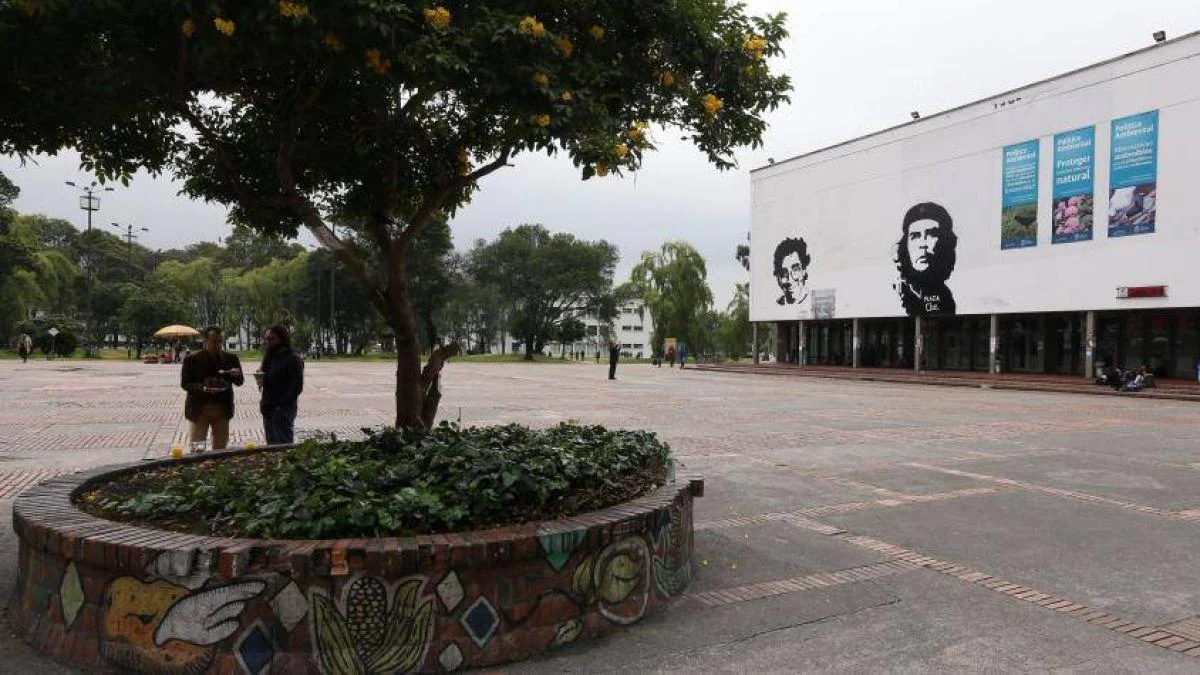
The National University of Colombia (UNAL), the nation’s most prestigious public higher education institution, found itself at the epicenter of a high-stakes security controversy this Thursday, November 19. The campus in Bogotá became the scene of a tense standoff between administrative directives, academic authorities, and law enforcement, following a series of alerts regarding the suspected entry of explosive materials into university facilities.
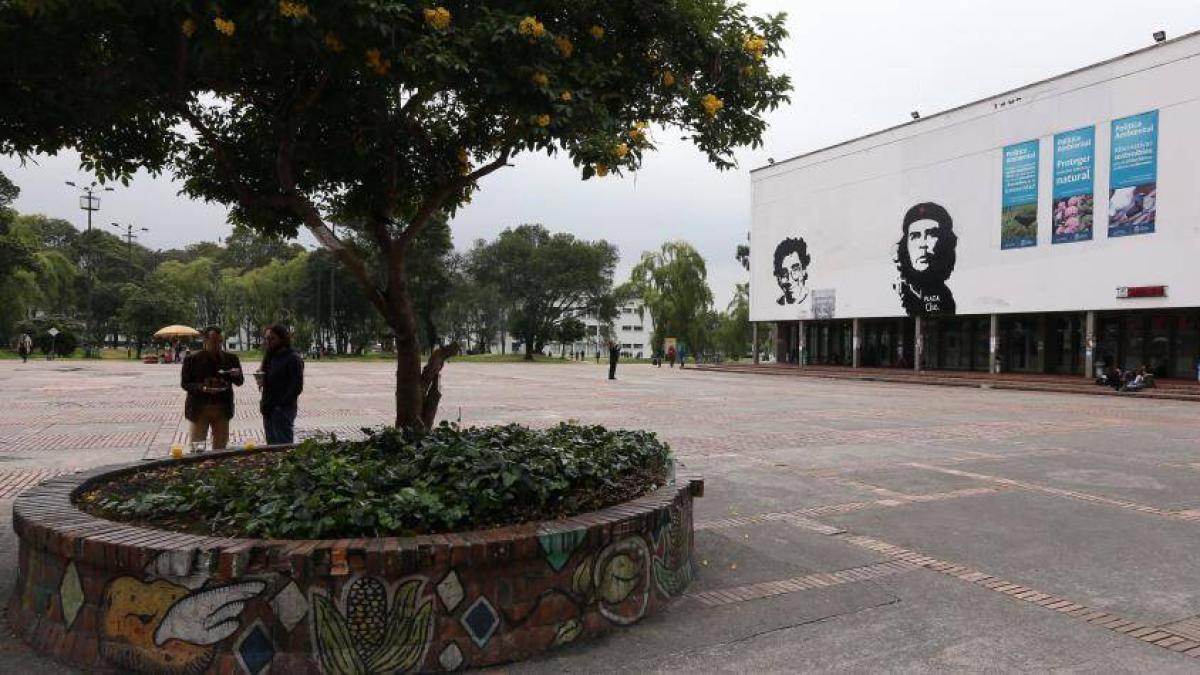
The situation triggered a profound internal rift. While the Dean of the Faculty of Law, Political and Social Sciences, Catalina Toro Pérez, publicly condemned the intervention as an unauthorized breach of university autonomy, the Rector of the institution, José Ismael Peña, provided a starkly different account. According to the Rector, the presence of the national police was not an act of aggression, but a calculated, requested measure to mitigate an imminent threat to the safety of students, faculty, and administrative staff.
The Core Conflict: Autonomy vs. Security
The friction points in this incident revolve around the delicate balance between the "university campus" as a sanctuary of free thought and the responsibility of the state to maintain public order.

On Thursday, tensions flared when reports of police presence inside the Bogotá campus began to circulate. This led to an immediate reaction from the academic wing, led by Dean Catalina Toro Pérez, who expressed strong opposition to the "alleged incursion of the public force." For many in the academic community, the presence of uniformed officers within the university’s perimeter is a violation of the historical autonomy granted to public universities in Colombia, a principle often fiercely defended by students and professors alike.
However, the administration’s narrative shifted the focus from autonomy to physical safety. In an interview with Blu Radio, Rector Ismael Peña clarified that the university’s executive leadership had actively solicited the intervention of the Bogotá Metropolitan Police. The request followed credible intelligence reports suggesting that unidentified individuals, some wearing masks, were seen infiltrating the campus with suspicious materials.

Chronology of the Alert
The sequence of events that led to the security operation began well before the physical inspection took place.
- Early Intelligence Gathering: Institutional security protocols were activated after reports reached the Rector’s office regarding the movement of "masked individuals" carrying packages that were deemed "extraordinary" and potentially dangerous.
- The Explosive Hypothesis: Given the volatile political climate and the proximity of nationwide marches scheduled for the following day, the threat assessment was elevated. Intelligence gathered by the Metropolitan Police suggested that the materials entering the campus could include improvised explosive devices (IEDs).
- Formal Request for Assistance: Faced with the possibility of a major security incident, Rector Peña made the decision to formally request that the Bogotá Metropolitan Police conduct a targeted inspection of specific buildings on campus.
- The Inspection (November 19): Authorities entered the designated areas. During the operation, they did not find explosives, but they did secure significant evidence of clandestine activity, including banners, propaganda, and pamphlets linked to a group identified as ‘PPP,’ which reportedly counts individuals with histories of terrorism among its ranks.
- Official Response and Backlash: As news of the police presence spread, the Faculty of Law, Political and Social Sciences issued its formal rejection, sparking a public debate that has since dominated university discourse.
Supporting Evidence and Intelligence Findings
While the absence of explosive materials brought a collective sigh of relief, the items recovered by law enforcement have raised serious questions about the security dynamics currently operating within the National University.

The discovery of materials associated with the ‘PPP’ group is particularly alarming for national security analysts. The group, known for its extremist rhetoric and alleged links to past violent acts, has long been a subject of concern for authorities. The presence of such propaganda within the campus walls suggests that external actors may be using the university’s status as a protected space to organize, store materials, or recruit members.
The Rector defended the operation by emphasizing that the objective was preventive. "The priority was the integrity of the university community," Peña stated. By conducting the inspections, the university was able to clear the buildings of prohibited items just hours before the national demonstrations, preventing a potential scenario where those materials could have been weaponized during the protests.

Institutional Responses and Academic Perspectives
The divide at the National University reflects a broader struggle within Colombia’s academic institutions regarding how to handle radicalization and violence.
The Dean’s Stance
Dean Catalina Toro Pérez and her supporters argue that allowing the police onto the campus sets a dangerous precedent. They contend that any security issue should be handled through internal disciplinary processes and that the intervention of the state’s armed forces is an infringement that erodes the trust between the university and its student body.

The Rector’s Stance
Rector Ismael Peña has maintained that he has a legal and moral duty to protect the life and property of everyone on campus. He argues that the university cannot be a "black hole" where the law does not apply, especially when intelligence indicates that the lives of students and staff are in jeopardy. "We received clear instructions from the police to activate security protocols," Peña noted, emphasizing that the administration was acting in full compliance with its duty of care.
Broader Implications for the National University
This incident is not isolated. For months, the National University has been grappling with internal security challenges. In August 2026, Rector Peña had already publicly requested increased measures to strengthen campus security following a series of violent incidents that disrupted academic activities.

The recurrence of these security crises suggests several critical challenges for the university:
- Vulnerability to Infiltration: The ease with which unauthorized individuals appear to enter and use the campus as a base for illegal activity points to significant gaps in physical security and access control.
- Internal Polarization: The conflict between the Rector’s office and individual faculties reveals a deep ideological divide regarding the role of the state in academic life.
- The "Sanctuary" Dilemma: The debate over university autonomy is being pushed to its limit. While autonomy is essential for academic freedom, it is not a legal shield for criminal activity. Finding the middle ground is now the most pressing task for the university’s governing bodies.
Conclusion: Looking Ahead
As the situation stabilizes, the university finds itself at a crossroads. The failure to find explosives was a positive outcome, but the recovery of illegal propaganda indicates that the underlying threat remains real.

The administration now faces the arduous task of reconciling its security protocols with the academic community’s concerns. For the National University of Colombia, the path forward requires a transparent dialogue between the Rector, the student leaders, and the teaching faculty. If the institution is to maintain its position as a pillar of Colombian intellectual life, it must ensure that it remains a place where students can learn without fear of violence, while simultaneously safeguarding the precious, hard-won autonomy that allows it to function as a center of critical, independent thought.
For now, the events of November 19 serve as a stark reminder that in an increasingly polarized society, the walls of the university are not as impenetrable as they once were, and the responsibility to protect its inhabitants requires constant vigilance, difficult decisions, and an unwavering commitment to the rule of law.