By Global Health & Nutrition Desk
Published: November 20, 2026
For decades, the humble egg has occupied a paradoxical place at the breakfast table. Celebrated globally as an accessible, nutrient-dense powerhouse of protein, vitamins, and minerals, it has simultaneously faced persistent scrutiny from health-conscious consumers wary of its cholesterol content. For anyone trying to manage their cardiovascular health—specifically keeping low-density lipoprotein (LDL) cholesterol, often labeled "bad" cholesterol, in check—the morning omelet or fried egg has frequently been viewed with skepticism.
However, recent nutritional science is dismantling long-held dietary dogmas. According to contemporary research, the danger to your heart may not be the egg itself, but rather the cooking fats you use in the pan and the processed meats you place beside it on the plate.

In this comprehensive guide, we examine the science behind eggs and dietary cholesterol, explore landmark findings from nutritional studies, detail the physiological impact of saturated fats, and offer expert-backed recommendations on how to enjoy your morning eggs safely and deliciously.
1. Main Facts: Demystifying the Morning Egg
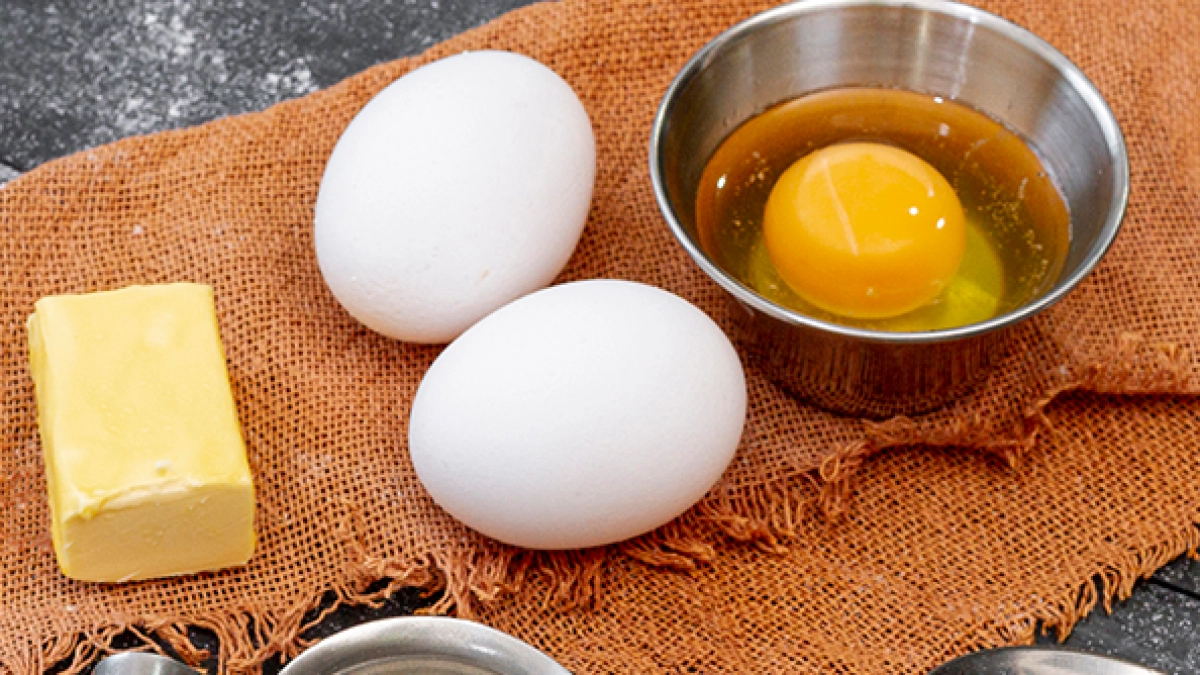
The core debate surrounding eggs has always centered on their lipid profile. A single large egg contains roughly 186 milligrams of cholesterol, the vast majority of which is concentrated within the rich, golden yolk. To early public health advisories, this high concentration served as an automatic red flag, leading to sweeping recommendations to limit or completely eliminate whole eggs from diets designed to lower blood cholesterol.
Yet, modern nutritional science has evolved past blanket prohibitions. The overarching consensus among contemporary cardiologists and epidemiologists is nuanced: for the vast majority of healthy individuals, dietary cholesterol has a relatively modest impact on blood cholesterol levels.

Instead, clinical focus has shifted heavily toward the presence of dietary saturated fats and trans fats. Unlike dietary cholesterol—which the human liver regulates by producing less of its own when dietary intake rises—saturated fats stimulate the liver to pump out higher quantities of LDL particles into the bloodstream.
Therefore, the primary finding of recent nutritional research is clear: eating an egg does not inherently spike your cardiovascular risk. Rather, the method used to cook the egg and the heavy, saturated-fat-laden accompaniments traditionally served alongside it—such as butter, bacon, sausage, and full-fat cheeses—are the true drivers of elevated LDL levels.
2. Chronology: The Evolution of Dietary Guidelines on Cholesterol
To understand why eggs became public enemy number one—and why they are now being exonerated—it helps to look back at the historical timeline of nutritional advice.
- The Mid-20th Century (1960s–1970s): The Rise of the Diet-Heart Hypothesis
Following rising rates of cardiovascular disease in the post-war era, researchers formulated the "diet-heart hypothesis." This theory posited that consuming dietary cholesterol directly raised blood cholesterol, which in turn clogged arteries. Because eggs are exceptionally high in dietary cholesterol, health authorities began issuing warnings against consuming more than two to four eggs per week. - The 1980s–1990s: The Low-Fat Era and Egg Whites Only
During this period, the food industry and wellness culture leaned heavily into low-fat diets. Egg yolks were routinely discarded, and fitness enthusiasts turned strictly to egg-white omelets to avoid the cholesterol-heavy center. - The 2000s: Nuance Emerges
As longitudinal studies accumulated vast amounts of data on hundreds of thousands of patients, researchers began noticing a disconnect. For most people, eating foods high in cholesterol did not correlate neatly with a higher incidence of heart attacks or strokes. - 2015: A Major Policy Shift
The 2015–2020 Dietary Guidelines for Americans quietly dropped the previous upper limit of 300 milligrams per day for dietary cholesterol, aligning more closely with growing scientific consensus. While advice to limit saturated fats remained firm, dietary cholesterol was recognized as no longer a "nutrient of concern" for overconsumption. - 2025: The American Journal of Clinical Nutrition Landmark Study
A pivotal study published in The American Journal of Clinical Nutrition by researchers from the University of South Australia provided definitive modern data. The study reaffirmed that dietary saturated fats possess a drastically higher, more dangerous incidence on blood LDL cholesterol levels than the actual cholesterol found naturally within eggs.
3. Supporting Data: What the Science Says About Saturated Fats vs. Dietary Cholesterol
To appreciate why your choice of cooking medium matters, it is crucial to understand how human metabolism processes different types of lipids.
The Role of Saturated Fats
Saturated fatty acids are molecules packed tightly with hydrogen atoms, meaning they have no double bonds. Found abundantly in animal fats (like butter, lard, tallow, and bacon grease) and certain tropical oils (like coconut and palm oil), these fats are solid at room temperature.
When ingested, saturated fats inhibit the activity of LDL receptors on the surface of liver cells. These receptors are responsible for pulling circulating LDL cholesterol out of the bloodstream. When saturated fats block or reduce the efficiency of these receptors, LDL particles linger longer in the blood, increasing the likelihood that they will oxidize and contribute to atherosclerotic plaque buildup in the arterial walls.

The Myth of the Egg Yolk
Conversely, dietary cholesterol from an egg undergoes a more complex regulatory loop in the body. When you consume foods rich in cholesterol, your liver senses the influx and naturally scales back its own endogenous cholesterol production to maintain homeostasis.
While a small percentage of the population are classified as "hyper-responders"—individuals whose blood lipid levels rise more noticeably in response to dietary cholesterol—for approximately 70% to 75% of the population, eating whole eggs has a negligible effect on total blood cholesterol or the ratio of LDL to high-density lipoprotein (HDL, or "good" cholesterol).
4. Official Responses and Expert Recommendations
Health organizations worldwide have adapted their guidance to reflect these biological realities. Rather than banning foods outright, modern nutritional guidelines emphasize overall dietary patterns, food synergy, and cooking methodology.

How to Cook Your Eggs Healthily
Nutritionists and culinary experts emphasize that the transformation of the egg begins in the skillet.
- Boiled and Poached: These are widely considered the gold standard for heart-healthy preparation. Boiling or poaching requires zero added fats, allowing you to consume the egg in its purest, least adulterated state.
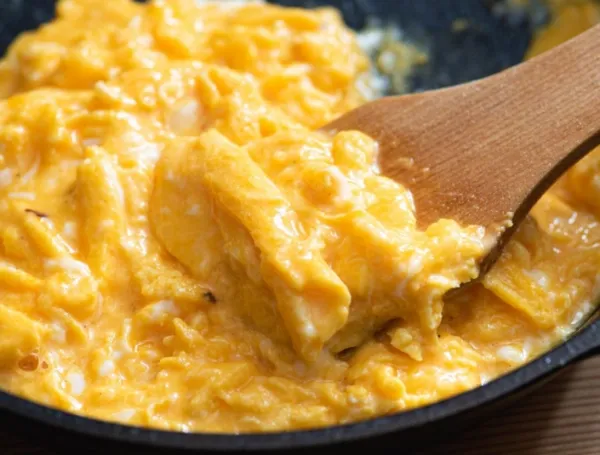
- Fried and Scrambled: If you prefer your eggs cooked in a pan, you do not need to abandon the habit. The key is swapping out saturated fats for heart-healthy unsaturated fats. Using a small teaspoon of extra virgin olive oil, avocado oil, or canola oil instead of a thick pat of butter or rendered bacon fat drastically reduces your intake of saturated fatty acids.
- Non-Stick Technology: Utilizing high-quality non-stick cookware allows you to cook scrambled or fried eggs with minimal to no added grease.
Smart Breakfast Pairings
What you eat with your eggs is just as important as how they are cooked. Traditional Western breakfasts often pair eggs with processed meats and refined carbohydrates. To protect your cardiovascular system, experts recommend upgrading your plate:
- Embrace the Greens: Instead of side dishes dominated by cheese and meat, fold nutrient-dense vegetables directly into your scramble or omelet. Spinach, diced tomatoes, bell peppers, mushrooms, and onions add fiber, antioxidants, and volume without raising LDL levels.
- Incorporate Healthy Fiber: Pair your eggs with whole-grain toast or a side of fresh fruit rather than refined white flour pastries or sugary cereals. The soluble fiber found in whole grains, oats, and certain fruits actively helps bind to and excrete cholesterol in the digestive tract.
- Ditch the Processed Meats: Swap out bacon, breakfast sausages, and heavy salamis for lean alternatives or plant-based sides if you desire a savory accompaniment.
5. Implications: Personalizing Your Diet for Long-Term Health
The shifting narrative around eggs carries profound implications for everyday nutrition, public health messaging, and personal dietary autonomy.

Moving Away from Fear-Based Eating
For years, restrictive dietary trends caused unnecessary anxiety among consumers. The demonization of single foods often led people to adopt unsustainable or nutritionally poor substitutes (such as highly processed egg substitutes laden with sodium and chemical additives). The modern scientific approach encourages a holistic view of nutrition: context is everything. An egg eaten alongside a pile of vegetables and olive oil has a vastly different metabolic impact than an egg fried in butter and served alongside processed pork products and white toast drenched in syrup.
Individualized Health and Medical Guidance
Despite the general exoneration of dietary cholesterol, experts caution that individualized health profiles still matter.
- Pre-existing Conditions: Individuals diagnosed with familial hypercholesterolemia, type 2 diabetes, or advanced cardiovascular disease must remain vigilant about their total lipid intake and should consult a physician or a registered dietitian before making drastic changes to their daily consumption patterns.
- Moderation is Key: While whole eggs can safely be a staple of a balanced diet for most people, "no limit" does not mean eating a dozen eggs a day is advisable. Moderation—typically an average of one to two eggs per day for healthy individuals—remains a prudent cornerstone of a varied diet.
Conclusion
The morning egg does not deserve its historical reputation as a dietary hazard. By focusing on smart, mindful preparation techniques—such as boiling, poaching, or sautéing in heart-healthy unsaturated oils—and pairing your eggs with fiber-rich vegetables and whole grains, you can fully enjoy the nutritional richness of the breakfast table while safeguarding your long-term cardiovascular health. The ultimate secret to a healthy heart isn’t stripping away the foods you love; it’s learning how to prepare them intelligently.