In a bold move to consolidate its position as the leading super-app in the Latin American market, Rappi has unveiled a sweeping transformation of its loyalty ecosystem. By bridging the gap between everyday consumption—such as ordering groceries or restaurant meals—and long-term travel aspirations, the Colombian-born technology giant is fundamentally changing how its most active users perceive their digital spending.
The core of this announcement lies in a two-pronged strategy: the introduction of a aggressive cashback program for its premium members and the seamless integration of global loyalty giants into its native interface. As the company continues to scale across more than 60 cities in Colombia, this shift represents a calculated effort to increase user retention and capitalize on the growing demand for "travel-first" benefits.
The Mechanics of the New "Pro Black" Advantage
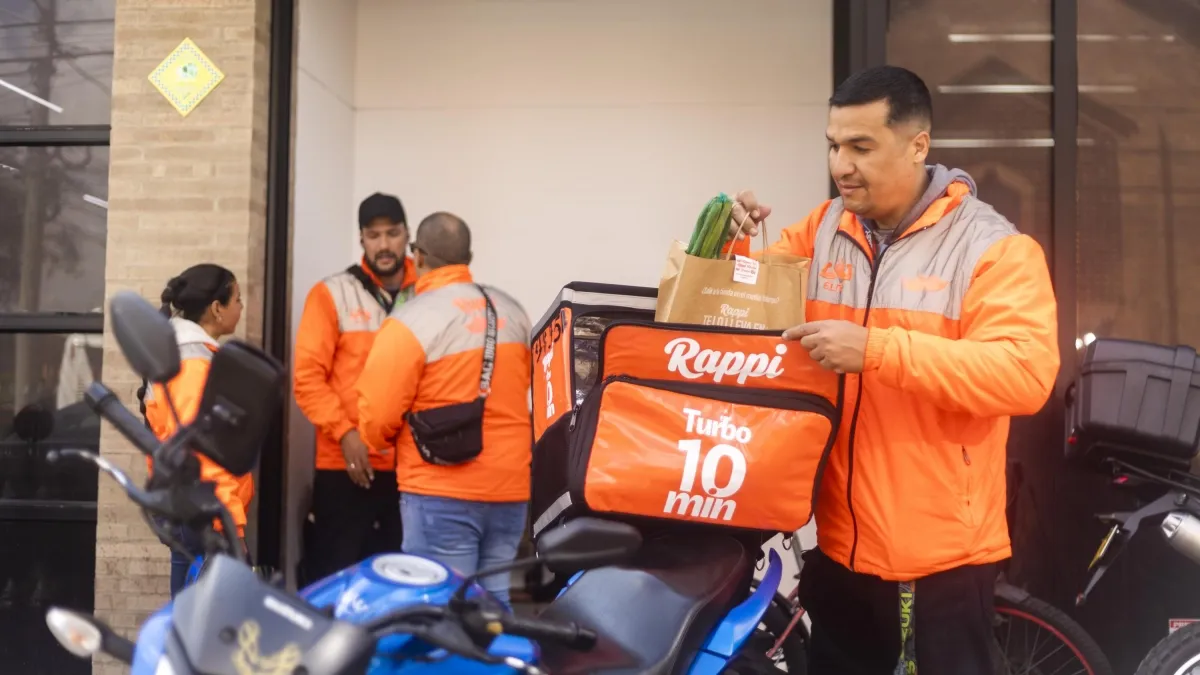
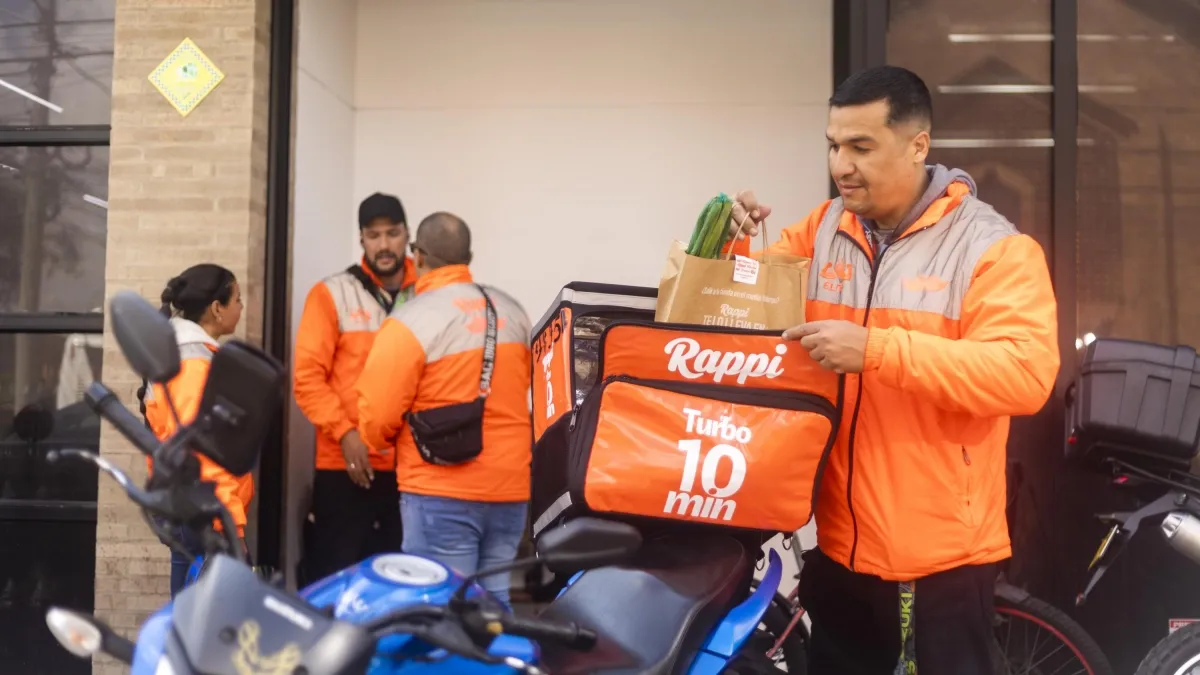
For users subscribed to "Pro Black," the most exclusive tier of the platform’s paid membership, the incentives are now both immediate and long-term. Effective through the end of 2026, Pro Black members will receive a 2% rebate on virtually every purchase made through the application. Whether the order is a late-night restaurant delivery, a quick grocery run via the "Turbo" delivery service, or a specialized retail shop order, the platform is effectively subsidizing the future travel costs of its power users.
It is important to clarify that these funds are distributed as "RappiCréditos." These digital credits function as a closed-loop currency, specifically designed to be redeemed for flights and hotel bookings through Rappi Travel. For a typical user, the math is simple: a $50,000 COP purchase generates $1,000 COP in travel credit. While the percentage may seem modest, the cumulative effect for a family or an office ordering daily is significant.

The only exception to this new 2% accumulation rule is within the Rappi Travel module itself. Given that the platform already provides a permanent 5% cashback on travel bookings for Pro Black members, the company has opted to maintain that higher rate rather than layering the new 2% on top of it. This creates a dual-layered benefit system: everyday purchases fuel the budget for the next vacation, while travel purchases offer direct savings.
A Chronology of the Ecosystem Expansion
Rappi’s journey toward becoming a loyalty powerhouse did not happen overnight. To understand the significance of the current announcement, one must look at the progression of the platform’s strategic partnerships:

- Initial Phase (2022-2024): Rappi began by experimenting with basic delivery discounts and limited-time coupons. The focus was on user acquisition and penetration in the Colombian market.
- The Travel Integration (2025): The launch of Rappi Travel was the company’s first major step into high-ticket consumer services. This provided the infrastructure needed to handle complex bookings and airline partnerships.
- The Loyalty Aggregation (Mid-2026): Recognizing that consumers were suffering from "loyalty fatigue"—having to manage dozens of accounts across different platforms—Rappi began integrating third-party programs.
- The Current Pivot (November 2026): By unifying these programs into a single dashboard within the app, Rappi has transitioned from a simple delivery service into an integrated financial and lifestyle ecosystem.
Supporting Data: Why Loyalty Matters
The economic landscape in Colombia and Latin America is increasingly defined by the battle for "share of wallet." With over 1.4 million monthly active users and more than eight million deliveries processed every month, Rappi sits on a mountain of behavioral data.
The company’s decision to double down on loyalty is a response to competitive pressures. As inflation impacts consumer discretionary spending, users are becoming more selective. According to data provided by the company, the integration of programs like Puntos Colombia, Davipuntos, LATAM Pass, LifeMiles, Marriott Bonvoy, and Iberia Club is not merely a convenience feature; it is a retention strategy. By allowing users to accumulate miles or points for every dollar spent on orders over $50,000, Rappi effectively turns a $10 lunch into a step toward a international flight.

Furthermore, the "Pro Rewards" system, which mimics the traditional, paper-based "punch card" for recurring orders, is a digital nod to the local, neighborhood commerce that remains the backbone of the Colombian economy. With over 400 partner businesses participating in this digital loyalty scheme, Rappi is effectively digitizing the "buy ten, get one free" model, further entrenching its presence in the daily lives of its users.
Official Perspectives: The "Single Ecosystem" Vision
Guido Becher, the Global Head of Travel, Loyalty, and R4B at Rappi, emphasized that the goal is to create a frictionless experience where technology acts as an invisible bridge between daily needs and life experiences.
"Today, technology allows us to unify the most important membership programs in the country into one place," Becher stated during the launch. "Our objective is that every single order counts. We want our users to feel that their loyalty to the platform is worth double—that a meal ordered today brings them closer to their next vacation or their next free dinner."
This sentiment is echoed by the company’s internal growth metrics. By moving away from fragmented, external loyalty sites and bringing these features into the app, Rappi is betting that users will prioritize convenience. If a user can see their Marriott Bonvoy points increasing while they order a pizza, the likelihood of them switching to a competing delivery app drops significantly.

Implications for the Colombian Market
The implications of this move extend far beyond the immediate benefit to the user. For the Colombian economy, the digitalization of these loyalty rewards signals a shift toward a more mature digital economy.
1. The Death of the Physical Loyalty Card
The transition to "Pro Rewards" suggests that traditional loyalty methods are becoming obsolete. Small and medium enterprises (SMEs) that partner with Rappi gain access to a sophisticated loyalty infrastructure that would otherwise be far too expensive to build or maintain independently.

2. Boosting the Tourism Sector
By funneling credits directly into the travel vertical, Rappi is acting as a massive lead-generation engine for the tourism industry. Hotels and airlines benefit from a steady stream of users who have "earned" their way to a trip, essentially lowering the psychological barrier to booking high-cost travel.
3. Data-Driven Consumer Behavior
The ability to link a national ID (cédula) to programs like Puntos Colombia at retailers like Carulla and Éxito creates a comprehensive view of the consumer. For Rappi, this means better targeting and more personalized offers. For the consumer, it means a more streamlined life where rewards are never "lost" or forgotten.

4. A Hedge Against Economic Volatility
In an environment where consumer confidence can be fragile, offering tangible rewards provides a sense of financial stability. Even if a user cannot afford a full vacation, the accumulation of "RappiCréditos" provides a cushion that makes future travel feel attainable.
Future Outlook: What’s Next?
As Rappi prepares for the year-end surge—a period that historically sees a massive spike in both food delivery and travel bookings—the effectiveness of this new strategy will be put to the test. The company has already signaled its confidence by launching a promotional campaign offering 10,000 miles to ten lucky winners across Bogotá, Cali, Barranquilla, and Medellín.

However, the real test will be long-term adoption. Will the promise of travel credits actually change the purchasing behavior of the average user? Or will the market become increasingly saturated, forcing Rappi to innovate yet again?
For now, the platform is doubling down on its identity as a "Super-App." By embedding travel and loyalty into the mundane act of ordering food, Rappi is attempting to own the entire lifecycle of the consumer’s day. As the digital economy in Latin America continues to evolve, the winners will be those who can successfully bridge the gap between utility and aspiration. Rappi’s latest initiative is a clear, aggressive play to be the one to do exactly that.